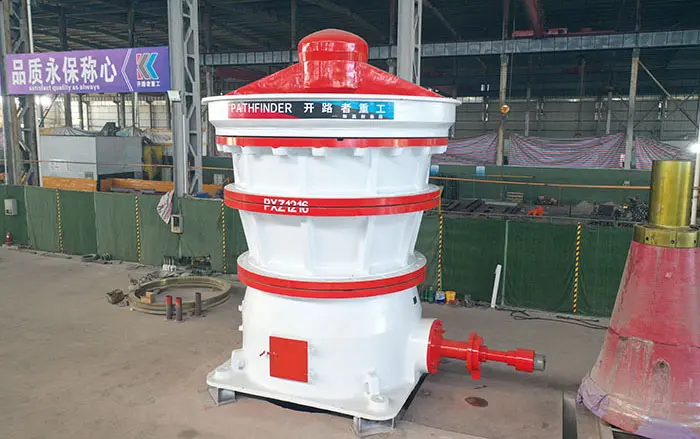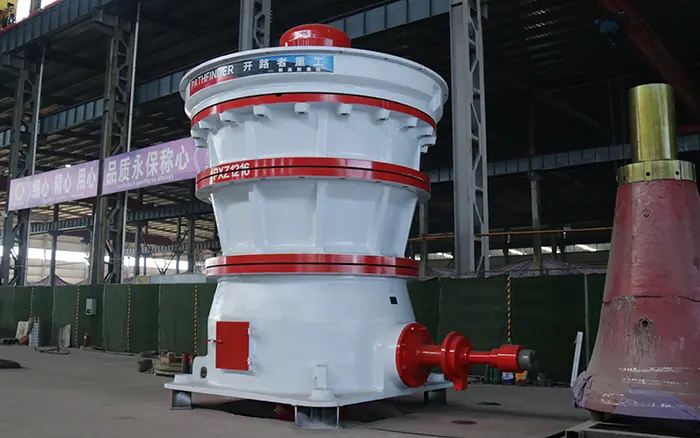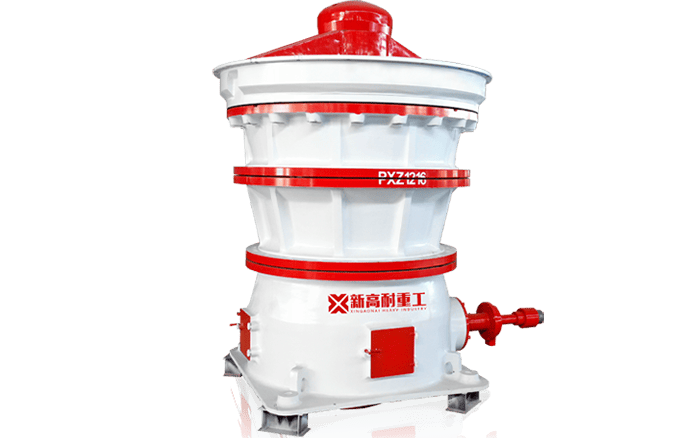
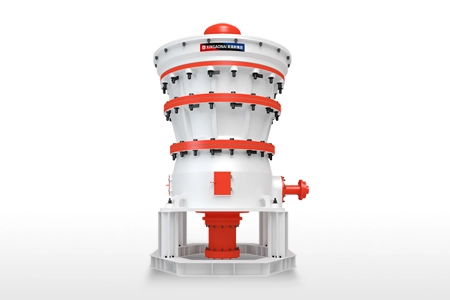
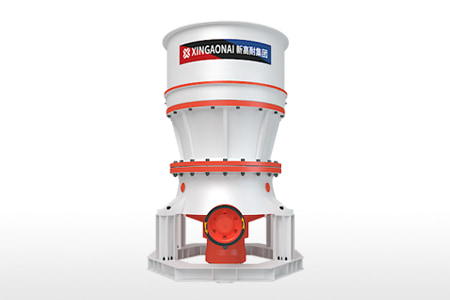
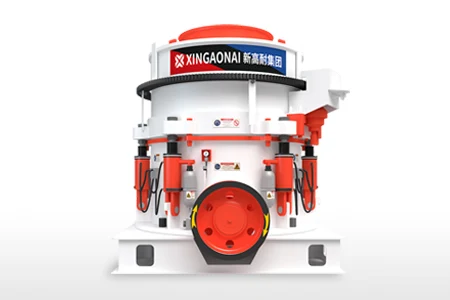
Choosing the right crusher is one of the most important decisions when designing a crushing plant. Among the most commonly used compression crushers in mining and aggregate production are gyratory crushers and cone crushers. Although they share a similar crushing principle, they are designed for different stages of the crushing process and offer distinct advantages depending on the application.
Many people assume these machines are interchangeable because both use a mantle and concave to crush materials through compression. However, understanding the difference between a gyratory and cone crusher is essential for maximizing production efficiency, reducing operating costs, and extending equipment life.
This guide compares gyratory crushers vs cone crushers, including their working principles, structural differences, performance, applications, costs, and selection tips to help you determine which machine is best for your operation.
What Is a Gyratory Crusher?
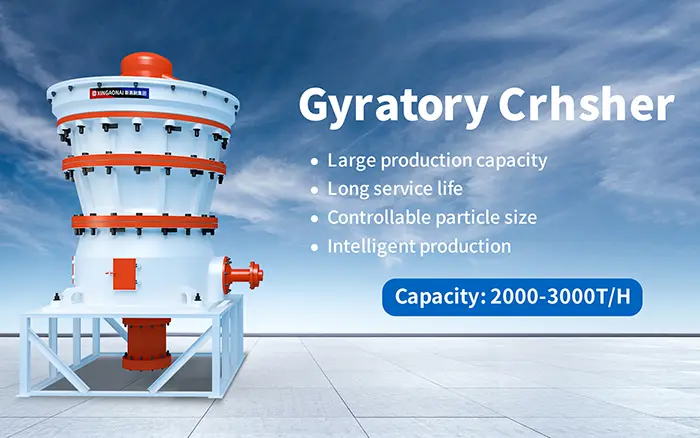
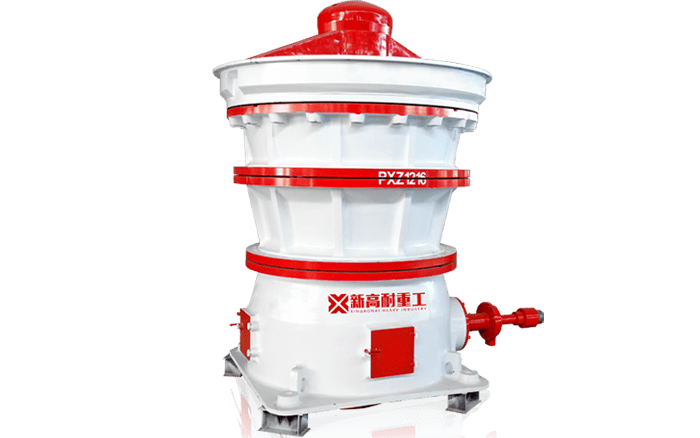
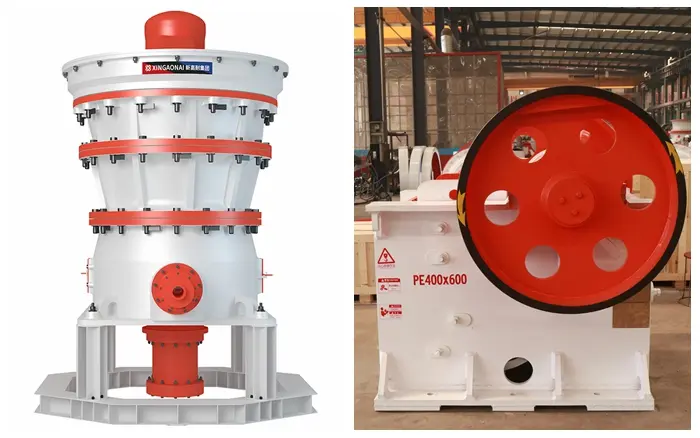
A gyratory crusher is a heavy-duty primary crusher designed to handle large rocks directly from mining or quarry blasting operations.
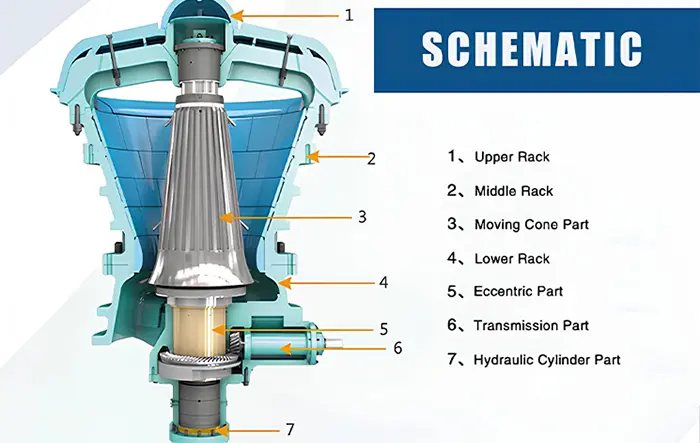
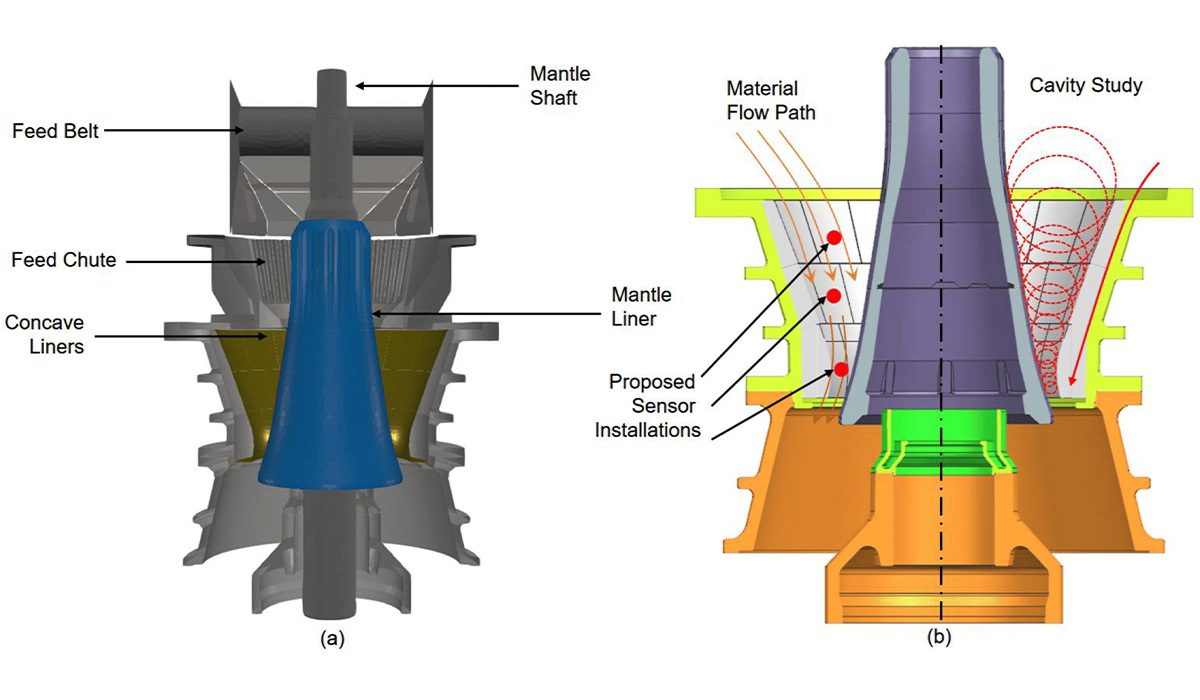
It features a vertically mounted main shaft with a conical crushing head (mantle) that gyrates within a stationary concave. Material is crushed continuously as it moves downward through the crushing chamber.
Because the crushing action is continuous rather than intermittent, gyratory crushers are capable of processing extremely high capacities.
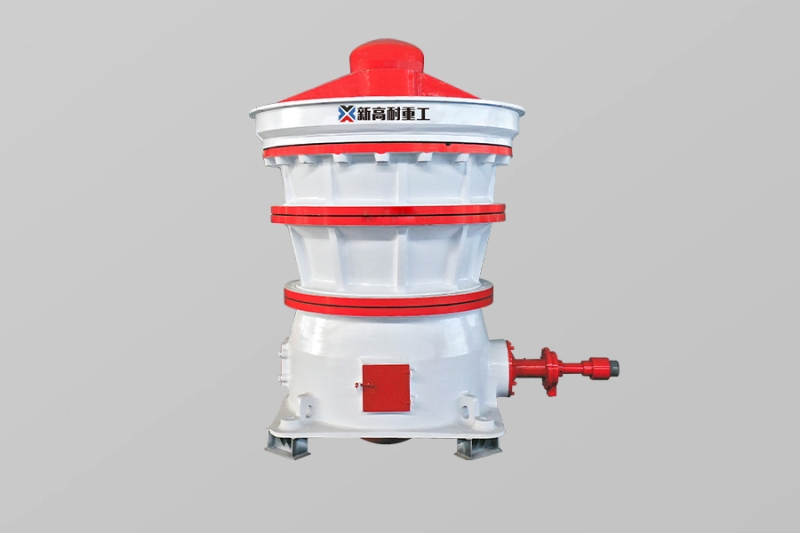
Typical feed size:
Up to 1,500 mm
Typical capacity:
1,000–10,000 TPH
Common applications include:
Hard rock mining
Copper mines
Iron ore processing
Large aggregate plants
What Is a Cone Crusher?
A cone crusher is primarily used for secondary, tertiary, or quaternary crushing after the material has already passed through a primary crusher.
Like a gyratory crusher, it uses a mantle and concave to compress material. However, the crushing chamber is shorter and steeper, making it ideal for producing smaller, more uniform aggregate sizes.
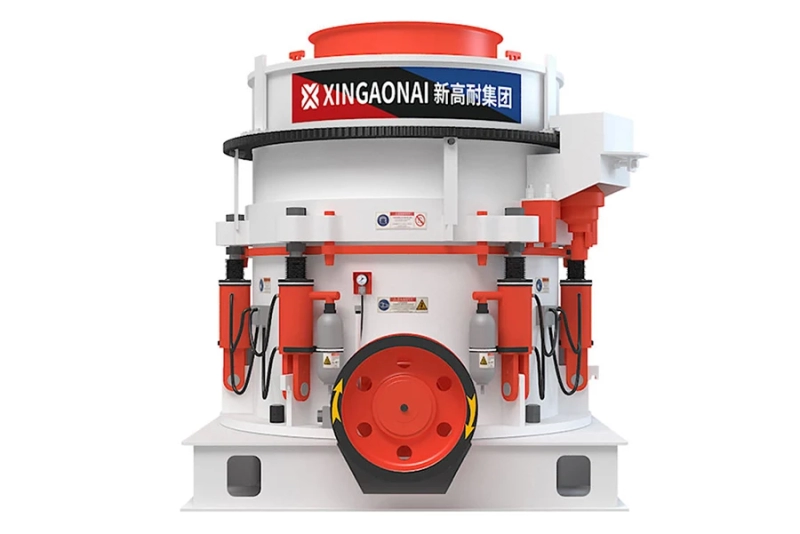
Typical feed size:
35–300 mm
Typical capacity:
50–1,200 TPH
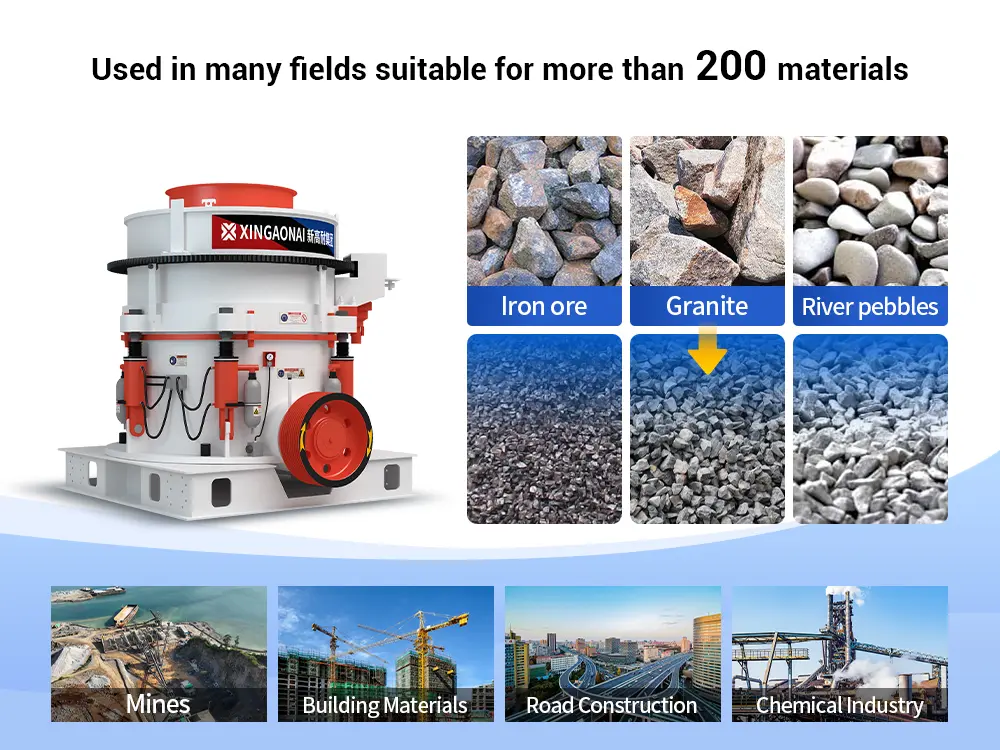
Cone crushers are widely used in:
Aggregate production
Mining plants
Railway ballast
Road construction
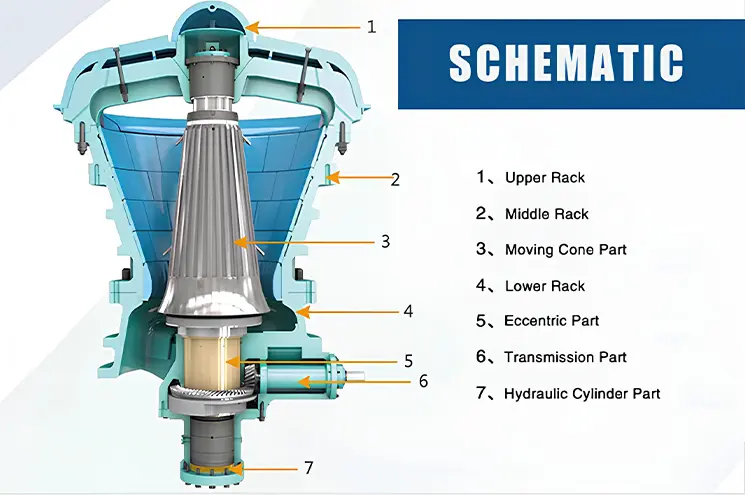
Gyratory Crusher Working Principle
A gyratory crusher operates through continuous compressive crushing.
The eccentric mechanism causes the mantle to gyrate inside the concave, creating a continuously changing crushing gap.
The crushing process follows these steps:
Large rocks enter the top of the crusher.
The gyrating mantle compresses the material against the concave.
The material fractures under compression.
Broken rock moves downward by gravity.
The crushed material exits from the bottom opening.
Since crushing occurs throughout the entire rotation, material is processed continuously, resulting in very high throughput.
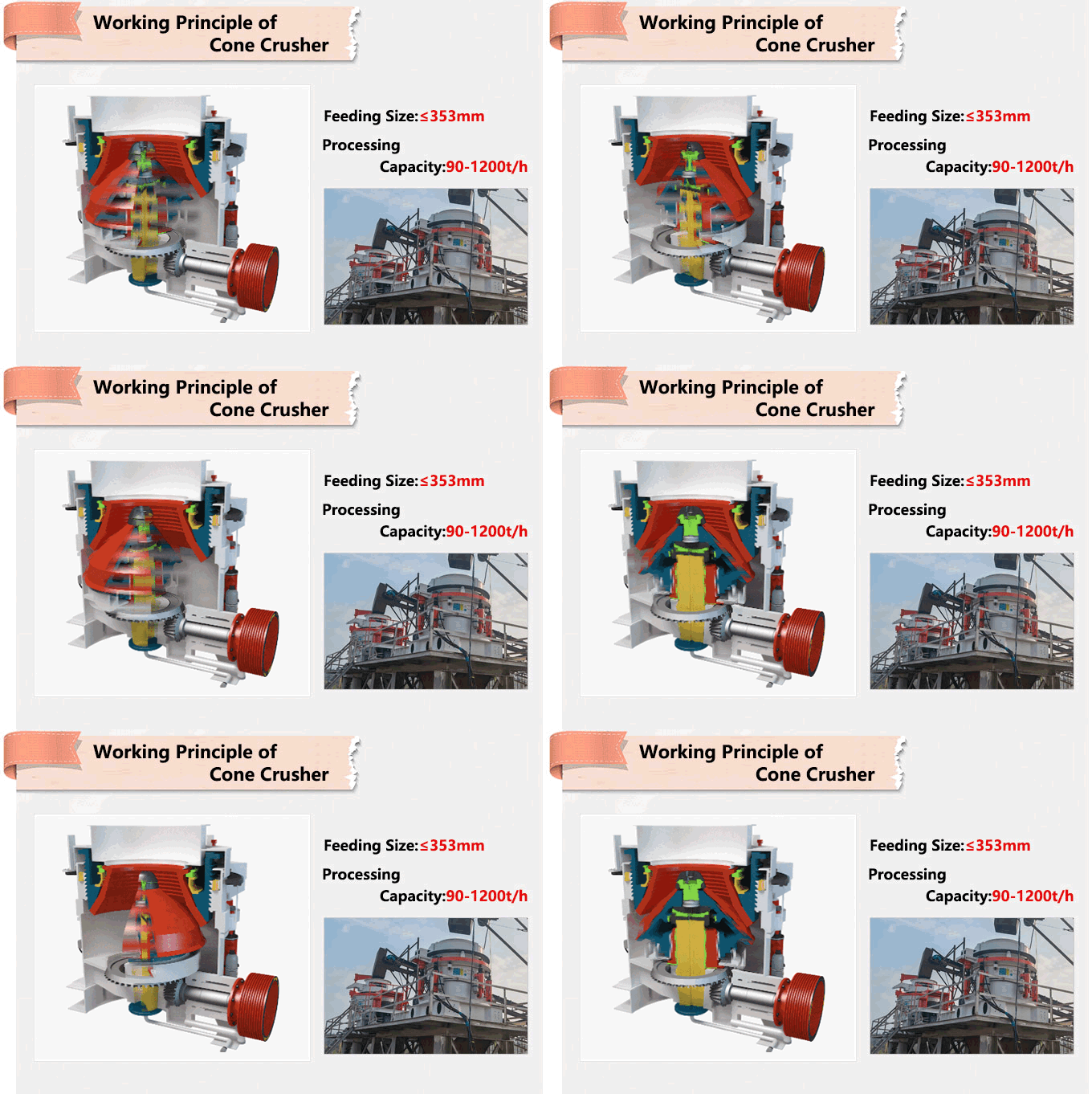
Cone Crusher Working Principle
A cone crusher also uses compression to reduce material size.
The mantle rotates eccentrically inside the concave, repeatedly compressing the material until it becomes small enough to pass through the discharge opening.
Unlike a gyratory crusher, a cone crusher processes already crushed material and focuses on producing well-shaped aggregates with precise particle sizes.
Because the crushing chamber is optimized for finer materials, cone crushers deliver excellent product shape and consistent gradation.
Difference Between Gyratory and Cone Crusher
Although the two machines appear similar, they differ significantly in design, capacity, and intended application.
| Feature | Gyratory Crusher | Cone Crusher |
|---|---|---|
| Crushing Stage | Primary | Secondary / Tertiary |
| Feed Size | Up to 1,500 mm | 35–300 mm |
| Capacity | 1,000–10,000 TPH | 50–1,200 TPH |
| Crushing Chamber | Deep and steep | Short and compact |
| Operation | Continuous crushing | Intermittent compression |
| Product Size | Coarse | Fine to medium |
| Installation | Usually underground or large stationary plants | Fixed and mobile plants |
| Initial Investment | High | Moderate |
| Maintenance | More complex | Easier |
| Best For | Large mines | Aggregate and mineral processing |
Feed Size Comparison
One of the biggest differences lies in feed size capability.
Gyratory Crusher
Can directly accept blasted rock from the mine without extensive pre-crushing.
Typical feed size:
800–1,500 mm
Cone Crusher
Requires material that has already been reduced by a primary crusher.
Typical feed size:
35–300 mm
For this reason, cone crushers are almost never used as primary crushers in large mining operations.
Capacity Comparison
If maximum production is the priority, gyratory crushers have a clear advantage.
Gyratory Crusher
Typical capacity:
1,000–10,000 TPH
Ideal for:
Large open-pit mines
Iron ore processing
Cone Crusher
Typical capacity:
50–1,200 TPH
Ideal for:
Aggregate production
Medium-sized quarries
Product Size Comparison
Gyratory Crusher
Produces coarse material suitable for secondary crushing.
Typical discharge size:
150–300 mm
Cone Crusher
Produces much finer aggregates.
Typical discharge size:
5–50 mm
Cone crushers also produce more consistent particle sizes, making them ideal for high-quality aggregate production.
Energy Consumption
Both machines are energy-efficient compression crushers.
However:
Gyratory crushers consume more total power because of their massive capacity.
Cone crushers generally require less installed power but consume more energy per ton if overloaded.
Selecting the correct machine size is essential for optimizing energy efficiency.
Maintenance Comparison
Gyratory Crusher
Maintenance often requires:
Liner replacement using heavy lifting equipment
More downtime
Specialized maintenance personnel
Cone Crusher
Maintenance is generally simpler.
Routine maintenance includes:
Replacing mantles and concaves
Checking lubrication systems
Adjusting the closed-side setting (CSS)
Because of their modular design, cone crushers are easier and faster to service.
Cost Comparison
Investment costs differ considerably.
| Item | Gyratory Crusher | Cone Crusher |
|---|---|---|
| Initial Investment | Very High | Moderate |
| Foundation Cost | High | Lower |
| Installation Time | Longer | Shorter |
| Operating Cost | Lower per ton in large plants | Lower for medium-capacity plants |
| Spare Parts | Expensive | More economical |
Although gyratory crushers require a higher initial investment, they often achieve a lower cost per ton in large-scale mining operations due to their exceptional throughput.
Applications Comparison
Gyratory Crusher Applications
Best suited for:
Iron ore mines
Copper mines
Gold mines
Large limestone quarries
Primary crushing stations
Cone Crusher Applications
Ideal for:
Aggregate production
Railway ballast
Road construction
Manufactured sand plants
Mineral processing plants
Many crushing plants use both machines in the same production line.
Can a Gyratory Crusher and Cone Crusher Work Together?
Yes. In large mining and aggregate operations, these machines often complement each other.
A typical crushing process is:
Gyratory Crusher – Primary crushing of large blasted rock.
Cone Crusher – Secondary crushing.
Cone Crusher – Tertiary crushing for finer aggregate.
VSI Sand Maker (Optional) – Final shaping and manufactured sand production.
This combination maximizes production efficiency while producing high-quality aggregates with consistent particle size.
How to Choose Between a Gyratory Crusher and a Cone Crusher
When selecting the right crusher, consider the following factors:
Choose a Gyratory Crusher If:
You need primary crushing.
Feed material exceeds 500 mm.
Production capacity is over 1,000 TPH.
You operate a large mining or quarry project.
Low cost per ton is a long-term priority.
Choose a Cone Crusher If:
Material has already been primary crushed.
You require medium or fine crushing.
High-quality aggregate shape is important.
Your production capacity is below 1,200 TPH.
You need a crusher suitable for stationary or mobile crushing plants.
Selecting the Right Crusher for Maximum Productivity
Understanding the difference between a gyratory and cone crusher is essential for designing an efficient crushing plant. While both machines rely on compressive crushing, they are engineered for different purposes. A gyratory crusher excels in primary crushing of large rocks with exceptionally high capacity, whereas a cone crusher is optimized for secondary and tertiary crushing, delivering finer particle sizes and superior product shape.
For most large-scale mining operations, a gyratory crusher followed by one or more cone crushers provides the most efficient solution. By selecting the appropriate crusher for each stage of the process, operators can improve productivity, reduce operating costs, and produce high-quality aggregates or mineral products.