A well-designed limestone crushing plant is the foundation of efficient aggregate production. Whether supplying raw materials for cement manufacturing, road construction, concrete production, or lime plants, the right process flow and equipment configuration can significantly improve productivity while reducing operating costs.
Designing a limestone crushing plant involves much more than selecting a crusher. Factors such as raw material characteristics, production capacity, final product size, plant layout, environmental requirements, and future expansion all influence the overall performance of the system.
This guide explains how to design a limestone crushing plant, covering process flow, equipment selection, plant layout considerations, and recommended equipment lists for different production capacities.
Understand the Characteristics of Limestone
Before designing a crushing plant, it is essential to evaluate the raw material.
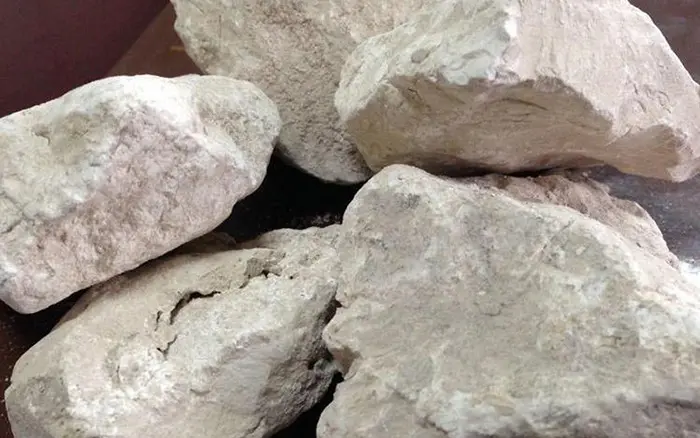
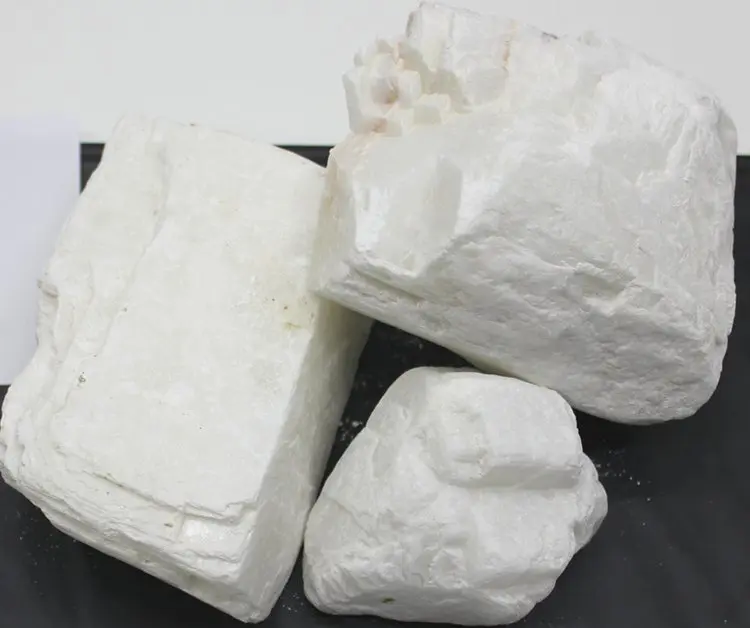
Typical limestone characteristics include:
Mohs hardness: 3–4
Low abrasiveness
Medium compressive strength
Easy to crush
Suitable for high-capacity aggregate production
Because limestone is softer than granite or basalt, impact crushers and hammer crushers are commonly used after primary crushing to produce well-shaped aggregates at relatively low operating costs.
Define the Production Requirements
A successful limestone crushing plant starts with clearly defined production goals.
Consider the following questions:
What is the hourly production capacity?
What is the maximum feed size?
What finished aggregate sizes are required?
Will manufactured sand be produced?
Is the plant fixed or mobile?
Are there environmental restrictions on dust and noise?
Answering these questions helps determine the appropriate equipment configuration.
Typical Limestone Crushing Process Flow
Most limestone crushing plants follow a multi-stage process to maximize efficiency and product quality.
Step 1: Raw Material Feeding
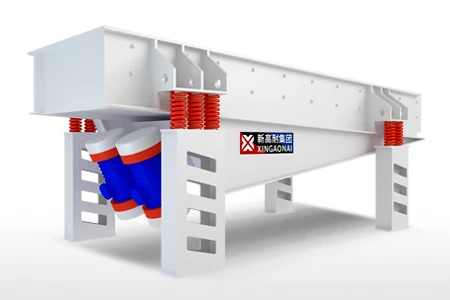
A vibrating feeder delivers limestone evenly to the primary crusher while removing fine materials before crushing.
Equipment:
Vibrating feeder
Hopper
Step 2: Primary Crushing
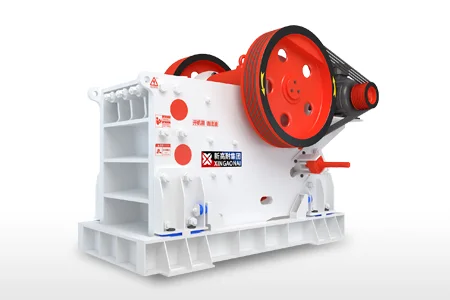
Large limestone blocks are reduced using a jaw crusher.
Recommended equipment:
Output size:
Approximately 100–250 mm
Step 3: Secondary Crushing
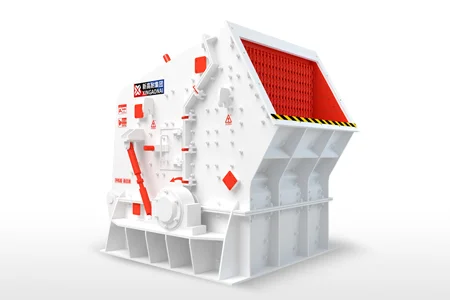
The secondary crusher further reduces material to the required aggregate size.
Recommended equipment:
Because limestone has low hardness, impact crushers produce better particle shape than cone crushers while maintaining lower investment costs.
Output size:
Approximately 20–50 mm
Step 4: Screening
A vibrating screen separates aggregates into different size fractions.
Typical products include:
0–5 mm
5–10 mm
10–20 mm
20–31.5 mm
Oversized material is automatically returned for further crushing through a closed-circuit system.
Step 5: Sand Making (Optional)
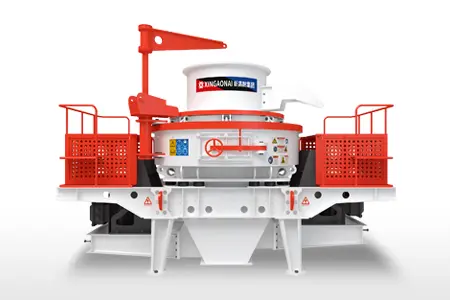
If manufactured sand is required, the screened material enters a sand-making machine.
Recommended equipment:
The final product offers excellent particle shape for concrete and mortar production.
Step 6: Stockpiling
Finished aggregates are conveyed to separate stockpiles according to size.
This improves storage efficiency and simplifies loading operations.
Recommended Equipment List
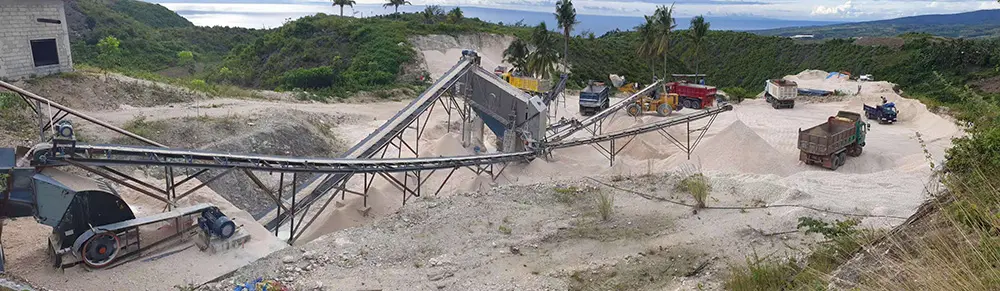
A typical limestone crushing plant includes the following equipment.
| Equipment | Function |
|---|---|
| Hopper | Raw material storage |
| Vibrating Feeder | Uniform material feeding |
| Jaw Crusher | Primary crushing |
| Impact Crusher or Hammer Crusher | Secondary crushing |
| Vibrating Screen | Material classification |
| Sand Making Machine (Optional) | Fine aggregate production |
| Belt Conveyors | Material transportation |
| Dust Collection System | Dust control |
| Electrical Control Cabinet | Plant automation |
The exact equipment list should be adjusted according to plant capacity and product specifications.
Plant Layout Considerations
An efficient plant layout improves production efficiency and reduces operating costs.
Material Flow
Arrange equipment to minimize material handling and unnecessary conveyor length.
Elevation Difference
Whenever possible, use gravity to reduce energy consumption.
Maintenance Access
Leave sufficient space around major equipment for maintenance and wear-part replacement.
Stockpile Arrangement
Separate finished products to avoid contamination and improve loading efficiency.
Future Expansion
Reserve additional space for future production upgrades.
Dust and Environmental Control
Modern crushing plants must comply with increasingly strict environmental regulations.
Recommended measures include:
Water spray systems
Dust collectors
Enclosed conveyors
Noise barriers
Covered transfer points
Proper environmental protection improves workplace safety and reduces maintenance requirements.
Limestone Crushing Plant Capacity Examples
Small Plant
Capacity:
50–100 TPH
Configuration:
Vibrating Feeder
Jaw Crusher
Hammer Crusher
Vibrating Screen
Suitable for:
Small quarries
Local aggregate suppliers
Medium Plant
Capacity:
150–300 TPH
Configuration:
Vibrating Feeder
Jaw Crusher
Impact Crusher
Vibrating Screen
Suitable for:
Commercial aggregate production
Concrete plants
Road construction projects
Large Plant
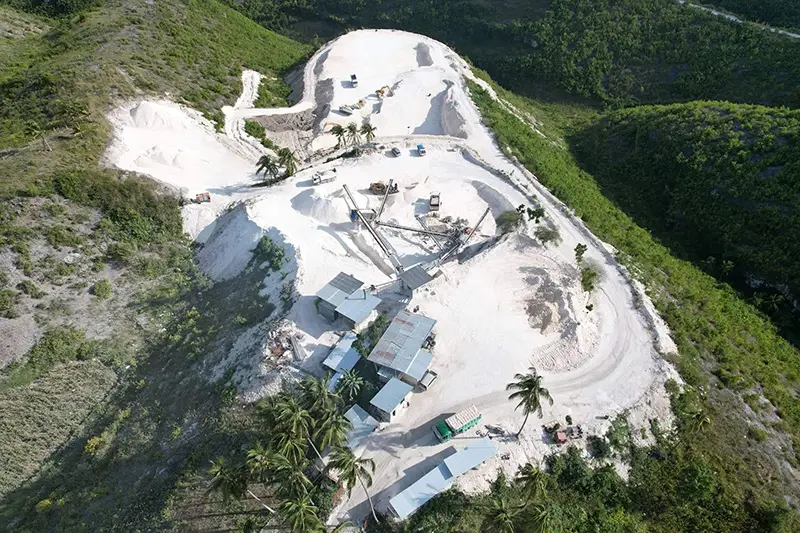
Capacity:
500–1000+ TPH
Configuration:
Heavy-Duty Vibrating Feeder
Large Jaw Crusher
Two-Stage Impact Crushing
Multiple Vibrating Screens
Automated Conveyor System
Central Control System
Suitable for:
Cement plants
Large mining operations
High-volume aggregate production
Mobile vs. Stationary Limestone Crushing Plant
| Feature | Mobile Plant | Stationary Plant |
|---|---|---|
| Installation | Fast | Permanent |
| Mobility | Excellent | None |
| Capacity | Medium | High |
| Civil Construction | Minimal | Required |
| Investment | Lower initial cost | Higher initial investment |
| Best Application | Temporary projects | Long-term production |
Mobile crushing plants are ideal for short-term quarry operations, while stationary plants offer greater capacity and lower operating costs over the long term.
Tips for Improving Plant Efficiency
To maximize productivity, consider the following recommendations:
Select crushers based on feed size and production goals.
Maintain a consistent feed rate using a vibrating feeder.
Use closed-circuit screening to reduce oversized material.
Inspect wear parts regularly.
Optimize conveyor layout to reduce material transfer.
Install automated control systems to improve operational stability.
Plan for future capacity expansion during the initial design stage.
Choosing the Right Limestone Crushing Plant Design
An efficient limestone crushing plant combines the right equipment, process flow, and plant layout to achieve high productivity and low operating costs. While jaw crushers are commonly used for primary crushing, impact crushers or hammer crushers provide excellent secondary crushing performance for limestone because of its relatively low hardness.
By carefully evaluating raw material characteristics, production requirements, environmental conditions, and future expansion plans, operators can build a crushing plant that delivers reliable performance, consistent product quality, and long-term profitability.