Limestone is a rock that people use every day. It is in cement, concrete, roads, and even glass. But most people do not know how limestone is mined. The process is very organized and uses heavy machines. This article will show you how limestone is mined, from the quarry to the final product. You will learn about the methods, machines, and steps involved.
What is Limestone?
Before we talk about how limestone is mined, let us first understand what limestone is.
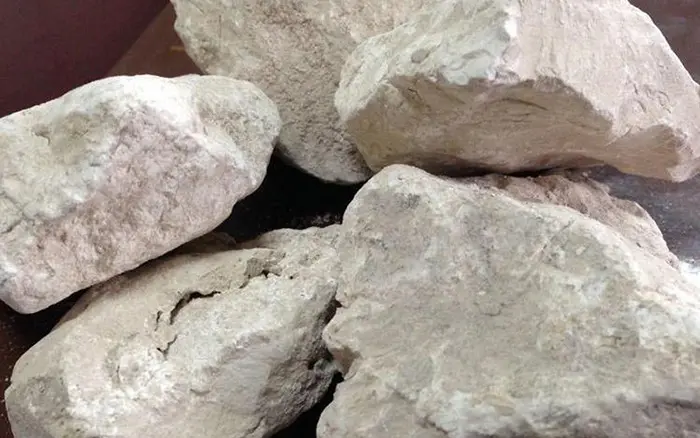
Limestone is a sedimentary rock. It is mostly made of calcite, which is a mineral with the chemical formula CaCO₃ (calcium carbonate). This rock usually forms in clear, calm, warm, shallow marine waters. It forms from the accumulation of shells, coral, algae, and other organic debris from sea creatures. Over millions of years, these remains get compressed into rock.
Limestone is found in many colors, including gray, white, yellow, and brown. It also reacts with hydrochloric acid. This is a simple test to identify it. About 10% to 15% of all sedimentary rocks are limestone.
Where is Limestone Found?
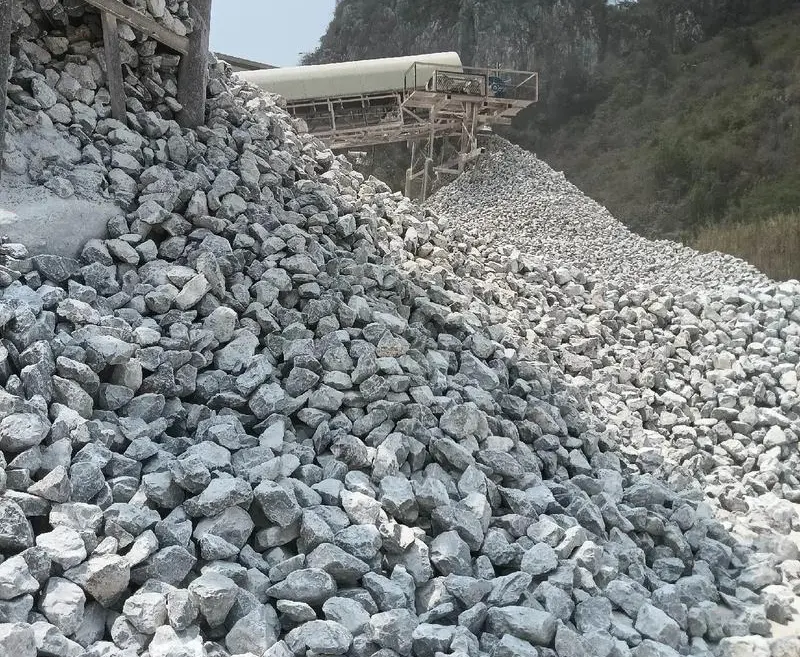
Limestone is found all over the world. Large deposits exist in the Carboniferous limestone belts of Europe and the Cretaceous deposits of North America. Asia and the Middle East have extensive limestone formations too. China holds vast reserves in Guangxi, Shandong, and Szechuan. India has large deposits in Rajasthan, Madhya Pradesh, and Gujarat. Africa also has extensive limestone deposits from the Precambrian and Paleozoic eras.
The purity of limestone varies by location. High-purity deposits are around 95% to 99% calcium carbonate. These are used for industrial applications. Impure limestone containing clay, silica, or dolomite is used for less demanding jobs.
Step-by-Step: How is Limestone Mined?
Now let us answer the main question: how is limestone mined? The process involves several key steps.
Step 1: Locating and Preparing the Site
The first step in how limestone is mined is finding a good deposit. Geologists study the land to find high-quality limestone. They check the rock's composition and depth. Once a good site is found, the land is prepared. Trees and topsoil are removed. This top layer is called overburden. For every ton of limestone extracted, around 950 kg of overburden may need to be removed in some locations.
Step 2: Drilling and Blasting
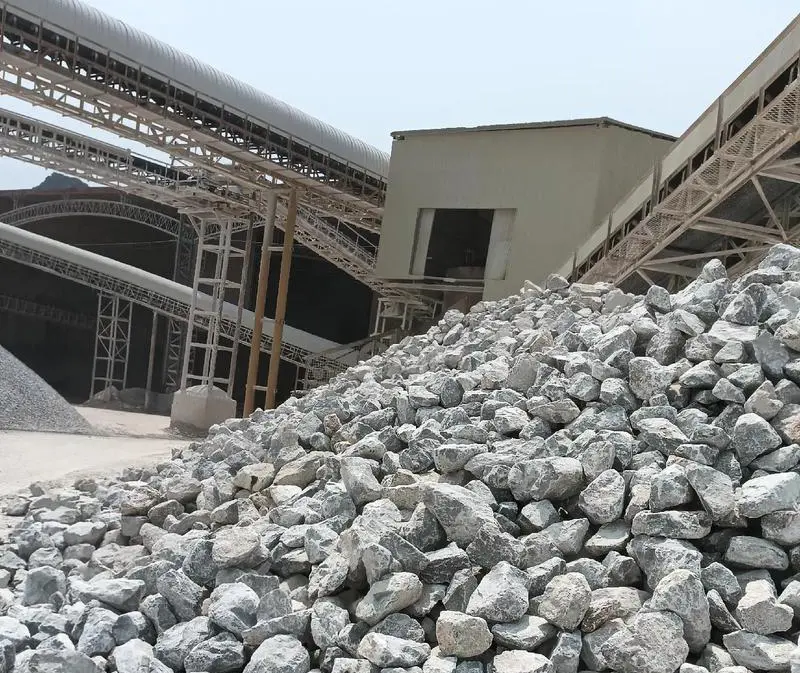
This is the main method used for how limestone is mined. Workers drill holes into the rock using rotary drills or down-the-hole (DTH) drills. The holes are spaced in a pattern. Then explosives like ANFO or dynamite are placed into the holes. The explosives are detonated in a controlled sequence. This breaks the limestone into smaller pieces. The blasts are timed in intervals of thousandths of a second to reduce vibrations in nearby areas. The blasted limestone pieces are usually about 80 cm to 1 meter in size.
Step 3: Loading and Hauling
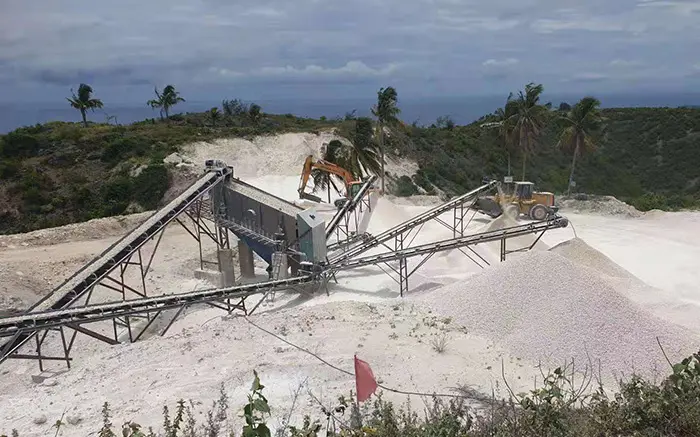
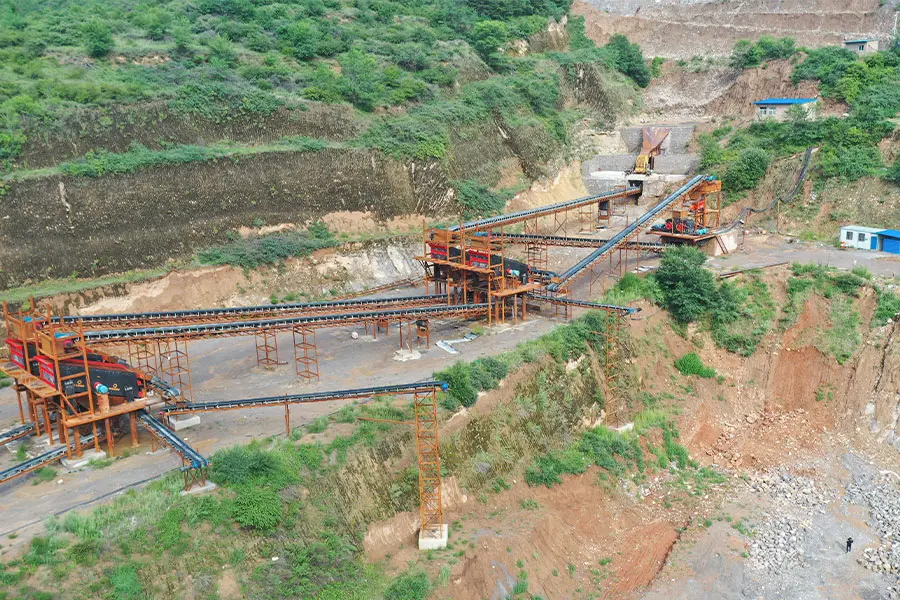
After blasting, the broken limestone is loaded onto trucks. Wheel loaders and hydraulic excavators scoop up the rock and fill dump trucks. These trucks transport the raw limestone to the crushing plant near the quarry.
Step 4: Crushing
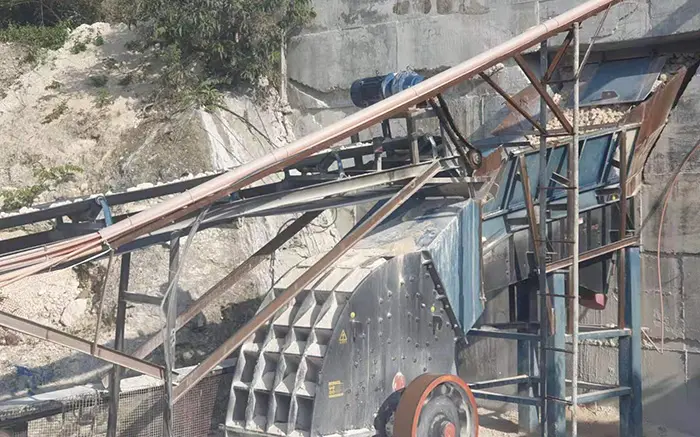
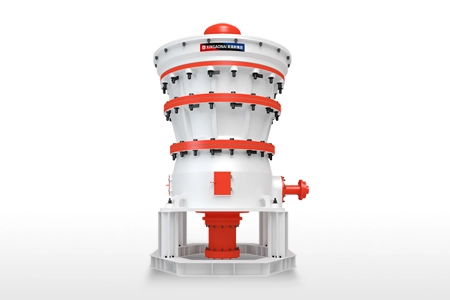
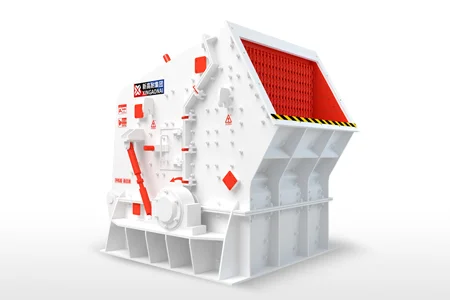
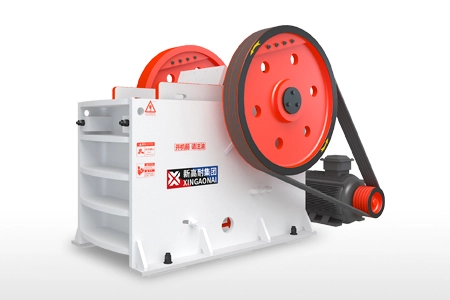
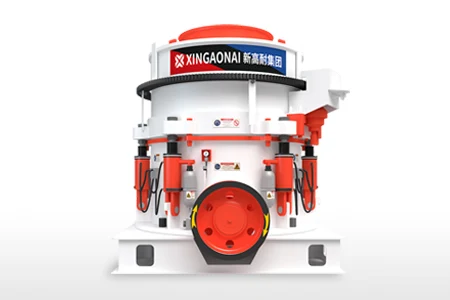
The first crushing step uses a primary crusher, usually a jaw crusher or gyratory crusher. This machine breaks large rocks into smaller pieces about 10 cm or less. After primary crushing, the limestone may go through secondary crushers like impact or cone crushers. This further reduces the size. Some operations use mobile crushers that work right at the quarry face.
Step 5: Screening
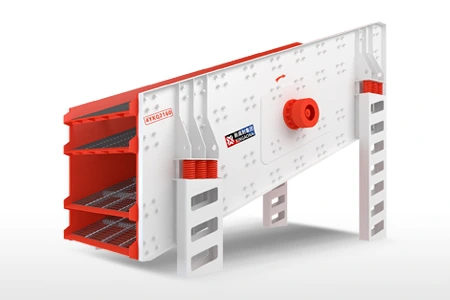
After crushing, the limestone goes through vibrating screens. The screens sort the crushed limestone into different size groups. These groups are called fractions. Each fraction serves a different purpose. Some rock is used for road base. Other sizes are processed into cement or lime. Rocks that are too big are returned to the crusher for another pass.
Step 6: Washing (Optional)
For some applications, the crushed limestone is washed. Washing removes clay, dust, and sand. This improves the purity of the final product. Clean stone is better for making glass or high-grade concrete.
Modern Method: Surface Mining Without Blasting
Not all operations use drilling and blasting. There is another way how limestone is mined called surface mining. This method uses large machines called surface miners. These machines have a rotating drum with picks that cut into the rock. They cut, crush, and load the material in a single pass. A surface miner can produce up to 1,500 tons of limestone per hour. For harder limestone with compressive strength of 110 MPa, a surface miner cuts about 400 tons per hour.
Surface mining has some big advantages. It separates limestone cleanly from waste rock like shale. This gives a purer product. It does not need explosives, so there is less noise and dust. It is also safer for workers. The machine loads directly into trucks, so fewer steps are involved.
Underground Mining of Limestone
Sometimes limestone is too deep to reach from the surface. In this case, how is limestone mined becomes a question of underground methods. Underground mining uses tunnels. Miners use continuous miners and Load-Haul-Dump (LHD) vehicles to extract the rock. Roof bolters are used to keep the mine ceiling stable. This method is used when surface deposits are gone or when very thick overburden makes open-pit mining too expensive.
Step 7: Grinding into Powder
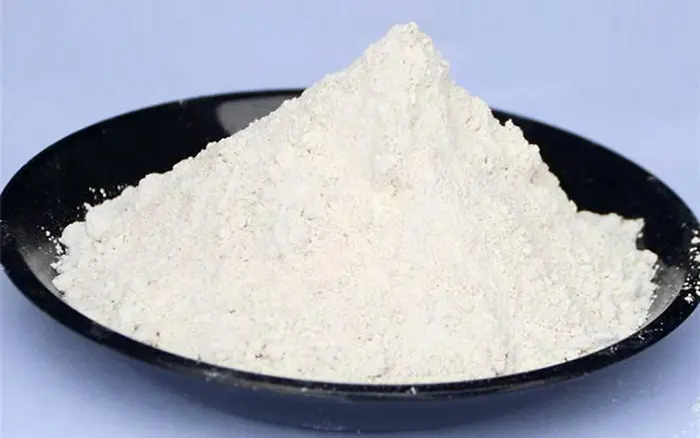
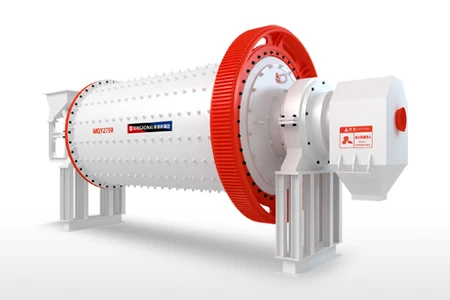
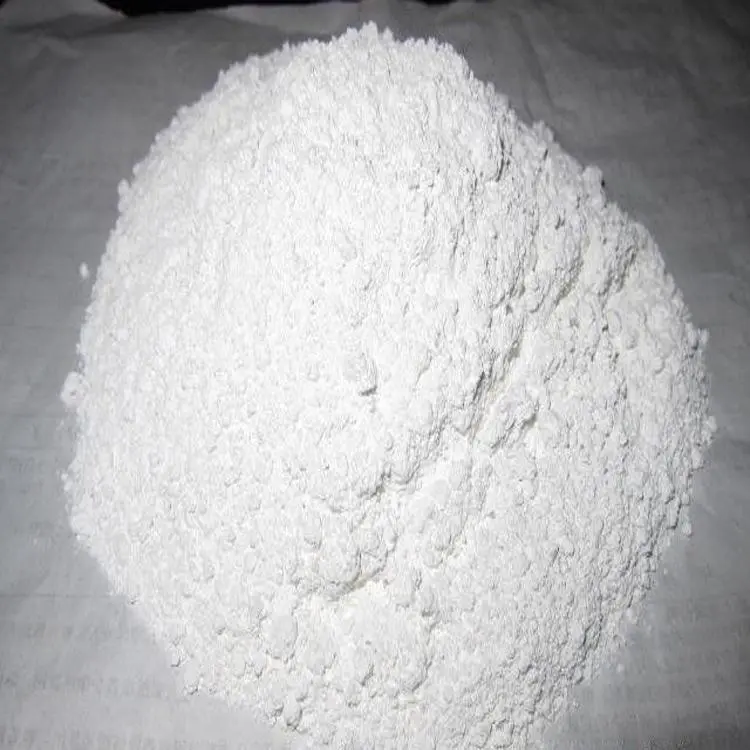
For some uses, limestone needs to be a fine powder. The crushed limestone goes into grinding mills like ball mills or roller mills. These machines grind the rock into a very fine powder. This limestone powder is used as a filler in paints, plastics, and other products.
Step 8: Calcination (Making Lime)
Sometimes the mined limestone goes through an extra step called calcination. The limestone is heated in a rotary kiln to temperatures up to 900–1,000°C. This process drives off carbon dioxide and turns limestone into quicklime (calcium oxide). Quicklime is used for steel making, water treatment, and other industrial processes. Two tons of kiln feed are usually needed to produce one ton of quicklime.
Main Equipment Used in Limestone Mining
When we look at how limestone is mined, we see many different machines. Here are the key ones:
Drilling equipment: Rotary drills and DTH drills for blast holes
Blasting supplies: Explosives and detonators to break rock
Loading equipment: Wheel loaders and hydraulic excavators
Haul trucks: Large dump trucks to move rock
Crushers: Jaw crushers for primary crushing, cone and impact crushers for secondary
Screens: Vibrating screens to sort rock by size
Surface miners: For non-blasting extraction
Grinding mills: Ball mills and roller mills for powder
Kilns: Rotary kilns for calcination
Environmental Impacts of Limestone Mining
Understanding how limestone is mined also means knowing its effects on the environment. Quarrying changes the landscape. It removes vegetation and topsoil. It can affect local water systems. Limestone mining in arid regions can lead to severe environmental pollution and ecological degradation.
However, many quarries plan for restoration. After mining is finished, companies use rehabilitation methods. They bring in new soil and plant native species. Some old quarries become lakes or parks. The goal is to return the land to a useful state.
New methods also help. Surface mining with Wirtgen machines has a smaller environmental footprint. It reduces CO₂ emissions and eliminates blasting. It gets permits more easily in sensitive areas.
Global Production of Limestone
Now that you know how limestone is mined, you might wonder where it happens. China is the world's largest limestone producer. The United States, India, and countries in Europe also produce large amounts. The global limestone industry is worth billions of dollars. Most mined limestone stays local because it is heavy and cheap to transport. It would cost more to move it far than the stone itself is worth. This local production helps keep building costs down in each region.
Summary
How is limestone mined? The process has several steps. First, workers drill holes and blast the rock. Next, they load and haul it to a crusher. Then they crush and screen it into different sizes. Sometimes they wash, grind, or heat it for special uses. There are two main methods: traditional drilling and blasting, and modern surface mining using cutters. Mining can be open-pit or underground. The industry works to reduce environmental harm through careful planning and restoration.
Limestone is a basic material that builds our world. Knowing how limestone is mined helps us understand where our roads, buildings, and many products come from. The next time you see a concrete building or a paved road, you will know that limestone mining made it possible.