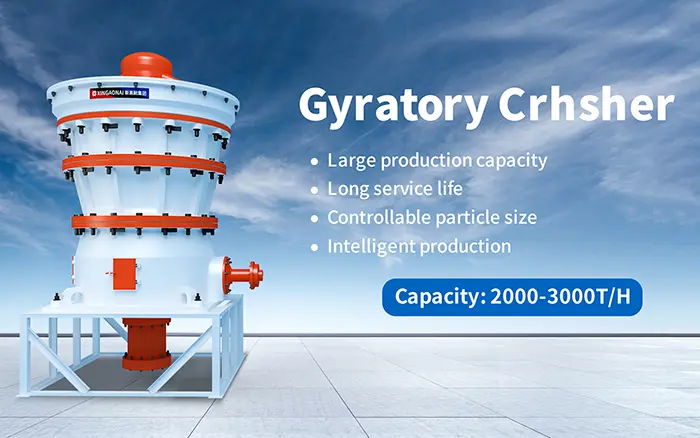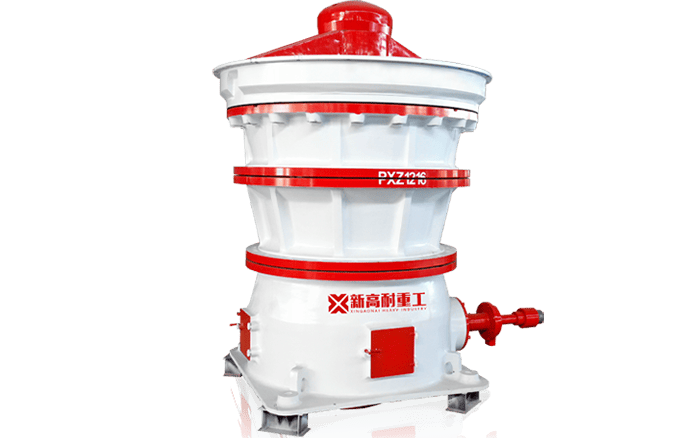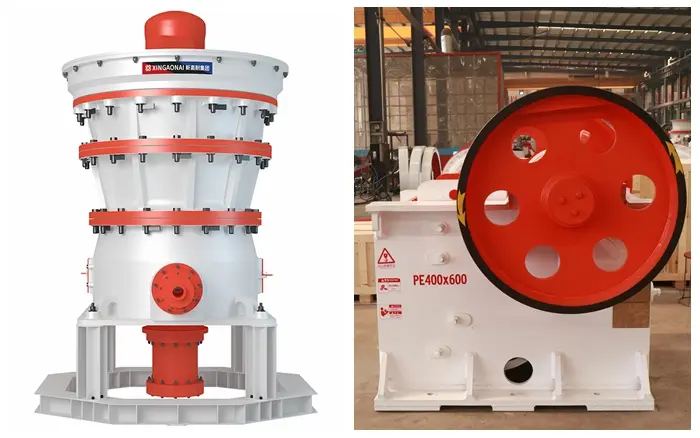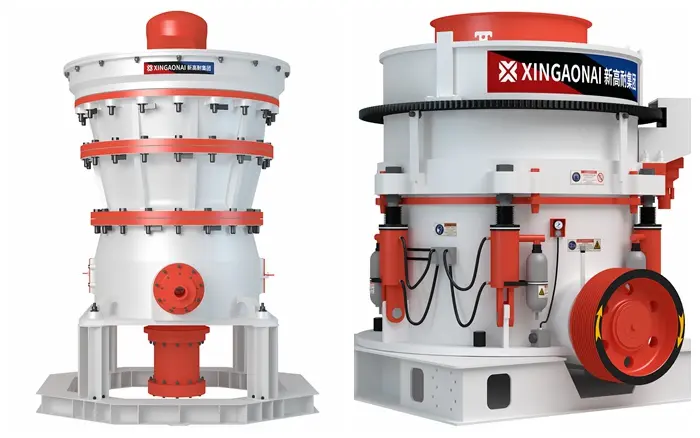
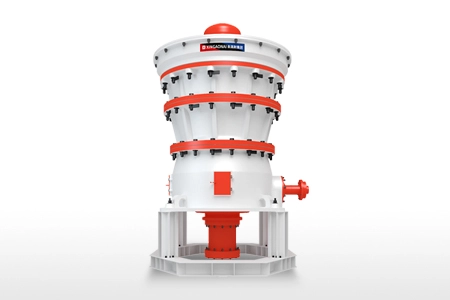
A primary gyratory crusher is designed for the first stage of size reduction in mines, hard-rock quarries and high-capacity aggregate plants. It receives run-of-mine ore or large blasted rock and reduces it to a size suitable for conveying, secondary crushing or grinding.
Compared with smaller primary crushers, a gyratory crusher is generally selected when a project requires continuous operation, a large feed opening and high hourly throughput. However, its higher equipment, installation and civil-construction costs mean that it is not the best choice for every crushing plant.
This article explains the main applications of primary gyratory crushers, the conditions in which they perform well and the information required for correct equipment selection.
What Is a Primary Gyratory Crusher?
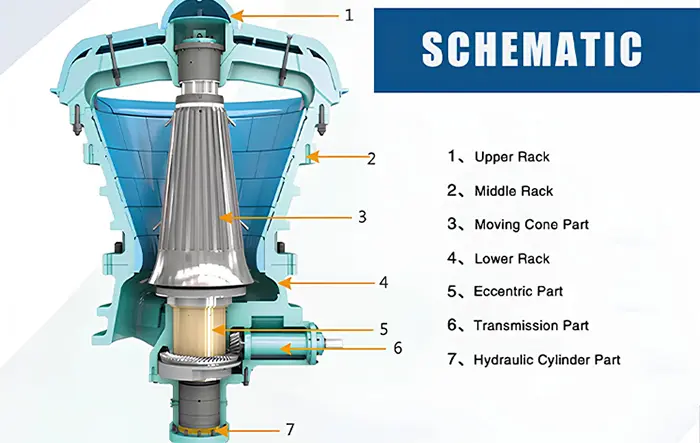
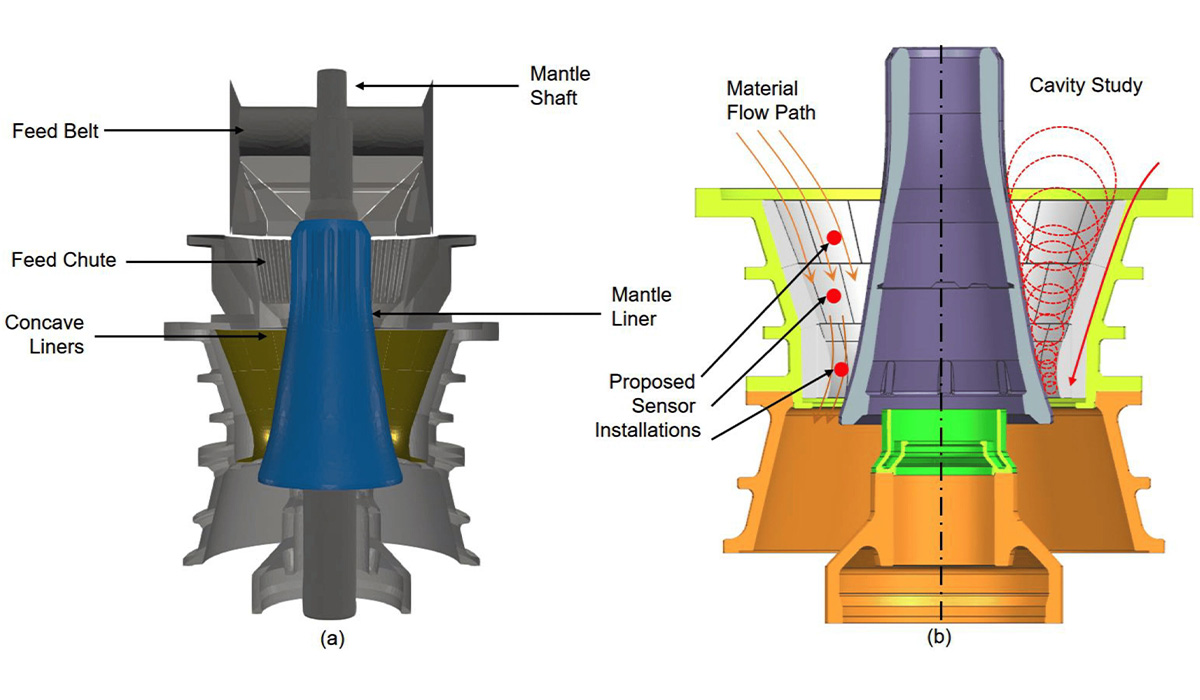
A primary gyratory crusher is a compression crusher in which a moving mantle gyrates inside a stationary concave crushing chamber. Material is compressed as the mantle approaches the concaves and moves downward when the crushing gap opens.
Because crushing and discharge occur continuously around different sections of the chamber, the machine can provide a stable material flow in suitable high-capacity applications.
For a detailed explanation of the crushing process, see how a gyratory crusher works. The main frame, spider, main shaft, eccentric assembly, mantle and concaves are covered in the guide to gyratory crusher construction and components.
Main Applications of Primary Gyratory Crushers
1. Open-Pit Mining
Large open-pit mines are among the most common applications for primary gyratory crushers. Mine trucks or feeding equipment deliver run-of-mine material to a dump pocket above the crushing station.
Typical materials include:
Iron ore
Copper ore
Gold ore
Molybdenum ore
Nickel ore
Manganese ore
The crusher reduces large blasted material before it enters the conveying, stockpiling, secondary crushing or grinding circuit.
A gyratory crusher is particularly suitable when the mine requires:
High continuous production
Large feed acceptance
Stable downstream material flow
Long daily operating hours
A permanent primary-crushing station
The complete station may also include a rock breaker, apron feeder, metal detector, discharge conveyor, dust-control system and maintenance crane.
2. Underground Mining
Primary gyratory crushers can also be installed in underground mines where large volumes of ore must be reduced before shaft hoisting or conveyor transport.
An underground installation requires careful consideration of:
Excavation dimensions
Equipment transportation and assembly
Foundation and structural loads
Ventilation and dust extraction
Maintenance and lifting space
Discharge-conveyor arrangement
Access for liner replacement
The crusher must be selected as part of the complete underground material-handling system rather than as an independent machine.
3. Iron Ore and Copper Ore Processing Plants
Iron and copper operations often require continuous primary crushing before secondary cone crushing, high-pressure grinding or milling.
A primary gyratory crusher can provide relatively stable feed to downstream equipment when:
Feed is distributed evenly
The crushing chamber is correctly selected
The closed-side setting is properly maintained
Oversized and uncrushable material is controlled
The discharge system is adequately sized
Material hardness, abrasiveness and silica content must be evaluated because they directly affect mantle and concave wear.
4. Gold and Other Hard-Rock Mines
Gold, molybdenum and other hard-rock operations may use a gyratory crusher when the required capacity and annual production justify a large fixed primary-crushing station.
Equipment selection should consider more than compressive strength. Important material characteristics include:
Abrasiveness
Silica content
Bulk density
Moisture
Clay content
Maximum lump size
Feed-size distribution
Material testing is recommended when the ore contains highly abrasive minerals, sticky clay or considerable moisture.
5. Large Hard-Rock Quarries
Primary gyratory crushers can be used in large aggregate quarries processing granite, basalt, quartzite and other hard rock.
A typical process may include:
Primary gyratory crushing
Secondary cone crushing
Tertiary crushing or shaping
Screening
Product stockpiling
The primary crusher must produce material that can be accepted by the downstream cone crusher and conveying system.
For more information about the functions of these two machines, see gyratory crusher vs cone crusher.
6. High-Capacity Aggregate Plants
Some large infrastructure and commercial aggregate projects require continuous production of high volumes of crushed stone. A primary gyratory crusher may be suitable when the plant has:
High annual production requirements
A long operating life
Stable feed supply
Permanent installation conditions
Sufficient civil-construction investment
Proper secondary and screening capacity
For smaller or more flexible aggregate projects, a jaw crusher may offer a simpler and more economical primary-crushing solution.
Why Use a Gyratory Crusher for Large-Scale Primary Crushing?
Continuous Crushing
The mantle moves continuously inside the crushing chamber. Material is compressed and discharged at the same time in different areas of the chamber, producing a relatively stable output flow.
Large Feed Acceptance
Large feed-opening options allow suitable models to accept run-of-mine ore and blasted rock. However, the feed-opening dimension is not the same as the maximum allowable feed size.
Oversized boulders can still cause bridging or unstable feeding. A rock breaker or suitable feed-control system may therefore be required.
High Capacity in Suitable Applications
Primary gyratory crushers are designed for high-throughput operations. Their economic advantage is most apparent when the plant can consistently use the available capacity.
A large gyratory crusher is not automatically more economical if:
Feed supply is intermittent
Required production is relatively low
Downstream equipment limits the plant capacity
The project has a short operating life
Civil construction is excessively expensive
Stable Downstream Feed
Continuous discharge can help provide stable material flow to conveyors, surge storage and secondary crushers. This can reduce sudden load changes in the downstream process.
The actual stability still depends on the discharge arrangement, conveyor capacity and material-handling design.
When Should You Choose a Primary Gyratory Crusher?
A primary gyratory crusher should be considered when:
The plant requires high continuous throughput
The feed contains large run-of-mine material
The project has a long operating life
A permanent crushing station is planned
Stable downstream feed is important
Sufficient installation and maintenance space is available
The production volume can justify the investment
Final selection should be based on lifecycle cost rather than equipment price alone.
Lifecycle evaluation should include:
Crusher purchase cost
Civil construction
Installation
Energy consumption
Liner consumption
Maintenance labour
Spare parts
Planned downtime
Expected annual production
When Is a Jaw Crusher a Better Choice?
A jaw crusher may be more suitable when:
Required capacity is lower
The project has a limited initial budget
Installation must be simple
The crusher needs to be mobile or relocated
Feed conditions change frequently
The project has a relatively short operating life
Maintenance resources are limited
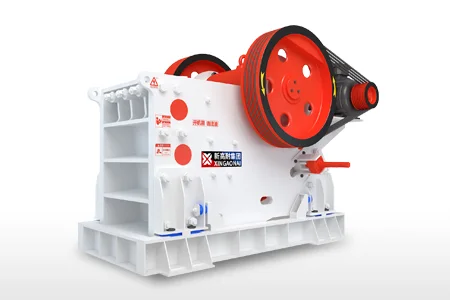
A jaw crusher and a gyratory crusher can both perform primary crushing, but they suit different plant scales and operating conditions.
The detailed comparison is available in jaw crusher vs gyratory crusher.
Typical Primary Gyratory Crushing Process
A large primary-crushing station may use the following process:
Depending on the project, the system may also include:
Rock breaker
Apron feeder
Grizzly
Metal detector
Belt scale
Dust collector
Lubrication station
Oil cooling system
Condition-monitoring equipment
The primary crusher and auxiliary equipment must be sized as one integrated system.
How to Select the Correct Gyratory Crusher
Before selecting a model, provide the equipment manufacturer with:
Material type
Maximum feed size
Feed-size distribution
Required capacity
Required discharge size
Bulk density
Compressive strength
Abrasiveness and silica content
Moisture and clay content
Daily operating hours
Upstream feeding method
Downstream crusher specifications
Project location and elevation
Available power supply
The manufacturer should then confirm:
Feed-opening size
Maximum permitted feed size
Crushing-chamber configuration
Closed-side setting
Eccentric throw
Motor power
Expected capacity
Auxiliary equipment
Foundation and installation requirements
Nominal capacity alone is not sufficient for model selection.
Operating Conditions That Affect Performance
Actual gyratory crusher performance depends on several connected factors.
Feed Distribution
Material should be distributed evenly around the crushing chamber. Continuous one-sided feeding can produce uneven liner wear and reduce chamber efficiency.
Closed-Side Setting
The CSS affects product size, capacity and crushing load. An excessively small setting can reduce capacity and increase liner wear.
Material Properties
Hardness, abrasiveness, moisture, clay content and bulk density affect capacity, power consumption and wear-part life.
Liner Condition
Worn mantle and concaves change the chamber profile. This can reduce capacity, increase product size and create uneven crushing loads.
Detailed inspection and replacement information is available in the gyratory crusher wear parts guide.
Lubrication and Cooling
Stable oil pressure, oil temperature and flow are essential for protecting the eccentric bushing, bearings and other moving components.
A planned gyratory crusher maintenance program helps identify abnormal temperature, vibration, pressure and wear before they cause an unplanned shutdown.
X Series Primary Gyratory Crusher
The X Series Primary Gyratory Crusher is designed for continuous primary crushing in large mines and hard-rock quarries.
Available models cover nominal capacities from approximately 310 to 3,200 tph. The final capacity and maximum feed size depend on the selected model, feed gradation, crushing chamber, CSS, material properties and operating conditions.
For equipment selection, provide XINGAONAI with the material characteristics, maximum feed size, required capacity, target discharge size and project layout.
Conclusion
A primary gyratory crusher is best suited to large, long-life mining and quarrying projects that require continuous, high-capacity primary crushing. Its large feed opening and continuous crushing action can provide stable production, but the equipment requires substantial civil construction, auxiliary systems and maintenance planning.
For projects with lower capacities, shorter operating periods or mobile requirements, a jaw crusher may provide a more economical solution.
The final decision should be based on feed characteristics, required capacity, downstream process requirements and total lifecycle cost—not nominal crusher capacity alone.