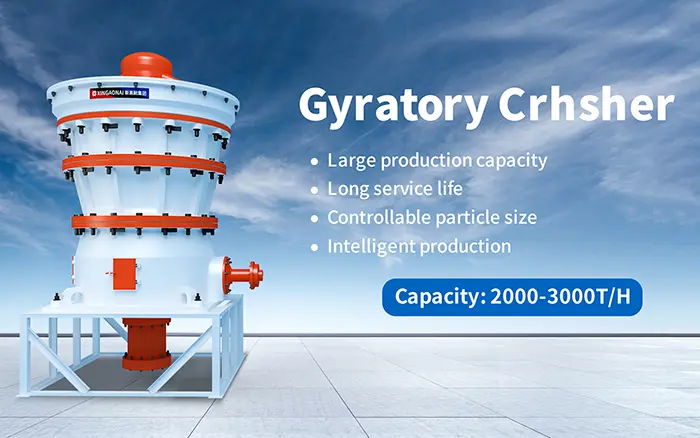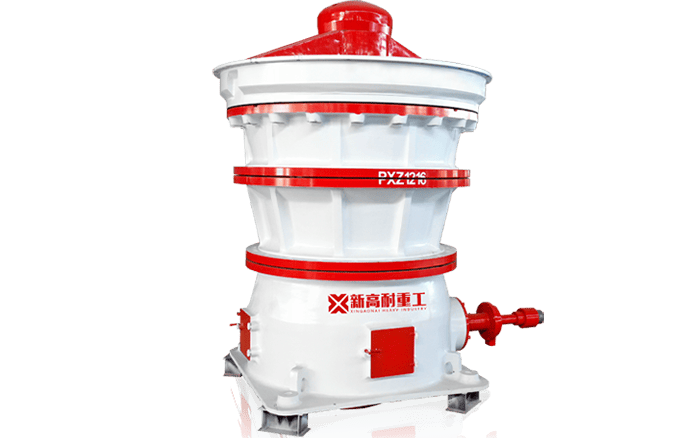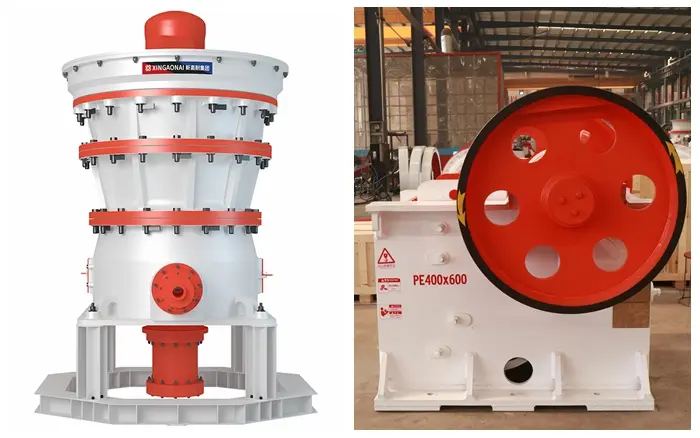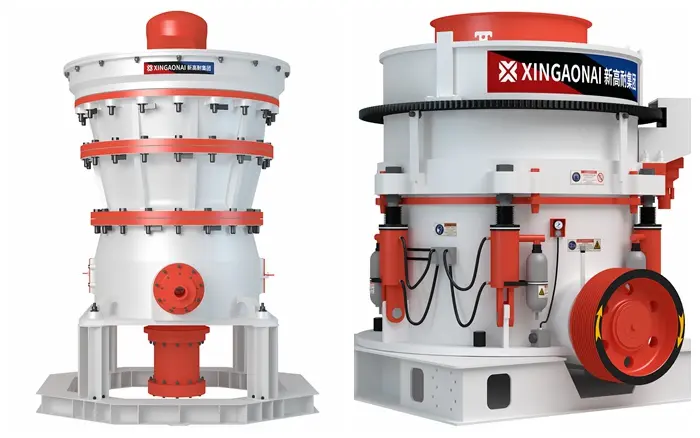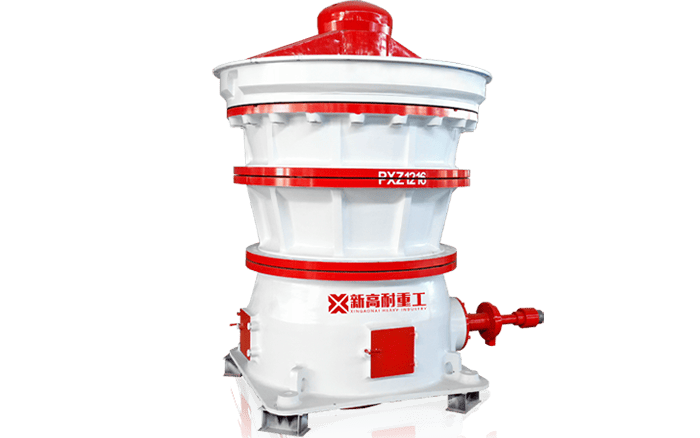
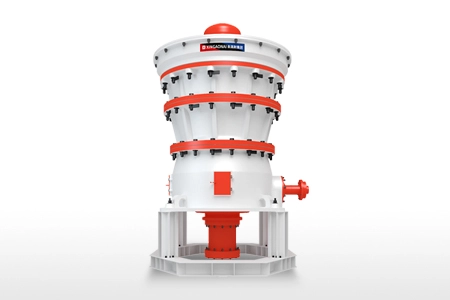
A structured gyratory crusher maintenance program helps reduce unplanned shutdowns, stabilize product size and protect critical components such as the main shaft, eccentric bushing, spider bearing, mantle and concaves.
Effective maintenance should combine routine inspections, operating-data monitoring and planned shutdown work. Maintenance intervals cannot be determined by operating hours alone because material abrasiveness, feed distribution, CSS, throughput and environmental conditions all affect component wear.
This guide provides a practical maintenance schedule for primary gyratory crushers. Always follow the equipment manual, site procedures and applicable safety requirements when performing inspection or maintenance work.
Gyratory Crusher Maintenance Checklist
| Frequency | Main checks |
|---|---|
| Before every shift | Oil level, leaks, loose parts, chamber condition and safety devices |
| During every shift | Oil pressure, oil temperature, motor load, vibration, noise and feed distribution |
| Daily | Lubrication system, hydraulic system, discharge area and visible liner condition |
| Weekly | Filters, hoses, drive components, fasteners, spider area and wear patterns |
| Monthly | Oil condition, alignment, CSS, liner measurements and structural inspection |
| Planned shutdown | Mantle, concaves, eccentric assembly, bearings, seals and internal liners |
The exact frequency should be adjusted according to operating hours, material abrasiveness and the manufacturer’s recommendations.
Pre-Start Inspection
Before starting the crusher, operators should confirm that the equipment and surrounding systems are ready for operation.
Check the following:
No personnel, tools or foreign objects are inside the crushing chamber.
The discharge conveyor and downstream equipment are available.
The crusher discharge area is clear.
Lubrication-oil level is within the specified range.
Hydraulic-oil level is correct.
There are no visible oil leaks.
Cooling water or oil-cooling equipment is available.
Guards, access doors and safety devices are secured.
Metal-detection and removal equipment is operational.
The crushing chamber does not contain excessive material from the previous shutdown.
Alarms and interlocks show normal status.
The lubrication system should normally start before the crusher. Confirm the required oil pressure and flow before starting the main motor.
Daily Maintenance Checks
Lubrication System
The lubrication system protects the eccentric bushing, bearings, gears and other moving components. Poor lubrication can quickly result in overheating, abnormal wear or major mechanical damage.
Operators should monitor:
Oil pressure
Oil temperature
Oil flow
Oil level
Filter condition
Cooler performance
Pump operation
Leakage from pipes and connections
A sudden change in pressure or temperature should be investigated before continuous operation resumes.
Do not simply add fresh oil when the system shows abnormal contamination. Determine whether the problem is caused by water, dust, metal particles, seal damage or component wear.
Hydraulic System
Inspect:
Hydraulic pressure
Oil level
Hoses and fittings
Cylinder condition
Accumulator pressure, where fitted
Visible leakage
CSS-adjustment response
Unstable hydraulic pressure may indicate leakage, contamination, a faulty valve or another system problem.
Motor Load and Power Draw
Monitor the crusher motor load during operation. Unusual increases or fluctuations may be caused by:
Oversized feed
Uneven feeding
Excessively small CSS
Sticky material
Tramp metal
Discharge blockage
Worn or incorrectly selected liners
Motor load should be evaluated together with capacity, vibration and product-size changes.
Noise and Vibration
Operators should become familiar with the crusher’s normal operating sound and vibration level.
Investigate:
New metallic knocking
Repeated impact sounds
Grinding noises
Sudden vibration increases
Irregular vibration
Movement at the foundation or supporting structure
Abnormal vibration can result from uneven feeding, loose components, liner movement, bearing problems or material buildup.
Feed Distribution
Material should be fed continuously and distributed as evenly as practical around the crushing chamber.
One-sided feed can cause:
Uneven mantle and concave wear
Reduced capacity
Unstable product size
Unbalanced crushing loads
Shorter liner life
Inspect the feed chute, dump pocket and upstream feeding equipment if uneven chamber loading is observed.
Weekly Maintenance Checks
Weekly maintenance should include a more detailed inspection of accessible components.
Check Fasteners and Connections
Inspect accessible bolts, clamps, supports and pipe connections. Pay particular attention to:
Spider assembly
Drive system
Lubrication pipes
Hydraulic pipes
Guards
Access platforms
Chutes and liners
Loose components should be corrected according to the specified tightening procedure and torque requirements.
Inspect Filters and Oil Condition
Check filter indicators and inspect the oil for:
Metal particles
Dust
Water
Discoloration
Unusual odour
Excessive foam
Filter replacement and oil sampling should follow the manufacturer’s maintenance schedule and actual contamination condition.
Inspect Drive Components
Depending on the crusher design, inspect:
Motor coupling
Drive shaft
Pinion and gear
Guards
Bearings
Alignment
Lubrication points
Temperature, noise or wear changes may indicate poor alignment, insufficient lubrication or component damage.
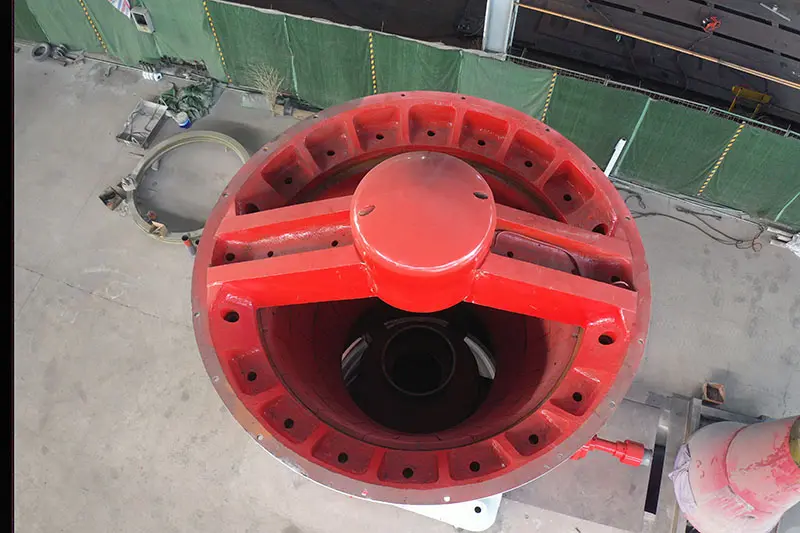
Inspect the Spider Area
Check the spider cap, spider-arm liners and visible spider-bearing area for:
Loose fasteners
Cracks
Excessive wear
Material buildup
Lubrication leakage
Abnormal movement
The spider assembly guides the upper end of the main shaft, so changes in this area should be investigated promptly.
Monthly Maintenance Checks
Measure the Closed-Side Setting
The closed-side setting affects capacity, product size, crushing load and liner wear.
Verify the CSS using the approved measurement procedure. Compare the result with:
Target product size
Current production capacity
Motor load
Liner condition
Downstream crusher requirements
Use the hydraulic adjustment system to compensate for wear, but keep the setting within the permitted model range.
Measure Mantle and Concave Wear
Do not judge liner condition by operating hours alone. Record liner thickness and wear profile at consistent measurement points.
Look for:
Uneven circumferential wear
Localized deep wear
Cracks
Loose concave segments
Deformation
Chamber-profile changes
Detailed information is available in the gyratory crusher wear parts guide.
Inspect Seals and Contamination Control
Damaged seals can allow dust or moisture to enter the lubrication system. Inspect dust seals, covers, breathers and related components.
Oil analysis can help identify:
Water contamination
Dust entry
Bearing wear
Bushing wear
Abnormal metal content
Review Operating Records
Compare current data with previous operating periods:
Throughput
Power draw
Oil temperature
Oil pressure
Vibration
CSS
Product size
Liner measurements
Alarm history
Trends are often more useful than a single reading. A gradual increase in temperature or power may reveal a developing problem before failure occurs.
Planned Shutdown Inspection
A planned shutdown allows internal components to be inspected safely and thoroughly.
Before any work begins:
Stop the upstream feeder.
Allow the crushing chamber to empty where possible.
Stop the crusher according to the operating procedure.
Isolate electrical, hydraulic, pneumatic and stored energy.
Apply lockout/tagout.
Verify zero-energy status.
Secure suspended or movable components.
Follow confined-space procedures where applicable.
Never enter or work inside the crusher based only on the control panel showing a stopped condition.
Mantle and Concaves
Inspect for:
Excessive wear
Cracking
Loose sections
Uneven wear patterns
Changes in chamber profile
Damaged backing material
Replacement should be based on measured wear and the manufacturer’s allowable limits, not a universal tonnage or operating-hour figure.
Main Shaft
Inspect accessible main-shaft surfaces for:
Scoring
Cracks
Abnormal wear
Heat discoloration
Lubrication problems
Movement outside permitted tolerances
Any suspected cracking should be evaluated using the appropriate inspection method.
Eccentric Assembly and Bushings
Inspect the eccentric assembly for:
Bushing wear
Scoring
Excessive clearance
Lubrication contamination
Heat damage
Abnormal contact patterns
The eccentric assembly produces the gyrating motion and operates under high load. Oil-analysis results should be reviewed together with physical inspection findings.
Spider Bearing
Check:
Bearing clearance
Lubrication condition
Wear
Seals
Contact surfaces
Abnormal movement
Improper feed distribution and lubrication problems can accelerate spider-bearing wear.
Internal Protective Liners
Inspect the spider-arm liners, bottom-shell liners and other protective components. Replace damaged liners before the underlying structural parts are exposed to direct material impact.
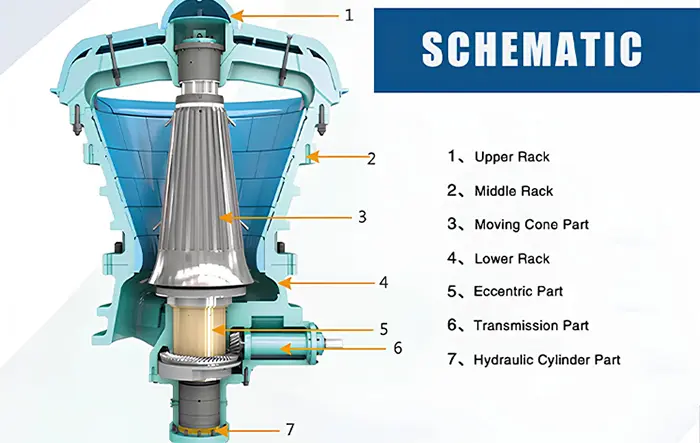
For a detailed overview of these components, see gyratory crusher construction and main parts.
Common Warning Signs and Possible Causes
| Warning sign | Possible causes | Recommended checks |
|---|---|---|
| High oil temperature | Restricted flow, dirty cooler, low oil level or component friction | Check oil level, cooler, filters and bearings |
| Low oil pressure | Pump problem, leakage, blocked filter or incorrect oil | Check pumps, pipes, filters and oil specification |
| High motor load | Oversized feed, small CSS, blockage or hard feed | Check feed size, CSS and discharge area |
| Unstable power draw | Uneven feeding, segregation or sticky material | Inspect feed distribution and chamber condition |
| Abnormal vibration | Loose parts, uneven feed, worn liners or bearing problems | Inspect feed, fasteners, liners and bearings |
| Coarser product | CSS change, liner wear or chamber-profile deterioration | Measure CSS and liner wear |
| Reduced capacity | Bridging, sticky feed, worn liners or downstream restriction | Inspect feed opening, chamber and discharge system |
| Uneven liner wear | One-sided feeding or incorrect chamber loading | Correct feed distribution and chute arrangement |
| Metal particles in oil | Bushing, bearing or gear wear | Stop and inspect according to the maintenance procedure |
These are possible causes rather than final diagnoses. Several faults may produce similar symptoms.
Mantle and Concave Replacement
Mantle and concave life varies according to:
Material hardness
Abrasiveness
Silica content
Feed gradation
Feed distribution
CSS
Throughput
Chamber profile
Liner material
Operating practices
Replacement may be required when:
Wear reaches the manufacturer’s limit
Product size cannot be maintained
Capacity declines significantly
Motor load becomes unstable
The chamber profile is no longer efficient
Cracks or loose concave segments are found
Protective structural surfaces may become exposed
Always use the approved lifting tools, replacement sequence and backing-material procedure.
How to Reduce Gyratory Crusher Wear
The following operating practices can help extend component life:
Maintain continuous and evenly distributed feed.
Prevent oversized material from entering.
Remove tramp metal before crushing.
Keep the CSS within the approved range.
Avoid prolonged operation with worn liners.
Select the correct chamber profile.
Maintain clean oil at the correct temperature and pressure.
Keep chutes and the discharge area clear.
Record liner measurements at consistent locations.
Investigate changes in vibration, power and oil condition promptly.
Wear cannot be eliminated, but it can be made more predictable through correct selection and controlled operation.
Recommended Maintenance Records
A maintenance log should record:
Date and operating hours
Oil pressure and temperature
Hydraulic pressure
Motor load
Vibration readings
CSS
Throughput
Product size
Mantle and concave measurements
Oil-analysis results
Alarm events
Parts replaced
Corrective actions
Name of the responsible operator or technician
Consistent records make it easier to plan shutdowns, order spare parts and identify abnormal trends.
Maintenance and Model Selection
Maintenance requirements begin with equipment selection. A crusher that is too small, uses the wrong chamber or operates continuously outside its recommended range may experience excessive wear and repeated downtime.
Before selecting a primary gyratory crusher, provide:
Maximum feed size
Feed-size distribution
Required capacity
Target product size
Material hardness
Abrasiveness and silica content
Moisture and clay content
Daily operating hours
Downstream equipment
Project location
Correct selection makes stable operation and planned maintenance easier throughout the equipment lifecycle.
Conclusion
Reliable gyratory crusher operation depends on consistent inspection, clean lubrication oil, controlled feeding and planned wear-part replacement. Operators should monitor trends in temperature, pressure, vibration, motor load, CSS and product size rather than waiting for a component to fail.
Maintenance intervals must be adjusted to the actual material and operating conditions. A documented daily, weekly, monthly and shutdown program provides the best basis for reducing unplanned downtime and controlling long-term operating cost.