Designing a copper ore processing plant is a complex engineering task that requires balancing metallurgical performance, production capacity, capital investment, operating costs, and environmental compliance. A well-designed plant not only maximizes copper recovery but also improves concentrate quality, reduces energy consumption, and supports stable long-term operation.
Every copper deposit has unique geological and mineralogical characteristics. Therefore, no single process flow or equipment configuration is suitable for all projects. Successful plant design begins with understanding the ore body and selecting processing technologies that match the specific mineral composition and production objectives.
This guide explains how to design a copper ore processing plant, covering ore evaluation, process flow development, equipment selection, plant layout, water management, automation, and key engineering considerations.
Step 1: Understand the Copper Ore Characteristics
The first stage of plant design is a comprehensive analysis of the ore.
Important factors include:
Sulfide or oxide content
Copper grade
Associated valuable minerals
Gangue mineral composition
Ore hardness
Abrasiveness
Liberation size
Moisture content
Laboratory mineralogical analysis and metallurgical testing provide the foundation for selecting the most suitable beneficiation process.
Step 2: Select the Appropriate Processing Route
The processing method depends primarily on the type of copper minerals present in the ore.
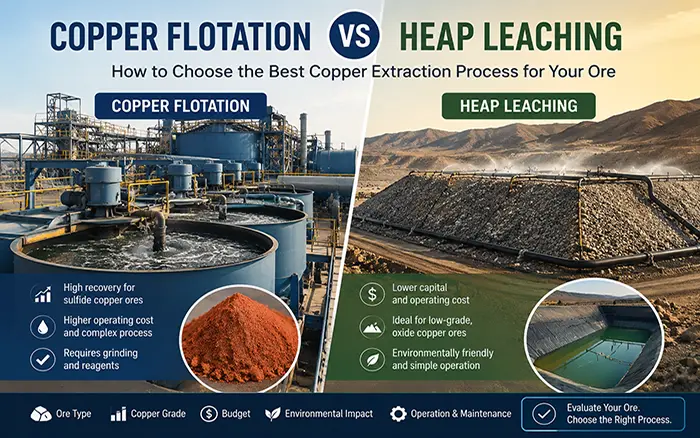
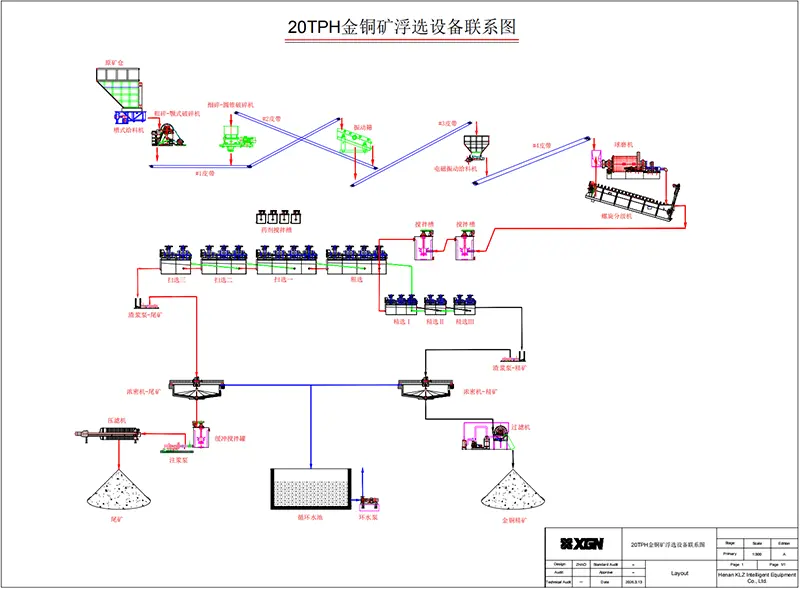
Sulfide Copper Ore
Typical process flow:
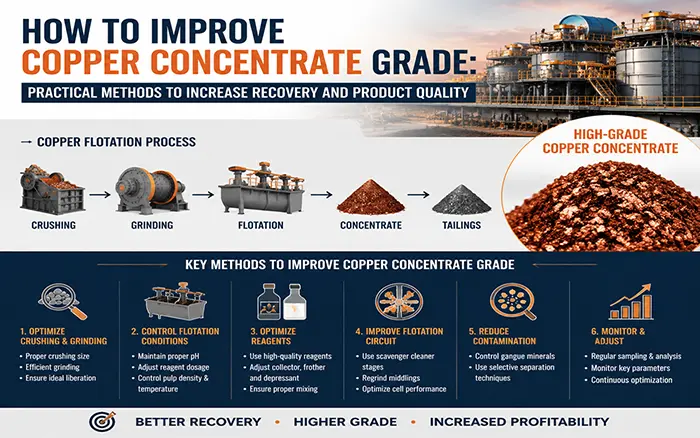
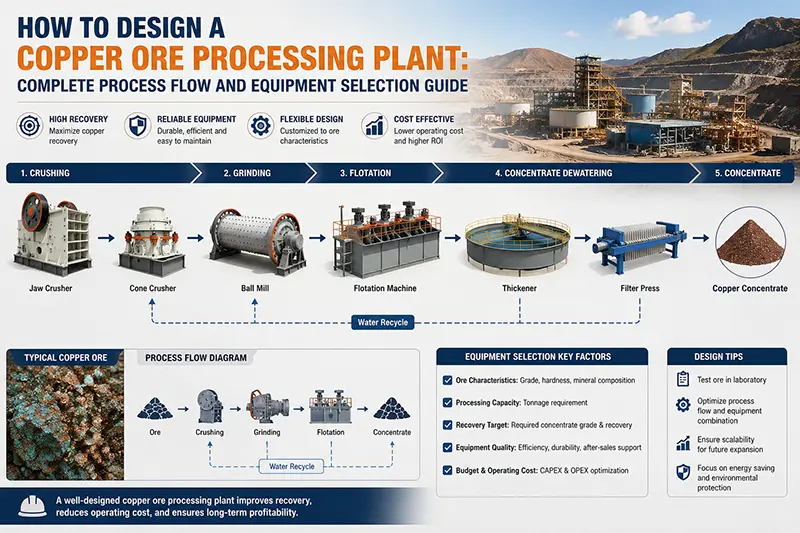
Crushing → Grinding → Classification → Flotation → Concentrate Thickening → Filtration → Smelting
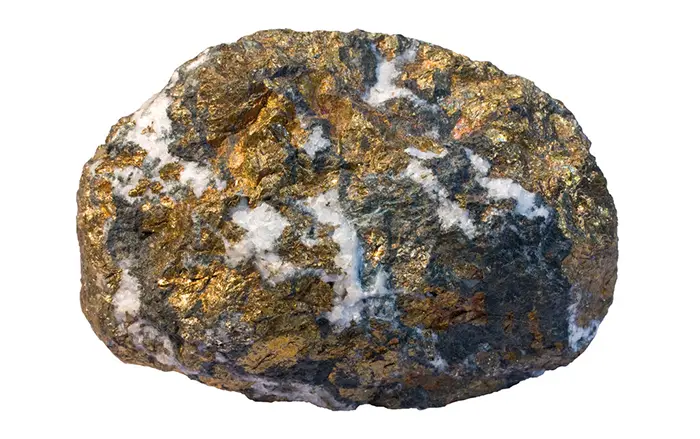
This route is suitable for minerals such as chalcopyrite, bornite, and chalcocite.
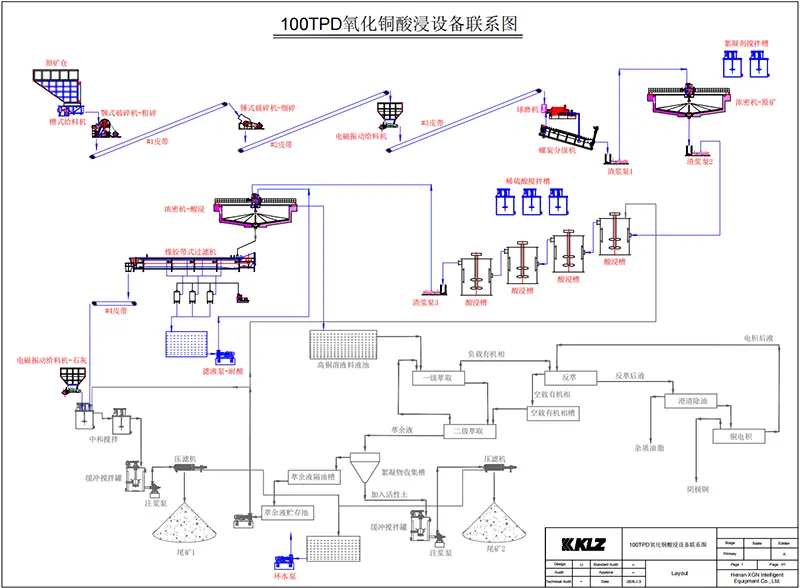
Oxide Copper Ore
Typical process flow:
Crushing → Heap Leaching → Solvent Extraction (SX) → Electrowinning (EW)
This process produces high-purity copper cathodes without traditional smelting.
Mixed Copper Ores
When both sulfide and oxide minerals occur together, a combined processing circuit may be adopted.
Possible solutions include:
Flotation followed by leaching
Separate treatment lines
Stage-wise recovery circuits
Pilot-scale testing helps determine the most efficient process configuration.
Step 3: Determine Plant Capacity
Production capacity influences nearly every aspect of plant design.
Capacity planning should consider:
Proven and probable reserves
Annual production targets
Mine life
Future expansion plans
Equipment availability
Budget constraints
Typical plant capacities range from:
| Plant Type | Capacity |
|---|---|
| Small | 100–500 TPD |
| Medium | 500–3,000 TPD |
| Large | 3,000–10,000 TPD |
| Mega Plant | 10,000+ TPD |
Designing with future expansion in mind can reduce modification costs later in the project.
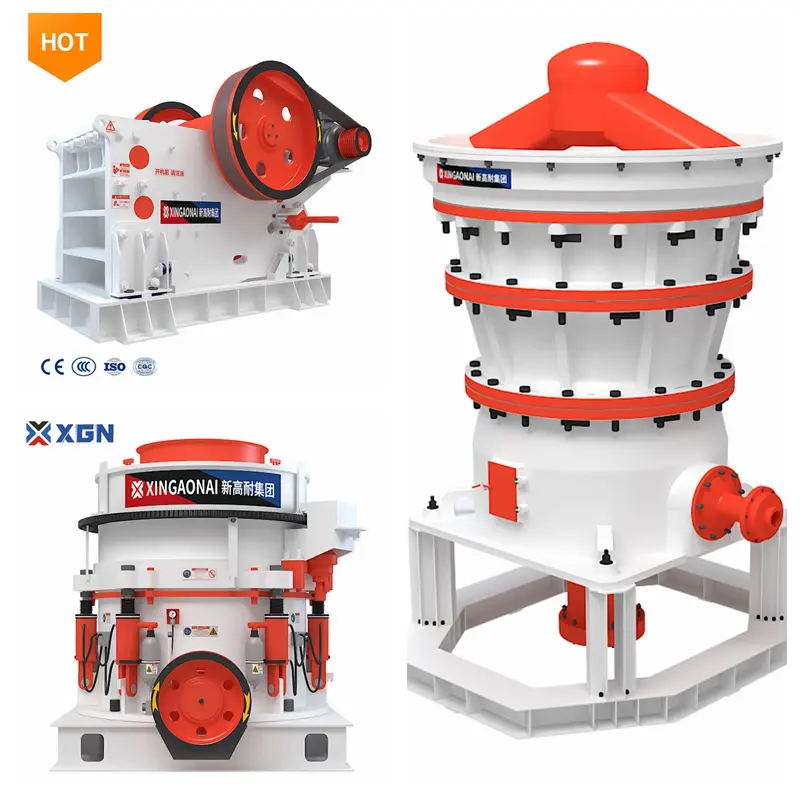
Step 4: Design the Crushing Circuit
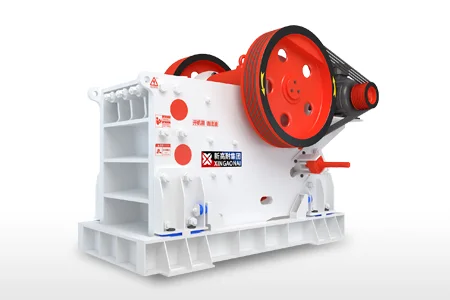
The crushing circuit prepares run-of-mine ore for grinding.
Typical equipment includes:
Primary Crushing
Secondary Crushing
Screening
The target is to achieve a consistent feed size that improves grinding efficiency and minimizes energy consumption.
Step 5: Design the Grinding Circuit
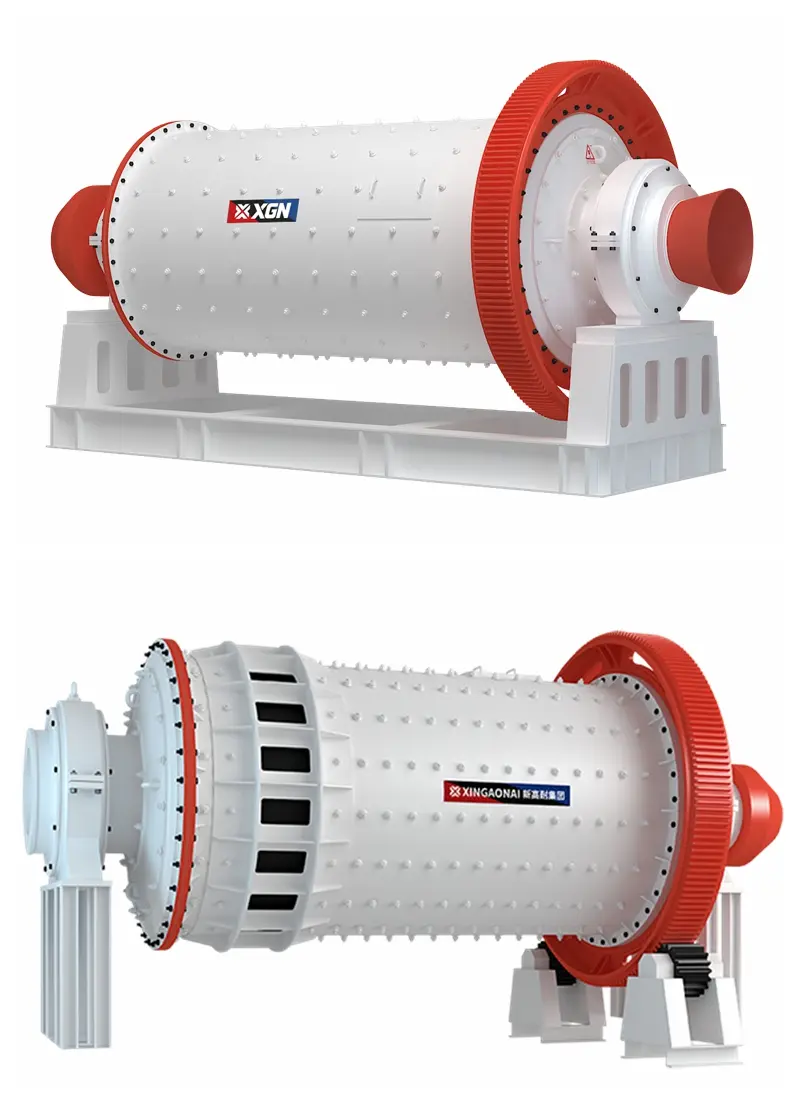
Grinding is one of the most energy-intensive stages in copper beneficiation.
Common equipment includes:
SAG mills
Rod mills
Hydrocyclones
The grinding circuit should be designed to achieve the required mineral liberation while avoiding excessive overgrinding, which can reduce flotation performance.
Step 6: Design the Beneficiation Circuit
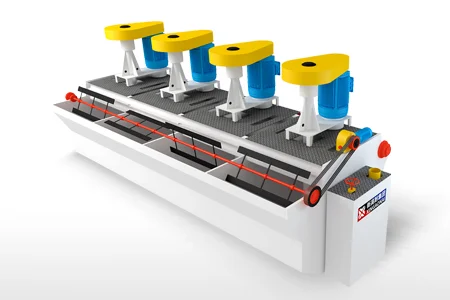
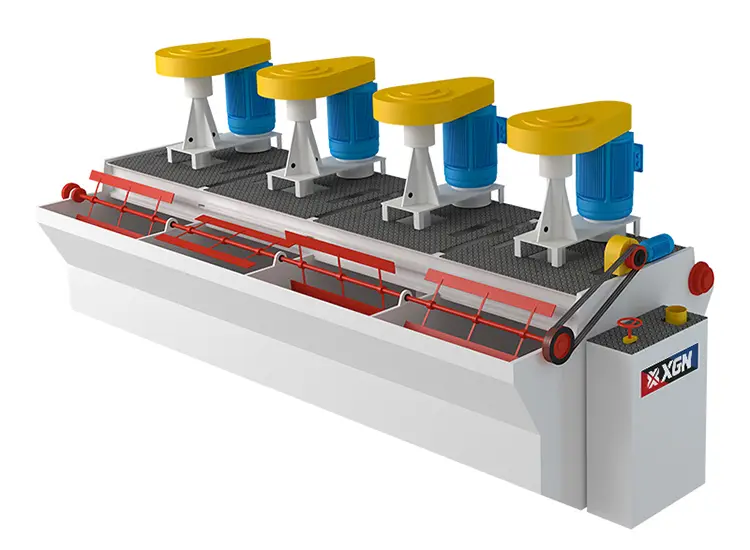
For sulfide copper ores, flotation is the primary concentration method.
A typical flotation circuit includes:
Rougher flotation
Scavenger flotation
Cleaner flotation
Recleaner flotation (if required)
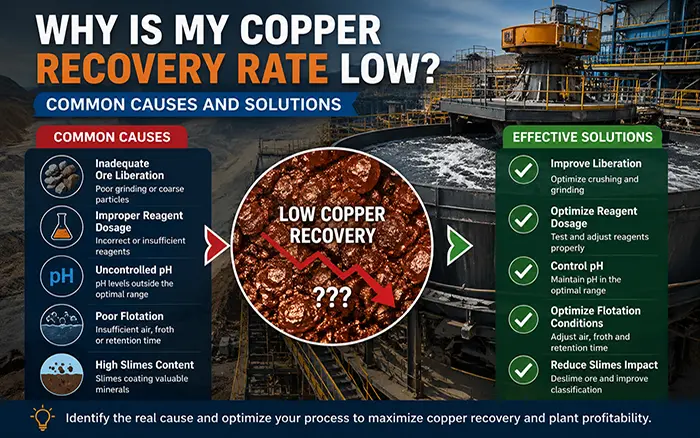
Proper reagent selection, air flow control, pulp density, and flotation residence time are critical to maximizing concentrate grade and recovery.
Step 7: Design Concentrate Dewatering Systems
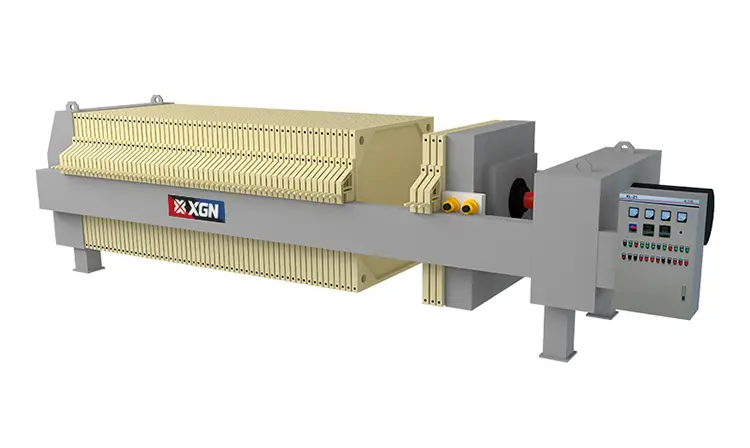
After flotation, the copper concentrate must be dewatered before transportation.
Typical equipment includes:
Concentrate thickener
Ceramic vacuum filter
The selected equipment should achieve the desired concentrate moisture while minimizing water loss.
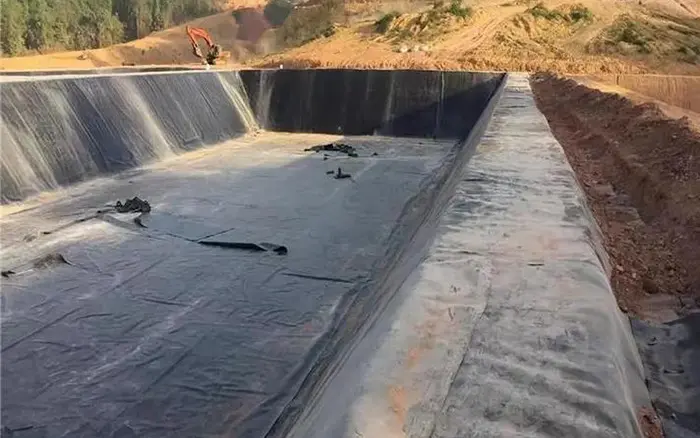
Step 8: Plan Tailings Management
Responsible tailings management is essential for environmental protection and sustainable operation.
Typical systems include:
Tailings thickener
Slurry pumps
Tailings pipelines
Tailings storage facility (TSF)
Water reclaim system
Modern plants increasingly adopt high-density tailings or dry stacking technologies to reduce water consumption and environmental risks.
Step 9: Optimize Plant Layout
A well-planned plant layout improves operational efficiency and reduces maintenance costs.
Key design principles include:
Minimize material handling distances
Use gravity flow where practical
Provide adequate maintenance access
Separate process areas for safety
Allow space for future expansion
Optimize conveyor routing
Reduce unnecessary elevation changes
Efficient layouts contribute to lower operating costs and improved plant reliability.
Step 10: Design Water and Power Systems
Copper beneficiation plants require reliable utility systems.
Important design considerations include:
Water Supply
Freshwater intake
Process water recycling
Thickener overflow reuse
Emergency storage
Power Supply
Electrical substations
Backup generators
Variable frequency drives (VFDs)
Energy-efficient motors
Reducing utility consumption can significantly improve long-term profitability.
Step 11: Integrate Automation and Digital Control
Modern processing plants increasingly rely on intelligent control systems.
Automation may include:
PLC control systems
SCADA monitoring
Online analyzers
Density meters
Flow meters
Automated sampling
Process optimization software
Predictive maintenance systems
Automation enhances operational stability while reducing labor requirements and process variability.
Step 12: Incorporate Environmental Protection Measures
Environmental compliance should be integrated into plant design from the beginning.
Recommended systems include:
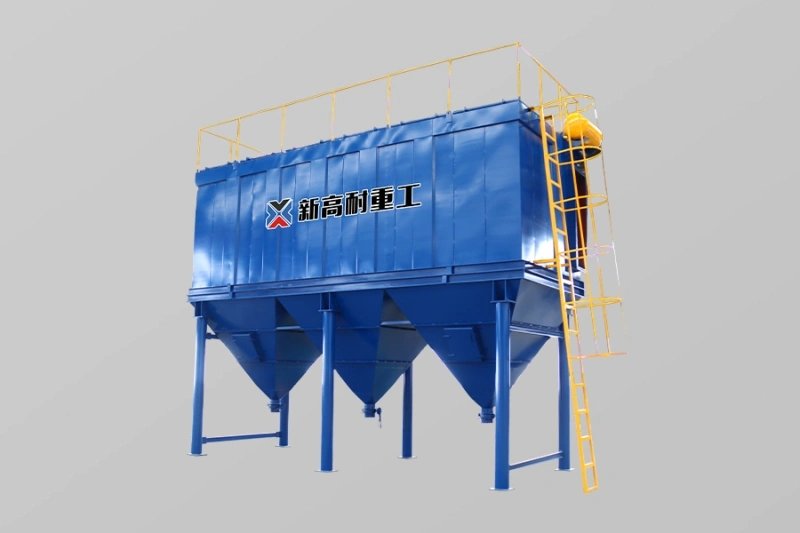
Dust collection
Noise reduction
Wastewater treatment
Stormwater management
Tailings seepage control
Air emission monitoring
Designing for sustainability helps simplify permitting and supports long-term regulatory compliance.
Main Equipment List for a Copper Ore Processing Plant
| Process Stage | Main Equipment |
|---|---|
| Feeding | Hopper, Vibrating Feeder |
| Primary Crushing | Jaw Crusher or Gyratory Crusher |
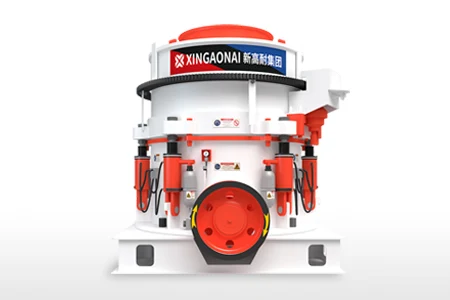
| Secondary Crushing | Cone Crusher |
| Screening | Vibrating Screen |
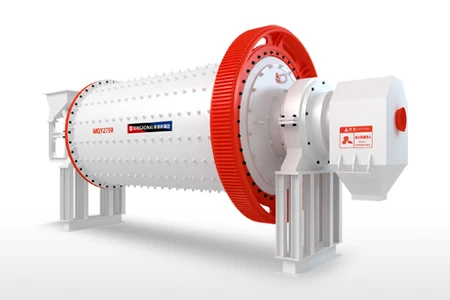
| Grinding | SAG Mill, Ball Mill, Rod Mill |
| Classification | Hydrocyclone |
| Beneficiation | Flotation Machine |
| Concentrate Thickening | Thickener |
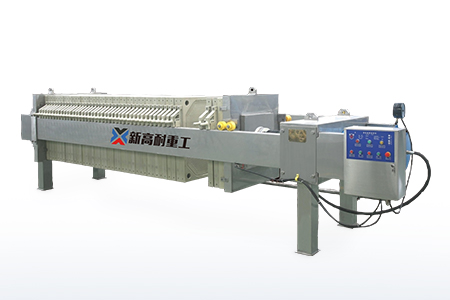
| Filtration | Ceramic Filter or Filter Press |
| Tailings Management | Tailings Thickener, Slurry Pump |
| Material Handling | Belt Conveyor |
| Automation | PLC, SCADA, Online Monitoring |
Common Design Challenges
Copper processing plants often encounter engineering challenges such as:
Variable ore grades
Complex mineralogy
High clay content
Limited water resources
Energy efficiency requirements
Tailings disposal constraints
Future production expansion
Addressing these issues during the design phase reduces operational risks after commissioning.
Key Factors That Influence Plant Performance
Several factors determine the long-term success of a copper beneficiation plant:
Accurate metallurgical testing
Proper equipment sizing
Efficient process flow
Stable ore feed
Effective automation
Preventive maintenance
Water recycling efficiency
Skilled plant operation
Optimizing these factors can improve recovery, increase concentrate quality, and lower operating costs throughout the life of the project.
Conclusion
Designing a successful copper ore processing plant requires more than simply selecting equipment. It involves integrating geology, metallurgy, engineering, environmental protection, automation, and economic analysis into a complete processing solution.
By developing a process flow tailored to the characteristics of the ore and selecting reliable, energy-efficient equipment, mining companies can maximize copper recovery, improve operational efficiency, and achieve sustainable long-term profitability. Comprehensive testing, thoughtful engineering, and scalable plant design remain the foundation of every successful copper beneficiation project.