Choosing the right extraction method is one of the most important decisions in a copper mining project. The processing route directly affects copper recovery, operating costs, capital investment, environmental performance, and overall project profitability. Among the available technologies, copper flotation and heap leaching are the two most widely used methods for processing copper ores.
Although both processes recover copper from mined ore, they are designed for different mineral types and economic conditions. Flotation is primarily used for sulfide copper ores, while heap leaching is generally applied to oxide ores or low-grade deposits. Selecting the wrong process can result in poor recovery, higher costs, and reduced returns on investment.
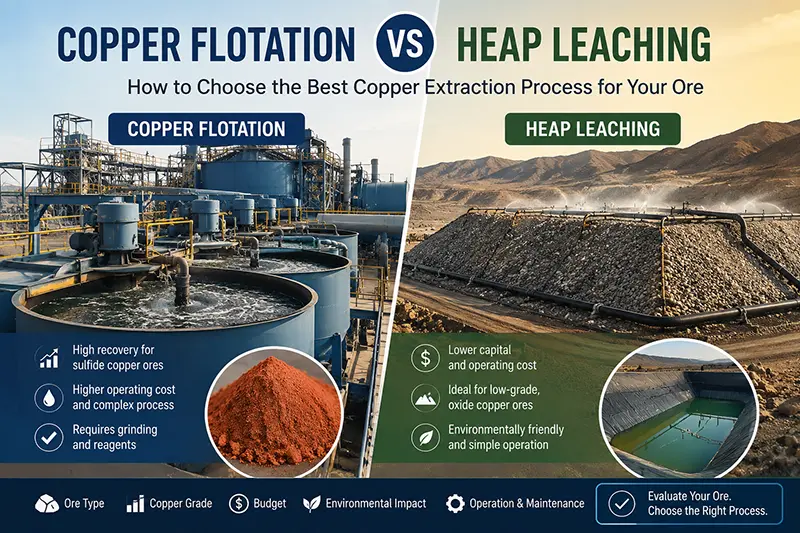
This guide compares Copper Flotation vs Heap Leaching in terms of working principles, suitable ore types, recovery rates, operating costs, equipment, environmental considerations, and project economics to help mine owners choose the most effective solution.
Understanding Copper Flotation
Copper flotation is a mineral beneficiation process that separates valuable copper sulfide minerals from gangue by taking advantage of differences in their surface properties.
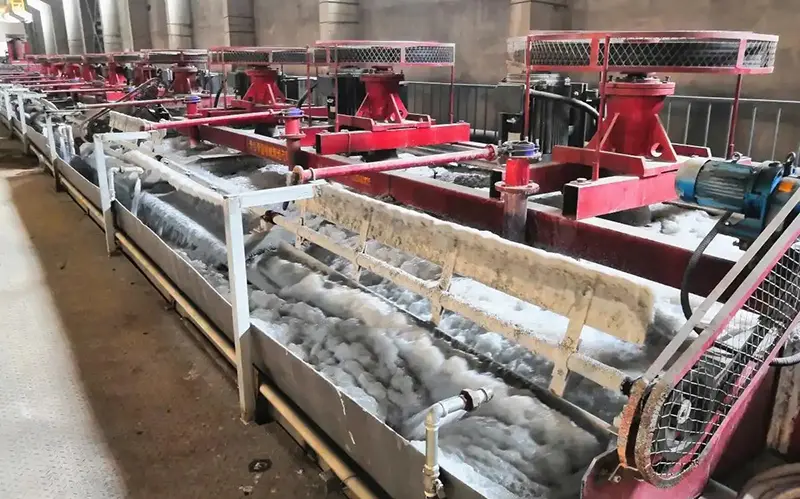
After crushing and grinding, flotation reagents are added to the slurry. Air bubbles introduced into flotation cells selectively attach to hydrophobic copper minerals, allowing them to float to the surface and form a concentrate.
The concentrate is then thickened, filtered, and transported to a smelter for further refining.
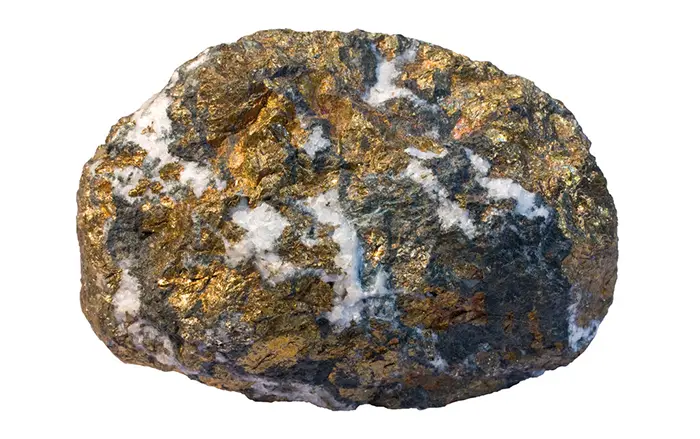
Copper flotation is the preferred technology for processing sulfide ores such as chalcopyrite, bornite, and chalcocite.
Understanding Heap Leaching
Heap leaching is a hydrometallurgical process used mainly for oxide copper ores.
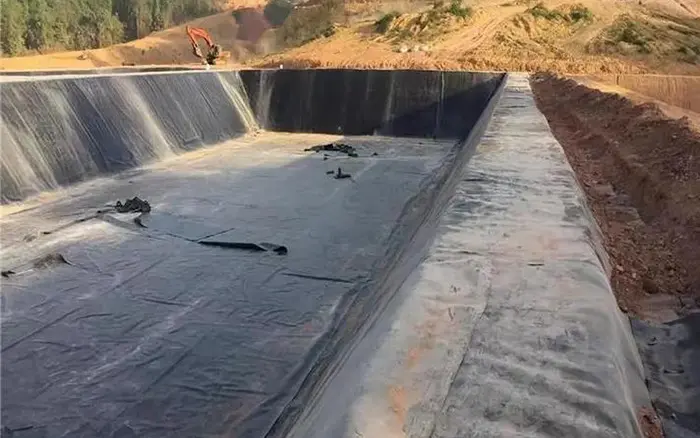
Crushed ore is stacked on an impermeable leach pad and irrigated with a dilute sulfuric acid solution. As the solution percolates through the heap, it dissolves copper minerals. The copper-rich solution is collected and treated using Solvent Extraction–Electrowinning (SX-EW) to produce high-purity copper cathodes.
Heap leaching eliminates the need for flotation and smelting, making it an attractive option for certain low-grade deposits.
How the Two Processes Work
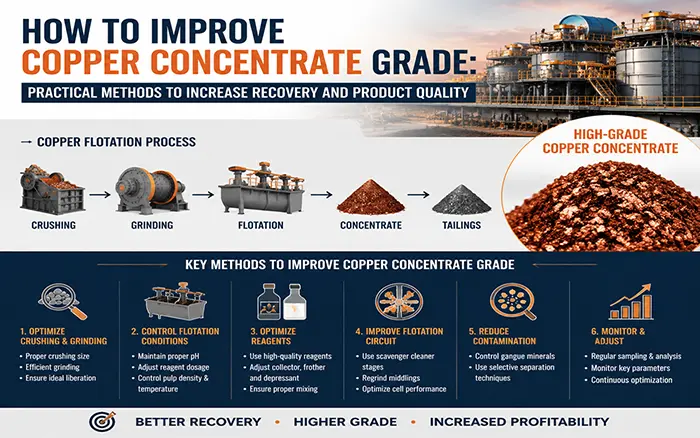
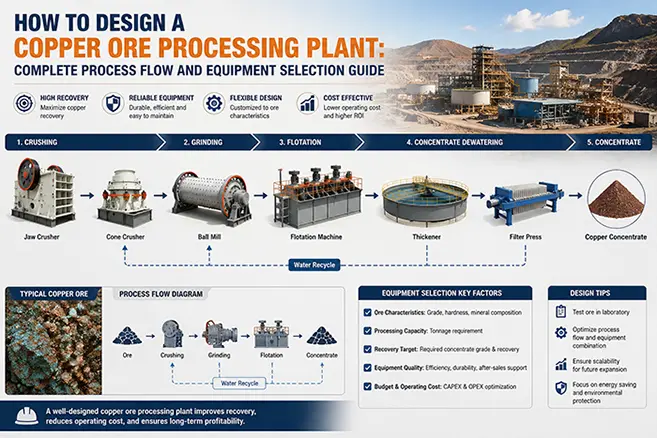
Copper Flotation Process Flow
A typical flotation circuit includes:
Primary crushing
Secondary crushing
Grinding
Classification
Flotation
Concentrate thickening
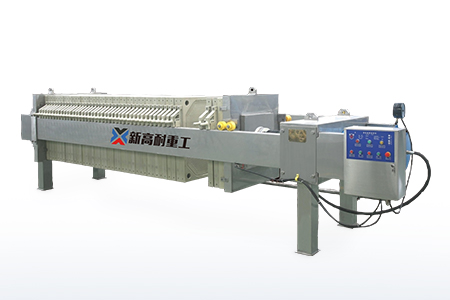
Filtration
Smelting and refining
This route produces copper concentrate rather than finished copper metal.
Heap Leaching Process Flow
A typical heap leaching operation includes:
Ore crushing
Agglomeration (if required)
Heap stacking
Acid irrigation
Pregnant leach solution collection
Solvent extraction (SX)
Electrowinning (EW)
The final product is high-purity copper cathode.
Suitable Ore Types
Selecting the correct process starts with understanding the mineralogy of the deposit.
Flotation Is Best for Sulfide Copper Ores
Typical minerals include:
Chalcopyrite
Bornite
Chalcocite
Covellite
These minerals respond well to flotation reagents, making flotation the industry-standard method.
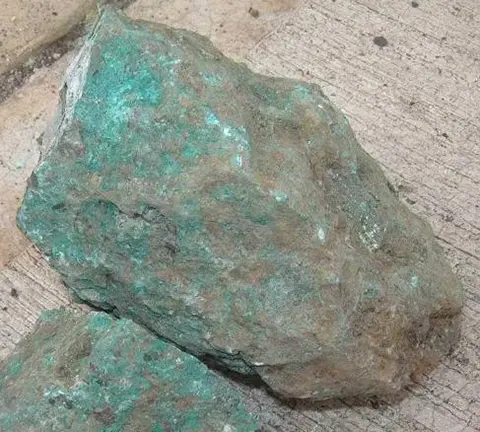
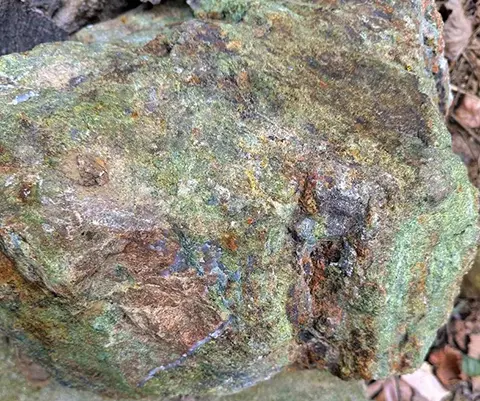
Heap Leaching Is Best for Oxide Copper Ores
Common oxide minerals include:
Malachite
Azurite
Chrysocolla
Cuprite
These minerals dissolve readily in acidic solutions, making heap leaching an efficient extraction method.
Mixed Ores
Some deposits contain both sulfide and oxide minerals.
These operations may use:
Sequential processing
Separate flotation and leaching circuits
Hybrid process flows
Laboratory metallurgical testing is essential for determining the optimal approach.
Recovery Comparison
Recovery depends on ore characteristics and plant design.
| Process | Typical Copper Recovery |
|---|---|
| Flotation | 85–95% |
| Heap Leaching | 55–85% |
Flotation generally achieves higher recoveries for sulfide ores, while heap leaching performs well on suitable oxide ores but may recover less copper from complex mineral assemblages.
Capital Investment Comparison
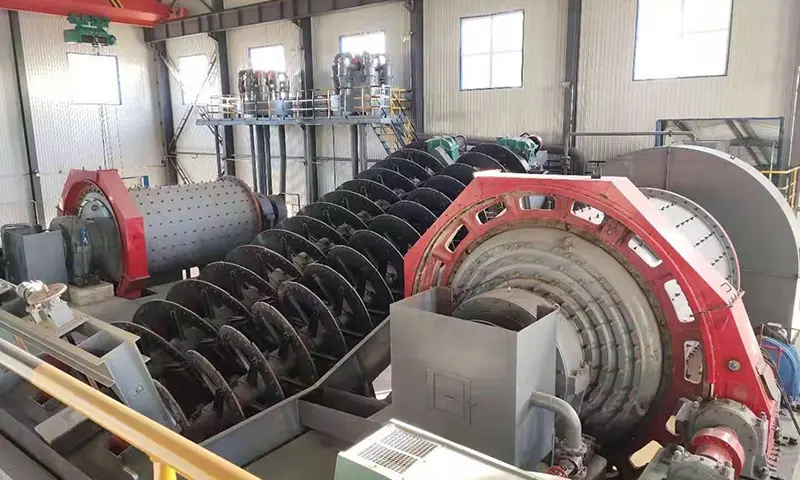
Copper Flotation Plant
Requires:
Crushers
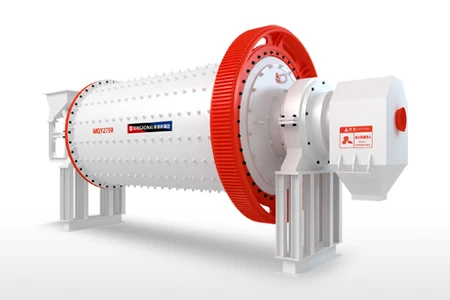
Grinding mills
Hydrocyclones
Flotation cells
Thickeners
Filters
Initial capital expenditure is relatively high due to the complexity of the processing plant.
Heap Leaching Operation
Requires:
Crushing equipment
Heap leach pads
Acid distribution systems
Collection ponds
SX-EW plant
Capital costs are often lower because grinding and flotation circuits are not required.
Operating Cost Comparison
Flotation
Major operating costs include:
Grinding energy
Flotation reagents
Water consumption
Maintenance
Grinding typically represents the largest energy expense.
Heap Leaching
Main operating costs include:
Sulfuric acid consumption
Water management
SX-EW operation
Heap maintenance
Solution pumping
Acid consumption can become a major cost if gangue minerals react with the leaching solution.
Processing Time
The two processes differ significantly in production speed.
Flotation
Copper concentrate can usually be produced within a few hours after ore enters the processing plant.
Continuous operation supports high daily throughput.
Heap Leaching
Copper recovery occurs gradually over weeks or even months as the leaching solution passes through the ore heap.
While slower, this method can remain economical for suitable deposits with lower processing costs.
Environmental Considerations
Both technologies require responsible environmental management.
Flotation
Environmental priorities include:
Tailings storage
Process water recycling
Reagent handling
Dust suppression
Modern flotation plants increasingly adopt closed-loop water systems to reduce freshwater consumption.
Heap Leaching
Environmental management focuses on:
Leach pad liner integrity
Acid solution containment
Groundwater protection
Solution recovery systems
Closure and rehabilitation planning
Well-designed leach pads and monitoring systems help minimize environmental risks.
Equipment Comparison
| Flotation Plant Equipment | Heap Leaching Equipment |
|---|---|
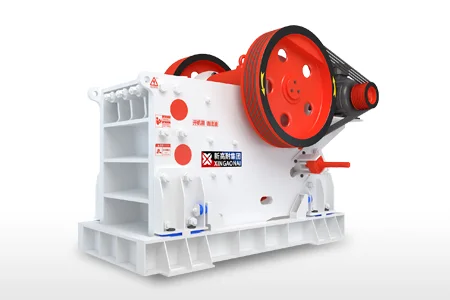
| Jaw Crusher | Jaw Crusher |
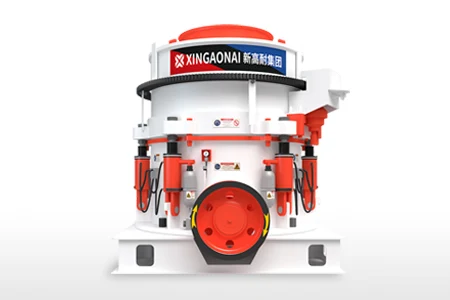
| Cone Crusher | Cone Crusher |
| Ball Mill | Agglomeration Drum (optional) |
| Hydrocyclone | Stacking Conveyor |
| Flotation Machine | Heap Leach Pad |
| Thickener | Solution Collection Pond |
| Filter Press | Solvent Extraction Unit |
| Slurry Pump | Electrowinning Cell |
Advantages and Limitations
Copper Flotation
Advantages
High recovery for sulfide ores
Suitable for complex polymetallic deposits
Produces high-grade concentrate
Well-established technology
Adaptable to a wide range of sulfide mineralogy
Limitations
Higher capital investment
Greater energy consumption
Requires fine grinding
More complex process control
Heap Leaching
Advantages
Lower capital investment
Simple process flow
Lower energy consumption
Direct production of cathode copper
Suitable for low-grade oxide ores
Limitations
Longer processing time
Lower recovery for many ore types
Acid consumption may be high
Less suitable for primary sulfide ores
Which Process Fits Your Ore Type and Grade?
The best process depends on ore mineralogy, copper grade, and project objectives.
Choose copper flotation if:
The ore is primarily sulfide.
High copper recovery is a priority.
The deposit contains valuable by-products such as gold or molybdenum.
A smelter is available to process concentrate.
Choose heap leaching if:
The ore is predominantly oxide.
The deposit has relatively low copper grades.
Capital investment needs to be minimized.
SX-EW infrastructure is available for cathode production.
For mixed or transitional ores, metallurgical testing is essential to determine whether flotation, heap leaching, or a combined processing route will provide the best economic outcome.
Conclusion
There is no universal answer in the debate of Copper Flotation vs Heap Leaching. Each process has distinct technical and economic advantages depending on ore type, mineral composition, recovery targets, and project conditions.
Flotation remains the preferred solution for sulfide copper ores due to its high recovery and ability to process complex mineral assemblages. Heap leaching is often the more economical option for oxide ores and certain low-grade deposits, especially where direct cathode production is desired.
A successful copper project begins with detailed geological investigations and metallurgical testing. By matching the extraction process to the specific characteristics of the ore body, mining companies can maximize recovery, control costs, and achieve long-term operational success.