As environmental regulations become more stringent and water resources grow increasingly scarce, copper tailings management has become one of the most critical aspects of modern mining operations. Tailings storage not only affects operating costs and water recovery but also has significant implications for environmental protection, mine safety, and long-term sustainability.
Traditionally, most copper concentrators have stored tailings in conventional tailings dams. However, advances in dewatering technologies have accelerated the adoption of dry stack tailings, allowing mines to reduce water consumption, improve storage stability, and lower environmental risks.
There is no universal solution for every project. The optimal tailings management system depends on production capacity, climate, water availability, ore characteristics, local regulations, and project economics.
This guide compares Dry Stack vs Tailings Dam technologies, explaining their working principles, equipment requirements, operating costs, environmental performance, and selection criteria for copper processing plants.
What Are Copper Tailings?
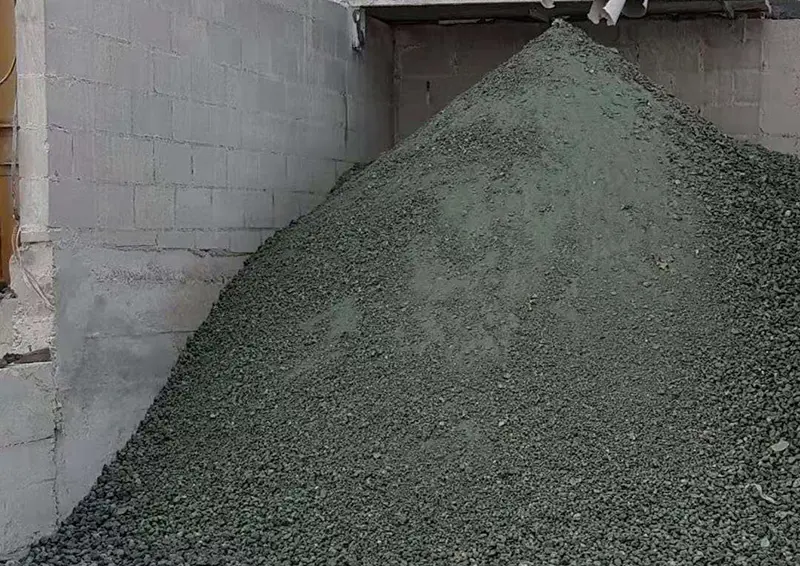
Copper tailings are the waste materials remaining after valuable copper minerals have been recovered through flotation or other beneficiation processes.
Tailings generally consist of:
Fine gangue minerals
Residual process water
Small amounts of unrecovered copper minerals
Clay and silt particles
Depending on the beneficiation process, tailings may contain 30–70% water before dewatering.
Proper management is essential to minimize environmental impact while maximizing water reuse.
What Is a Tailings Dam?
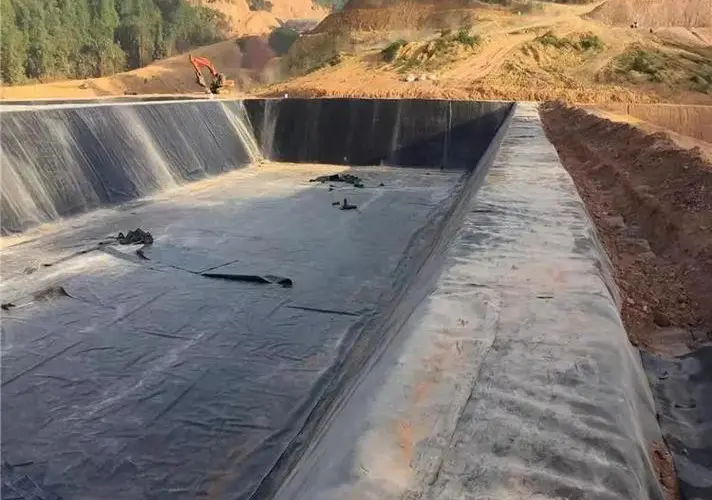
A tailings dam is an engineered storage facility that contains slurry tailings transported from the processing plant.
Typical process flow:
Flotation Tailings → Thickener → Slurry Pipeline → Tailings Storage Facility (TSF)
The tailings remain in a slurry state, allowing solids to settle while water accumulates on the surface for recovery and recycling.
Tailings dams have been the industry standard for decades due to their ability to handle very large production volumes.
Advantages of Tailings Dams
Conventional tailings dams offer several benefits:
Lower initial filtration investment
Suitable for very high-capacity concentrators
Relatively simple material transport
Proven technology
Lower energy consumption for dewatering
For very large copper mines, tailings dams remain one of the most economical disposal methods.
Limitations of Tailings Dams
Despite their widespread use, tailings dams have several challenges:
Higher environmental risks
Large land requirements
Long-term monitoring obligations
Lower water recovery
Dam stability concerns
More complex closure and rehabilitation
Failure of a tailings dam can have severe environmental and financial consequences.
What Is Dry Stack Tailings?
Dry stack tailings are produced by mechanically removing most of the water from tailings before final storage.
Typical process flow:
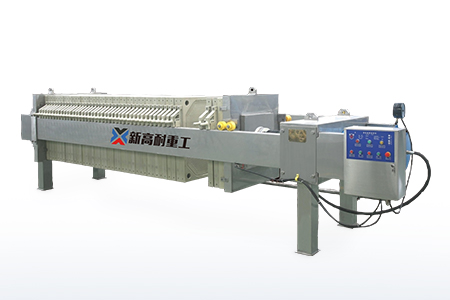
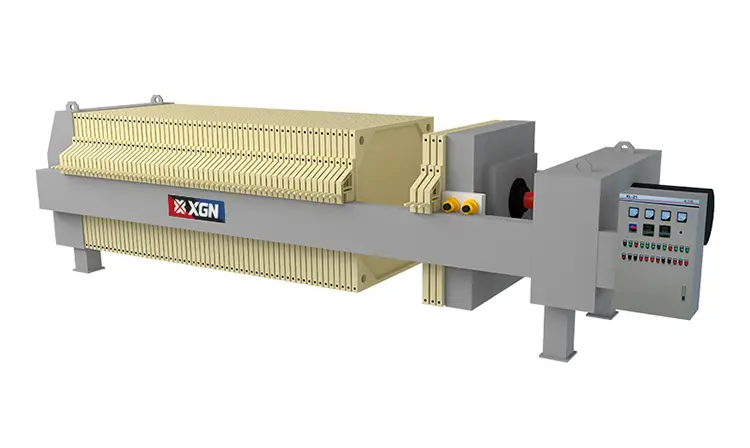
Flotation Tailings → Thickener → Filter Press or Ceramic Filter → Conveyor → Dry Stack Storage
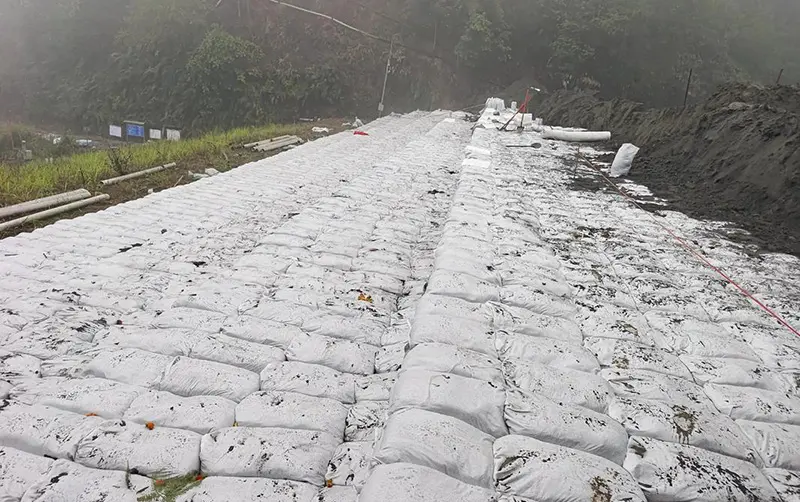
Instead of pumping slurry into a pond, filtered tailings are transported as a low-moisture material and compacted into engineered storage areas.
Advantages of Dry Stack Tailings
Dry stacking offers several important benefits:
High water recovery (often 80–90% or more)
Reduced environmental risk
Improved storage stability
Smaller land footprint
Easier progressive rehabilitation
Lower seepage potential
Reduced long-term liability
These advantages make dry stacking increasingly attractive for new copper projects, particularly in water-scarce regions.
Limitations of Dry Stack Tailings
Dry stack systems also present certain challenges:
Higher capital investment
Increased operating costs for filtration
Greater energy consumption
More complex equipment maintenance
Lower suitability for extremely high-capacity operations
Careful economic analysis is necessary before selecting a dry stack solution.
Equipment Comparison
The required equipment differs significantly between the two systems.
Tailings Dam System
Typical equipment includes:
Tailings thickener
Slurry pumps
Tailings pipelines
Water reclaim pumps
Decant systems
Monitoring instrumentation
Dry Stack System
Typical equipment includes:
High-rate thickener
Ceramic vacuum filter (optional)
Belt conveyors
Stackers
Wheel loaders or bulldozers
Water recycling system
The additional filtration stage is the primary difference between the two approaches.
Water Recovery Comparison
Water conservation is a major factor in modern mining.
| Technology | Typical Water Recovery |
|---|---|
| Tailings Dam | 50–75% |
| Dry Stack | 80–90%+ |
Higher water recovery reduces freshwater demand and lowers operating costs in regions with limited water resources.
Capital Cost Comparison
Tailings Dam
Capital investment typically includes:
Dam construction
Pipeline installation
Pump stations
Water reclaim systems
Environmental monitoring
Although initial filtration costs are lower, dam construction can require significant civil engineering work.
Dry Stack
Capital investment generally includes:
High-capacity filtration equipment
Conveyors
Stacking equipment
Filter building
Electrical systems
Automation
Dry stack projects often require higher upfront investment but may reduce long-term environmental liabilities.
Operating Cost Comparison
Operating expenses vary depending on plant size and local conditions.
Tailings Dam
Major operating costs include:
Slurry pumping
Water management
Dam maintenance
Environmental monitoring
Progressive dam raising
Dry Stack
Major operating costs include:
Filter cloth replacement
Electricity
Equipment maintenance
Conveyor operation
Mobile equipment for stacking
Although filtration increases operating costs, improved water recovery may offset part of these expenses.
Safety Comparison
Safety has become a major consideration in tailings management.
Tailings Dam
Potential risks include:
Dam failure
Seepage
Overtopping
Seismic instability
Extreme rainfall events
Continuous monitoring and engineering inspections are essential.
Dry Stack
Potential risks include:
Slope stability
Dust generation
Surface erosion
Because there is little or no free-standing water, dry stack facilities generally present a lower risk of catastrophic failure.
Environmental Impact Comparison
Environmental performance differs significantly between the two technologies.
Tailings Dam
Possible impacts include:
Large land disturbance
Water loss through evaporation
Seepage risks
Long-term reclamation requirements
Dry Stack
Advantages include:
Reduced water consumption
Lower seepage potential
Easier closure
Smaller environmental footprint
Improved land rehabilitation opportunities
These benefits align with increasingly strict environmental regulations and ESG objectives.
Which Technology Is Better?
There is no single solution for every copper mine.
Dry Stack Tailings Are Often Preferred When:
Water resources are limited.
Environmental regulations are strict.
ESG performance is a priority.
Long-term sustainability is a project objective.
Production capacity is moderate.
The site is in a seismically active region.
Tailings Dams Remain Suitable When:
Production exceeds several tens of thousands of tonnes per day.
Water availability is sufficient.
Construction costs must be minimized.
Existing tailings infrastructure can be expanded.
Local regulations permit conventional storage.
Many large copper operations continue to use engineered tailings dams while incorporating improved monitoring technologies and water recovery systems.
Future Trends in Copper Tailings Management
The mining industry is rapidly adopting smarter and more sustainable tailings solutions.
Emerging trends include:
High-density tailings
Paste tailings technology
Large-capacity automatic filter presses
AI-based filtration optimization
Real-time dam monitoring systems
Remote sensing and satellite deformation monitoring
Water recycling optimization
Carbon footprint reduction strategies
These innovations aim to improve operational efficiency while reducing environmental risks.
Conclusion
Effective copper tailings management is essential for ensuring safe, efficient, and sustainable mining operations. While conventional tailings dams remain a practical solution for many large-scale projects, dry stack tailings are gaining popularity because of their superior water recovery, improved safety, and reduced environmental impact.
Selecting between Dry Stack vs Tailings Dam should be based on a comprehensive evaluation of production capacity, climate, water availability, site conditions, regulatory requirements, and life-cycle costs. By integrating modern dewatering equipment, intelligent monitoring systems, and sound engineering practices, mining companies can build tailings management systems that support both operational performance and long-term environmental responsibility.