Grinding Mill

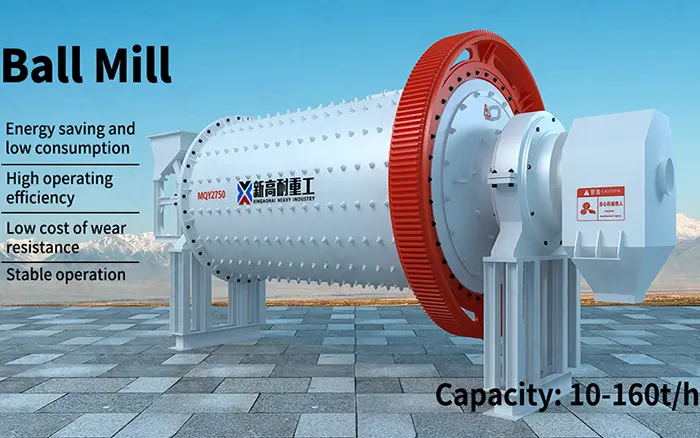
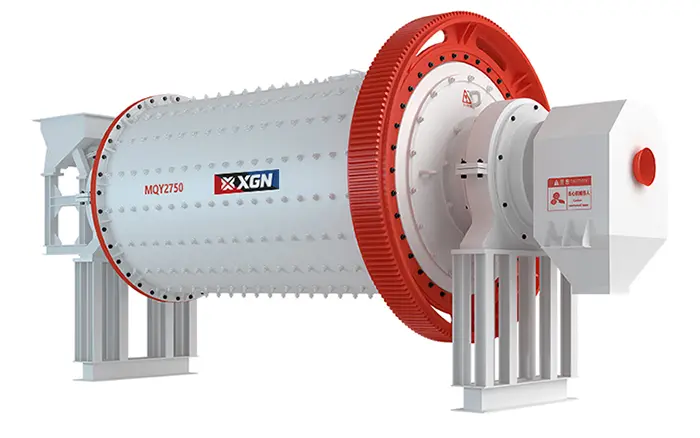
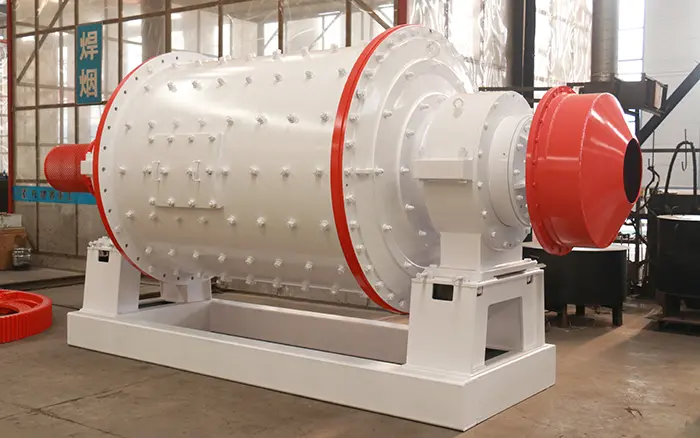
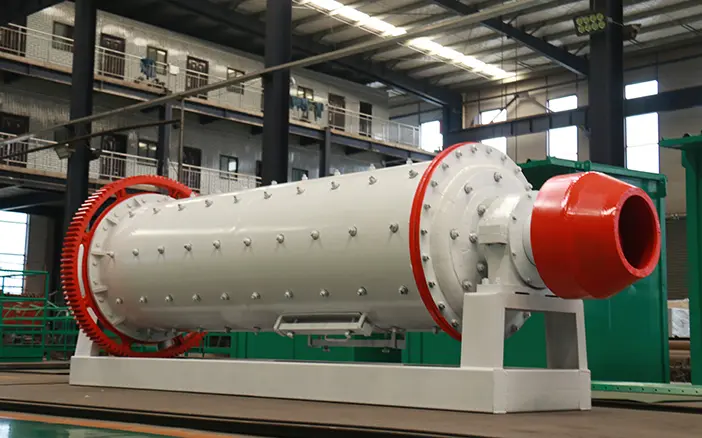
Ball Mill

CAPACITY

10-248t/h

FEED SIZE

≤20mm
Application areas:The Ball Mill is not only suitable for fine grinding operations in metal mining, non-metal mining, cement production, and thermal power plants, but also widely used in fixed processing facilities such as chemical plants, ceramic factories, fertilizer plan
Applicable materials:Gold ore, copper ore, iron ore, lead-zinc ore, silver ore, limestone, cement clinker, quartz, feldspar, silicate, slag, fly ash, gypsum, coal, ceramics, and other hard to medium-hard materials requiring fine or ultra-fine grinding (Mohs hardness ≤9).
Product Overview

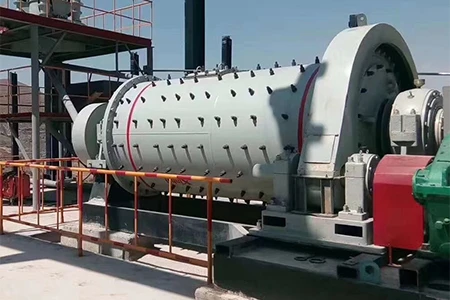
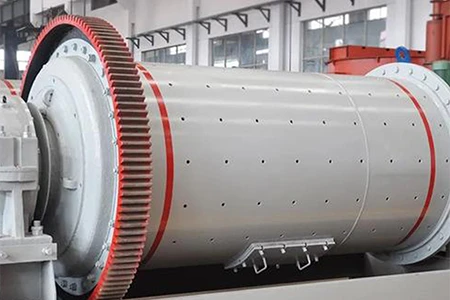
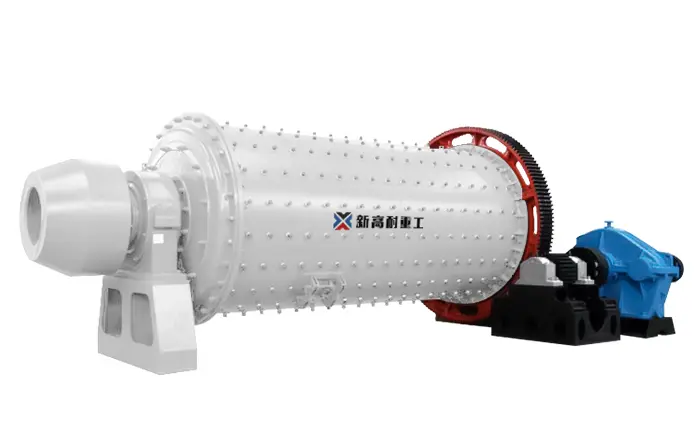
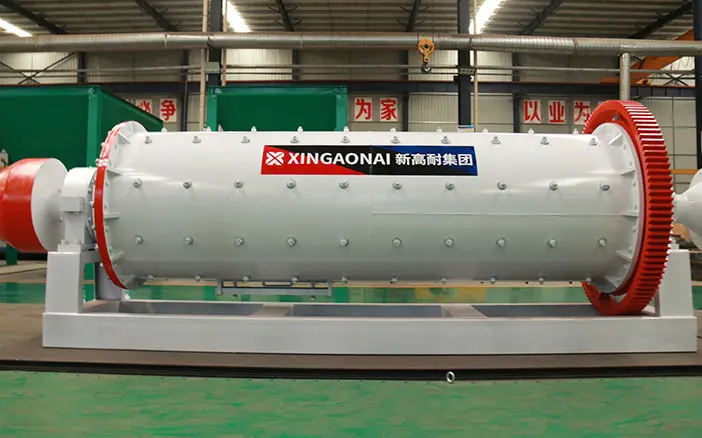
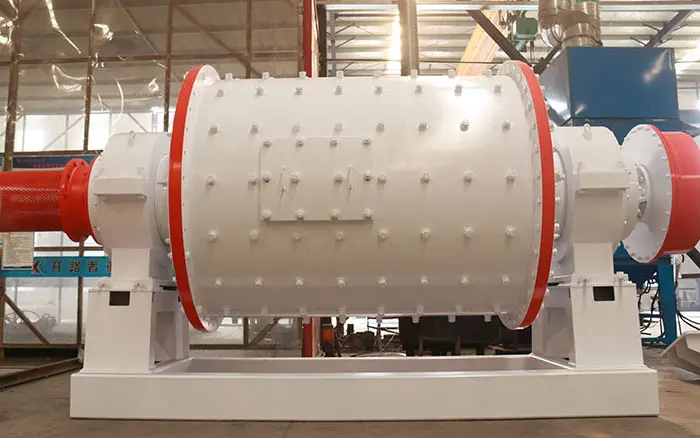
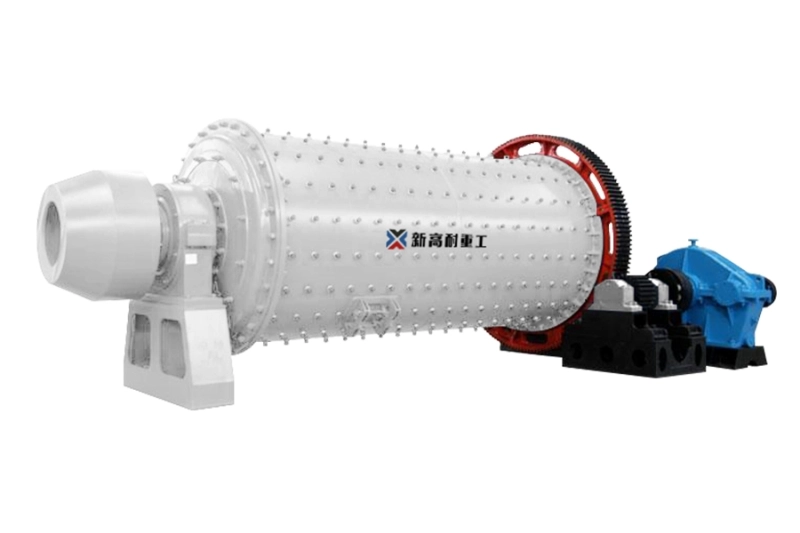
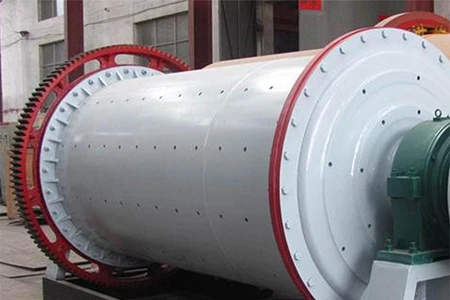
The Ball Mill is a horizontal rotating cylindrical grinding machine that uses steel balls as the grinding medium to reduce material particle size through continuous impact, compression, and abrasion inside the rotating drum. As one of the most widely adopted comminution devices in the world, it is the core equipment for fine grinding in mineral processing, cement manufacturing, chemical engineering, and construction material production.


XINGAONAI Ball Mills are available in overflow-type and grate-discharge configurations, supporting both wet grinding and dry grinding modes to accommodate diverse material characteristics and downstream process requirements. The cylinder is available in a wide range of diameters and lengths, delivering processing capacities from 0.5 TPH to over 200 TPH. Robust cast steel end covers, large-diameter hollow shaft journals, and a high-precision babbitt bearing or hydrostatic bearing system ensure stable, low-vibration operation under continuous 24-hour production conditions.


Designed for easy scale-up and integration, XINGAONAI Ball Mills are commonly deployed in closed-circuit grinding systems paired with spiral classifiers or hydrocyclones, as well as in open-circuit configurations for coarser product requirements. Every unit undergoes full-load factory testing before shipment, and customized liner profiles, ball charge ratios, and drive configurations are available to match specific ore hardness and target fineness requirements.

Key Advantages

High Grinding Efficiency, Consistent Fineness

Optimized cylinder length-to-diameter ratio and scientifically calculated ball charge grading (large, medium, and small balls layered by grinding stage) maximize kinetic energy transfer to material particles. The result is uniform, repeatable product fineness — typically achieving 200 mesh (75 μm) passing rates of 70–95% depending on feed hardness and retention time.

Wear-Resistant Liner System for Extended Service Life

The inner cylinder is lined with high-manganese steel, chrome-molybdenum alloy, or rubber liners (application-dependent), all engineered for maximum abrasion resistance. Modular liner segments allow individual damaged pieces to be replaced without full liner changeout, reducing maintenance cost and scheduled downtime.

Flexible Wet & Dry Grinding Modes

The same base machine can be configured for wet grinding (with water addition, suitable for ore beneficiation and slurry preparation) or dry grinding (suitable for cement clinker, coal, and moisture-sensitive minerals). Feed inlet and discharge arrangements are adapted accordingly, giving customers maximum process flexibility.

Reliable Heavy-Duty Drive System

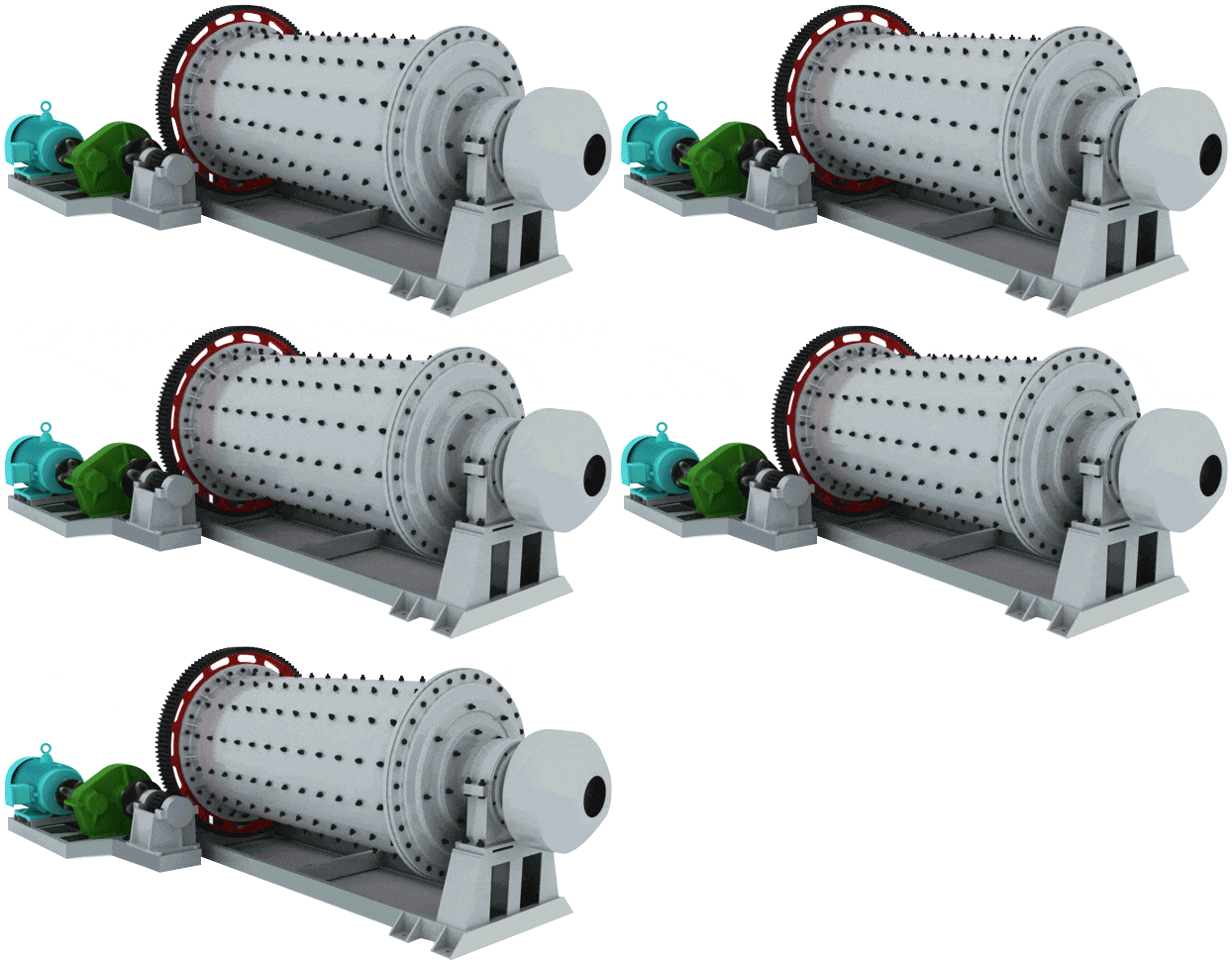
The main drive uses a low-speed high-torque motor paired with a heavy-duty reducer and open gear drive, or optionally a ring gear and pinion arrangement for larger mill sizes. Edge-drive and center-drive configurations are both available. The drive system is designed for continuous 24/7 operation with minimal vibration and shock loading.

Smooth Start & Overload Protection

Standard air-clutch or fluid coupling soft-start devices protect the motor and gearbox from high inrush current and mechanical shock during startup under loaded conditions. Automatic overload detection trips the feed system before the motor is damaged, preventing costly failures in unattended night shifts.

Easy Maintenance & Low Total Cost of Ownership

Large-diameter access manholes on the cylinder allow workers to enter for liner inspection and ball charge top-up without full disassembly. Standardized bearing housings, seals, and liner bolt patterns ensure global spare part availability. Low daily lubrication requirements and long liner service intervals (12–24 months typical) translate into industry-low total cost of ownership.

Working Principle

Working Principle of Ball Mill
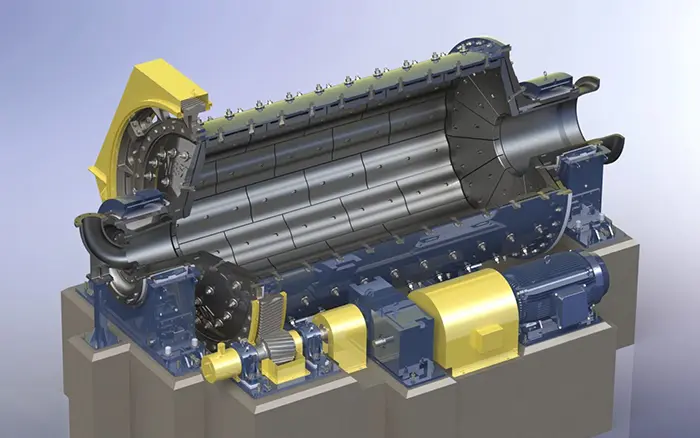
The Ball Mill operates via a rotary drum mechanism driven by high-torque motors or gear systems, utilizing centrifugal force and gravitational impact to grind materials. Its core design features a cylindrical shell lined with wear-resistant plates, filled with grinding media occupying 25-50% of the effective volume. As the drum rotates at optimized speeds, media are lifted by friction and centrifugal force to a peak height before falling, creating impact and attrition forces that pulverize ores, minerals, or cement clinker. The overflow discharge design enables continuous material flow, with fine particles exiting through the hollow shaft while oversized material remains for further grinding.

Technical Parameters

Model

Cylinder size

(mm)

Feed size

(mm)

Discharge size

(mm)

Motor power

(kw)

Capacity

(tph)

MQY2400*5000Φ2400*5000≤200.074-0.432010-70
MQY2700*4000Φ2700*4000≤200.074-0.440022-80
MQY3200*4500Φ3200*4500≤200.074-0.4630-
MQY3600*5000Φ3600*5000≤200.074-0.41250-
MQY3600*6000Φ3600*6000≤200.074-0.41250-
MQY4000*6000Φ4000*6000≤200.074-0.4150065-248


We are here waiting for you
Our professional team can tailor the solution to suit your needs and answer your questions
Contact Engineer

Frequently Asked Questions

A ball mill is a type of grinding equipment designed to reduce materials such as ores, minerals, chemicals, or ceramics into finer particles or powders. It operates on the principle of impact and attrition: a rotating cylindrical shell filled with grinding media (typically steel balls) lifts the media by centrifugal force. When the media falls back down, it crushes the material through impact, while sliding and rolling produce attrition forces that further grind the material into finer particles. The shell rotates at 40–70% of its critical speed to ensure optimal grinding action.

Mining ball mills are primarily classified into two types based on their discharge method. **Overflow-type ball mills** feature a simple structure where ore slurry naturally overflows from the discharge end, making them ideal for fine grinding of materials like gold, silver, and copper ores to particle sizes of 0.074–0.4mm. **Grid-type ball mills** are equipped with a grid plate at the discharge end to control particle size, designed for coarse to medium grinding (0.2–0.8mm) and widely used in the first stage of multi-stage grinding processes for iron ore, lead-zinc ore, and coal mining.

The critical speed is the RPM at which centrifugal force would pin the grinding media to the mill wall, ceasing grinding action. Ball mills typically operate at 65–85% of critical speed to maintain effective grinding. Operating at 65–75% of critical speed provides the optimal balance where grinding media cascade properly for effective impact and attrition.

In wet grinding, water or process liquid is added to the mill together with the ore, forming a slurry. This is the most common method in mineral processing as it improves grinding efficiency, reduces dust, prevents overheating, and facilitates material transport through pipelines to downstream flotation or leaching circuits. In dry grinding, no liquid is added, and the ground powder is discharged as a dry product — used in cement production, ceramic processing, and applications where moisture would cause product degradation or process issues. For most metal mining applications, wet grinding in a ball mill is recommended for its superior efficiency and compatibility with downstream wet beneficiation processes.

The key difference lies in the grinding media and the resulting product characteristics. A ball mill uses steel balls as grinding media and produces finer, more uniform output — typically below 0.074mm (200 mesh) — making it ideal for fine grinding in the final stage of ore processing. A rod mill uses long steel rods as grinding media, which grind by line contact rather than point contact, producing a coarser, more selectively sized product with less over-grinding (sliming). Rod mills are preferred as the first stage of grinding (before a ball mill) when a coarser, well-graded product is needed, such as in sand making or upstream of a ball mill in a rod mill–ball mill circuit.

A ball mill consists of a cylinder (shell) made of thick carbon steel or alloy steel plates that holds the grinding media and raw materials. The inner surface is lined with wear-resistant liners (manganese steel, rubber, or ceramic) to protect the cylinder. Grinding media (typically steel balls) deliver the grinding force. Diaphragms divide multi-compartment mills into chambers for gradual refinement. Auxiliary components include the drive system (motor, reducer, pinion gear), bearings, and lubrication system.

Explore Our Projects

Related Blog

How to Make a Ball Mill for Efficient Grinding

How to Make a Ball Mill for Efficient Grinding

Learn how to make a ball mill with this step-by-step guide, including materials, design tips, and safety considerations for small-scale grinding applications.

2026-04-18 Read →
Effective Ball Mill Maintenance Strategies for Optimal Performance

Effective Ball Mill Maintenance Strategies for Optimal Performance

Expert ball mill maintenance guide: inspection, lubrication, part replacement & troubleshooting to minimize downtime and extend service life.

2026-03-26 Read →
Ball Mill Capacity Calculation: Formulas, Factors & Optimization Tips

Ball Mill Capacity Calculation: Formulas, Factors & Optimization Tips

Learn ball mill capacity calculation formulas, key factors affecting capacity, and optimization tips to maximize your ball mill’s production efficiency.

2026-02-24 Read →
Ball Mill Liner: Types, Materials, Functions & Maintenance Guide

Ball Mill Liner: Types, Materials, Functions & Maintenance Guide

Learn about ball mill liner, including its types, materials, core functions, installation tips and maintenance practices for optimal ball mill performance.

2026-02-09 Read →
Ball Mill Parts: A Complete Guide to Components & Functions

Ball Mill Parts: A Complete Guide to Components & Functions

Ball mill parts: Learn core components, their functions, materials & maintenance for mineral grinding and processing equipment.

2026-01-28 Read →
How to Ball Mill: Step-by-Step Industrial Operation Guide

How to Ball Mill: Step-by-Step Industrial Operation Guide

How to ball mill? Step-by-step guide for safe, efficient grinding of minerals, ores & materials in mining/construction.

2025-12-31 Read →
How Does a Ball Mill Work? Step-by-Step Working Principle

How Does a Ball Mill Work? Step-by-Step Working Principle

Learn how does ball mill work, including its working principle, grinding stages, key factors, and wet vs dry operation.

2025-12-16 Read →
What Is a Ball Mill? A Complete Guide

What Is a Ball Mill? A Complete Guide

Learn what is a ball mill, how it works, its types, applications, and advantages in mining, cement, and industrial material grinding.

2025-12-16 Read →

Send message

Please enter your name
Please enter your email
Please enter your message