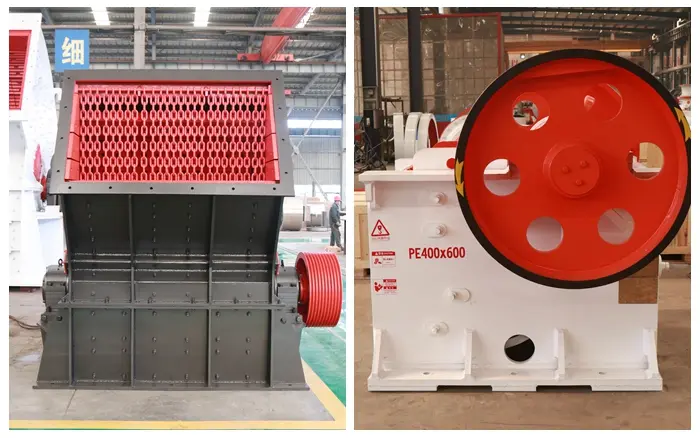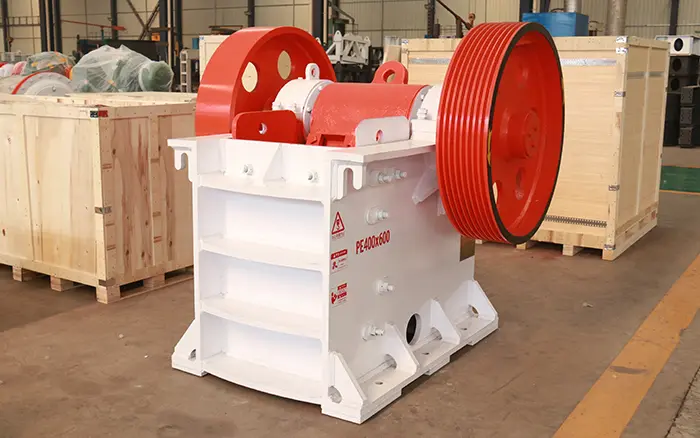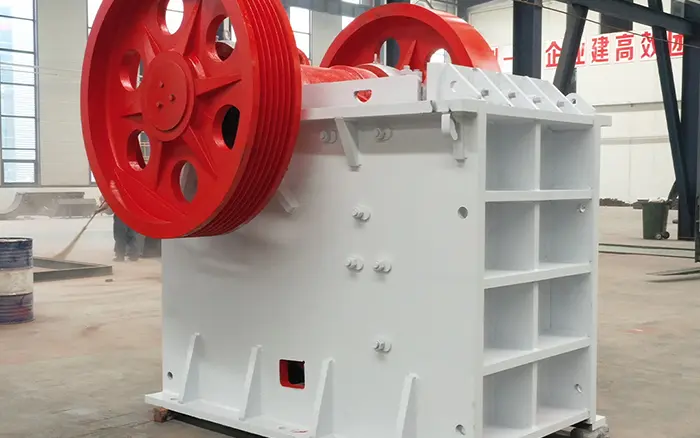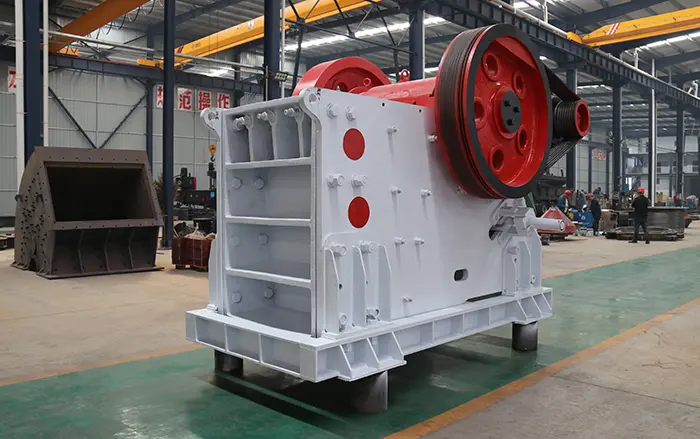
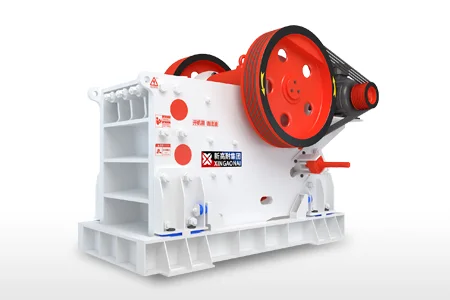
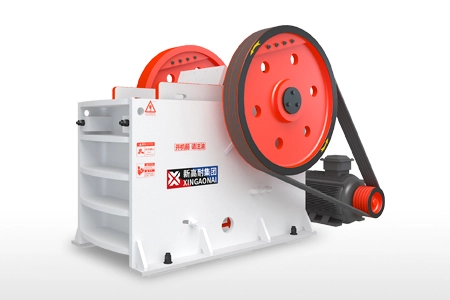
A rock jaw crusher is a primary crushing machine designed to reduce large rocks into smaller, more manageable sizes through compressive force. It is one of the most widely used crushing equipment types in mining, quarrying, aggregate production, and construction projects.
The machine consists of a fixed jaw and a moving jaw. As the moving jaw approaches the fixed jaw, the material is compressed and fractured. The crushed material then exits through the discharge opening at the bottom of the crusher.
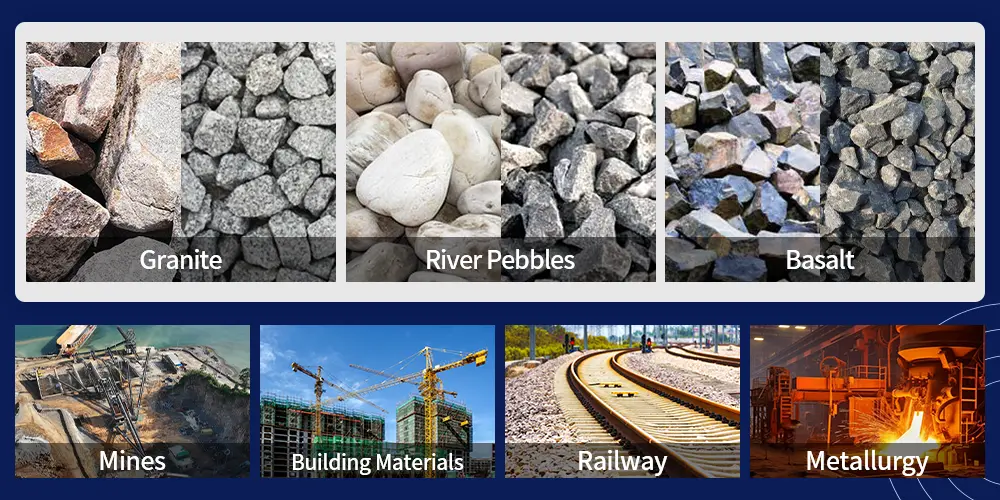
Rock jaw crushers are commonly used to process hard and abrasive materials such as granite, basalt, quartz, river stone, and various ores.
How Does a Rock Jaw Crusher Work?
The rock jaw crusher working principle is based on the compression of materials between two jaw plates.
Feeding Stage
Large rocks are fed into the crushing chamber through the feed opening. The feed size depends on the crusher model and design.
Crushing Process
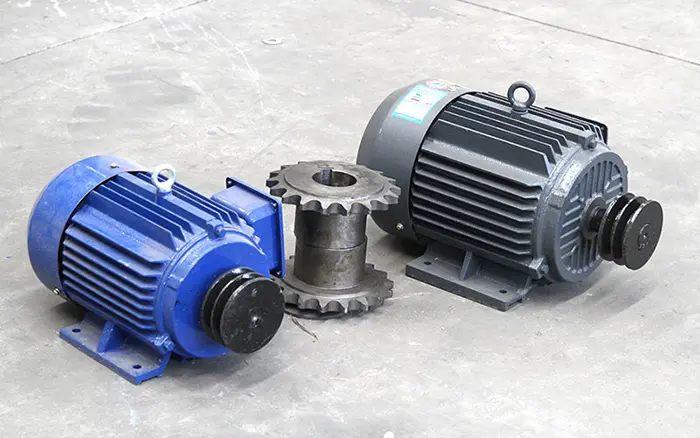
An electric motor drives the eccentric shaft, causing the moving jaw to move back and forth. When the moving jaw approaches the fixed jaw, the rock is compressed and broken.
Discharge Stage
Once the material reaches the desired size, it falls through the discharge opening and is conveyed to the next processing stage.
This simple but efficient mechanism allows jaw crushers to handle a wide range of materials and operating conditions.
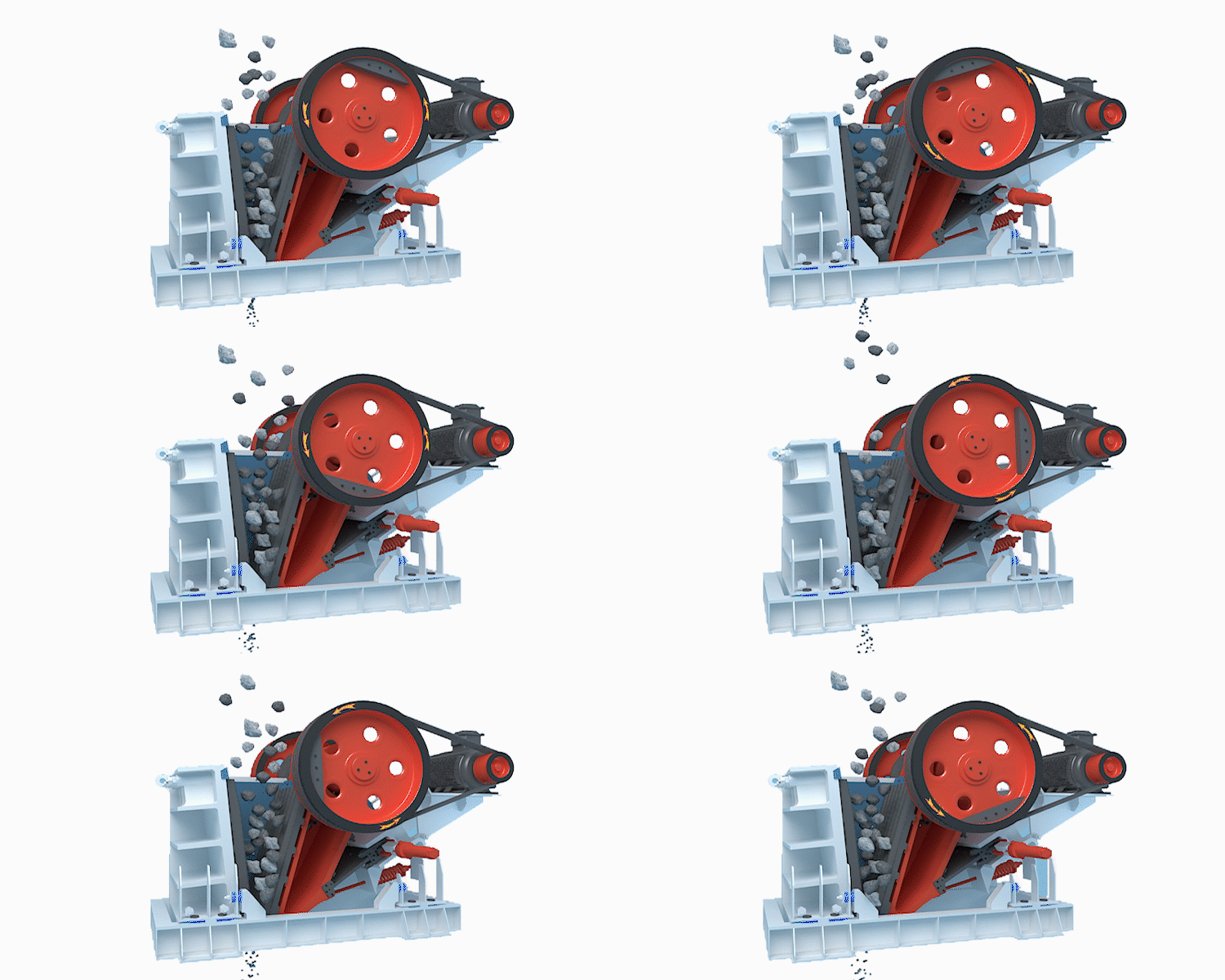
Main Components of a Rock Jaw Crusher
Understanding the major components helps operators maintain performance and reduce downtime.
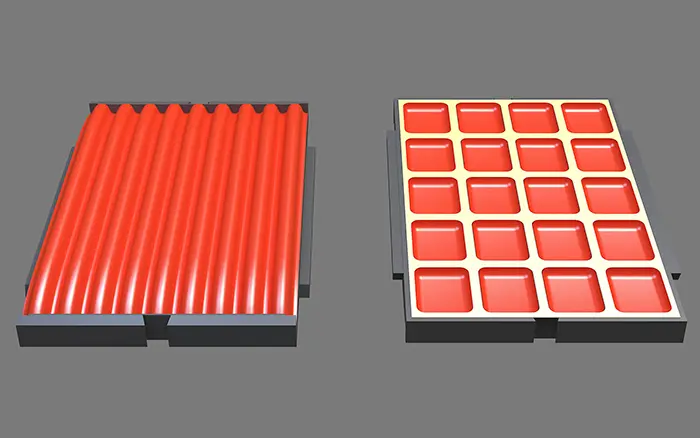
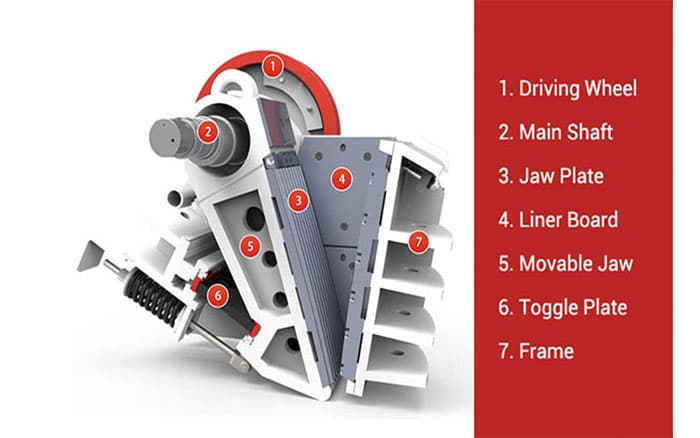
Fixed Jaw Plate
The stationary crushing surface that works together with the moving jaw to crush materials.
Moving Jaw Plate
The movable crushing surface driven by the eccentric shaft.
Eccentric Shaft
The key component that generates the crushing motion.
Toggle Plate
Provides support to the moving jaw and protects the crusher from overload.
Flywheel
Stores rotational energy and helps maintain smooth operation.
Crusher Frame
The main structural body that supports all crusher components.
Types of Rock Jaw Crushers
Different crushing applications require different jaw crusher designs.
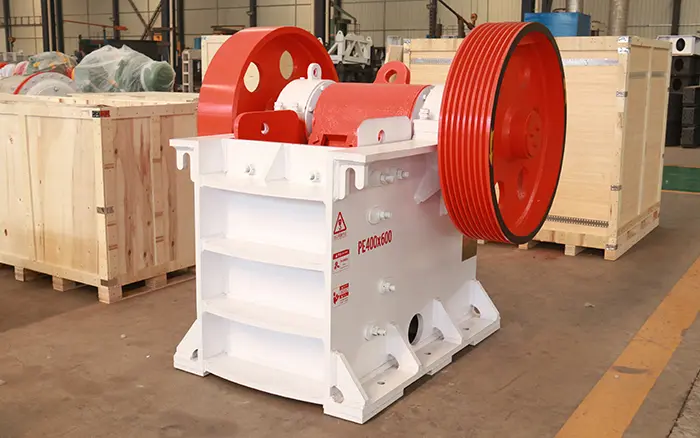
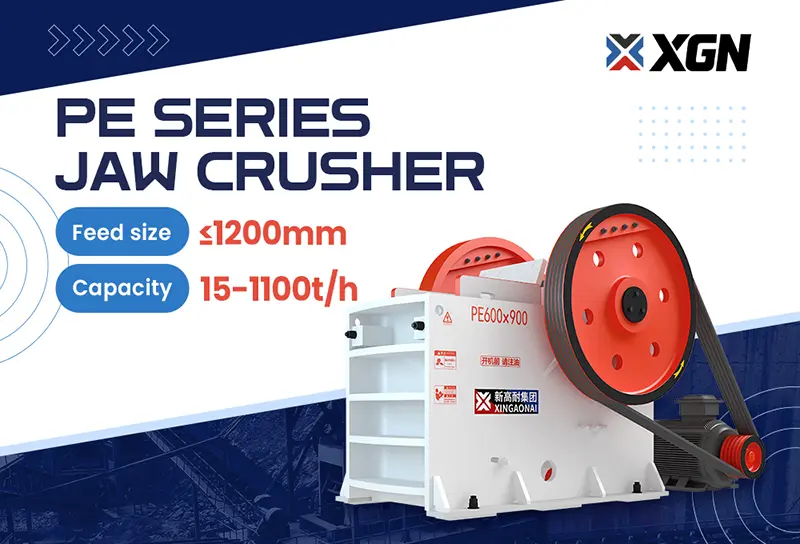
PE Jaw Crusher
PE jaw crushers are widely used for primary crushing and offer a simple structure, reliable performance, and low operating costs.
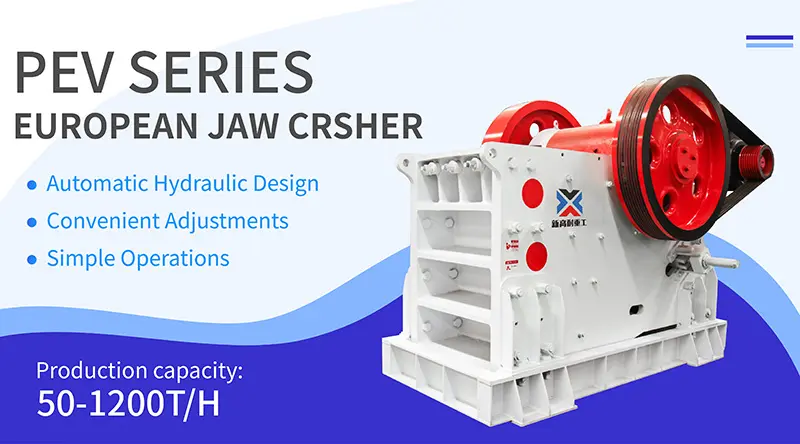
PEV Jaw Crusher
PEV jaw crushers feature an optimized crushing chamber and higher crushing efficiency, making them suitable for demanding applications.
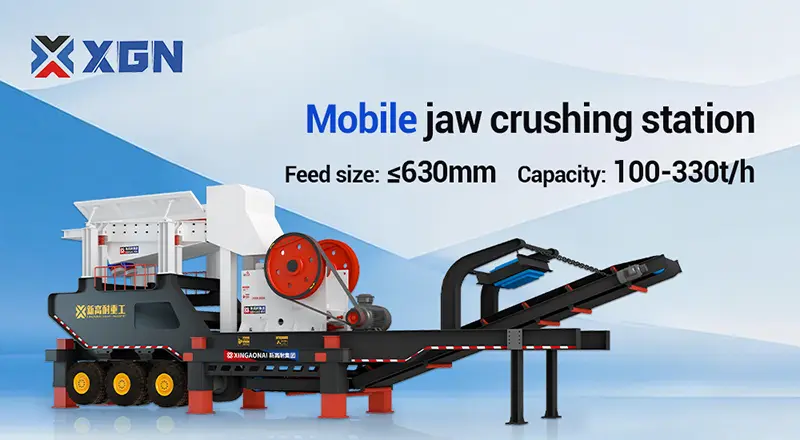
Mobile Jaw Crusher
Mobile jaw crushers combine flexibility and mobility, allowing crushing operations to be performed directly at job sites.
What Rocks Can a Jaw Crusher Crush?
Rock jaw crushers are capable of processing a variety of materials.
| Material | Suitability |
|---|---|
| Granite | Excellent |
| Basalt | Excellent |
| Quartz | Excellent |
| River Stone | Excellent |
| Limestone | Good |
| Iron Ore | Excellent |
| Copper Ore | Excellent |
| Gold Ore | Excellent |
Their ability to handle hard and abrasive materials makes them a preferred choice for primary crushing operations.
Advantages of Using a Rock Jaw Crusher
High Crushing Ratio
Jaw crushers efficiently reduce large rocks into smaller sizes suitable for further processing.
Simple and Durable Design
The straightforward structure simplifies operation and maintenance.
Reliable Performance
Rock jaw crushers are designed to operate continuously under demanding conditions.
Low Maintenance Costs
Fewer moving parts help reduce maintenance requirements and operating expenses.
Wide Material Compatibility
They can process a broad range of rock types and ores.
Rock Jaw Crusher vs Cone Crusher
Although both machines are used in crushing plants, they serve different purposes.
| Feature | Rock Jaw Crusher | Cone Crusher |
| Crushing Stage | Primary | Secondary/Tertiary |
| Feed Size | Large | Medium |
| Product Shape | Moderate | Excellent |
| Operating Cost | Lower | Higher |
| Hard Rock Processing | Excellent | Excellent |
A jaw crusher is typically used for the first stage of crushing, while a cone crusher is used for secondary and fine crushing.
How to Choose the Right Rock Jaw Crusher
Several factors should be considered before selecting a crusher.
Material Hardness
Harder materials require more robust crushing equipment.
Feed Size
The maximum feed size should match the crusher's inlet dimensions.
Capacity Requirements
Choose a model capable of meeting your desired production output.
Final Product Requirements
Consider the target particle size and downstream processing needs.
Budget and Maintenance Costs
Evaluate both the initial investment and long-term operating expenses.
Maintenance Tips for Rock Jaw Crushers
Regular maintenance helps maximize equipment life and productivity.
Inspect jaw plates for wear.
Lubricate bearings according to manufacturer recommendations.
Check the toggle plate regularly.
Monitor vibration and noise levels.
Tighten bolts and fasteners periodically.
Preventive maintenance reduces unexpected downtime and costly repairs.
Common Applications of Rock Jaw Crushers
Rock jaw crushers are widely used in:
Mining Operations
Primary crushing of ores before further processing.
Quarrying
Production of aggregates for construction and infrastructure projects.
Construction Waste Recycling
Processing concrete and demolition waste into reusable materials.
Sand and Aggregate Production
Preparing raw materials for sand making and aggregate plants.
Road Construction
Producing crushed stone for highways and road base materials.
Why Rock Jaw Crushers Remain the First Choice for Primary Crushing
Rock jaw crushers continue to be one of the most important machines in crushing plants worldwide. Their simple structure, reliable performance, high crushing capacity, and ability to process hard rock make them an ideal solution for primary crushing applications. Whether used in mining, quarrying, or construction projects, a properly selected rock jaw crusher can significantly improve productivity while reducing operating costs.