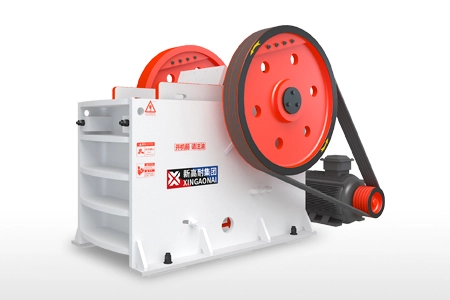
The jaw crusher motor is one of the most important components of a jaw crusher. It provides the power required to drive the eccentric shaft, enabling the moving jaw to crush materials efficiently. Selecting the right motor and maintaining it properly are essential for achieving stable performance, reducing downtime, and maximizing productivity.
This guide explains the functions of a jaw crusher motor, power requirements, selection factors, and maintenance best practices.
What Is a Jaw Crusher Motor?
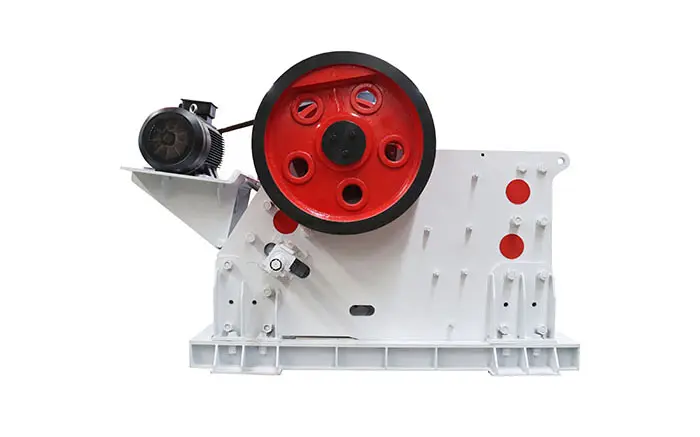
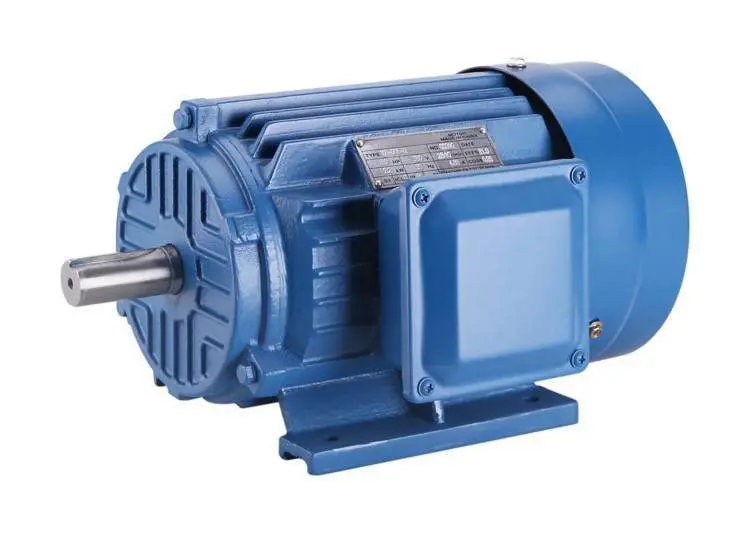
A jaw crusher motor is the electric motor that powers the crushing mechanism of a jaw crusher. It converts electrical energy into mechanical energy, which is transmitted through belts, pulleys, or direct drive systems to rotate the eccentric shaft.
Without a properly sized motor, a jaw crusher cannot achieve its designed capacity or crushing efficiency.
How Does a Jaw Crusher Motor Work?
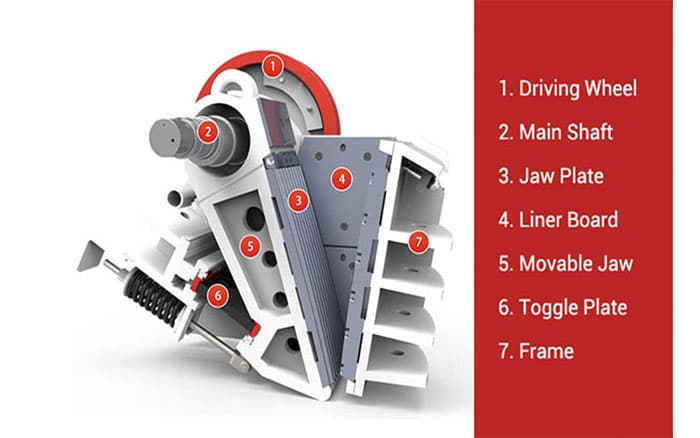
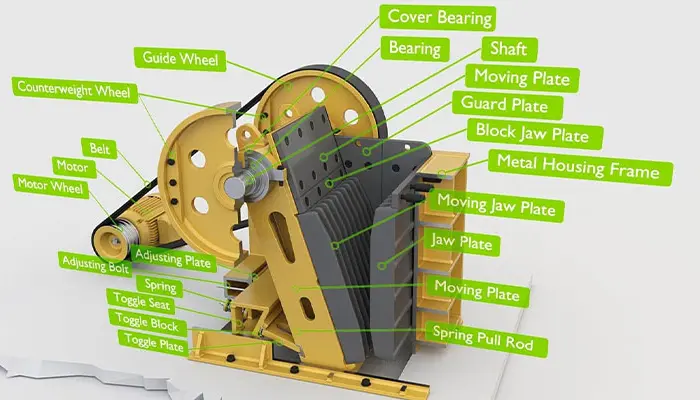
The motor drives the crusher through a transmission system, typically consisting of:
Electric motor
V-belt drive system
Flywheel
Eccentric shaft
When the motor rotates, the eccentric shaft causes the moving jaw to move toward and away from the fixed jaw. This motion creates the compressive force needed to crush rock, ore, and other materials.
The motor must provide sufficient torque and power to handle varying loads during operation.
Why Is the Jaw Crusher Motor Important?
The performance of a jaw crusher depends heavily on the motor's reliability and efficiency.
Key benefits of a properly selected motor include:
Stable crushing performance
Higher production capacity
Lower energy consumption
Reduced equipment wear
Improved operational reliability
A poorly matched motor may cause frequent overloads, reduced throughput, and increased maintenance costs.
Common Jaw Crusher Motor Power Requirements
Motor power requirements vary depending on the crusher model, feed size, material hardness, and production capacity.
Typical examples include:
| Jaw Crusher Model | Motor Power |
|---|---|
| Small Jaw Crusher | 15–55 kW |
| Medium Jaw Crusher | 55–160 kW |
| Large Jaw Crusher | 160–400 kW |
| Heavy-Duty Jaw Crusher | 400 kW+ |
The actual motor size should always be determined according to the manufacturer's specifications and operating conditions.
Factors to Consider When Selecting a Jaw Crusher Motor
Choosing the correct jaw crusher motor is critical for efficient operation.
Crusher Capacity
Higher-capacity crushers require more powerful motors to handle increased material throughput.
Material Hardness
Hard materials such as granite, basalt, and iron ore require greater crushing force and higher motor power.
Feed Size
Larger feed sizes generally increase the load on the crusher and motor.
Operating Environment
Dust, temperature, humidity, and altitude can affect motor performance and lifespan.
Energy Efficiency
High-efficiency motors can reduce operating costs and improve overall plant performance.
Types of Motors Used in Jaw Crushers
Several motor types can be used depending on the application.
Three-Phase Induction Motors
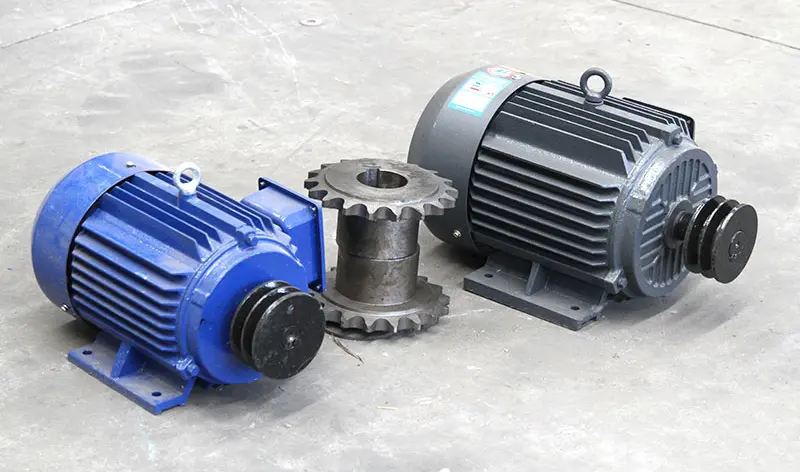
These are the most commonly used motors in jaw crushers because of their reliability and cost-effectiveness.
High-Efficiency Motors
Designed to reduce energy consumption while maintaining high performance.
Variable Frequency Drive (VFD) Motors
VFD systems allow operators to control motor speed and optimize crusher performance under different operating conditions.
Common Jaw Crusher Motor Problems
Like any industrial component, jaw crusher motors may experience operational issues.
Motor Overheating
Possible causes:
Overloading
Poor ventilation
Excessive dust accumulation
Excessive Vibration
Possible causes:
Misalignment
Loose mounting bolts
Worn bearings
High Energy Consumption
Possible causes:
Incorrect motor sizing
Mechanical resistance
Inefficient operating conditions
Starting Difficulties
Possible causes:
Electrical faults
Damaged wiring
Insufficient power supply
Regular inspection can help identify and resolve these issues before they affect production.
Jaw Crusher Motor Maintenance Tips
Proper maintenance extends motor life and improves crusher reliability.
Inspect Electrical Connections
Check cables, terminals, and connectors regularly for damage or loose connections.
Monitor Operating Temperature
Abnormal temperature increases may indicate overload or ventilation problems.
Lubricate Bearings
Follow the manufacturer's recommendations for bearing lubrication intervals.
Clean Dust and Debris
Dust buildup can reduce cooling efficiency and shorten motor lifespan.
Check Belt Tension
Incorrect belt tension can place unnecessary stress on the motor and transmission system.
How to Improve Jaw Crusher Motor Efficiency
Several strategies can improve motor performance:
Use high-efficiency motors
Maintain proper lubrication
Avoid overloading the crusher
Optimize feed size distribution
Install variable frequency drives when appropriate
Perform preventive maintenance regularly
These measures help reduce energy consumption and improve overall crushing efficiency.
The Role of the Jaw Crusher Motor in Crushing Performance
The jaw crusher motor serves as the power source for the entire crushing process. Its selection, efficiency, and maintenance directly influence production capacity, energy consumption, and equipment reliability. By choosing the correct motor size and following proper maintenance practices, operators can ensure consistent crushing performance and maximize the return on their equipment investment.