Limestone is one of the most abundant sedimentary rocks on Earth and an essential raw material for modern industry. It has been used for thousands of years in construction and continues to play a critical role in cement manufacturing, steel production, mining, agriculture, environmental protection, and infrastructure development.
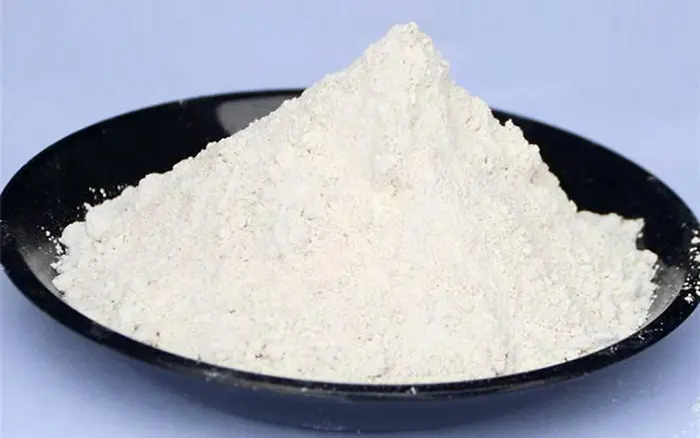
Composed primarily of calcium carbonate, limestone is valued for its wide availability, ease of processing, and excellent chemical properties. Its relatively low hardness also makes it one of the most economical rocks to crush and process, allowing it to be used in everything from concrete aggregates to industrial fillers.
Whether you are a quarry operator, mining engineer, construction contractor, or simply interested in geology, understanding limestone's formation, composition, physical properties, and industrial applications can help you better appreciate why this rock remains one of the world's most valuable natural resources.
What Is Limestone?
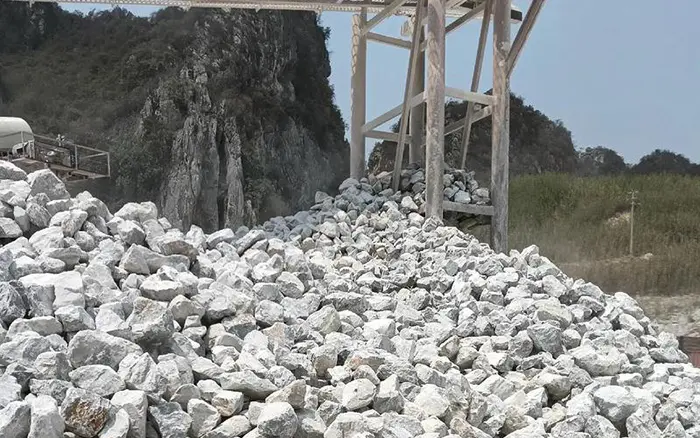
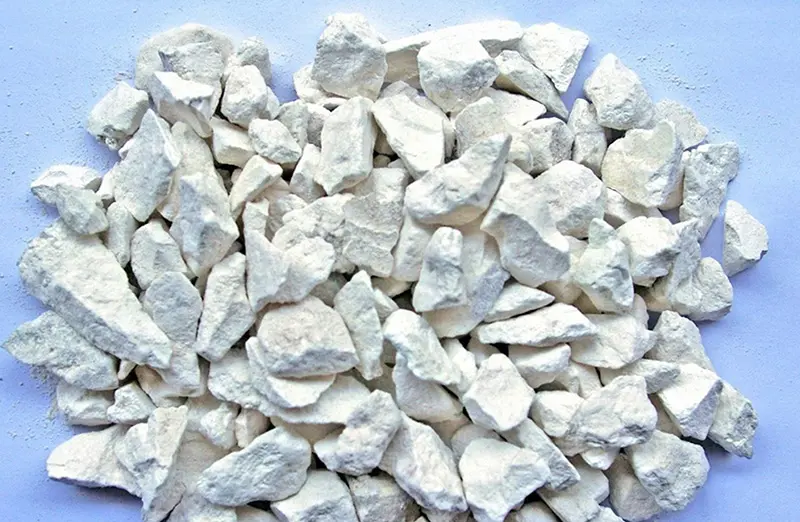
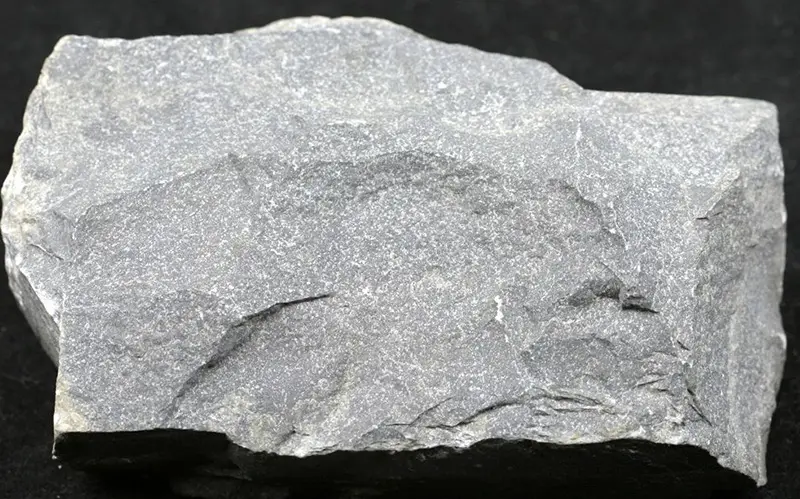
Limestone is a sedimentary rock composed mainly of calcium carbonate (CaCO₃) in the form of calcite. In some deposits, limestone also contains aragonite, dolomite, silica, clay minerals, iron oxides, and organic matter.
Most limestone forms beneath ancient seas where the shells, coral fragments, algae, and skeletal remains of marine organisms gradually accumulate. Over millions of years, these sediments are compacted and cemented together, creating thick limestone formations.
Today, limestone deposits are found worldwide and are extensively quarried for industrial and commercial use.
How Is Limestone Formed?
Limestone develops through several natural geological processes.
Biological Formation
Most limestone originates from marine organisms that produce calcium carbonate shells or skeletons. After these organisms die, their remains settle on the seabed.
Sedimentation
Layer upon layer of calcium-rich sediments accumulate over long geological periods, forming thick deposits.
Compaction and Cementation
As additional sediments build up, pressure compresses the lower layers while dissolved minerals bind the particles together, transforming loose sediment into solid rock.
Chemical Precipitation
Some limestone forms directly when calcium carbonate precipitates from groundwater, lakes, or seawater. This process creates materials such as travertine and cave formations including stalactites and stalagmites.
Chemical Composition of Limestone
Although the exact composition varies by deposit, limestone is primarily made of calcium carbonate.
| Component | Typical Content |
|---|---|
| Calcium Carbonate (CaCO₃) | 90–99% |
| Magnesium Carbonate | 0–5% |
| Silica | Trace |
| Alumina | Trace |
| Iron Oxides | Trace |
| Clay & Organic Matter | Small Amounts |
High-purity limestone containing more than 95% calcium carbonate is widely used in cement plants, steel mills, and chemical industries.
Physical Properties of Limestone
Limestone possesses several characteristics that make it suitable for numerous industrial applications.
Hardness
Its Mohs hardness ranges from 3 to 4, making it significantly softer than granite or basalt.
Density
The density generally falls between 2.3 and 2.7 g/cm³, depending on mineral composition and porosity.
Color
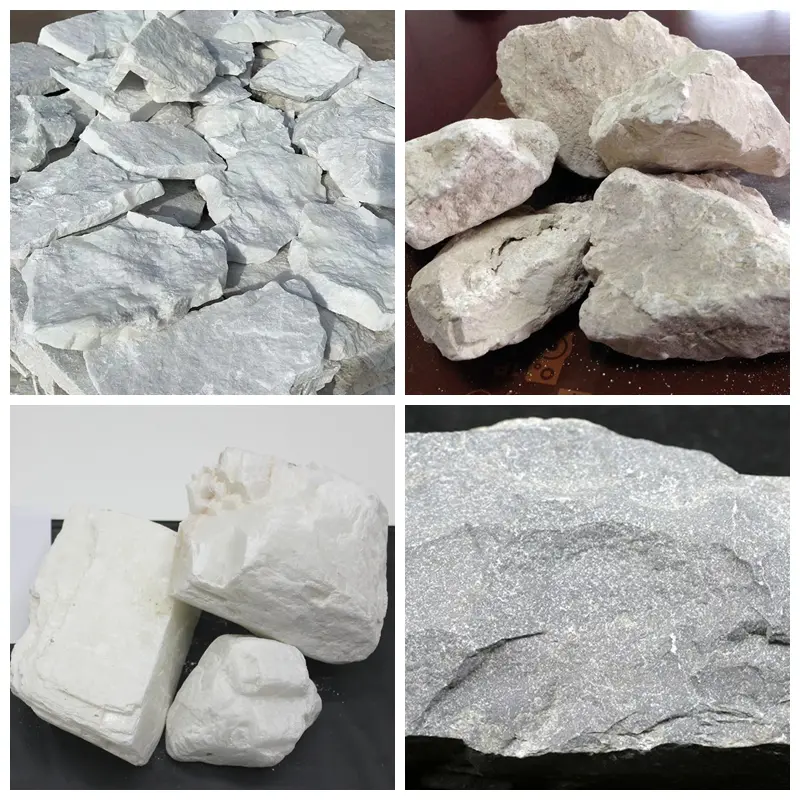
Natural limestone may appear:
White
Light gray
Beige
Yellow
Brown
Blue-gray
These color variations result from different mineral impurities.
Compressive Strength
Depending on its quality and geological structure, limestone typically has a compressive strength ranging from 30 MPa to 250 MPa.
Abrasiveness
Compared with hard igneous rocks, limestone has low abrasiveness, which reduces wear on crushing equipment and lowers maintenance costs.
Common Types of Limestone
Different geological environments produce different varieties of limestone.
Fossil Limestone
Contains visible fossil fragments and is widely used as decorative building stone.
Chalk
A soft, white, porous limestone composed mainly of microscopic marine organisms.
Travertine
Produced by mineral-rich springs, travertine is commonly used for flooring, wall cladding, and architectural decoration.
Oolitic Limestone
Composed of small spherical grains known as ooids and commonly used as construction stone.
Dolomitic Limestone
Contains significant magnesium carbonate and is frequently used in metallurgy and agriculture.
Industrial Applications of Limestone
Limestone is one of the world's most versatile industrial minerals.
Cement Manufacturing
Limestone is the primary raw material used to produce Portland cement. During calcination, calcium carbonate decomposes into lime, which reacts with other materials to form cement clinker.
Construction Aggregates
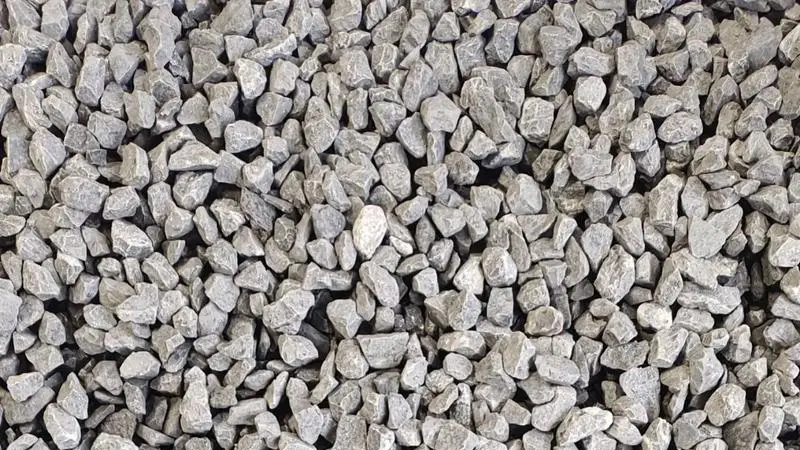
Crushed limestone is widely used for:
Concrete aggregates
Asphalt mixtures
Road base construction
Railway foundations
Drainage systems
Lime Production
Heating limestone produces quicklime (CaO), an essential material for steelmaking, chemical production, water treatment, and environmental protection.
Steel Industry
Limestone functions as a flux, helping remove impurities during iron and steel production.
Agriculture
Agricultural lime improves soil quality by neutralizing acidity and supplying calcium for crop growth.
Environmental Protection
Limestone is widely used for:
Flue gas desulfurization
Wastewater treatment
Drinking water purification
Acid mine drainage control
Limestone Processing
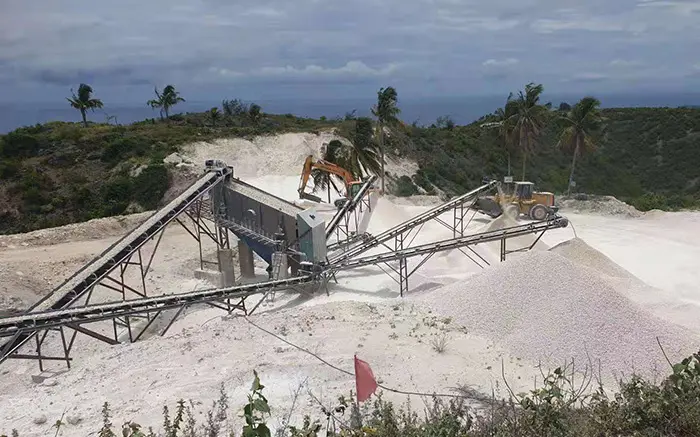
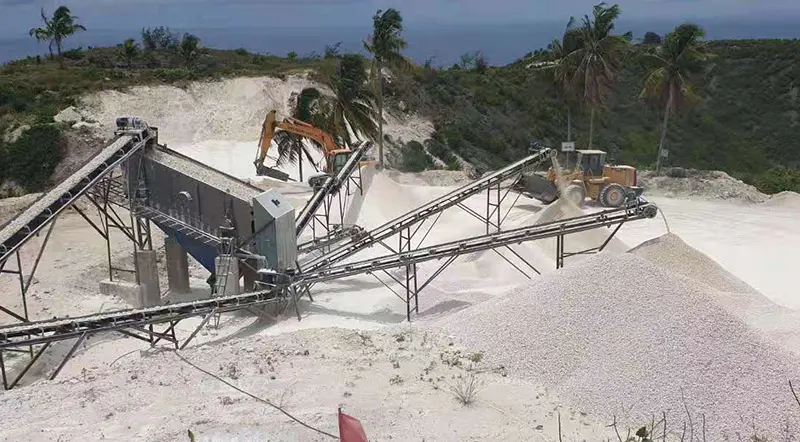
After extraction from the quarry, limestone undergoes several processing stages before reaching end users.
A typical limestone processing flow includes:
Drilling and blasting.
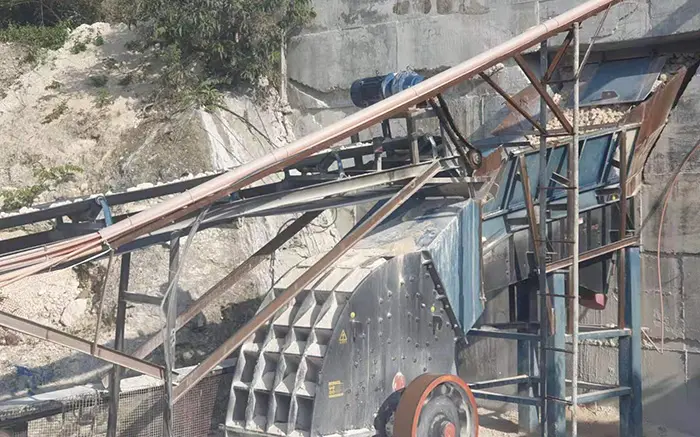
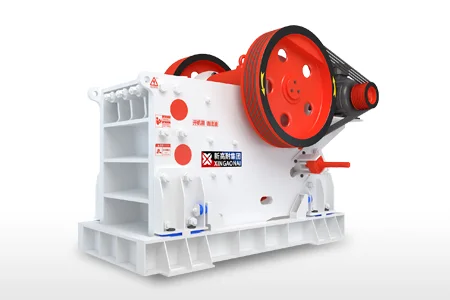
Primary crushing using a jaw crusher.
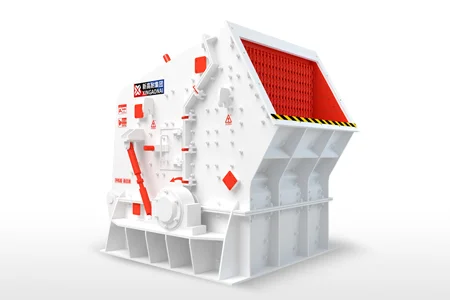
Secondary crushing with an impact crusher or hammer crusher.
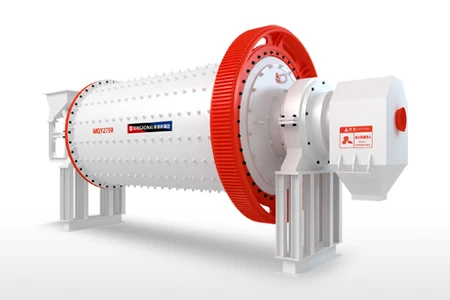
Grinding when fine limestone powder is required.
Storage and transportation.
Because limestone is relatively soft, processing requires less energy and causes less equipment wear than crushing harder rocks.
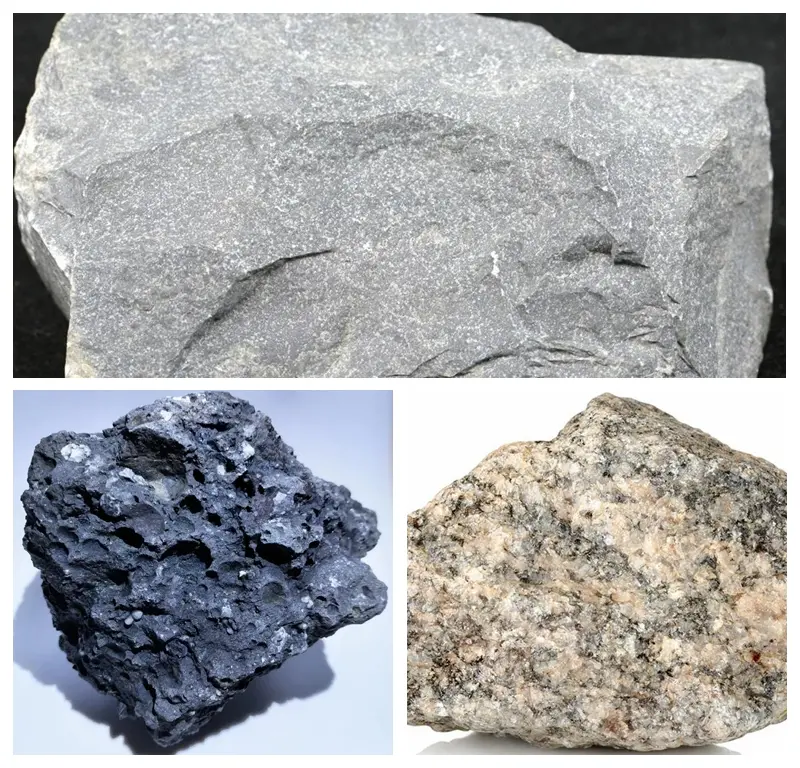
Limestone vs. Granite vs. Basalt
| Property | Limestone | Granite | Basalt |
|---|---|---|---|
| Rock Type | Sedimentary | Igneous | Igneous |
| Mohs Hardness | 3–4 | 6–7 | 6–7 |
| Abrasiveness | Low | High | Very High |
| Crushing Difficulty | Easy | Difficult | Very Difficult |
| Main Composition | Calcium Carbonate | Quartz & Feldspar | Plagioclase & Pyroxene |
| Typical Uses | Cement, Lime, Aggregates | Building Stone | Roads, Ballast, Aggregates |
Among these three rocks, limestone is the easiest to process, making it one of the most cost-effective materials for aggregate production.
Why Limestone Remains Essential to Modern Industry
Few natural resources have influenced human civilization as much as limestone. From ancient monuments to modern highways, this sedimentary rock continues to support infrastructure, manufacturing, agriculture, and environmental protection worldwide.
Its abundant reserves, low extraction cost, excellent chemical properties, and ease of processing ensure that limestone will remain a cornerstone of industrial development for decades to come.