
Basalt is one of the most abundant volcanic rocks on Earth. It forms the majority of the ocean floor and is also widely distributed across continents through ancient lava flows. Thanks to its high strength, excellent wear resistance, and durability, basalt has become an essential material in construction, road engineering, railway infrastructure, and aggregate production.
If you've ever wondered what basalt is, how it forms, or why it is so valuable in industrial applications, this guide provides a comprehensive overview of its formation, mineral composition, physical properties, and common uses.
What Is Basalt?
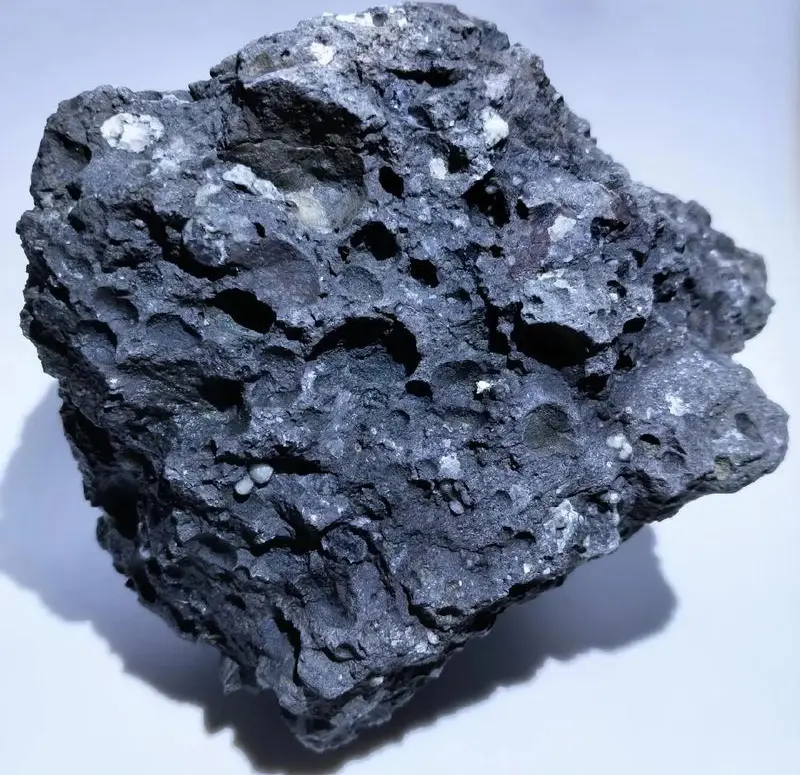
Basalt is a fine-grained extrusive igneous rock formed when low-viscosity lava erupts from volcanoes and cools rapidly at or near the Earth's surface.
Because the lava cools quickly, mineral crystals remain very small, giving basalt its dense and compact texture.
Basalt covers nearly 70% of the Earth's surface, particularly beneath the oceans, making it the most common volcanic rock on the planet.
Typical basalt colors include:
Dark gray
Black
Dark green
Brownish black
Its excellent mechanical properties make basalt a preferred material for heavy-duty engineering applications.
How Is Basalt Formed?
Basalt originates from mafic magma, which is rich in iron and magnesium but relatively low in silica.
The formation process typically involves four stages:
1. Partial Melting of the Mantle
High temperatures deep within the Earth's mantle cause rocks to melt, producing basaltic magma.
2. Magma Rises to the Surface
Because magma is less dense than surrounding rocks, it moves upward through fractures in the Earth's crust.
3. Volcanic Eruption
The magma erupts through volcanoes or fissures as fluid lava.
4. Rapid Cooling
Once exposed to air or seawater, the lava cools rapidly, forming fine-grained basalt.
This rapid cooling distinguishes basalt from granite, which cools slowly beneath the Earth's surface and develops much larger mineral crystals.
Mineral Composition of Basalt
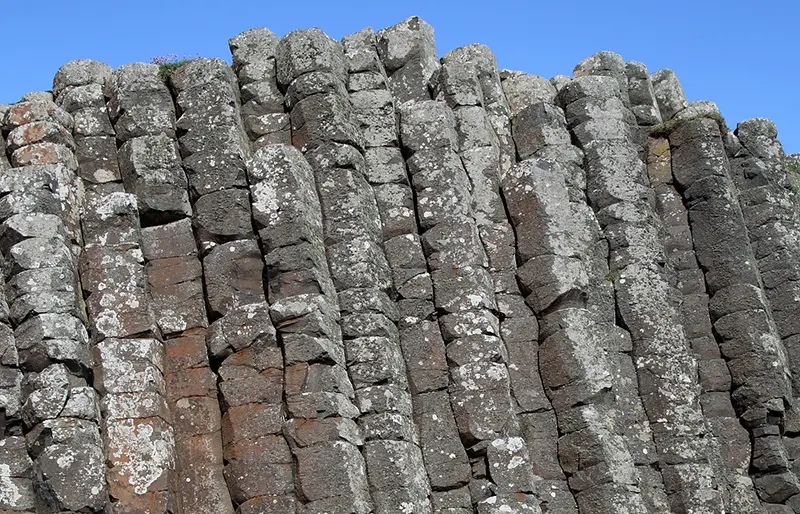
Basalt is primarily composed of dark-colored silicate minerals.
Typical mineral composition includes:
| Mineral | Typical Content |
|---|---|
| Plagioclase Feldspar | 40–60% |
| Pyroxene | 20–40% |
| Olivine | 5–20% |
| Magnetite | Small amounts |
| Ilmenite | Trace amounts |
Chemically, basalt generally contains:
Silicon dioxide (SiO₂): 45–52%
Aluminum oxide (Al₂O₃)
Iron oxides (FeO and Fe₂O₃)
Magnesium oxide (MgO)
Calcium oxide (CaO)
Compared with granite, basalt contains less silica but higher concentrations of iron and magnesium.
Physical Properties of Basalt
Basalt is valued for its exceptional strength and durability.
Hardness
Basalt has a Mohs hardness of approximately 6–7, making it significantly harder than limestone and comparable to granite.
Density
Typical density ranges from 2.8 to 3.0 g/cm³, contributing to its excellent load-bearing capacity.
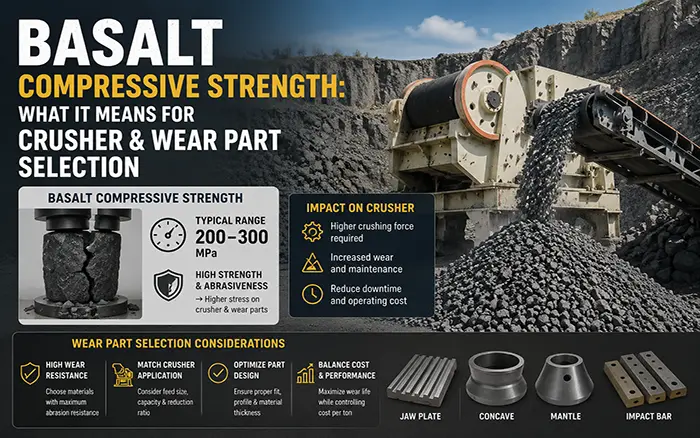
Compressive Strength
Basalt exhibits very high compressive strength, typically ranging from 150 MPa to over 350 MPa, depending on its mineral composition and geological origin.
This high strength makes basalt suitable for demanding structural applications.
Abrasion Resistance
Basalt is highly resistant to abrasion, making it ideal for:
Railway ballast
Road aggregates
Concrete aggregates
Wear-resistant industrial applications
Water Resistance
Basalt has low water absorption and excellent weather resistance, allowing it to perform well in harsh outdoor environments.
Types of Basalt
Although all basalt forms through volcanic activity, several varieties exist.
Tholeiitic Basalt
The most common type, found primarily in oceanic crust.
Characteristics:
Low potassium content
High iron content
Extensive lava flows
Alkaline Basalt
Contains higher levels of alkali elements such as sodium and potassium.
Commonly found in continental volcanic regions.
Pillow Basalt
Forms when basaltic lava erupts underwater.
Its rounded, pillow-like structures are common on the ocean floor.
Vesicular Basalt
Contains numerous small cavities formed by trapped volcanic gases during cooling.
Some vesicular basalts are later filled with secondary minerals, creating attractive decorative stones.
Common Uses of Basalt
Thanks to its excellent engineering properties, basalt has a wide range of industrial applications.
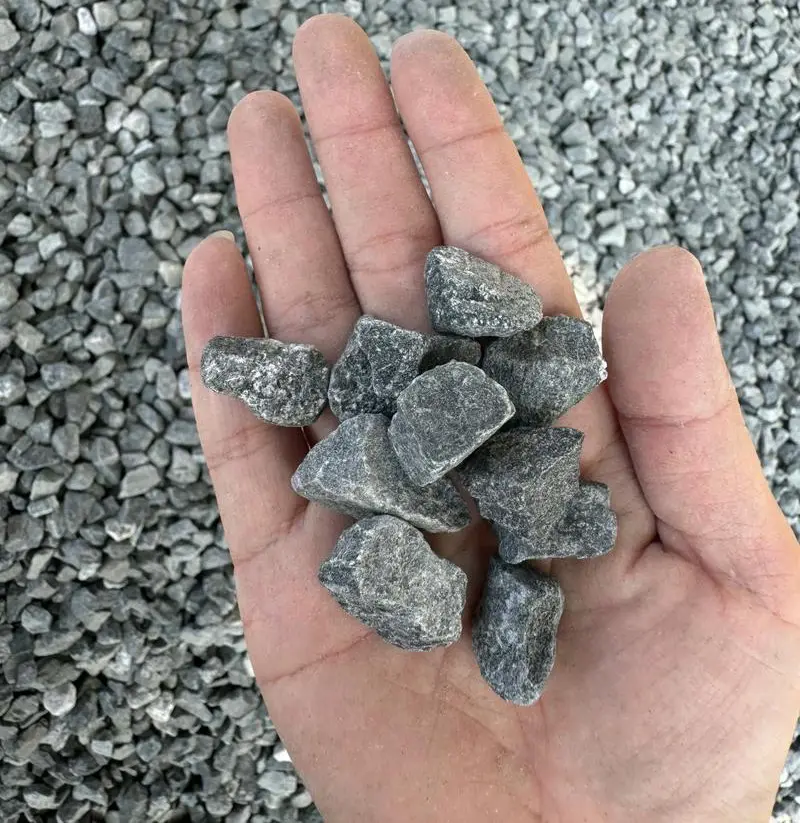
Construction Aggregates
Crushed basalt is widely used as:
Concrete aggregate
Asphalt aggregate
Road base material
Railway ballast
Its high strength improves the durability of infrastructure projects.
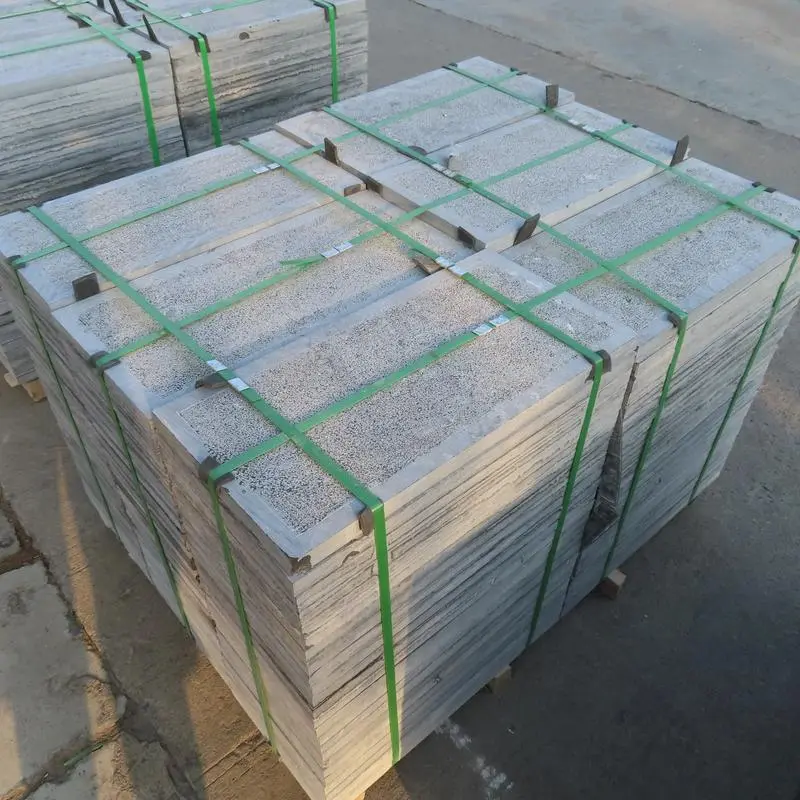
Building Stone
Dimension basalt is used for:
Exterior wall cladding
Floor tiles
Landscaping
Decorative stone
Its dark color gives modern architectural projects a distinctive appearance.
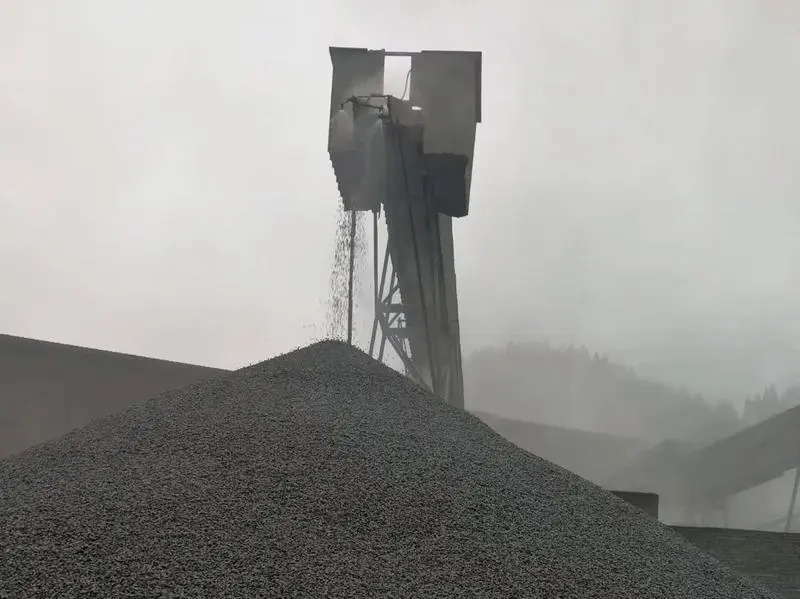
Mineral Processing
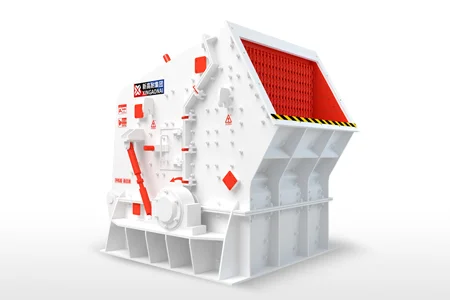
Basalt is commonly crushed using:
Impact crushers (in selected applications)
The resulting aggregates are screened into various sizes for construction and industrial use.
Basalt Fiber
Melted basalt can be transformed into basalt fiber, a high-performance material offering:
High tensile strength
Excellent corrosion resistance
Fire resistance
Lightweight construction
Basalt fiber is increasingly used in construction, automotive, aerospace, and composite materials.
Road Construction
Basalt aggregates are ideal for highways due to their:
High skid resistance
Excellent wear resistance
Long service life
Many expressways and airport runways incorporate basalt aggregates to improve pavement durability.
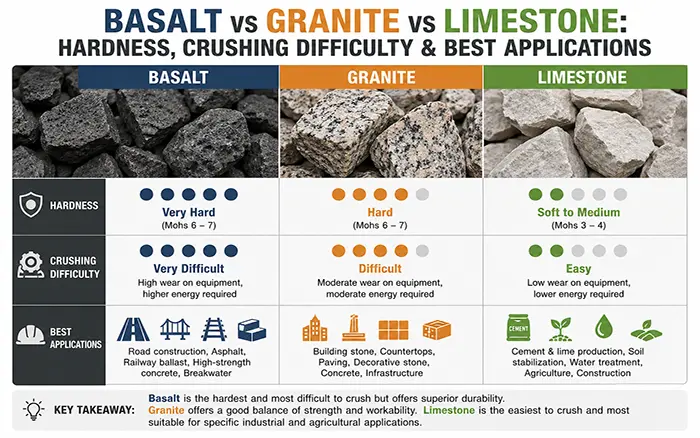
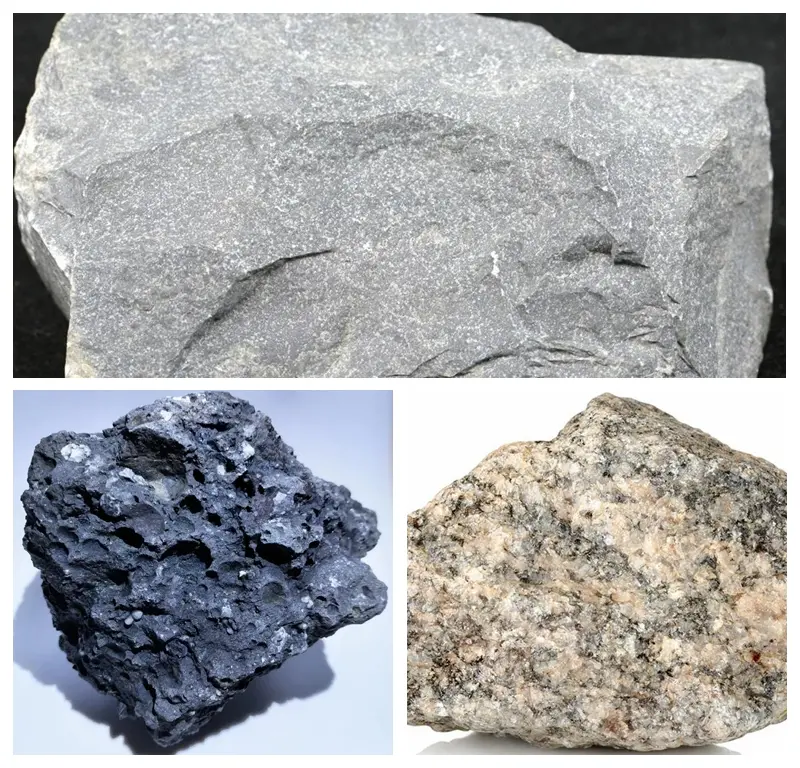
Basalt vs. Granite vs. Limestone
| Property | Basalt | Granite | Limestone |
|---|---|---|---|
| Rock Type | Extrusive igneous | Intrusive igneous | Sedimentary |
| Mohs Hardness | 6–7 | 6–7 | 3–4 |
| Abrasiveness | Very High | High | Low |
| Crushing Difficulty | Very High | High | Low |
| Typical Color | Black/Dark Gray | Gray/Pink | White/Gray |
| Main Applications | Roads, aggregates, ballast | Building stone | Cement, lime |
Among these three rocks, basalt generally presents the greatest challenge for crushing equipment because of its high hardness and abrasiveness.
How Is Basalt Processed?
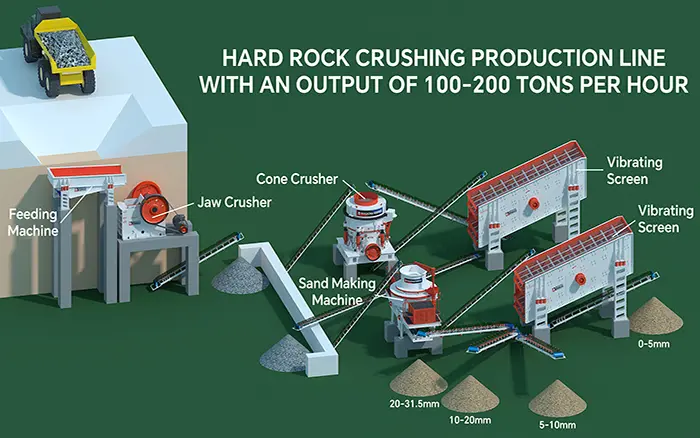
Basalt processing typically includes the following steps:
Quarry blasting or excavation.
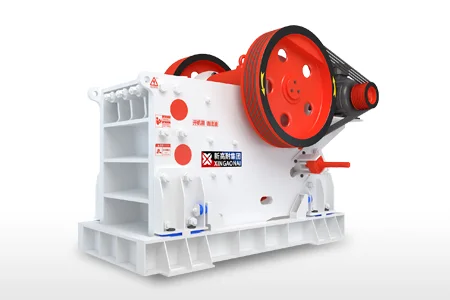
Primary crushing with a jaw crusher.
Secondary crushing using cone crushers.
Screening into different aggregate sizes.
Sand making (if required).
Storage and transportation.
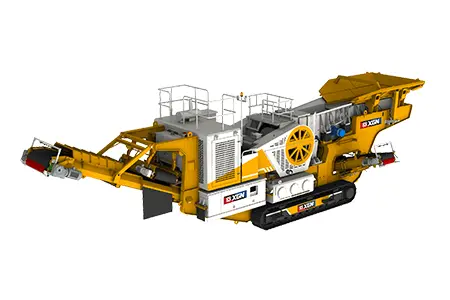
Modern crushing plants often use mobile crushers to improve operational flexibility and reduce transportation costs.
Why Is Basalt So Widely Used?
Basalt combines exceptional mechanical strength with long-term durability, making it one of the most reliable natural materials for engineering and construction. Its resistance to wear, weathering, and heavy loads allows it to perform well in demanding applications such as highways, railways, concrete production, and industrial aggregates.
As global infrastructure projects continue to expand, basalt remains one of the most important raw materials for producing high-quality aggregates, durable building materials, and advanced products such as basalt fiber.