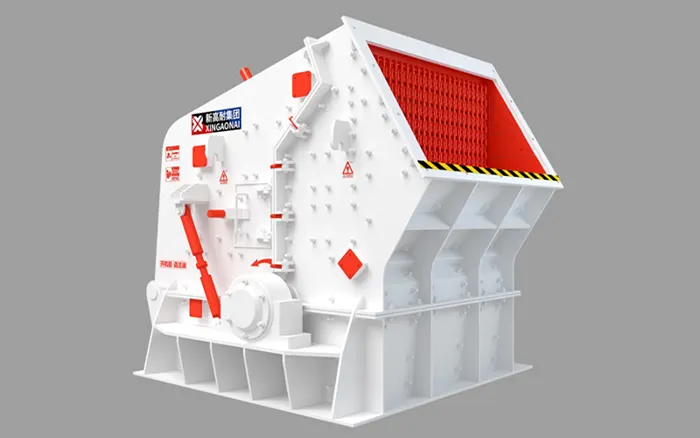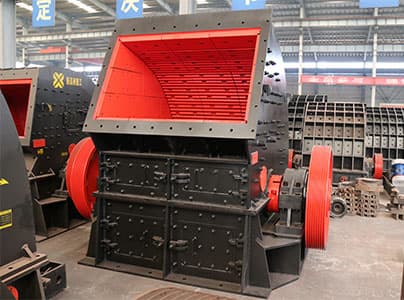
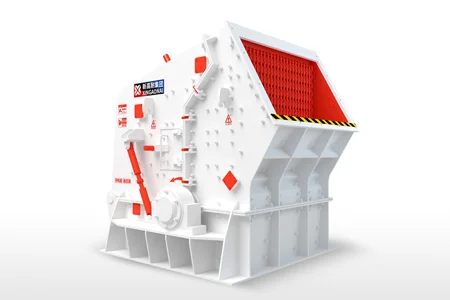
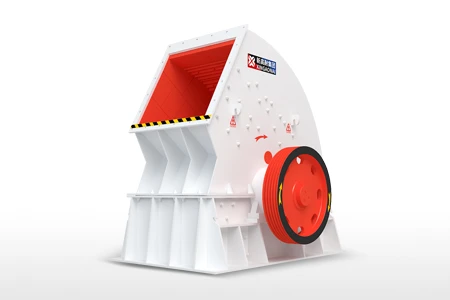
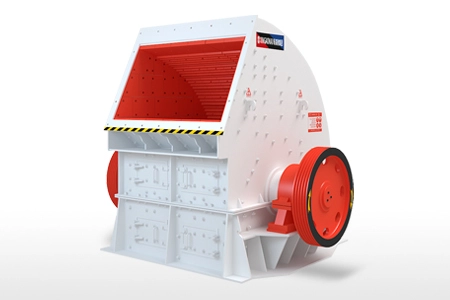
Impact crushers and hammer crushers both use high-speed impact to reduce material, but they are designed for different feed conditions, plant layouts and finished-product requirements.
The main difference is that an impact crusher uses rigid blow bars and adjustable impact aprons to achieve controlled secondary crushing and improved aggregate shape. A hammer crusher uses multiple hammer heads to deliver repeated impacts and is commonly selected for high-reduction crushing of brittle, low-abrasion materials such as limestone, coal gangue, gypsum and shale.
Choose an impact crusher when product shape, flexible adjustment and secondary crushing performance are the main priorities. Choose a hammer crusher when processing suitable brittle material with a large feed size and when simplifying the crushing circuit is more important.
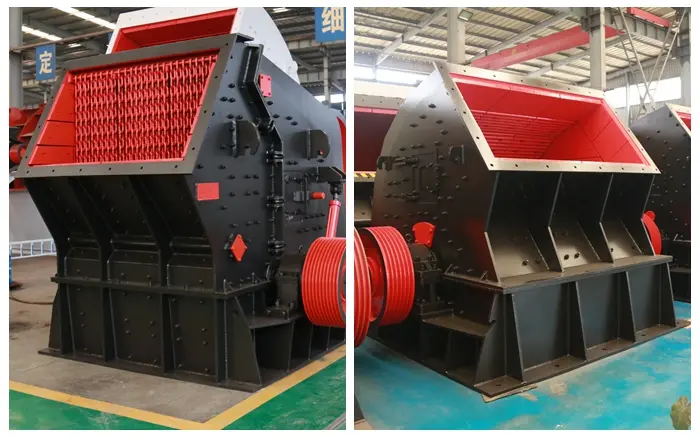
Impact Crusher vs Hammer Crusher: Quick Comparison
| Comparison factor | Impact crusher | Hammer crusher |
|---|---|---|
| Main crushing tool | Rigidly mounted blow bars | Multiple hammer heads |
| Primary crushing action | Material-to-blow-bar and material-to-apron impact | Repeated hammer impact, collision and shearing |
| Typical circuit position | Mainly secondary crushing | Primary, secondary or one-stage crushing |
| Suitable materials | Medium-soft to medium-hard, low-to-moderate abrasion materials | Soft to medium-hard, brittle and generally low-abrasion materials |
| Typical feed requirement | Usually smaller and more controlled | Large feed sizes can be accepted by heavy-duty models |
| Product shape | Generally more cubical and consistent | Depends strongly on material, chamber and discharge design |
| Product-size control | Rotor speed, apron gap and downstream screen | Grate opening, chamber configuration or grate-less discharge design |
| Fines generation | Adjustable, but affected by rotor speed and recirculation | Can produce more fines when material remains in the chamber |
| Wear sensitivity | Blow bars and impact aprons wear rapidly with abrasive feed | Hammers, liners and grate bars wear rapidly with abrasive feed |
| Main advantage | Product quality and flexible secondary crushing | High reduction ratio and simplified plant layout |
| Best-known application | Aggregate shaping and secondary limestone crushing | One-stage limestone and brittle-material crushing |
Neither crusher is universally better. The correct choice depends on the feed material, required product, capacity, moisture, abrasiveness and overall plant configuration.
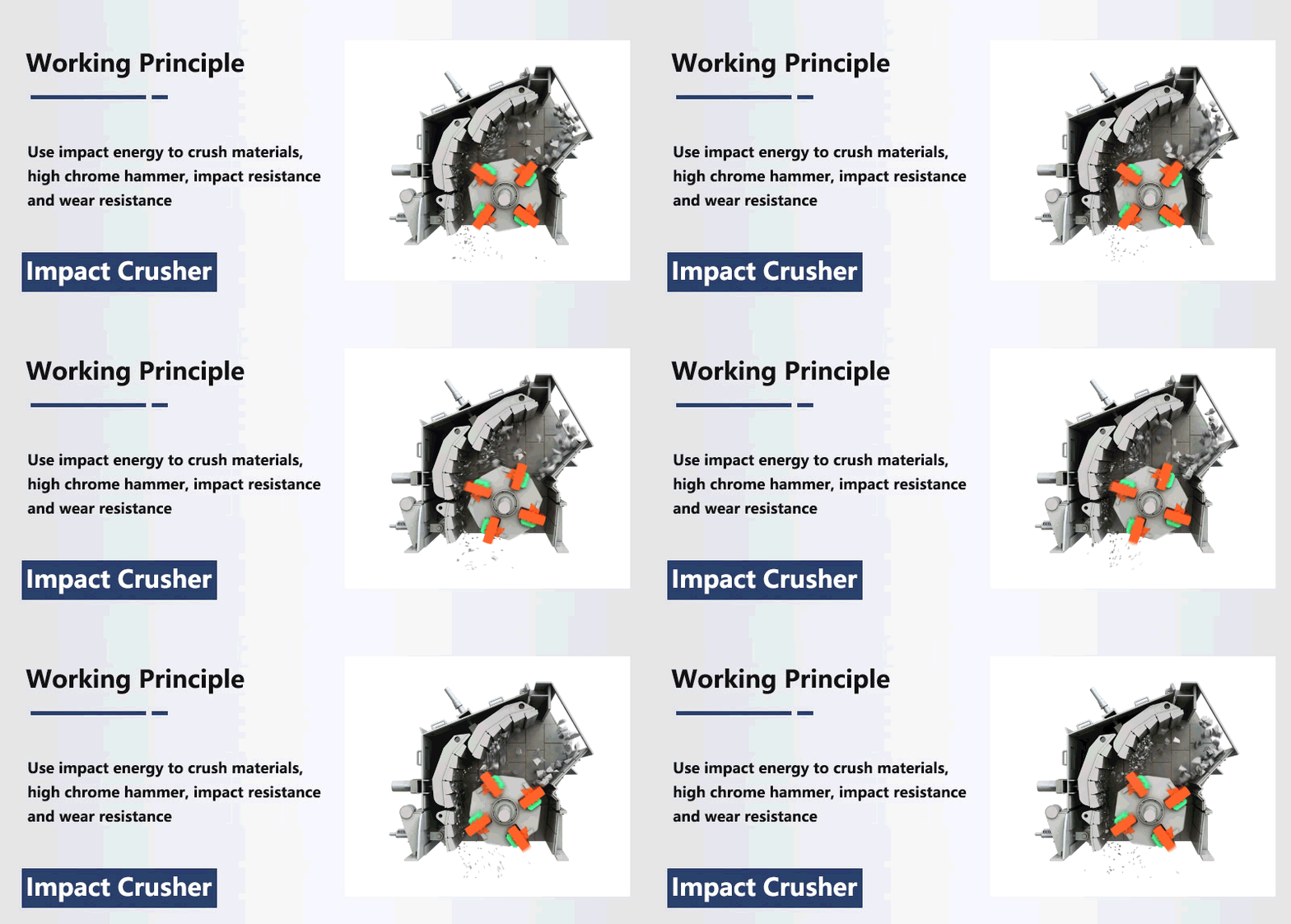
How Does an Impact Crusher Work?
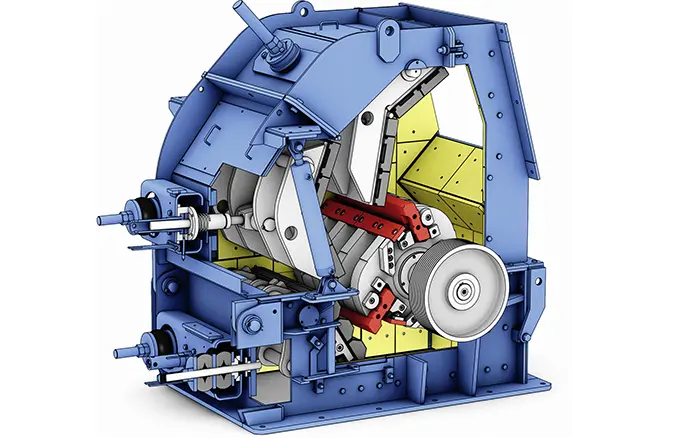
An impact crusher has a high-speed horizontal rotor fitted with rigid blow bars. Material entering the crushing chamber is struck by the blow bars and accelerated toward one or more impact aprons.
The material breaks through three main actions:
Direct impact from the blow bars
Collision with the impact plates or aprons
Repeated material-to-material collision inside the chamber
Particles continue moving through the chamber until they are small enough to leave the discharge opening. The apron position, rotor speed, feed conditions and wear-part condition all influence the final gradation.
For a detailed explanation of the crushing process, see how an impact crusher works.
How Does a Hammer Crusher Work?
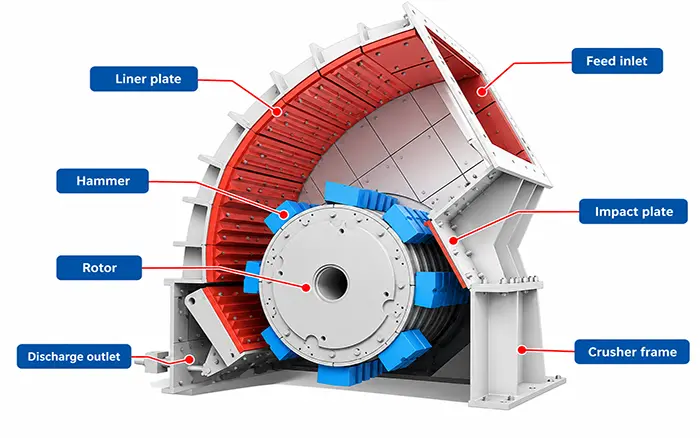
A hammer crusher uses a rotating rotor equipped with multiple hammer heads. As material enters the crushing chamber, the hammers strike it repeatedly and throw it against the liners, breaker surfaces or other material.
Depending on the crusher design, material may remain inside the chamber until it:
Passes through grate openings;
Reaches the required size through repeated impact; or
Leaves through a grate-less discharge structure.
Traditional hammer crushers commonly use grate bars to control the maximum discharge size. Newer heavy and light hammer crusher designs may use grate-less configurations to improve material flow and reduce blockage risks.
The complete process is explained in the hammer crusher working principle guide.

Key Differences Between an Impact Crusher and a Hammer Crusher
1. Rotor and Crushing Tool Design
The most visible difference is the design of the crushing tools.
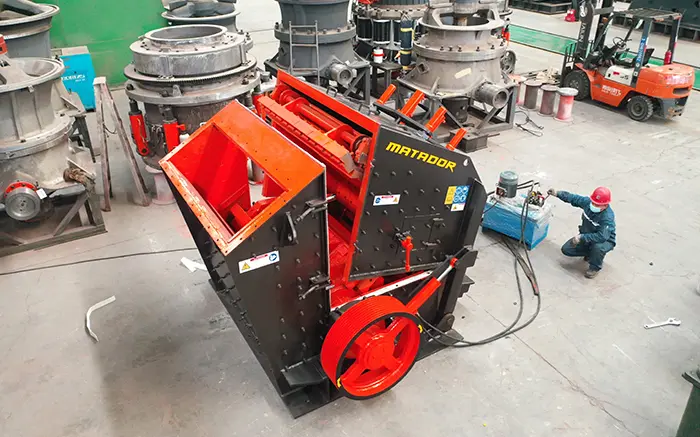
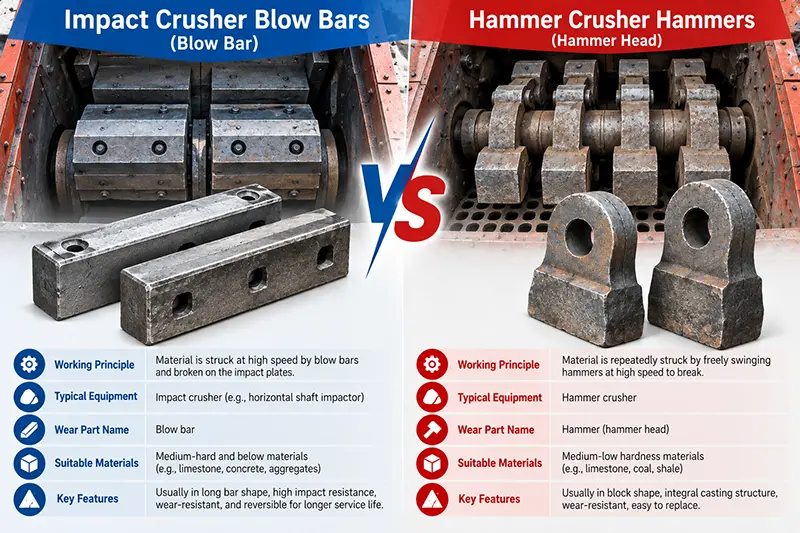
An impact crusher normally uses a limited number of large blow bars that are rigidly secured to the rotor. The blow bars strike the incoming rock and throw it toward the impact aprons.
A hammer crusher uses a larger number of hammer heads arranged around the rotor. In many designs, the hammers are mounted on pins and can swing during operation. Other heavy-duty configurations may use different hammer-retention structures.
Because the crushing tools are different, blow bars and hammer heads are not interchangeable. Their material grade, weight, dimensions and balance must match the crusher model and application.
For component identification and replacement planning, refer to the impact crusher parts and hammer crusher parts guides.
2. Crushing Stage and Feed Size
Impact crushers are commonly installed after a jaw crusher or another primary crusher. The primary machine reduces the run-of-mine feed before it enters the impact crusher for secondary size reduction and aggregate shaping.
Hammer crushers can be used in primary, secondary or single-stage applications, depending on the model and material. A heavy hammer crusher can accept larger limestone feed and may reduce the number of machines required in a suitable plant.
However, a large feed opening does not mean that every oversized rock can enter safely. Maximum feed size must be checked against the selected model, feed shape and the presence of tramp metal.
3. Suitable Material
Both machines perform best when the feed can be fractured efficiently by impact.
Typical impact crusher applications include:
Limestone
Dolomite
Concrete
Moderately abrasive construction materials
Selected sedimentary rock
Recycled aggregate with controlled contaminants
Typical hammer crusher applications include:
Limestone
Coal and coal gangue
Gypsum
Shale
Chalk
Brittle construction material
Other low-abrasion materials
Material hardness alone should not determine the crusher type. Silica content and abrasiveness can have a greater effect on wear cost.
Granite, basalt, quartz-rich rock and highly abrasive ore may cause rapid wear in both impact and hammer crushers. For continuous processing of highly abrasive rock, a jaw crusher and cone crusher circuit may provide better wear economics.
4. Finished Aggregate Shape
Impact crushers are generally preferred when cubical aggregate shape is important.
The material is accelerated and redirected several times inside the chamber. These repeated collisions can reduce elongated and flaky particles, especially when the crusher is correctly fed and operated in a closed circuit.
Hammer crushers can also produce usable aggregate, but particle shape and fines content depend more heavily on:
Material properties;
Hammer condition;
Chamber design;
Retention time;
Discharge configuration; and
Screening arrangement.
For concrete and asphalt aggregate with strict shape requirements, an impact crusher is normally the stronger option. For general limestone products where high reduction is more important than precise particle shape, a hammer crusher may be more economical.
5. Discharge Size Control
An impact crusher controls the product through the combined effect of rotor speed, apron position, feed grading and screening.
Reducing the gap between the blow bars and impact aprons can increase crushing intensity, but the gap alone does not guarantee an exact finished size. A vibrating screen and closed-circuit return are normally required when the plant must maintain a controlled top size.
In a traditional hammer crusher, grate openings help determine which particles can leave the chamber. Smaller openings can produce finer material, but they may also increase recirculation inside the crusher, power demand and fines.
Grate-less hammer crushers use a different chamber and discharge arrangement. Product size therefore depends on the specific machine design rather than a conventional screen-bar opening.
6. Fines Production
Both crushers can produce fines, particularly when:
Rotor speed is excessive;
The feed contains fragile or weathered material;
The chamber is overfilled;
The discharge setting is too restrictive;
Worn components change the material path; or
Screen undersize is unnecessarily returned to the crusher.
A hammer crusher may generate a higher fines percentage when material is repeatedly struck before it can pass through the grate. An impact crusher offers greater process flexibility, but it can also produce excessive fines if operated at an unnecessarily high crushing intensity.
The best way to control fines is to test the actual feed material and design the crusher, screen and recirculating load as one system.
7. Wear Parts and Maintenance
The main impact crusher wear parts include:
Blow bars
Impact plates or aprons
Side liners
Rotor protection components
Fasteners and locking systems
The main hammer crusher wear parts include:
Hammer heads
Hammer pins
Liners
Rotor protection plates
Grate bars, when fitted
Wear life cannot be predicted accurately from operating hours alone. It changes with feed abrasiveness, silica content, moisture, feed distribution, rotor speed, metal contamination and the selected wear-part material.
When replacing blow bars or hammers, weight distribution must remain balanced across the rotor. Uneven component weight can create excessive vibration and damage bearings, the rotor shaft or the crusher frame.
Detailed inspection procedures are covered in the impact crusher maintenance guide and the heavy-duty hammer crusher maintenance guide.
8. Moisture and Sticky Feed
Moderate moisture does not automatically prevent either machine from operating, but wet, sticky feed can reduce capacity and interfere with material flow.
Traditional hammer crushers with closely spaced grate bars are more sensitive to blockage. A grate-less hammer crusher can reduce this risk, but sticky clay can still accumulate inside the chamber or at the discharge conveyor.
Impact crushers have a relatively open chamber, but heavy clay contamination can coat the rotor, aprons and liners. It can also reduce screening efficiency downstream.
Before selecting either crusher, evaluate:
Maximum moisture content;
Clay percentage;
Seasonal feed changes;
Washing or scalping requirements; and
The size of the discharge opening and conveyor.
9. Plant Configuration
An impact crusher is often part of a multi-stage plant:
Feeder → Jaw Crusher → Impact Crusher → Vibrating Screen
This arrangement offers greater control over product grading and shape. Oversized material can be returned from the screen to the impact crusher.
A heavy hammer crusher may support a shorter process:
Feeder → Heavy Hammer Crusher → Vibrating Screen
The simplified arrangement can reduce the number of machines, transfer points and conveyors. However, it is only suitable when the material characteristics and finished-product requirements match the hammer crusher.
A simpler flowsheet does not automatically mean a lower total cost. Wear consumption, power demand, fines value, product quality and plant availability must also be considered.
Impact Crusher vs Hammer Crusher Cost
It is not accurate to assume that one crusher always costs less than the other.
The total cost should include:
Equipment purchase price
Foundation and installation
Feed and discharge conveyors
Screening equipment
Installed motor power
Wear-part consumption
Maintenance labor
Planned and unplanned downtime
Percentage of saleable product
Value or disposal cost of excess fines
A hammer crusher may reduce initial plant complexity when it replaces multiple crushing stages for suitable limestone. An impact crusher may provide higher-value cubical aggregate and more flexible gradation control.
For abrasive material, wear-part expenditure may outweigh the initial price difference between the two machines. A material test and expected cost per tonne provide a more reliable comparison than equipment price alone.
When Should You Choose an Impact Crusher?
Choose an impact crusher when:
The machine will operate mainly in secondary crushing;
Cubical aggregate shape is important;
The feed is medium-soft to medium-hard with manageable abrasiveness;
Several finished aggregate sizes are required;
The plant uses a closed-circuit vibrating screen;
Flexible product adjustment is required;
Concrete or selected construction material must be recycled; or
The value of improved product shape justifies the wear cost.
XINGAONAI’s PF Series impact crusher includes models with published capacities from 30 to 800 t/h and maximum feed sizes from 300 to 800 mm, depending on the selected model. Actual capacity must be confirmed using the feed gradation, material properties and required discharge specification.
When Should You Choose a Hammer Crusher?
Choose a hammer crusher when:
The material is brittle and has relatively low abrasiveness;
Limestone, coal gangue, gypsum or shale is the principal feed;
A high reduction ratio is required;
The project may benefit from a simplified crushing circuit;
A large feed size must be processed;
Product-shape requirements are less demanding; or
The feed has been tested and hammer wear is economically acceptable.
The heavy hammer crusher is designed for high-capacity processing of suitable brittle material. The current product range lists capacities from 150 to 6,000 t/h and feed sizes up to 1,800 mm, depending on the model.
The light hammer crusher is another option for limestone, shale, coal gangue and similar applications. Its published model range covers 50 to 1,600 t/h with model-specific feed limits.
These published values are equipment ranges, not guaranteed project output. Actual performance depends on feed size distribution, moisture, abrasiveness, required product and plant configuration.
Impact Crusher or Hammer Crusher for Limestone?
Both machines can crush limestone, so the choice should be based on the required process.
Choose an impact crusher for limestone when:
The primary crusher already reduces the feed;
Cubical aggregate is required;
Multiple finished sizes will be produced;
The plant requires flexible adjustment; or
A closed-circuit secondary stage is planned.
Choose a hammer crusher for limestone when:
The feed is suitable for high-reduction impact crushing;
A large feed opening is required;
The plant is intended to use fewer crushing stages;
Some additional fines are acceptable; and
Material testing indicates acceptable hammer wear.
For high-capacity projects, the decision should be based on a complete process calculation rather than only the crusher’s nominal capacity.
How to Select the Right Crusher
Before requesting a crusher recommendation, prepare the following information:
Material name and geological description
Compressive strength, when available
Abrasion or silica information
Maximum feed size
Feed-size distribution
Required capacity in tonnes per hour
Required finished sizes
Acceptable fines percentage
Moisture and clay content
Planned operating hours
Existing upstream and downstream equipment
Local power supply
A representative material sample is especially valuable when wear behavior or product shape is uncertain.
How can I compare the two crushers accurately?
Compare cost per tonne under the same feed and product requirements. Include energy consumption, wear parts, maintenance, downtime, fines generation and saleable product yield—not only the purchase price.
Conclusion
The impact crusher vs hammer crusher decision should begin with the material and finished-product requirements.
An impact crusher is usually the better choice for controlled secondary crushing, flexible adjustment and cubical aggregate production. A hammer crusher is more suitable for high-reduction processing of brittle, relatively low-abrasion materials and may simplify the crushing circuit in appropriate limestone applications.
For hard or highly abrasive material, neither machine should be selected without evaluating wear cost. Material testing and complete plant analysis are the safest ways to determine which crusher can deliver the required capacity, product quality and cost per tonne.