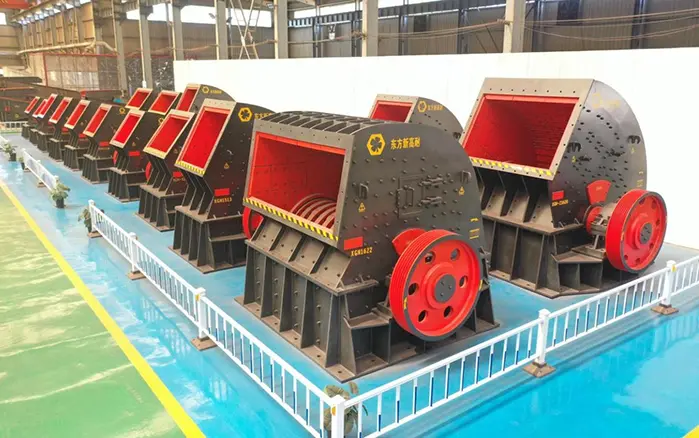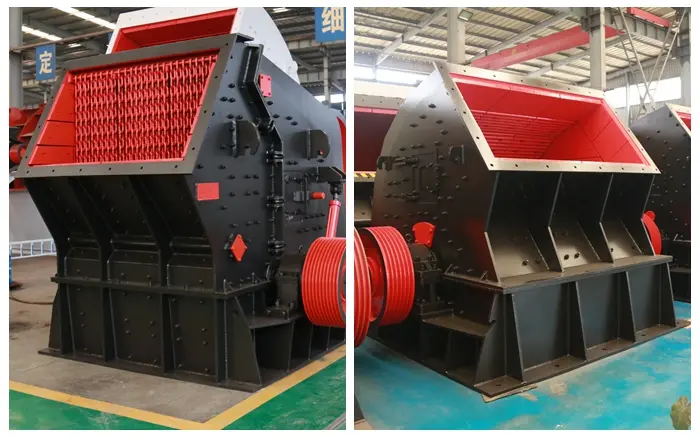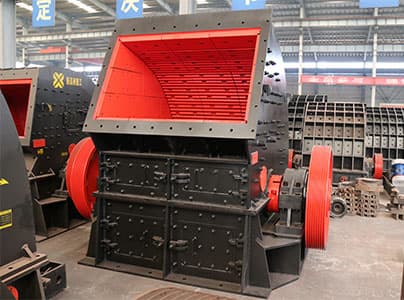
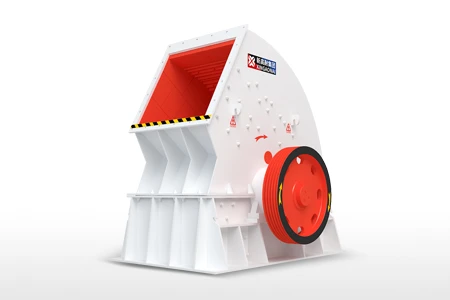
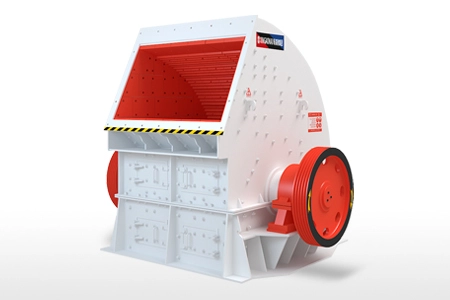
A hammer crusher is an impact crushing machine that uses rapidly rotating hammers to break rock, coal, limestone, and other brittle materials.
After material enters the crushing chamber, the rotating hammers strike it at high speed. The material is broken by the combined effects of impact, collision, shearing, and grinding. Particles that reach the required size leave through the discharge opening or grate system.
Hammer crushers are commonly used in mining, aggregate production, cement plants, coal processing, construction waste recycling, and industrial mineral processing.
Compared with a conventional multistage crushing system, a properly selected heavy hammer crusher can sometimes process large feed material and produce a usable aggregate size in a single crushing stage. This can simplify the production line and reduce the number of machines required.
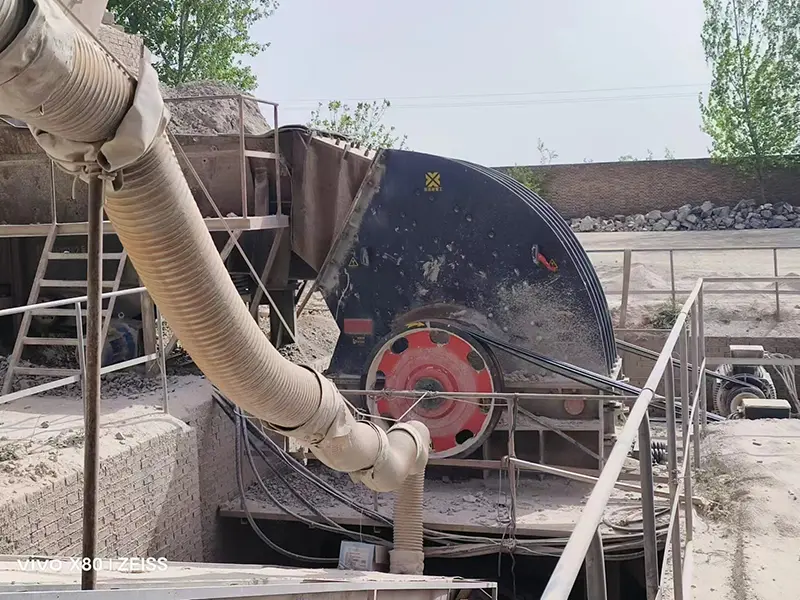
Quick Answer: What Does a Hammer Crusher Do?
A hammer crusher performs three main functions:
It receives rock or mineral material through the feed opening.
High-speed hammers break the material through impact and collision.
The discharge structure controls when sufficiently small particles leave the crushing chamber.
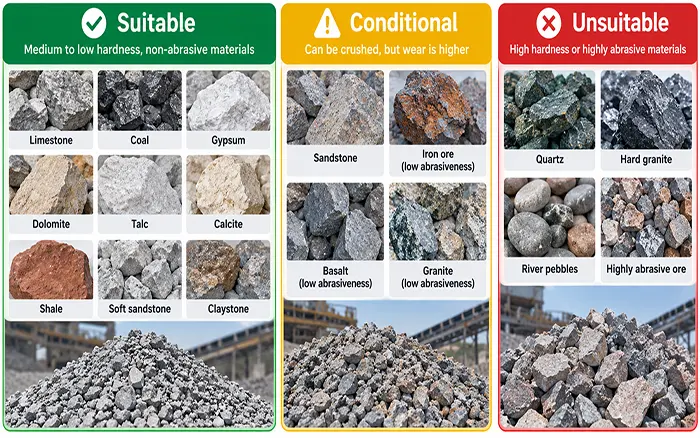
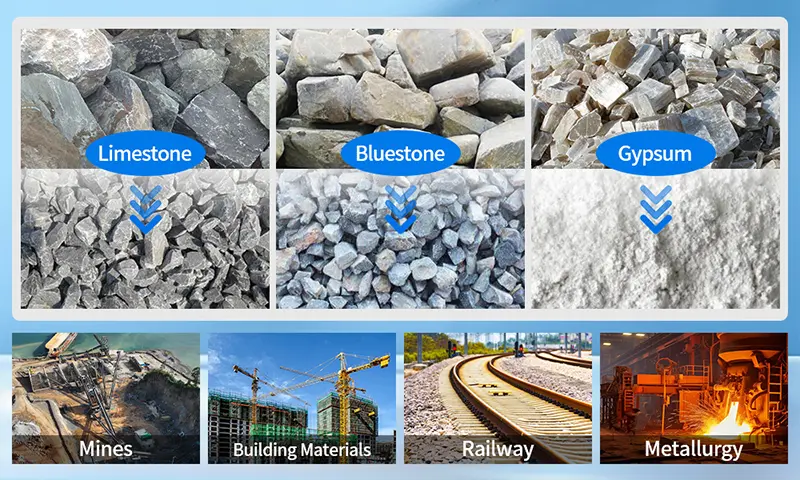
Hammer crushers work best with medium-hard to brittle materials. Common examples include limestone, coal, gypsum, shale, coal gangue, dolomite, chalk, and certain types of construction waste.
However, they are generally less suitable for highly abrasive, very hard, sticky, or moisture-rich materials unless the machine is specifically designed for those operating conditions.
How Does a Hammer Crusher Work?
The hammer crusher working process can be divided into four main stages: feeding, primary impact, secondary breakage, and controlled discharge.

1. Material Enters the Crushing Chamber
Raw material enters the machine through the feed opening. The feed system should distribute the material as evenly as possible across the rotor width.
Uneven feeding can concentrate wear on one side of the rotor, increase vibration, reduce capacity, and shorten hammer service life.
The maximum feed size depends on the crusher model, rotor dimensions, motor power, material characteristics, and feed opening size. Selected XINGAONAI heavy-duty models can process substantially larger feed sizes than compact hammer crushers.
2. High-Speed Hammers Create the Primary Impact
The motor drives the rotor through a transmission system. As the rotor rotates, the mounted hammers move at high speed and strike the incoming material.
The first impact creates rapid stress inside the rock. Brittle materials fracture along natural cracks and weak structural planes.
The crushing result depends on several factors:
Rotor speed
Hammer weight and shape
Feed size
Material hardness
Material moisture
Crusher chamber design
Feed distribution
Increasing rotor speed generally produces stronger impact energy and a finer product. However, excessive speed may accelerate wear, increase power consumption, and generate unnecessary fines.
3. Repeated Collision Produces Secondary Breakage
Material that is not small enough after the first impact remains inside the crushing chamber.
The moving particles collide with:
Other pieces of material
Crusher hammers
Impact or breaker plates
Internal liners
Grate bars, when fitted
These repeated collisions reduce the particles until they are small enough to leave the crusher.
This process explains why hammer crushers can achieve a relatively high crushing ratio in one machine. However, repeated impact may also produce more fine material than compression crushers.
4. Qualified Material Leaves the Crusher
The final stage depends on the crusher’s discharge design.
Some hammer crushers use grate bars or screen plates. Particles remain in the chamber until they are small enough to pass through the grate openings.
Other high-capacity designs use an open or grate-free discharge arrangement to improve throughput and reduce blockage when processing specific materials.
The discharge configuration must therefore be matched to:
Required finished particle size
Material moisture
Expected capacity
Fine-powder limits
Risk of blockage
Not every hammer crusher uses the same grate structure. Buyers should confirm the discharge design instead of assuming that all hammer crushers control product size in the same way.
Main Parts of a Hammer Crusher
A hammer crusher consists of several components that work together under repeated impact loads.
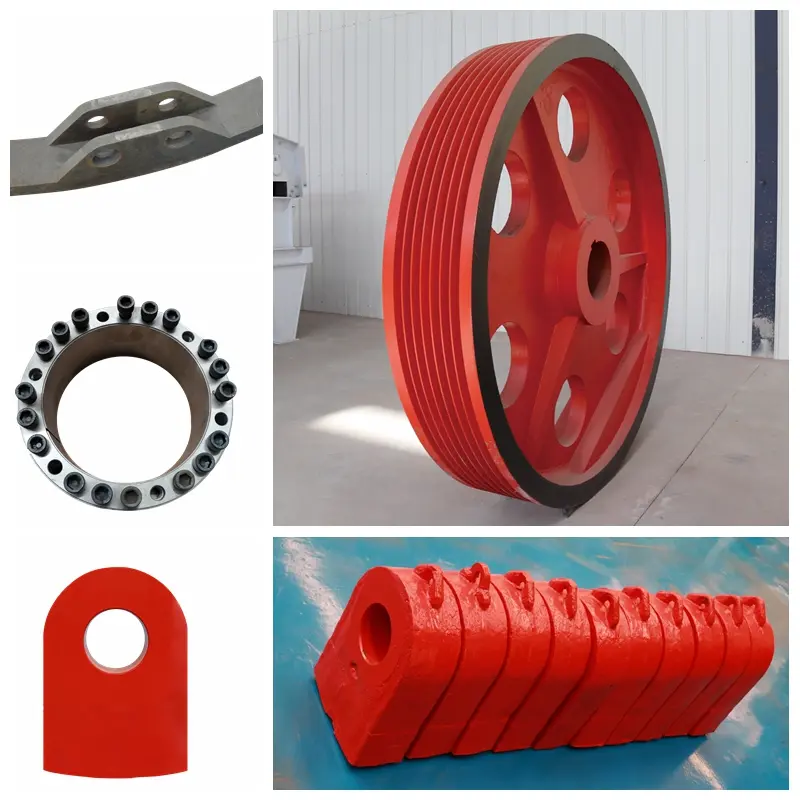
Rotor Assembly
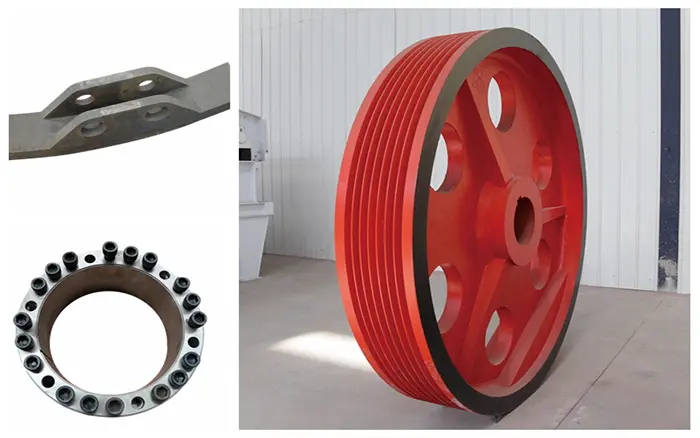
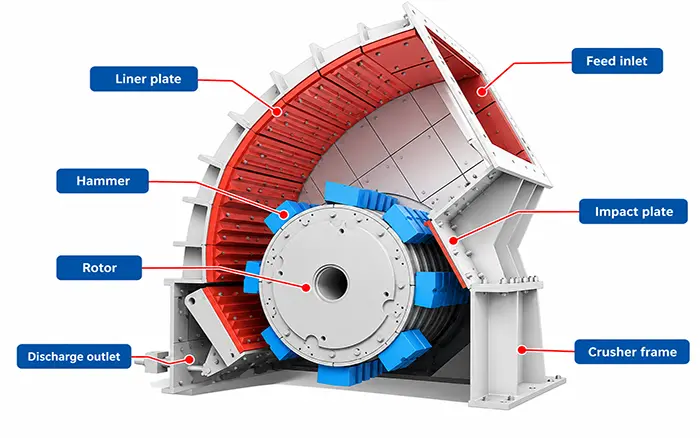
The rotor is the primary rotating component. It normally includes the main shaft, rotor discs, hammer pins, spacers, and hammer heads.
Rotor balance is essential. An unbalanced rotor can cause vibration, bearing damage, shaft stress, and uneven wear.
Hammer Heads
Hammer heads directly contact the material and are among the most important crusher wear components.
Their performance depends on:
Material composition
Heat-treatment quality
Hardness distribution
Impact toughness
Hammer weight
Feed material abrasiveness
Common hammer materials include high-manganese steel, high-chromium alloy, and composite wear-resistant materials.
See the complete hammer crusher wear parts guide for additional information about hammer materials, wear patterns, and replacement.
Main Shaft and Bearings
The main shaft supports the rotor and transfers rotational force through the crushing chamber.
Bearings must withstand rotor weight, impact loads, vibration, and operating temperature. Correct lubrication and regular temperature monitoring are necessary to prevent premature failure.
Crusher Housing and Liners
The housing contains the crushing operation and supports the internal components. Replaceable liners protect the housing from direct impact and abrasion.
Worn or loose liners should be repaired promptly. Continued operation with damaged liners may expose the crusher body to accelerated wear.
Impact Plates and Breaker Plates
Impact plates provide an additional surface against which particles collide. Their position and angle can influence crushing efficiency, particle shape, and product size.
Grate Bars or Discharge Opening
In grate-type hammer crushers, the gap between the grate bars helps control the maximum discharge size.
Worn, bent, or blocked grate bars may reduce product consistency and restrict capacity.
For a detailed component breakdown, refer to hammer crusher parts.
Heavy Hammer Crusher vs Light Hammer Crusher
Hammer crushers can be divided into heavy-duty and light-duty designs according to their feed capacity, rotor configuration, machine structure, and intended application.
| Comparison | Heavy Hammer Crusher | Light Hammer Crusher |
|---|---|---|
| Primary role | Primary or one-stage crushing | Small-scale or secondary crushing |
| Feed size | Medium to very large | Small to medium |
| Capacity | Medium to very high | Low to medium |
| Rotor construction | Heavy-duty rotor and large hammers | More compact rotor |
| Suitable projects | Mines, quarries, cement and large aggregate plants | Small quarries and lower-capacity plants |
| Installation requirement | Stronger foundation and feeding system | Simpler installation |
| Typical investment | Higher initial investment | Lower initial investment |
A heavy hammer crusher is normally selected for large feed sizes and high-capacity production.
A light hammer crusher is more suitable when feed size, required capacity, and available installation space are limited.
What Materials Can a Hammer Crusher Process?
Hammer crushers are generally suitable for materials with low to moderate hardness and good brittleness.
Common applications include:
Limestone
Coal
Coal gangue
Gypsum
Shale
Chalk
Dolomite
Salt
Brick
Tile
Certain types of construction waste
Selected industrial minerals
Limestone is one of the most common hammer crusher feed materials because it fractures relatively easily under impact.
Coal and coal gangue can also be processed effectively, although excessive moisture may increase the risk of material adhesion and blockage.
For more detailed material recommendations, read what materials a heavy hammer crusher can crush.
Materials That Require Caution
A hammer crusher may not be the best choice for:
Very hard granite
Quartz-rich rock
Highly abrasive basalt
Wet and sticky clay
Material containing excessive metal
Feed with uncontrolled oversize pieces
Hard and abrasive materials can rapidly wear the hammer heads, liners, and grate components. Wet, sticky material may accumulate inside the crushing chamber and reduce effective discharge capacity.
Before selecting a crusher, the material should be evaluated for compressive strength, abrasiveness, moisture, clay content, and maximum feed size.
Advantages of Hammer Crushers
High Crushing Ratio
Hammer crushers can reduce relatively large feed material into much smaller particles in one machine.
For suitable materials, this may reduce the need for additional crushing stages.
Simple Production-Line Configuration
A heavy hammer crusher may replace a conventional jaw crusher and secondary impact crusher combination in certain limestone or coal applications.
The actual feasibility depends on feed size, capacity, final product specification, and material characteristics.
High Production Capacity
Heavy-duty machines use large rotors, powerful motors, and heavy hammer heads to process high material volumes.
Selected XINGAONAI models are designed for capacities ranging from approximately 150 to 6,000 t/h, depending on the model and operating conditions.
Relatively Simple Structure
The basic operating mechanism is straightforward. This can simplify inspection, maintenance, and wear-part replacement compared with some more complex crushing systems.
Adjustable Product Size
Product size can be influenced by changing:
Grate spacing
Discharge opening
Rotor speed
Hammer configuration
Impact plate position
Available adjustments vary by machine design.
Good Performance with Brittle Materials
Hammer crushers are particularly effective when the material breaks easily under impact, such as limestone, coal, and gypsum.
Limitations of Hammer Crushers
Hammer crushers also have limitations that should be considered during equipment selection.
Wear Can Be High
The hammers are exposed directly to repeated impact and abrasion. Highly abrasive feed can produce rapid wear and increase operating cost.
Excessive Fines May Be Produced
Repeated impact and grinding can create more fine powder than compression-based crushers.
This may be undesirable when the plant requires a low-fines aggregate product.
Wet Material Can Cause Blockage
High moisture and clay content may cause material to adhere to internal surfaces or block grate openings.
Product Shape Depends on the Application
Hammer crushers can produce acceptable aggregate from suitable brittle materials, but product shape and grading may vary according to chamber design and operating conditions.
Accurate Feeding Is Important
Irregular feeding can cause unstable load, increased vibration, uneven hammer wear, and inconsistent output.
Where Are Hammer Crushers Used?
Hammer crushers are used in several industrial sectors.
Aggregate and Quarry Production
They are commonly used to crush limestone and other brittle rock for:
Road base
Concrete aggregate
Cement raw material
Building stone
Manufactured aggregate
Mining Operations
Mining applications include crushing coal, coal gangue, salt, gypsum, and selected ores before screening or further processing.
Cement Plants
Hammer crushers can process limestone and other cement raw materials before grinding and clinker production.
Coal Processing
Coal mines and preparation plants use hammer crushers to reduce raw coal and coal gangue to a controlled size.
Construction Waste Recycling
Hammer crushers may process brick, tile, concrete fragments, and other brittle construction materials after metal contaminants have been removed.
Hammer Crusher vs Impact Crusher
Hammer crushers and impact crushers both use impact force, but they are designed differently.
| Factor | Hammer Crusher | Impact Crusher |
|---|---|---|
| Main wear component | Hammer head | Blow bar |
| Material movement | Repeated hammering and collision | Impact against breaker plates |
| Suitable material | Brittle, medium-hard material | Medium-hard rock and aggregate |
| Feed size | Can be very large on heavy models | Usually more controlled |
| Fine material production | Often higher | Usually easier to control |
| Product shape | Depends strongly on material and chamber | Often better for shaped aggregate |
| Typical use | One-stage crushing, coal and limestone | Secondary or tertiary aggregate crushing |
If product shape and grading are the main priorities, an impact crusher may be more suitable.
If the project requires large feed capacity, a high crushing ratio, and simplified limestone processing, a heavy hammer crusher may be more economical.
Read the full impact crusher vs hammer crusher comparison before making the final selection.
How to Select the Right Hammer Crusher
Crusher selection should be based on actual operating conditions rather than capacity alone.
1. Identify the Feed Material
Confirm:
Material name
Compressive strength
Abrasiveness
Moisture content
Clay content
Bulk density
2. Measure the Maximum Feed Size
The crusher feed opening and permitted feed size must safely accommodate the largest incoming pieces.
Oversized material can block the feed opening and create excessive impact loads.
3. Determine the Required Capacity
Required capacity should be stated in tons per hour under actual operating conditions.
Allow for variations in material moisture, feed distribution, and upstream equipment performance.
4. Define the Final Product Size
Specify the required discharge size and acceptable percentage of fine material.
This determines whether a grate-type, open-discharge, or alternative crusher configuration is more appropriate.
5. Evaluate Wear Costs
The lowest equipment price does not always produce the lowest operating cost.
Compare:
Hammer service life
Liner service life
Replacement frequency
Downtime
Power consumption
Spare-parts availability
Maintenance labor
For budgeting guidance, see the hammer crusher price and cost guide.
6. Review the Complete Production Line
A crusher should not be selected independently from the feeder, conveyor, screen, dust-control system, and downstream equipment.
The entire line must have compatible capacity and particle-size requirements.
Hammer Crusher Maintenance Essentials
Regular maintenance improves reliability and reduces unexpected shutdowns.
Operators should routinely inspect:
Hammer wear and weight difference
Rotor balance
Main-shaft condition
Bearing temperature
Lubrication condition
Liner wear
Grate-bar condition
Fastener tightness
Motor current
Abnormal vibration and noise
Hammers should be replaced or repositioned in balanced groups. Installing hammers with significantly different weights can create rotor imbalance and damage bearings or the main shaft.
For a complete inspection schedule, follow the heavy-duty hammer crusher maintenance guide.
Conclusion
A hammer crusher uses high-speed impact to reduce brittle and medium-hard materials. Its high crushing ratio, relatively simple structure, and ability to process large feed sizes make it suitable for limestone, coal, cement raw materials, aggregate production, and construction waste recycling.
However, crusher selection must consider more than capacity. Material hardness, abrasiveness, moisture, feed size, required product size, wear cost, and production-line configuration all affect long-term performance.
For high-capacity limestone, coal gangue, and aggregate applications, explore the XGN-Z Series heavy hammer crusher.
For smaller feed sizes and lower-capacity projects, consider the light hammer crusher.