Sand Crusher

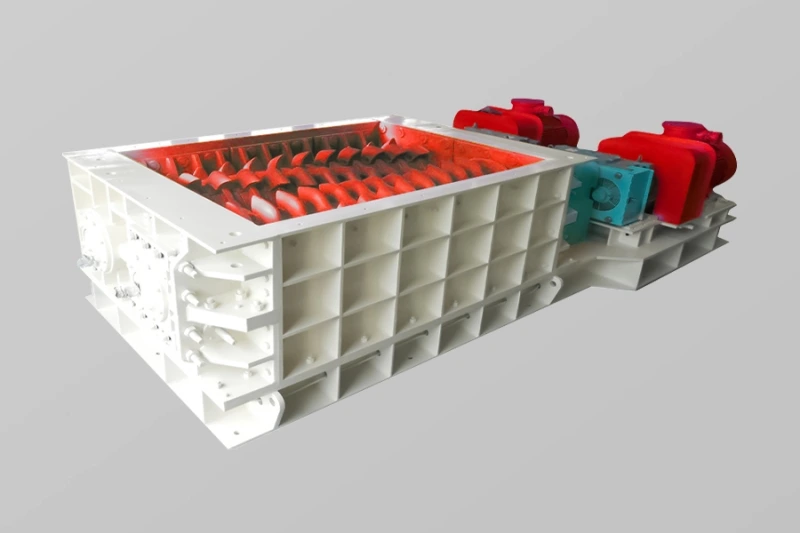
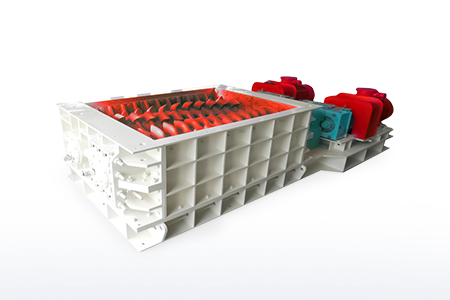
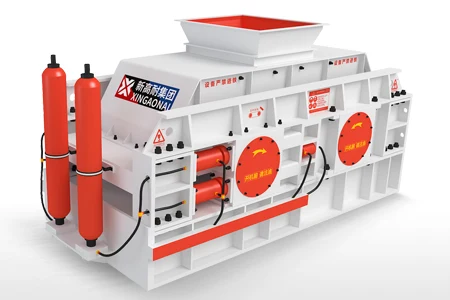
Double Roll Crusher

CAPACITY

300-1000t/h

FEED SIZE

≤400mm
Application areas:The Double Roll Crusher is not only suitable for secondary and fine crushing operations in coal preparation plants, coking plants, and soft to medium-hard ore processing facilities, but also widely used in fixed processing installations such as fertilizer
Applicable materials:Coal, coke, coal gangue, limestone, gypsum, clay, shale, salt, potash, phosphate rock, chemical fertilizer granules, brick raw material, refractory material, and other soft to medium-hard brittle materials requiring secondary or fine crushing (compressive

Product Overview

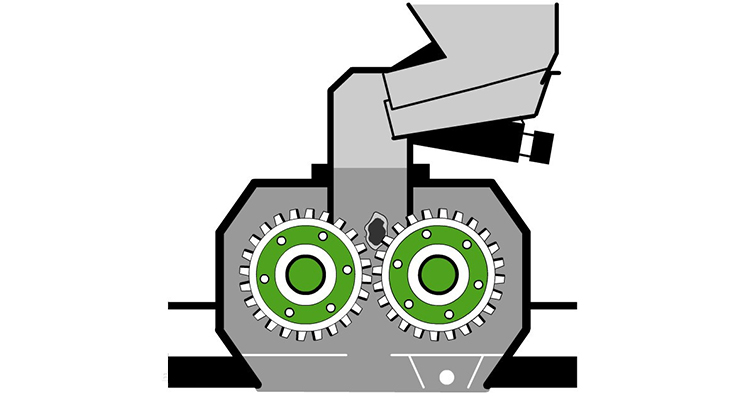
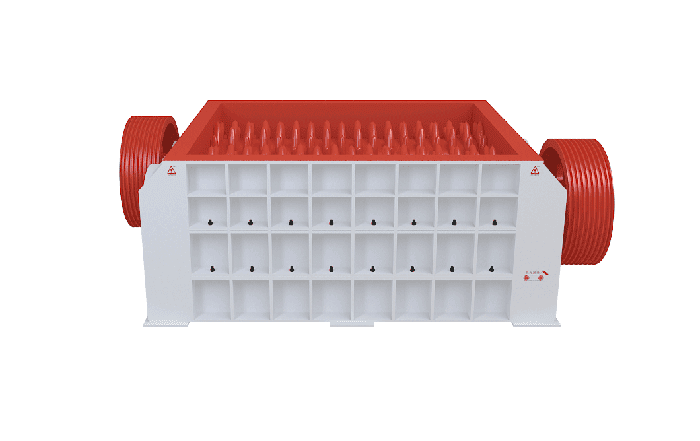
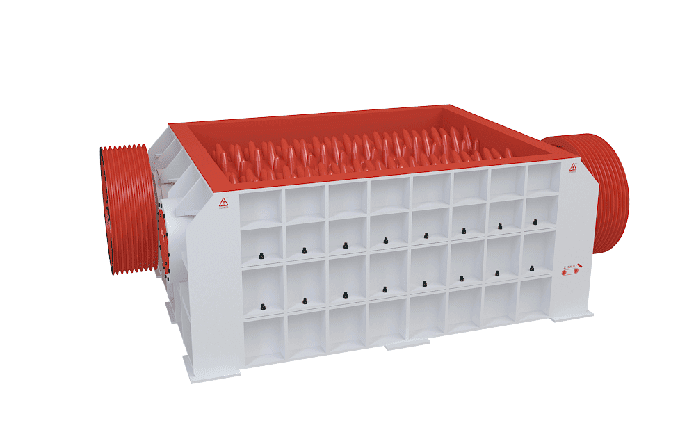
The Double Roll Crusher is a continuous-duty, precision secondary and fine crushing machine that reduces soft to medium-hard brittle materials by drawing feed material into the gap between two counter-rotating, parallel crushing rolls and subjecting it to intense compressive and shearing forces as it passes through the roll gap. As one of the oldest and most reliable crusher designs in heavy industry, it is the preferred size reduction solution for coal preparation plants, coking operations, and chemical processing facilities where product over-crushing, dust generation, and output size consistency are critical operational requirements.


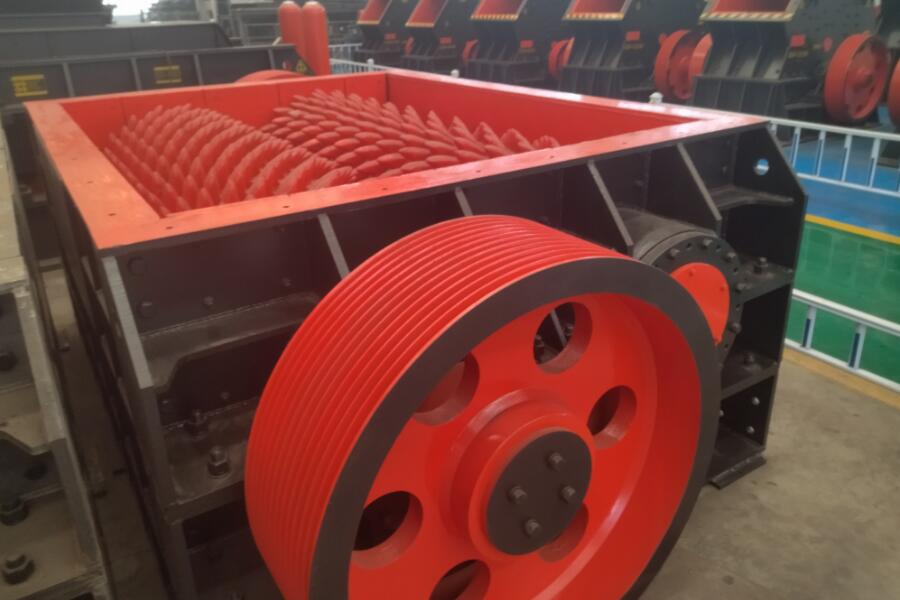
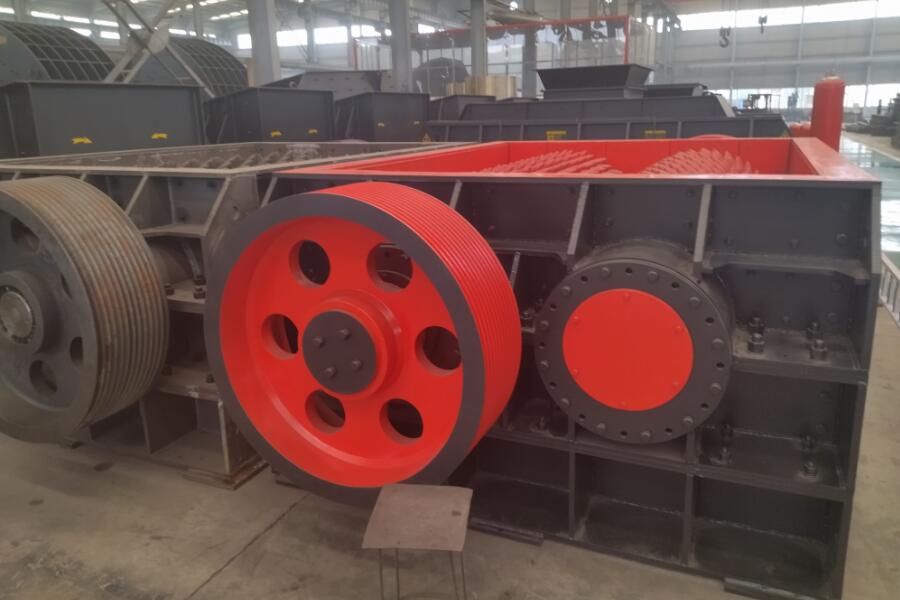
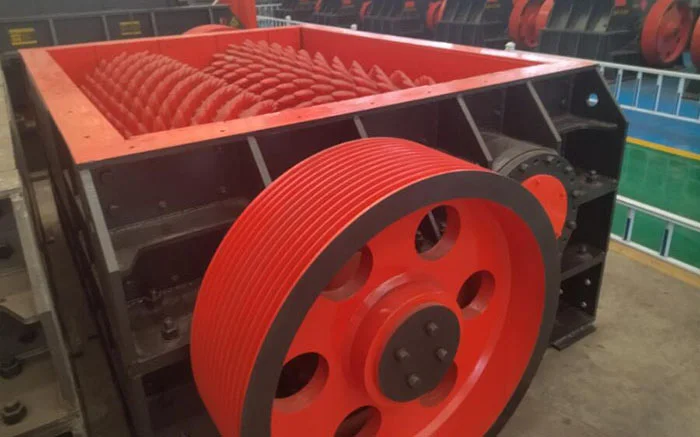
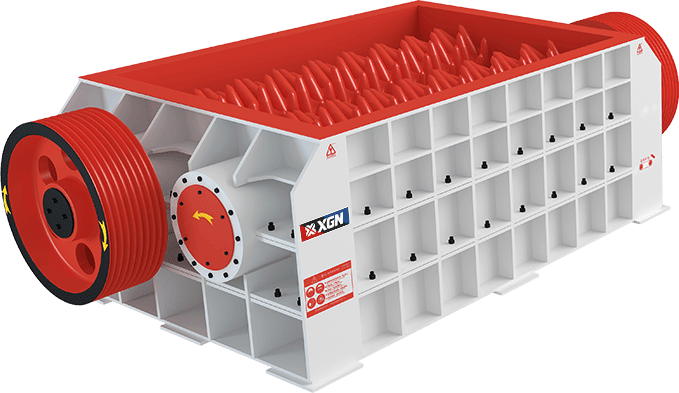
XINGAONAI Double Roll Crushers are engineered with two heavy-duty forged steel roll shafts, each mounted on a robust cast steel frame with self-aligning roller bearing assemblies on both ends. One roll shaft is fixed; the other is mounted on a floating bearing frame tensioned by a spring or hydraulic pressure system that allows the movable roll to retract against the spring force when uncrushable material enters the roll gap, protecting the rolls and bearings from overload damage and automatically returning to the set gap position once the obstruction passes. Roll surfaces are available in smooth, corrugated, and tooth-profile configurations depending on material hardness, required output size, and product shape requirements.


Roll diameter ranges from 400 mm to 1,500 mm and roll width from 400 mm to 1,800 mm, delivering processing capacities from 1 TPH to 100 TPH. The output particle size is precisely controlled by the roll gap setting, adjusted by moving the floating roll bearing frame via the gap adjustment mechanism, covering output size ranges from 0.5 mm to 30 mm. The drive system uses twin motors with V-belt or gear coupling to each roll shaft, ensuring synchronized counter-rotation at matched peripheral speeds for consistent nip angle and efficient material draw-in across the full roll width.

Key Advantages

Precise Output Size Control, Minimal Over-Crushing

The output particle size is directly and precisely controlled by the roll gap setting — the clear distance between the two roll surfaces at their closest point — which is adjustable via a calibrated gap adjustment mechanism without stopping the crusher. Unlike impact or hammer crushers that rely on rotor speed and grate bar spacing to control output size indirectly, the Double Roll Crusher produces a tightly controlled size distribution with minimal fines generation, making it the preferred crusher for applications where over-crushing wastes product value, such as coal preparation and fertilizer granule sizing.

Low Dust & Low Noise Generation

The compressive-shearing crushing mechanism of the Double Roll Crusher generates significantly less airborne dust and operating noise than impact, hammer, or jaw crushers processing the same material at equivalent throughput. Material is drawn smoothly into the roll gap and compressed gradually rather than being struck at high velocity, resulting in cleaner plant housekeeping, lower dust collection system load, and improved working environment — particularly important in enclosed coal preparation and chemical processing facilities.

Spring or Hydraulic Overload Protection

The floating roll spring or hydraulic tensioning system provides automatic overload protection when uncrushable tramp material enters the roll gap. The movable roll retracts instantaneously against the spring or hydraulic resistance, allowing the foreign object to pass through without damaging the roll surfaces, bearings, or drive system, then immediately returns to the set gap position under spring or hydraulic pressure. This self-protecting mechanism eliminates the risk of catastrophic roll or bearing failure from occasional tramp metal or uncrushable lumps in the feed.

Multiple Roll Surface Profiles for Different Materials

Smooth rolls deliver the finest, most uniform output size distribution with minimum fines, preferred for coal, salt, and fertilizer applications. Corrugated rolls improve the nip angle and feed draw-in for larger feed sizes and harder materials. Toothed rolls provide aggressive shearing action for sticky, wet, or fibrous materials such as clay, shale, and moist coal that would slip between smooth rolls. Roll surface segments are replaceable independently on the shaft, allowing worn sections to be replaced without replacing the entire roll.

Compact Layout, Minimum Headroom Requirement

The horizontal twin-roll layout occupies significantly less floor space and headroom than equivalent capacity jaw, cone, or impact crusher installations, making the Double Roll Crusher the preferred secondary crushing solution for upgrading existing coal preparation plants, processing buildings, and underground mining operations where structural constraints limit available installation space and crane access for heavy equipment replacement.

Low Operating & Maintenance Cost

Roll surface wear segments are fabricated from high-chromium alloy cast iron or hardfaced steel and are individually replaceable on the shaft without dismounting the entire roll assembly, minimizing material and labor costs per tonne of wear part replacement. The sealed roller bearing assemblies on all four roll shaft ends use grease lubrication with long re-greasing intervals, eliminating the need for a dedicated forced-circulation oil lubrication system and reducing daily maintenance requirements to a minimum.

Working Principle

Working Principle of Double Roll Crusher
Feed material is delivered to the Double Roll Crusher by a conveyor or vibratory feeder and falls by gravity into the feed opening above the roll gap, where the counter-rotating rolls — driven by twin motors at matched peripheral speeds — draw the material downward into the narrowing gap between the two roll surfaces through friction and the nip angle geometry; as material is drawn into the roll gap, it is subjected to intense compressive and shearing forces between the roll surfaces that fracture brittle particles along natural cleavage planes, reducing them to the size defined by the roll gap setting; crushed product passes through the roll gap and falls by gravity onto the discharge conveyor below, while the spring or hydraulic tensioning system on the floating roll bearing frame continuously maintains the set roll gap under varying feed load conditions and automatically retracts the movable roll to pass any uncrushable tramp material without damaging the machine; the roll gap is adjusted by moving the floating roll bearing frame via the gap adjustment handwheel or hydraulic actuator to set the required output particle size, and this adjustment can be performed during operation without stopping the crusher to compensate for roll surface wear and maintain consistent product gradation throughout the full roll service life.

Technical Parameters

Model

Rotor diameter

(mm)

Roller surface width

(mm)

Feed size

(mm)

Output size

(mm)

Motor power

(kw)

Capacity

(tph)

2PGC902009002000≤300902*90300
2PGC10025010002500≤350902*160600
2PGC120300
12003000≤400902*2201000
We are here waiting for you
Our professional team can tailor the solution to suit your needs and answer your questions
Contact Engineer

Frequently Asked Questions

By adjusting the gap between the two rolls, output size can be set from as fine as 2–3mm up to 30–50mm. This fine adjustability makes it popular for applications that require precise particle size control, such as fertilizer, chemical, and coal processing.

The rolls are mounted on spring-loaded bearings. When uncrushable material (tramp metal, oversized rock) enters the gap, the springs allow one roll to temporarily move away, releasing the obstruction without damaging the machine. The roll then returns to its set position automatically.

No. Double roll crushers are designed for medium-soft to medium materials (compressive strength below 160 MPa). For hard abrasive rocks such as granite or quartzite, a jaw crusher or cone crusher is more appropriate. Using a double roll crusher on hard rock will cause rapid roller surface wear and shorten machine life significantly.

Roll surfaces should be inspected regularly for wear grooves or flat spots, which cause uneven output and vibration. Depending on material abrasiveness, roll surfaces may need resurfacing (hardfacing) every 500–1,500 hours. Xingaonai can supply replacement roll assemblies and provides refurbishment guidance.

Explore Our Projects

Related Blog

Send message

Please enter your name
Please enter your email
Please enter your message