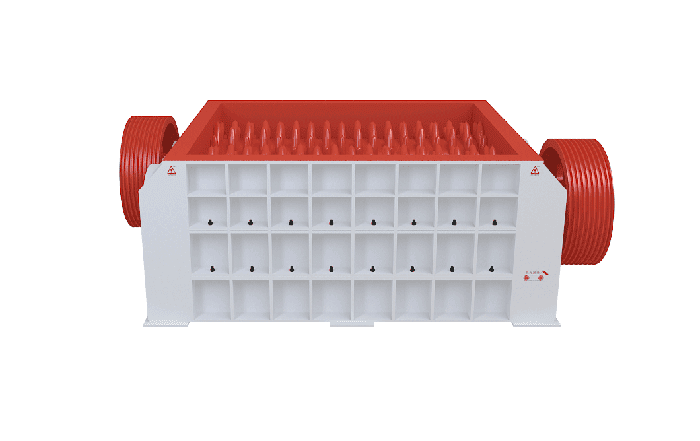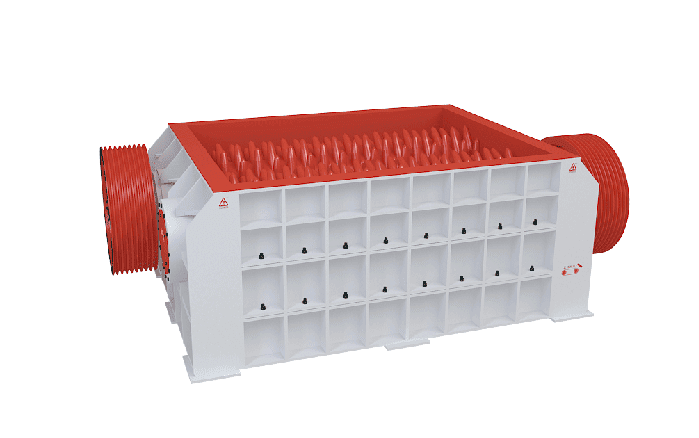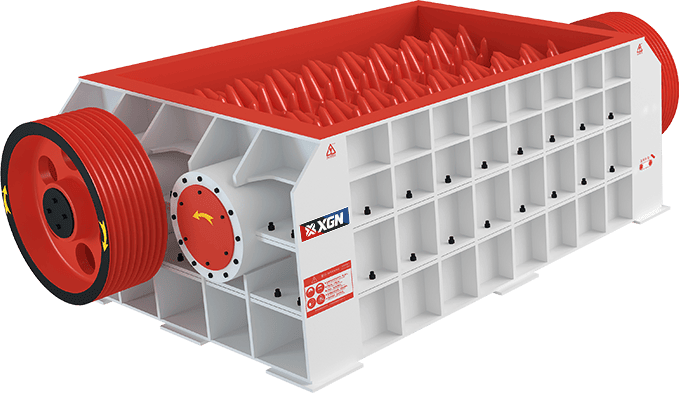
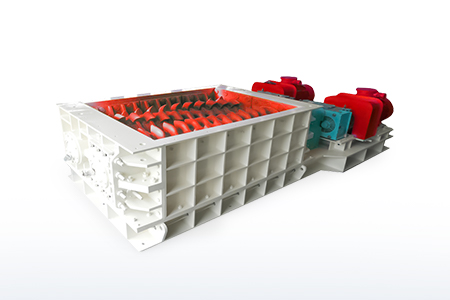
Selecting a double roll crusher manufacturer requires more than comparing equipment prices. The supplier must understand the feed material, required capacity, finished product size, moisture content and operating conditions before recommending a model.
A reliable manufacturer should be able to explain why a particular roll diameter, roll width, surface profile, drive system and overload-protection method suit the project. It should also provide verifiable technical documents, inspection records, spare-parts support and installation guidance.
Quick answer: Evaluate double roll crusher manufacturers based on engineering capability, manufacturing facilities, roll and shaft quality, model-selection accuracy, factory testing, wear-part availability and after-sales support. Avoid suppliers that offer a model before requesting material and production data.
XINGAONAI manufactures crushing and mineral-processing equipment in China and provides configurable double roll crusher equipment for coal, coke, limestone, gypsum, clay, shale and other soft-to-medium-hard materials.

Manufacturer, Supplier or Trading Company?
The terms manufacturer and supplier are often used interchangeably, but their capabilities may differ.
Equipment Manufacturer
A manufacturer normally performs or controls:
Equipment design
Roll and shaft machining
Frame fabrication
Component sourcing
Equipment assembly
Factory inspection
Test operation
Technical documentation
Spare-parts production
Trading Company
A trading company may source equipment from one or several factories. This is not automatically a disadvantage, but the buyer should know who is responsible for engineering, quality control and warranty service.
Integrated Solution Supplier
An integrated supplier may combine equipment manufacturing with:
Production-line design
Feeder and conveyor selection
Electrical control
Installation supervision
Commissioning
Operator training
Spare-parts planning
Before signing a contract, confirm which company manufactures the equipment and which company assumes technical and warranty responsibility.
Information a Manufacturer Should Request
A professional supplier should not recommend a double roll crusher based only on the required capacity.
At minimum, it should request:
| Project information | Why it matters |
|---|---|
| Material name | Provides an initial indication of crushability |
| Maximum feed size | Affects roll diameter and tooth profile |
| Required product size | Determines roll gap and crushing configuration |
| Required capacity | Affects roll width, speed and motor power |
| Compressive strength | Helps determine whether a roll crusher is suitable |
| Abrasiveness | Influences roll material and service life |
| Moisture content | Indicates sticking and blockage risk |
| Bulk density | Affects actual volumetric capacity |
| Clay content | May require anti-clogging tooth profiles |
| Operating hours | Affects drive and bearing duty |
| Installation space | Determines equipment and maintenance layout |
| Power supply | Required for motor and control-system selection |
| Project location | Affects shipping and site-service planning |
If a manufacturer immediately quotes a standard machine without requesting this information, model selection may be based on nominal capacity rather than actual operating conditions.
Key Criteria for Comparing Double Roll Crusher Manufacturers
1. Application Engineering Capability
The manufacturer should determine whether a double roll crusher is appropriate for the material before discussing model size.
Double roll crushers are generally better suited to soft or medium-hard, relatively brittle materials where controlled product size and limited over-crushing are important.
They may not be the best choice for highly abrasive hard rock unless the machine and roll surfaces are specifically engineered for that duty.
A responsible manufacturer should be willing to recommend another crusher type when the application does not suit a roll crusher.
2. Clear Product Classification
Ask whether the proposed machine is:
A smooth double roll crusher
A corrugated roll crusher
A double toothed roll crusher
A fine-crushing roll crusher
A heavy-duty sizing crusher
These machines may share a similar two-roll structure, but they serve different feed sizes and materials.
The quotation should clearly identify:
Roll-surface type
Roll diameter and width
Maximum feed size
Nominal output range
Expected capacity
Motor configuration
Gap-adjustment method
Overload-protection system
3. Roll and Shaft Manufacturing Quality
The rolls and shafts are among the most critical components.
The manufacturer should explain:
Roll-shell or tooth-segment material
Heat-treatment process
Surface hardness where applicable
Shaft material
Machining tolerance
Replaceable wear-part design
Roll balancing and assembly procedure
Repair or hardfacing options
Material names alone are not enough. Buyers should request a material specification or certificate when wear performance is contractually important.
4. Frame and Bearing Design
The frame must resist crushing load without excessive deflection. Bearings must support roll weight, crushing force and changing feed loads.
Check whether the supplier provides:
Frame fabrication drawings
Bearing model and manufacturer
Lubrication requirements
Bearing protection against dust
Foundation-load information
Equipment weight
Maintenance-clearance requirements
Weak support or poor alignment can lead to uneven roll gaps, vibration and premature bearing damage.
5. Gap Adjustment and Overload Protection
Product size is influenced by the distance between the roll surfaces. The quotation should explain how the gap is measured and adjusted.
Possible systems include:
Mechanical screw adjustment
Spring-loaded adjustment
Hydraulic adjustment
Hydraulic or spring overload release
Ask what happens when tramp metal or another uncrushable object enters the crushing zone. The movable roll should be able to release the obstruction without causing major damage and then return to the required operating position.
6. Drive-System Configuration
The drive system may use:
One motor with a transmission system
Twin motors
V-belts
Gear drives
Couplings
Fixed-speed control
Variable-frequency control
The manufacturer should provide:
Installed motor power
Normal operating power
Motor efficiency and protection class
Gearbox or transmission information
Startup method
Electrical supply requirements
Overload settings
Installed motor power should not be treated as proof of actual capacity. Capacity also depends on feed size, bulk density, moisture, roll dimensions and operating gap.
7. Factory Inspection and Test Procedures
Before shipment, the buyer should know what inspections will be performed.
A typical inspection plan may include:
Dimensional verification
Roll-gap verification
Shaft and roll runout checks
Fastener inspection
Bearing and lubrication inspection
Motor rotation check
No-load test run
Noise and vibration observation
Electrical protection test
Paint or coating inspection
Documentation review
Where possible, request photos, videos or a remote inspection of the actual machine rather than relying only on generic factory images.
8. Technical Documentation
A qualified manufacturer should be able to provide documents appropriate to the order, such as:
General arrangement drawing
Foundation drawing
Technical datasheet
Motor and electrical information
Lubrication instructions
Operation manual
Maintenance schedule
Wear-parts list
Recommended spare-parts list
Packing list
Inspection records
Confirm the document language and delivery schedule before signing the contract.
9. Spare Parts and Wear-Part Support
Roll surfaces gradually wear, changing the effective gap and product-size distribution.
Ask the manufacturer:
Which roll components are replaceable?
Can individual tooth segments be replaced?
Can smooth rolls be hardfaced or resurfaced?
What is the manufacturing lead time for replacements?
Which bearings and seals are standard commercial parts?
Which spare parts should be ordered with the machine?
Are drawings and part numbers supplied?
The price of replacement rolls and wear segments can be more important than a small difference in the initial machine price.
10. Installation and After-Sales Support
Clarify whether the supplier provides:
Remote installation guidance
On-site supervision
Equipment commissioning
Operator training
Maintenance guidance
Troubleshooting support
Spare-parts delivery
Production-line optimization
The scope, travel costs, response method and warranty responsibilities should be included in the commercial agreement rather than left as general marketing promises.
Double Roll Crusher Manufacturing Process
The exact manufacturing route depends on the machine configuration, but a typical process includes the following stages.
Engineering Review
Engineers review the material properties, capacity, feed size and output requirements before confirming the equipment configuration.
Technical Design
The manufacturer prepares the equipment layout and selects:
Roll dimensions
Roll-surface profile
Shaft and bearing arrangement
Drive system
Gap adjustment
Overload protection
Wear materials
Support structure
Material Preparation and Fabrication
Steel plate, shafts, roll components and structural parts are prepared according to the design. The frame is fabricated and checked before machining or assembly.
Machining
Shaft seats, bearing surfaces, roll components and mating parts require controlled machining to maintain alignment and stable rotation.
Assembly
The rolls, bearings, drive system and adjustment mechanism are assembled on the frame. Alignment and roll-gap consistency should be checked during this stage.
Inspection and Test Run
The completed machine undergoes dimensional inspection and no-load testing. Any agreed inspection records should be supplied before packing.
Packing and Delivery
Wear parts, motors, guards, tools and technical documents should be checked against the packing list before shipment.

Questions to Ask a Double Roll Crusher Manufacturer
Before requesting a final quotation, ask:
Which roll-surface profile is recommended for the material?
What material data was used to estimate capacity?
What is the maximum allowable feed size?
What output range can be maintained after roll wear?
How is the roll gap adjusted and measured?
How does the machine release uncrushable material?
Are the rolls or tooth segments replaceable?
What wear materials are available?
What factory tests are included?
Which technical drawings will be supplied?
Which spare parts are recommended for the first operating year?
What installation and commissioning support is included?
What conditions are excluded from the warranty?
Can the supplier provide photos or videos of similar equipment?
Red Flags When Comparing Suppliers
Be cautious if the supplier:
Guarantees capacity without requesting material data
Uses the same specification for every material
Cannot explain whether the rolls are smooth or toothed
Provides conflicting capacity or feed-size figures
Refuses to identify wear-part materials
Cannot provide equipment drawings
Uses stock photos unrelated to the quoted machine
Claims unrealistically low power consumption
Promises a fixed wear life without reviewing abrasiveness
Cannot define warranty exclusions
Provides no spare-parts plan
A reliable quotation should define the expected operating conditions and the basis of the performance figures.
Double Roll Crusher Manufacturer Price Comparison
The lowest machine price may not produce the lowest operating cost.
Compare quotations on the same basis:
| Cost factor | What to compare |
|---|---|
| Equipment configuration | Roll size, surface type and drive |
| Included components | Motor, guards, controls and accessories |
| Wear materials | Roll shell or tooth-segment grade |
| Shipping | Packing method, dimensions and Incoterms |
| Installation | Remote or on-site support |
| Spare parts | First-year recommended package |
| Energy use | Expected operating load, not only motor rating |
| Maintenance | Roll replacement and bearing access |
| Warranty | Period, scope and exclusions |
| Documentation | Drawings, manuals and test reports |
An apparently cheaper machine may become more expensive if it requires frequent roll replacement or cannot achieve the required capacity.
XINGAONAI as a Double Roll Crusher Manufacturer
According to the company’s About XINGAONAI page, XINGAONAI operates manufacturing locations in Jiaozuo and Zhengzhou and produces crushing, screening, feeding, grinding and mineral-processing equipment.
For double roll crusher projects, equipment configuration can be evaluated according to:
Material characteristics
Required capacity
Maximum feed size
Target product size
Moisture and clay content
Roll-surface requirements
Site layout
Electrical supply
Available project support may include equipment selection, solution design, installation guidance, commissioning and operator training. The exact scope should be confirmed in the quotation and contract. Details of the support process are available on the mining equipment service page.
For the current product configuration and technical table, visit the XINGAONAI double roll crusher product page.
Information to Include in Your RFQ
Send the following information to receive a more accurate quotation:
Material name
Material photographs
Compressive strength, if available
Abrasiveness
Moisture and clay content
Bulk density
Maximum feed size
Required product size
Required hourly capacity
Operating hours per day
Upstream feeding equipment
Downstream conveyor or screening equipment
Power supply
Installation dimensions
Project country and site conditions
For unusual feed materials, request a material test before confirming the final configuration.
Conclusion
Reliable double roll crusher manufacturers do more than provide a machine and price. They evaluate material data, explain the equipment configuration, define the basis of capacity, document quality inspections and plan for installation, maintenance and spare parts.
Before selecting a supplier, compare engineering details and lifecycle support on the same basis. Do not rely only on generic claims such as high efficiency, low energy consumption or long service life.
To understand the crushing process, read the double roll crusher working principle. For model comparison, review the double roll crusher specification guide.
For a quotation, submit the material, feed size, product size, required capacity, moisture content and project location through the double roll crusher product page.