XINGAONAI Group · Project Case
700 TPH Limestone Crushing and Sand Making Plant in Kenya
- LOCATIONKenya
- MATERIALLimestone
- Design Capacity700 TPH
- FEED SIZE≤1,000 mm
- FINAL PRODUCT0–5 mm, 5–10 mm, 10–20 mm, 20–30 mm
Use this project as a reference. Equipment selection and actual output depend on the material, feed conditions and required product specifications.
Project overview
Case Introduction
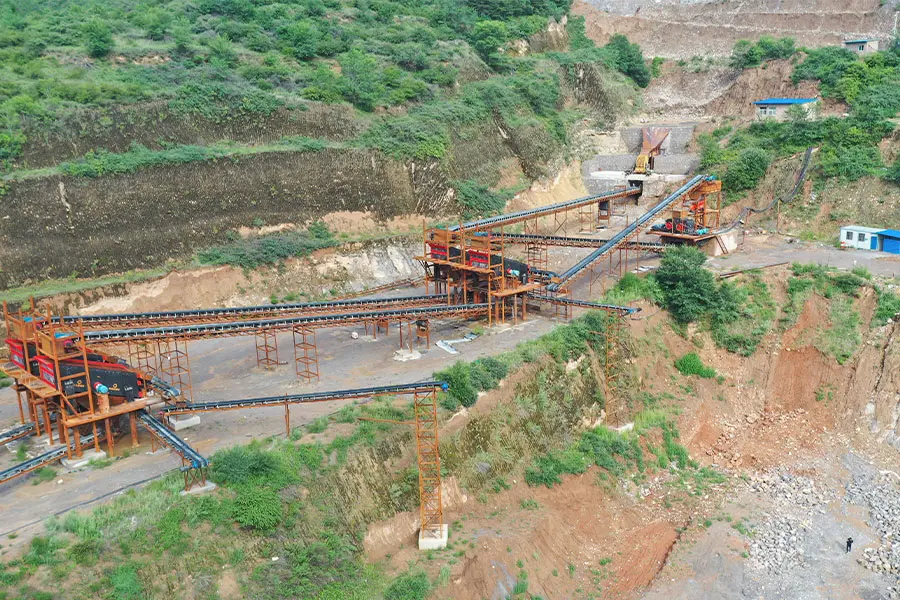
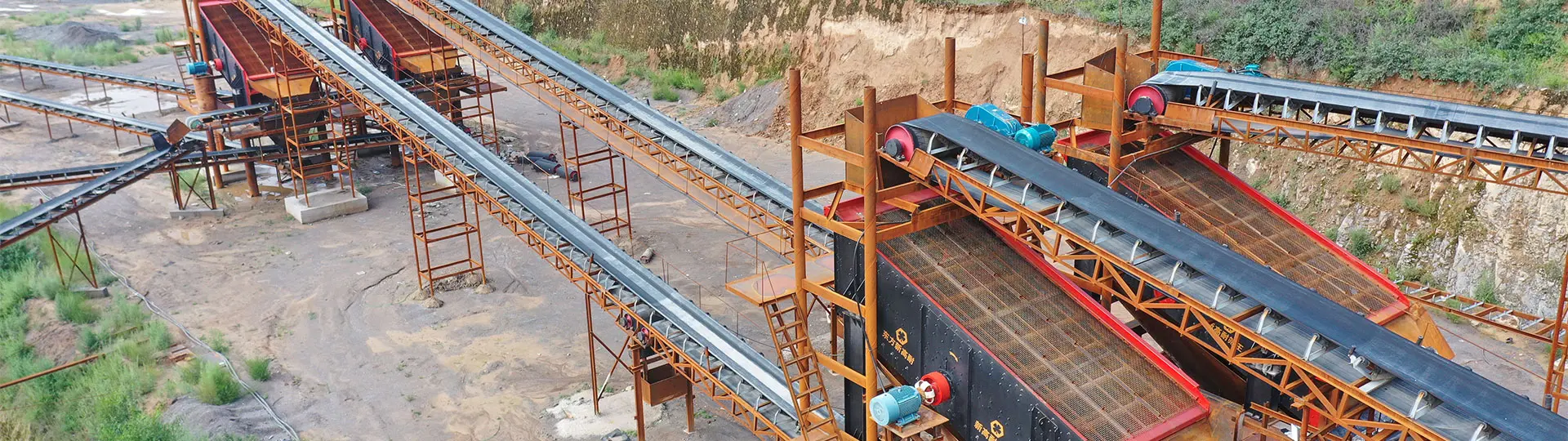
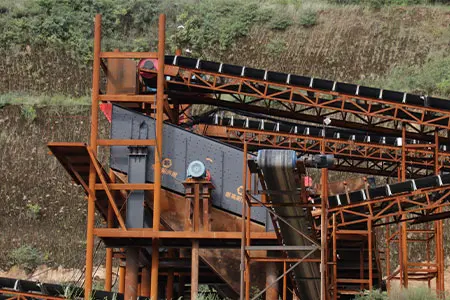
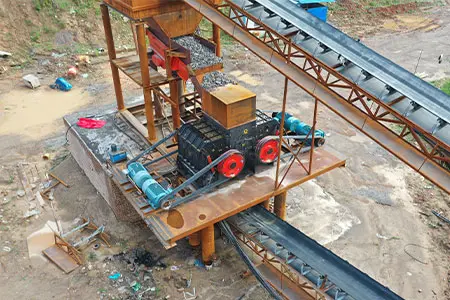
This 700 TPH limestone crushing, sand making and screening plant is located in Kenya. It processes limestone with a maximum feed size of 1,000 mm and produces four graded products: 0–5 mm, 5–10 mm, 10–20 mm and 20–30 mm.
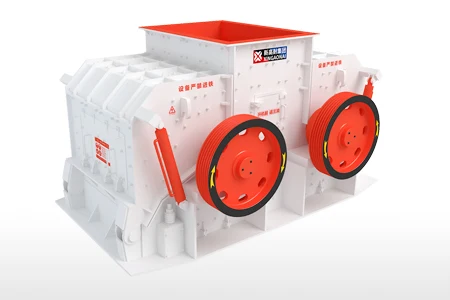
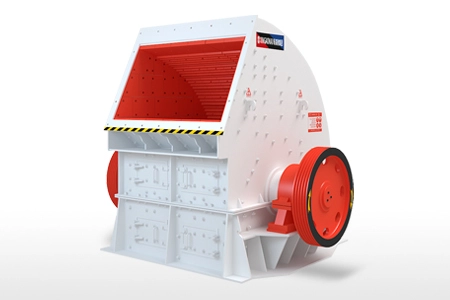
One vibrating feeder provides controlled feeding to a heavy hammer crusher for the main crushing stage. Belt conveyors then transfer the crushed limestone to one SZJ Series double-rotor sand making machine for fine crushing and particle-shape improvement.
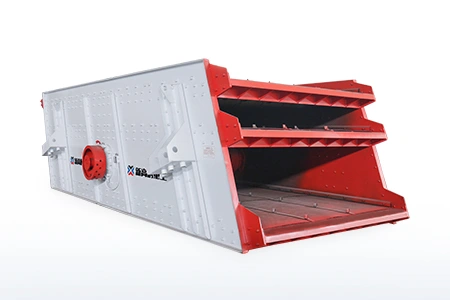
Four YKZ Series linear vibrating screens classify the processed material into the required product sizes. Qualified products enter separate stockpiles, while oversize material is returned for further processing. Actual output and gradation depend on feed characteristics, moisture, equipment settings, screen apertures and operating conditions.
Material processing
Process Flow
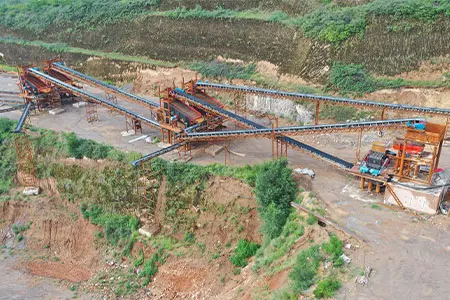
Limestone with a maximum feed size of 1,000 mm is evenly fed to a heavy hammer crusher. The crushed material then passes through an SZJ double-rotor sand making machine for fine crushing and shaping before four YKZ screens separate it into four finished product sizes.
Raw Limestone
Limestone with a maximum feed size of 1,000 mm is loaded into the feed hopper.
Controlled Feeding
One vibrating feeder delivers the limestone evenly and continuously to the primary crushing stage.
Primary Crushing
One heavy hammer crusher performs the main size-reduction stage and prepares the material for further processing.
Fine Crushing & Shaping
One SZJ Series double-rotor sand making machine performs fine crushing and improves the particle shape.
Screening and Classification
Four YKZ Series linear vibrating screens classify the processed material into the required product sizes.
Finished Products & Return Circuit
Qualified products are discharged to separate stockpiles, while oversize material is returned for further crushing.
Complete processFeed hopper → Vibrating feeder → Heavy hammer crusher → Belt conveyors → SZJ Series double-rotor sand making machine → Four YKZ Series linear vibrating screens → Finished-product stockpiles / Oversize return
Equipment configuration
Main Equipment
| Process Stage | Equipment / Model | Quantity |
|---|---|---|
| Feeding | Vibrating Feeder | 1 set |
| Primary Crushing | Heavy Hammer Crusher | 1 set |
| Fine Crushing & Shaping | SZJ Series Double-Rotor Sand Making Machine | 1 set |
| Screening | YKZ Series Linear Vibrating Screen | 4 sets |
Explore the Related Equipment
Project details
Project Scope & Technical Details
Balancing Fine Crushing, Particle Shape and Fines Content
The SZJ double-rotor stage provides further size reduction and shaping after the main crushing stage. Operating settings should be assessed against the required product split: producing more fine material does not automatically improve the quality or value of the finished products.
For the 0–5 mm fraction, grading and fines content should be checked alongside particle shape. Its suitability as manufactured sand must be confirmed against the intended application and applicable specification.
Screening Control and Oversize Recirculation
The four YKZ screens classify the processed limestone into the specified fractions. Screen openings, wear condition, material distribution and feed moisture influence separation performance. Damp fines or blocked apertures can reduce effective screening area and alter the finished-product grading.
The oversize return load should be monitored together with fresh feed. If recirculation increases, operators should check crusher wear, equipment settings and screen performance before increasing the feed rate. Stable classification helps keep finished-product stockpiles separate and limits misplaced material.
Understanding the 700 TPH Design Capacity
The stated capacity is a nominal design value. Actual finished-product output depends on limestone characteristics, feed size distribution, moisture, equipment condition, screen apertures and the required proportion of each product.
Fresh feed, recirculating material and finished-product output should be measured separately when assessing performance. A high conveyor throughput alone does not establish the quantity of saleable aggregates produced.
Maintenance and Product Quality Checks
Routine inspection should cover hammer and liner wear, the SZJ rotor and wear parts, screen media, conveyor transfer points and lubrication systems. Follow the equipment manuals and observed wear condition when planning maintenance.
Sample each finished fraction to check grading and contamination. Keep stockpiles separate during conveying, storage and loading. Suitability for concrete, road construction or other uses should be established through testing against project-specific requirements.
Equipment References for Similar Projects
For equipment functions and selection information, see the heavy hammer crusher, SZJ double-rotor sand making machine and YKZ linear vibrating screen pages. A similar plant requires project-specific selection based on material testing, feed conditions and product specifications.
Equipment & project support
Support for Your Equipment and Plant
Discuss the engineering, equipment supply and service support required for your project. Responsibilities and deliverables are defined in the agreed scope.
Professional Solution,High Efficiency
Full and complete service system,professional team,guarantee the production efficiency
Full Specifications For Choice
medium and large sized production needs
Free Technical Support and Service
Product installation,commissioning,technical training,etc
Questions about this project
Frequently Asked Questions
What is the design capacity of the Kenya limestone plant?
The nominal design capacity is 700 TPH. Actual output depends on feed gradation, moisture, equipment settings and operating conditions.
What material and maximum feed size does the plant handle?
The line is configured for limestone with a maximum feed size of 1,000 mm.
What main equipment is used in the production line?
The current configuration includes one vibrating feeder, one heavy hammer crusher, one SZJ Series double-rotor sand making machine and four YKZ Series linear vibrating screens.
What finished product sizes does the plant produce?
The configured products are 0–5 mm limestone fines and 5–10 mm, 10–20 mm and 20–30 mm graded aggregates. Use of the 0–5 mm fraction as manufactured sand depends on its grading, fines content and compliance with the relevant specification.
How is oversize material handled?
Material that does not pass the required screen aperture is returned for further crushing. This closed-circuit arrangement helps control the final product gradation.
What affects the quality of limestone manufactured sand?
Quality depends on feed characteristics, crushing and shaping settings, screen condition and fines content. The 0–5 mm fraction should be tested for grading, particle shape and other properties required by the intended concrete or construction specification.
Plan your project
Discuss a Similar Crushing or Processing Project
Tell us your material, maximum feed size, target capacity, finished-product specifications and project location. These details help our team assess the equipment and process requirements.
Send message
Fields marked * are required. Country and phone are optional. For spare parts, include the equipment model and serial number.