Limestone is one of the world's most widely used industrial minerals. It serves as a primary raw material for cement production, construction aggregates, road bases, lime manufacturing, and many chemical processes. Before limestone can be used, it must usually be crushed into the required particle size.
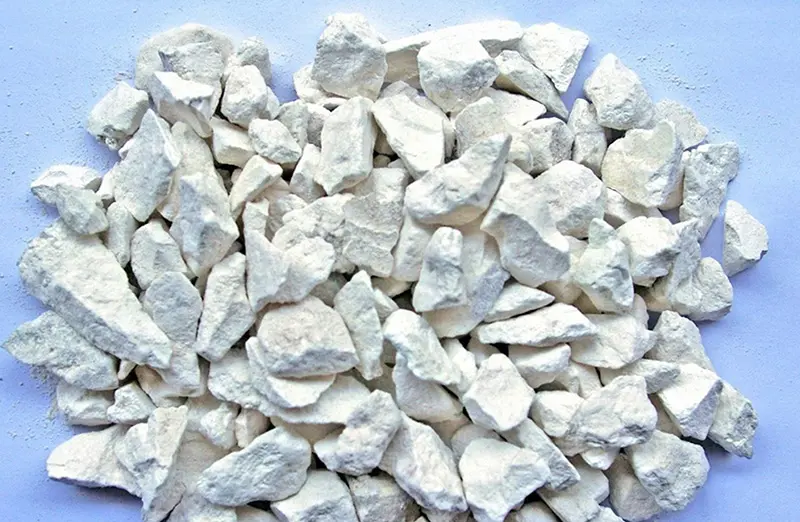
One of the most common questions asked by quarry operators and plant owners is: What is the best crusher for limestone? The answer depends on several factors, including the limestone's hardness, feed size, desired output size, production capacity, and investment budget.
This guide explains how limestone properties affect crusher selection, compares the most common crusher types, and recommends the best crushing solutions for different applications.
Why Limestone Is Easier to Crush Than Other Rocks
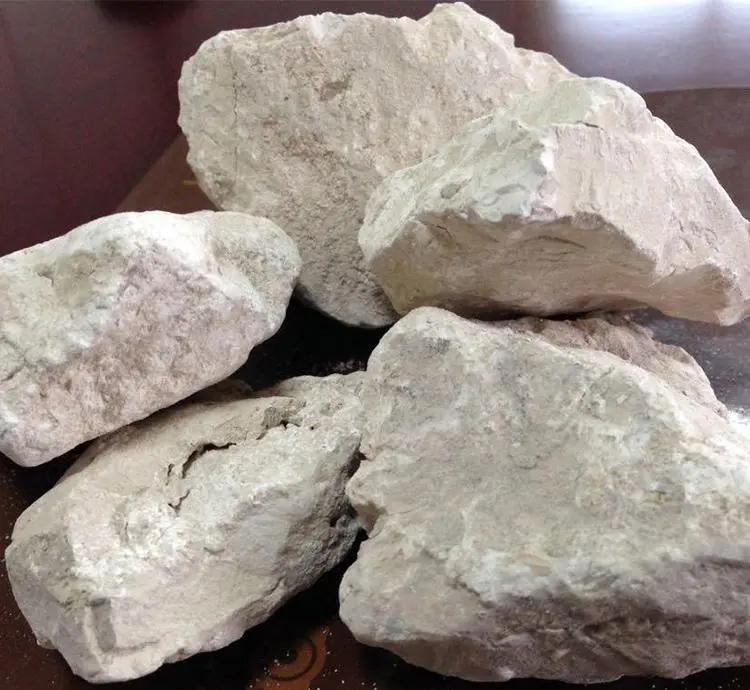
Compared with basalt and granite, limestone is relatively soft.
Typical limestone characteristics include:
Mohs hardness of approximately 3–4
Low abrasiveness
Medium compressive strength
Easy to crush
Low wear on crusher parts
Because of these properties, limestone generally requires less crushing force, consumes less energy, and causes less wear on equipment than harder rocks.
These advantages allow quarry operators to choose from several crusher types depending on their production goals.
Factors to Consider When Choosing a Limestone Crusher
Selecting the best crusher involves more than choosing the strongest machine. Several technical and economic factors should be evaluated.
Feed Size
Large run-of-mine limestone requires a primary crusher capable of handling oversized material.
For feed sizes above 500 mm, jaw crushers are typically the preferred option.
Required Final Product Size
Different applications require different particle sizes.
Examples include:
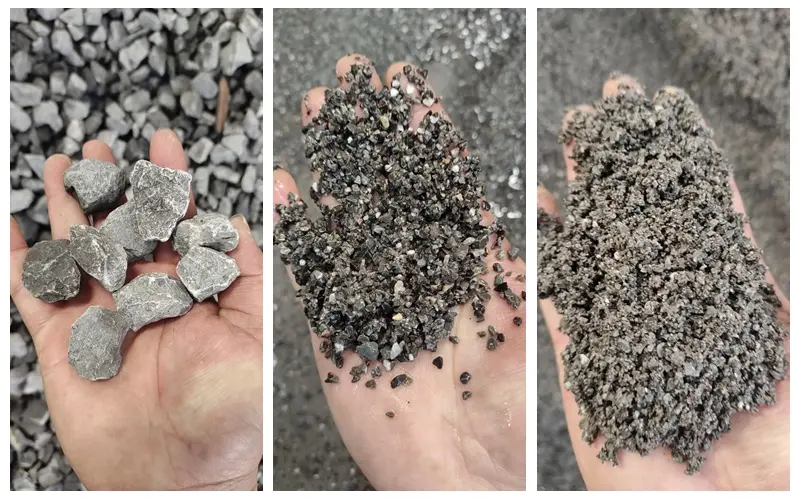
0–5 mm manufactured sand
5–10 mm aggregates
10–20 mm concrete aggregates
20–40 mm road construction stone
The required output size determines whether secondary or tertiary crushing is necessary.
Plant Capacity
Crusher selection should match production requirements.
Typical capacities include:
| Plant Size | Capacity |
|---|---|
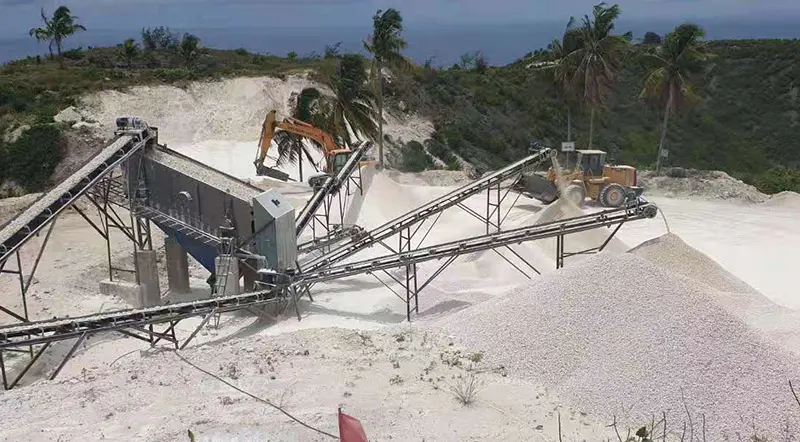
| Small quarry | 20–100 TPH |
| Medium quarry | 100–500 TPH |
| Large quarry | 500–2,000+ TPH |
Proper equipment sizing improves efficiency while avoiding unnecessary investment.
Budget
Initial investment and long-term operating costs should both be considered.
A lower purchase price does not always result in the lowest total operating cost.
Common Crushers Used for Limestone
Several crusher types perform well in limestone applications.
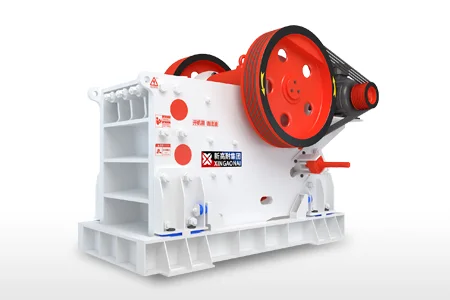
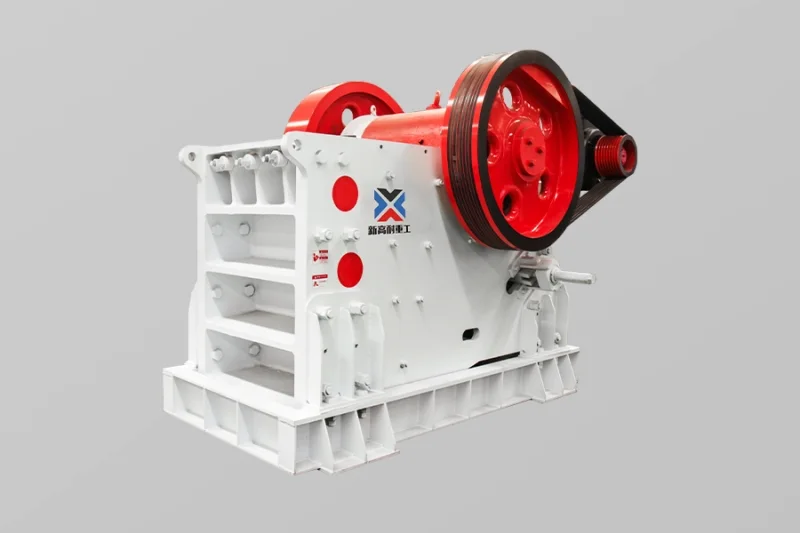
Jaw Crusher
Jaw crushers are widely used for primary crushing.
Advantages
Handles large feed sizes
Simple structure
Reliable operation
Low maintenance
Long service life
Best Applications
Primary crushing
Large limestone blocks
Quarry operations
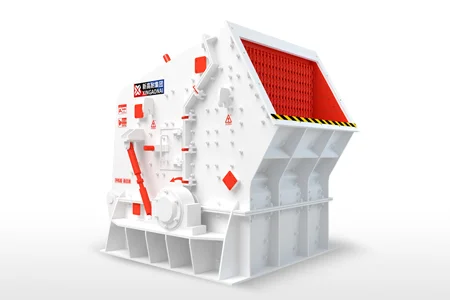
Impact Crusher
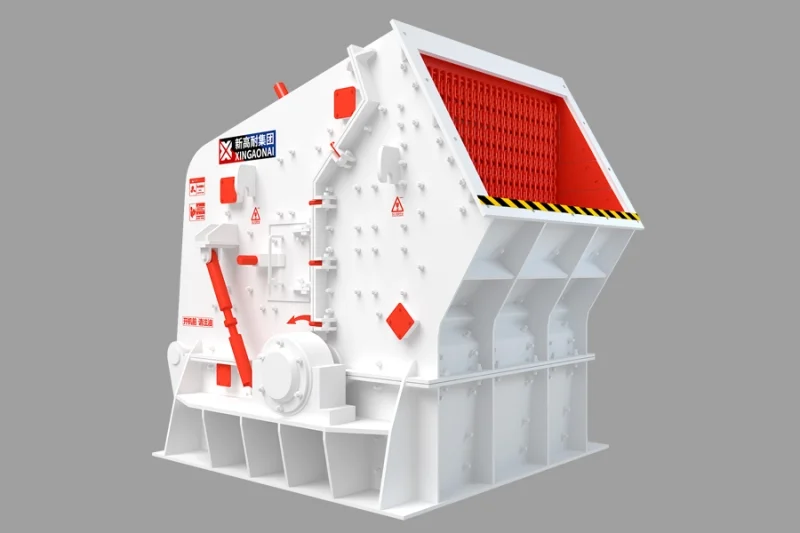
Impact crushers are often considered the best overall choice for limestone because the material is relatively soft and non-abrasive.
Advantages
Excellent particle shape
High reduction ratio
High production efficiency
Lower investment
Uniform finished product
Best Applications
Aggregate production
Road construction
Concrete aggregates
Cement plants
For many limestone processing plants, the combination of a jaw crusher followed by an impact crusher offers the best balance between cost and performance.
Hammer Crusher
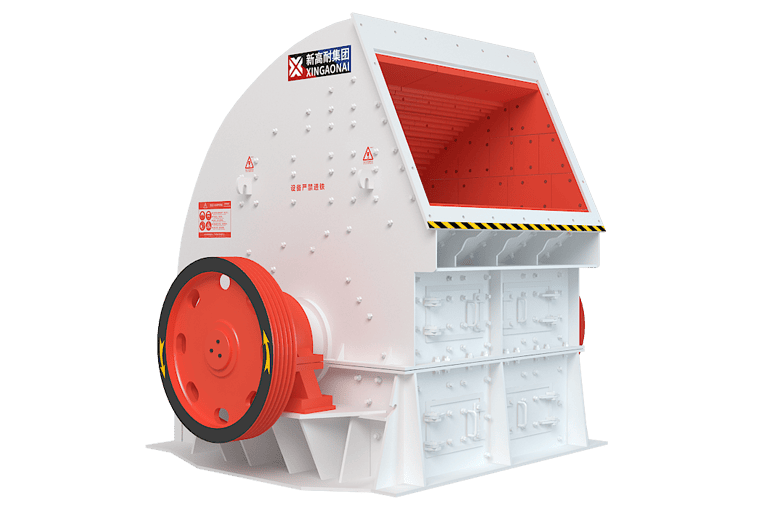
Hammer crushers combine crushing and coarse grinding in a single machine.
Advantages
Compact design
Simple installation
Low equipment cost
High crushing ratio
Best Applications
Small limestone plants
Cement production
Lime plants
However, hammer crushers may produce more fine material than other crusher types.
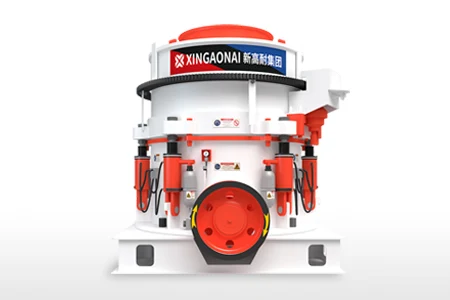
Cone Crusher
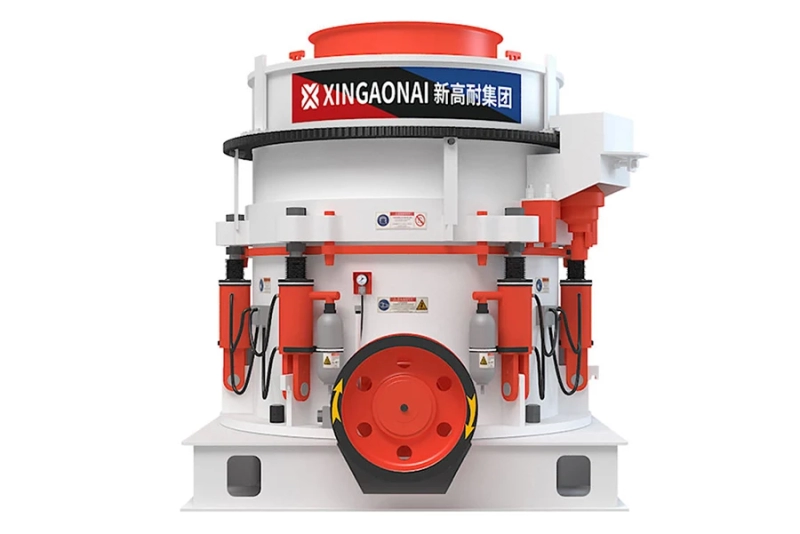
Cone crushers are less commonly used for limestone because they are primarily designed for hard and abrasive rocks.
Advantages
High capacity
Continuous operation
Stable performance
Best Applications
High-capacity plants
Multi-material crushing lines
Plants processing both limestone and hard rock
If the plant processes only limestone, an impact crusher is usually the more economical choice.
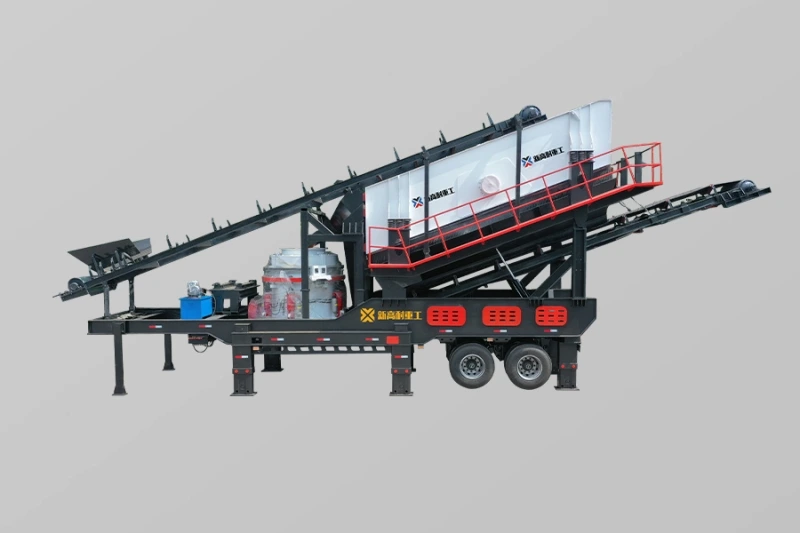
Mobile Limestone Crusher
Mobile crushers integrate feeding, crushing, screening, and conveying into one unit.
Advantages
Fast installation
Easy transportation
Flexible operation
Lower civil construction costs
Ideal for temporary projects
Best Applications
Mobile quarry operations
Construction projects
Remote crushing sites
Recycling applications
Mobile limestone crushers have become increasingly popular due to their flexibility and reduced installation time.
Recommended Limestone Crushing Circuits
Small Limestone Plant
Recommended flow:
Jaw Crusher
↓
Hammer Crusher
↓
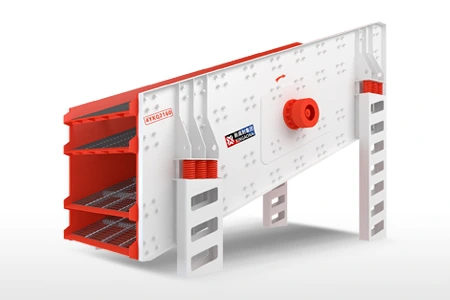
Vibrating Screen
This configuration offers low investment and easy operation.
Medium Limestone Plant
Recommended flow:
Jaw Crusher
↓
Impact Crusher
↓
Vibrating Screen
This is one of the most common configurations because it delivers excellent particle shape with reasonable operating costs.
Large Limestone Plant
Recommended flow:
Jaw Crusher
↓
Impact Crusher
↓
Impact Crusher (Fine Crushing)
↓
Screening
This multi-stage crushing process improves capacity while producing high-quality aggregates.
Fixed vs. Mobile Limestone Crushing Plants
| Feature | Fixed Plant | Mobile Plant |
|---|---|---|
| Installation | Permanent | Portable |
| Capacity | Higher | Medium |
| Civil construction | Required | Minimal |
| Mobility | None | Excellent |
| Initial investment | Higher | Lower |
| Best application | Long-term quarry | Temporary or remote projects |
Choosing between a fixed and mobile crushing plant depends on project duration, location, and production requirements.
Which Crusher Produces the Best Aggregate Shape?
If particle shape is the priority, impact crushers are generally the best option for limestone.
They produce:
Cubical aggregates
Fewer flaky particles
Better concrete performance
Higher-quality road aggregates
This is one reason why impact crushers are widely used in aggregate production.
Maintenance Tips for Limestone Crushers
Regular maintenance improves reliability and reduces downtime.
Recommended practices include:
Inspect wear parts regularly.
Monitor bearing temperatures.
Maintain lubrication systems.
Remove material buildup.
Check belt tension.
Replace worn blow bars or hammers on schedule.
Because limestone is relatively soft, maintenance costs are generally lower than those associated with crushing granite or basalt.
How to Choose the Best Limestone Crusher
Before purchasing equipment, consider the following:
Determine the limestone characteristics.
Define production capacity.
Specify the required final product size.
Evaluate investment and operating costs.
Consider future plant expansion.
Choose equipment from an experienced manufacturer with reliable technical support.
A properly designed crushing system improves efficiency, reduces energy consumption, and lowers long-term operating costs.
Applications of Limestone Crushers
Limestone crushers are widely used in:
Cement plants
Lime production
Aggregate quarries
Road construction
Railway ballast production
Building materials manufacturing
Chemical processing
Mining operations
The Best Limestone Crusher Depends on Your Production Needs
There is no single crusher that is ideal for every limestone project. The best choice depends on material size, required capacity, finished product specifications, budget, and operating conditions.
For most limestone processing plants, a jaw crusher is the preferred solution for primary crushing, while an impact crusher provides excellent secondary crushing performance and produces high-quality aggregates. Small plants may benefit from hammer crushers, and mobile crushers offer unmatched flexibility for temporary or remote operations.
Selecting the right limestone crusher not only improves production efficiency but also reduces operating costs and extends equipment service life.