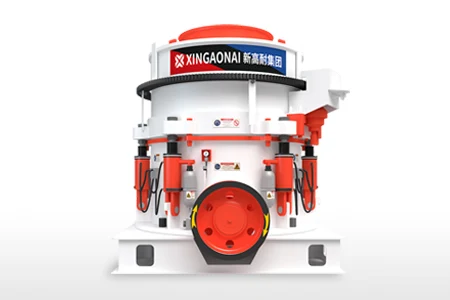
When you plan a crushing project, one of the first decisions you face is choosing between a mobile crusher and a stationary crusher. Both types have their own strengths and weaknesses. The right choice depends on your project size, material type, location, and budget. This article compares mobile crusher vs stationary crusher in simple terms. You will learn the key differences and get practical advice to make the best decision for your operation.
What Is a Mobile Crusher?
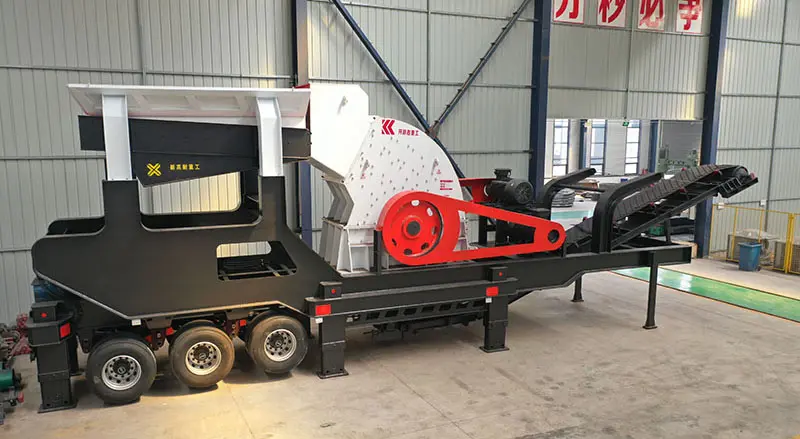
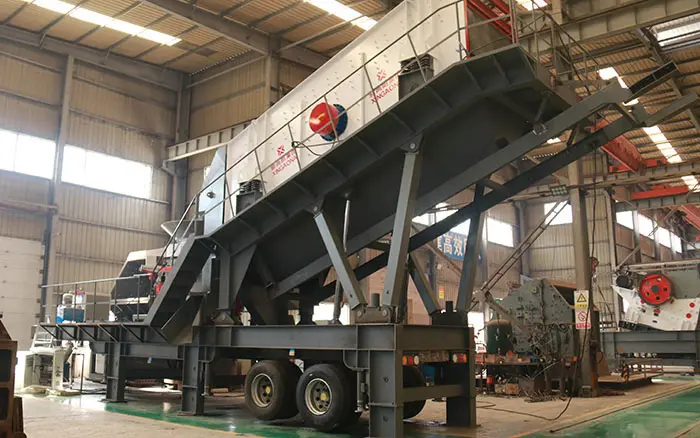
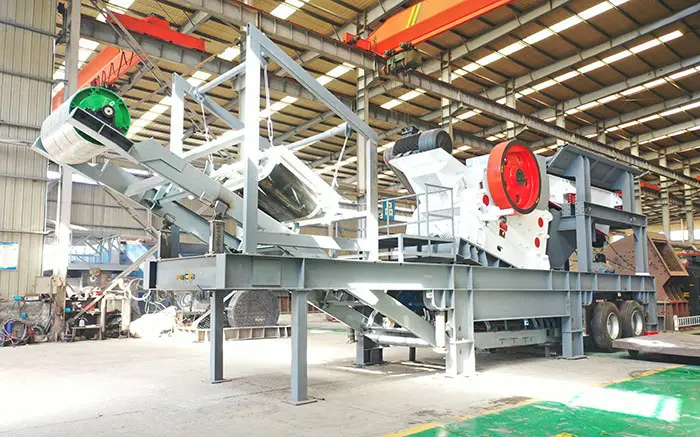
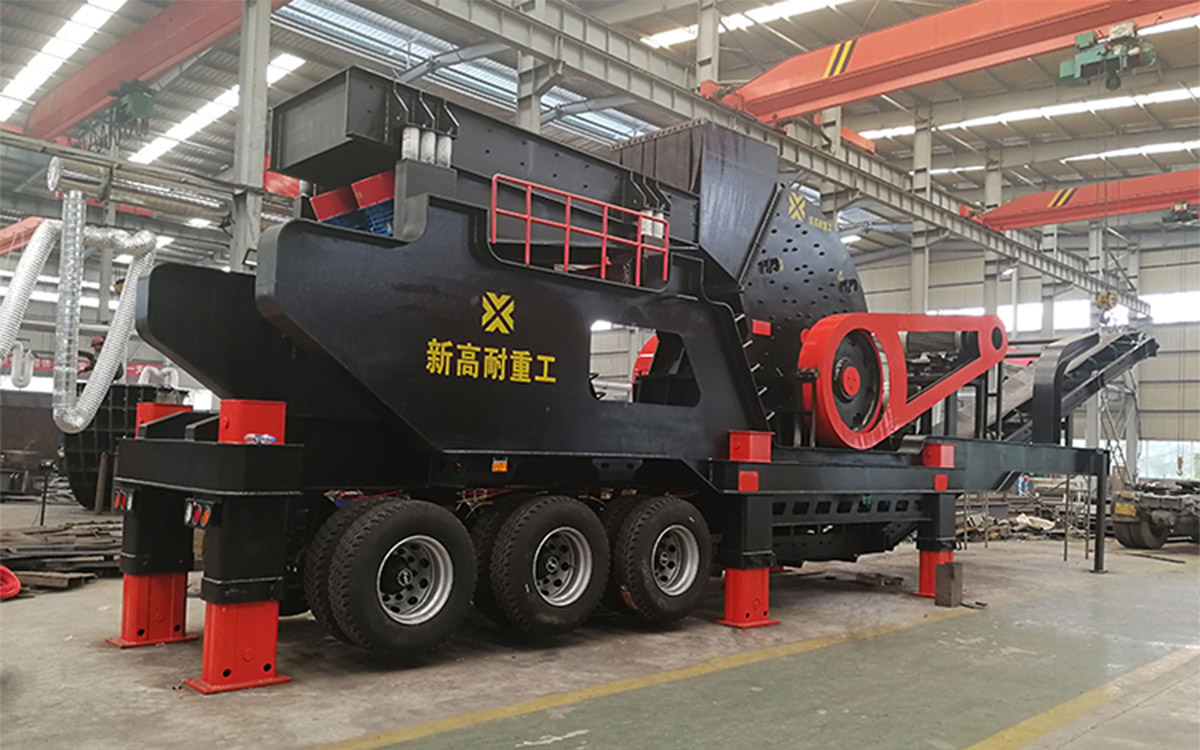
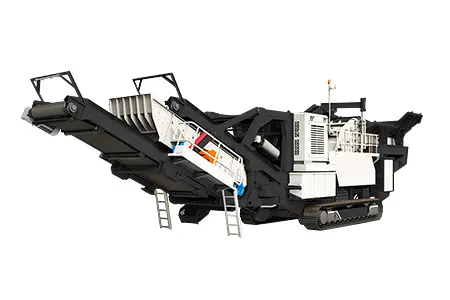
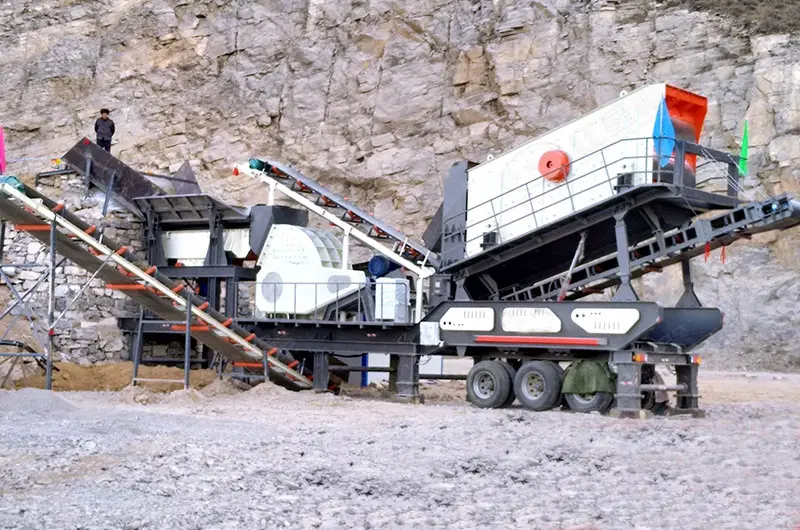
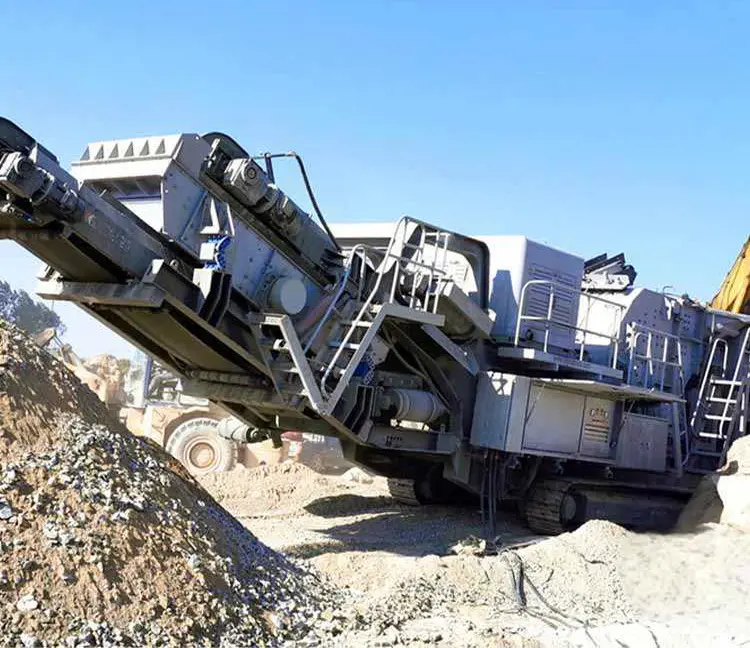
A mobile crusher is a crushing unit mounted on a wheeled or tracked chassis. You can move it easily from one site to another. It has its own feeder, crusher, and conveyor belt built into one machine. You can tow it with a truck or drive it on tracks directly to the work area. Mobile crushers are popular in construction, demolition recycling, and small to medium quarries.
What Is a Stationary Crusher?
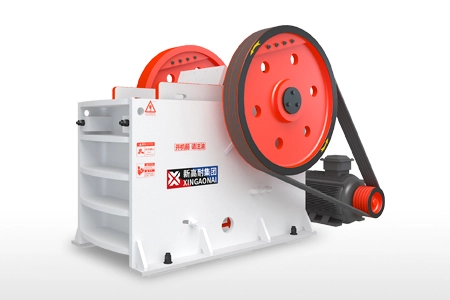
A stationary crusher is a fixed crushing plant installed on a concrete foundation. It does not move. The plant includes feeders, crushers, screens, and conveyors set up in a permanent location. Stationary crushers are common in large mines, big quarries, and industrial mineral processing plants. They are designed for high capacity and continuous operation.
Mobile Crusher vs Stationary Crusher: Key Differences
Let us compare the two types across several important factors.
1. Mobility
Mobile crusher: High mobility. You can move it between job sites quickly. Some models are road-legal and can be towed. Tracked models can climb rough terrain.
Stationary crusher: No mobility. Once installed, it stays in one place. Moving it requires disassembly and a new foundation, which is expensive and time-consuming.
Winner for mobility: Mobile crusher
2. Setup Time
Mobile crusher: Very fast. You can set up a mobile unit in a few hours. Level the ground, connect power, and start crushing. No concrete foundation needed for most models.
Stationary crusher: Slow. Setup takes weeks or months. You need site preparation, concrete foundations, electrical connections, and conveyor assembly.
Winner for setup time: Mobile crusher
3. Initial Investment Cost
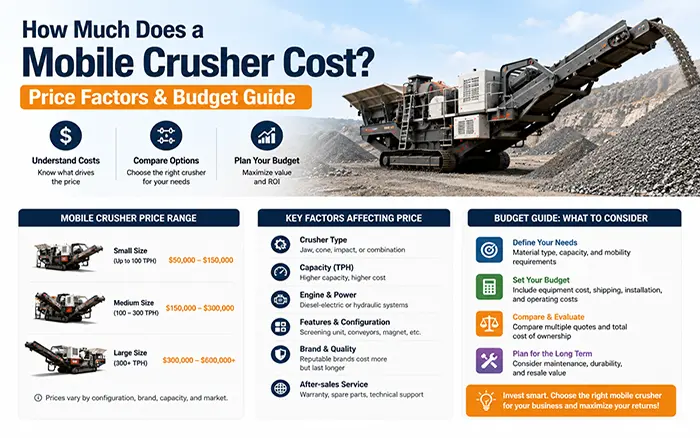
Mobile crusher: Higher cost per ton of capacity. A mobile plant costs more than a stationary plant of the same size because of the chassis, tracks, and integrated design.
Stationary crusher: Lower initial cost for the same crushing capacity. You save money by not buying wheels, tracks, and a complex chassis.
Winner for initial cost: Stationary crusher
4. Operating Cost
Mobile crusher: Slightly higher operating costs. Fuel for moving between sites, more wear on moving parts, and higher maintenance for the mobility system.
Stationary crusher: Lower operating costs per ton. Fixed plants are more energy-efficient and have simpler maintenance.
Winner for operating cost: Stationary crusher
5. Capacity (Tons per Hour)
Mobile crusher: Typically 50 to 500 tons per hour. Some large mobile models can reach 1,000 t/h, but they are expensive.
Stationary crusher: Very high capacity, from 100 to over 5,000 tons per hour. Large mines and quarries use stationary plants for high-volume production.
Winner for high capacity: Stationary crusher
6. Flexibility for Different Sites
Mobile crusher: Very flexible. You can move it to follow the material source. Ideal for projects with multiple locations or short-term contracts.
Stationary crusher: Inflexible. The material must be hauled to the crusher. If the quarry face moves far away, you need longer haul roads.
Winner for flexibility: Mobile crusher
7. Product Quality
Mobile crusher: Same crushing technology as stationary. Modern mobile crushers produce the same quality of aggregate or crushed ore. No difference in product shape or gradation.
Stationary crusher: High and consistent quality. With advanced screening and multiple crushing stages, stationary plants can produce very precise specifications.
Winner: Tie (both can achieve good quality)
8. Maintenance
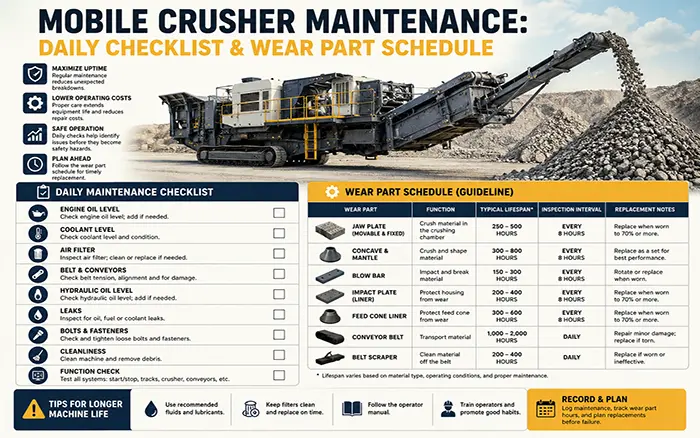
Mobile crusher: More complex maintenance. You need to maintain the crushing parts plus the mobility system (engine, tracks or axles, hydraulics). Access can be tighter.
Stationary crusher: Easier maintenance. More space around components. Fewer moving parts outside the crushing circuit.
Winner for ease of maintenance: Stationary crusher
9. Environmental Impact
Mobile crusher: Lower land disturbance. No permanent foundation. Can be moved away after the project ends. Less soil and vegetation removal.
Stationary crusher: Larger land impact. Requires clearing a permanent area, building access roads, and often a large footprint.
Winner for lower environmental impact: Mobile crusher
Comparison Table: Mobile Crusher vs Stationary Crusher
| Feature | Mobile Crusher | Stationary Crusher |
|---|---|---|
| Mobility | High (can move between sites) | None (fixed in place) |
| Setup time | Hours to days | Weeks to months |
| Initial cost | Higher for same capacity | Lower for same capacity |
| Operating cost | Higher per ton | Lower per ton |
| Capacity range | 50–500 t/h (up to 1,000) | 100–5,000+ t/h |
| Flexibility | Very high | Very low |
| Maintenance | More complex | Simpler |
| Environmental impact | Lower | Higher |
| Best for | Short-term, multiple sites, remote locations | Long-term, high volume, single location |
When to Choose a Mobile Crusher
A mobile crusher is the better choice when:
Your project has a short duration (less than 2–3 years).
You need to work at multiple sites or move the crusher frequently.
The material source is scattered over a large area.
You have limited space and cannot build a concrete foundation.
You are doing contract crushing for different clients.
You are recycling construction and demolition waste at urban sites.
You need to start production quickly.
Examples: Road construction projects, building demolition recycling, small quarry with moving faces, and disaster recovery operations.
When to Choose a Stationary Crusher
A stationary crusher is the better choice when:
You have a long-term operation (more than 5–10 years).
You need very high capacity (over 500 tons per hour).
The material source is concentrated in one place.
You have the space and budget for a permanent installation.
You want the lowest cost per ton over many years.
You need multiple crushing and screening stages for precise products.
Examples: Large iron ore mines, big limestone quarries, cement plants, and industrial mineral processing facilities.
Cost Considerations: Total Cost of Ownership
When comparing mobile crusher vs stationary crusher, do not just look at the purchase price. Calculate the total cost over the life of the project.
For short projects (1–2 years): Mobile crusher often wins because you avoid foundation costs and can resell the unit after the project.
For medium projects (3–5 years): The math depends on how many moves you make. Each move costs time and money. Calculate carefully.
For long projects (over 5 years): Stationary crusher almost always wins on cost per ton, even with higher installation costs.
Real-World Example
Imagine you need to crush 500,000 tons of limestone for a road project over 18 months. The quarry is 10 km from the road site. You have two options:
Option A – Stationary crusher: Build a fixed plant at the quarry. Haul crushed stone to the road site. You pay for foundation, conveyors, and trucking. After the project, the plant stays at the quarry.
Option B – Mobile crusher: Bring a mobile unit to the road site. Crush stone there. You avoid trucking costs. After the project, you sell or move the crusher.
In this case, a mobile crusher often saves money on hauling and gives you an asset to sell later.
Common Mistakes When Choosing
Buying a stationary crusher for a short-term project: You waste money on foundation and lose resale value.
Buying a mobile crusher for a very high-capacity mine: You pay more per ton and cannot match the output of a fixed plant.
Forgetting the cost of moving mobile crushers: Each move costs transport, setup, and teardown time. Count those costs.
Ignoring access roads for mobile units: Some sites have poor roads. Tracked mobile crushers are better for rough terrain.
Conclusion
The choice between a mobile crusher and a stationary crusher comes down to your project duration, capacity needs, and mobility requirements. Use a mobile crusher for short-term, multi-site, or flexible operations. Use a stationary crusher for long-term, high-volume, fixed-location production. Match the equipment to your project, and you will save time and money.