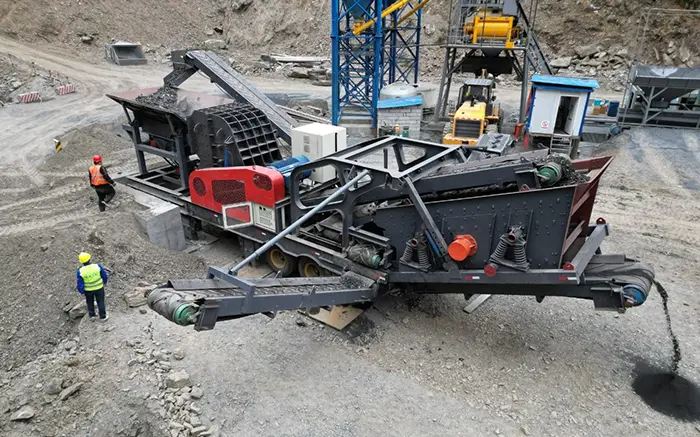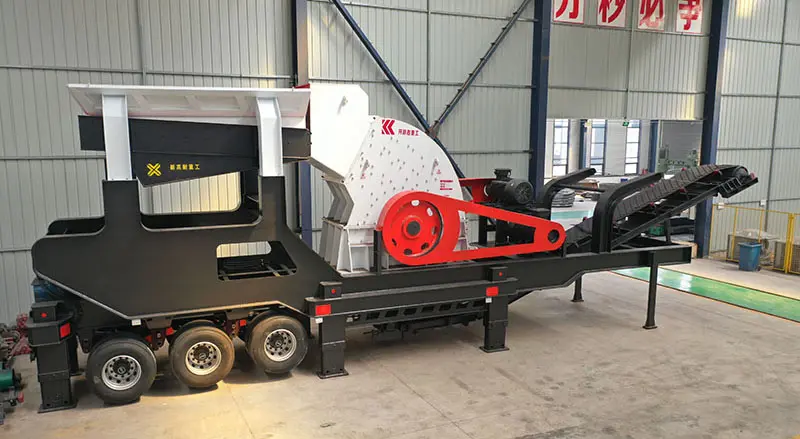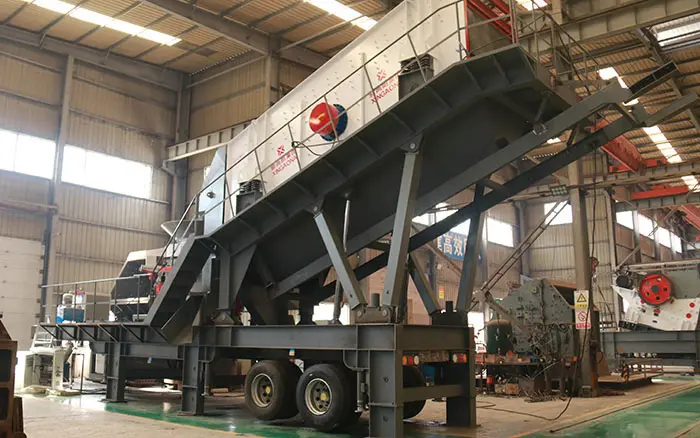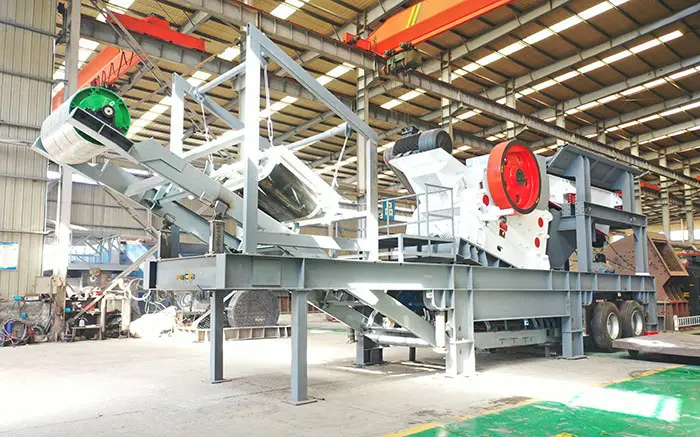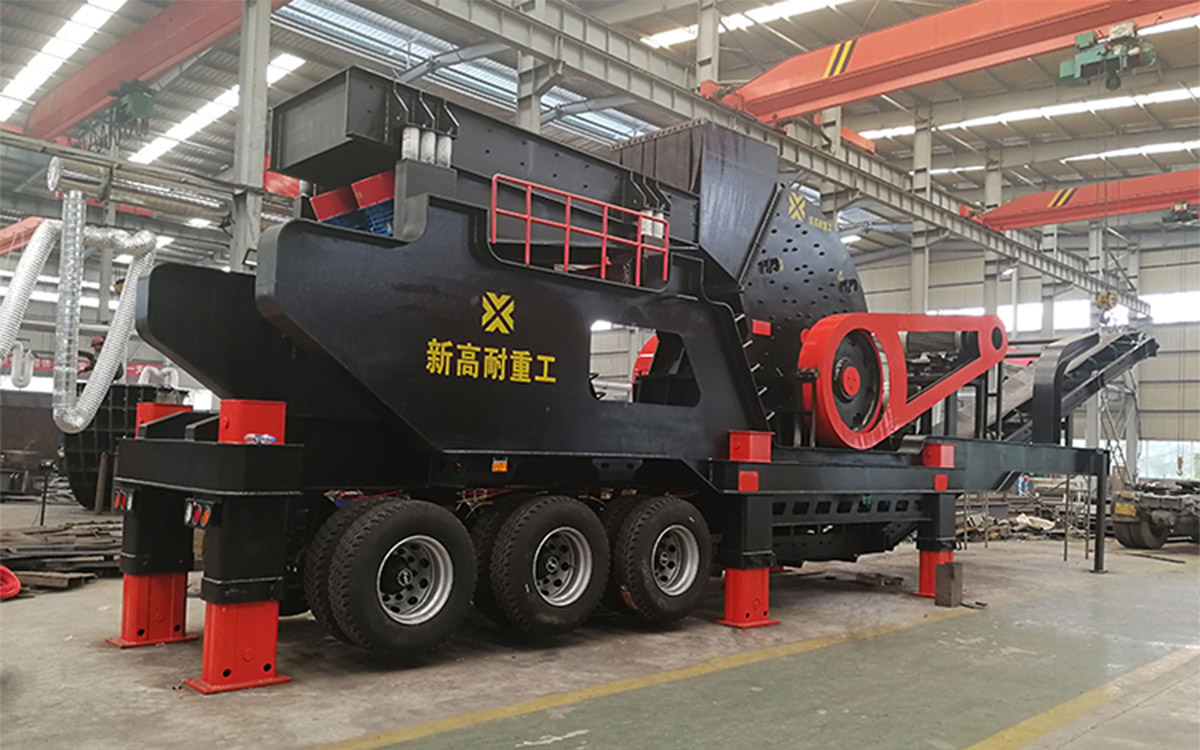
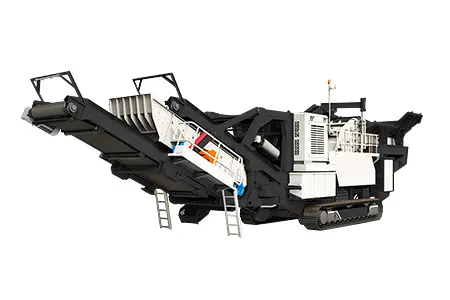
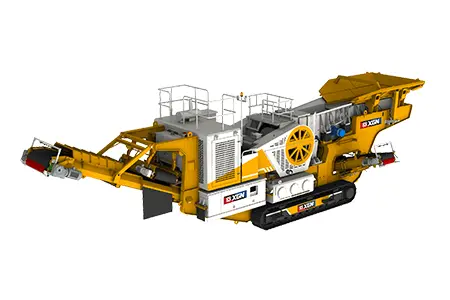
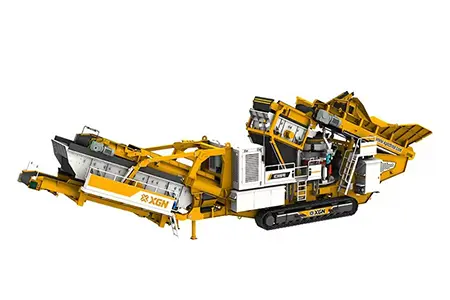
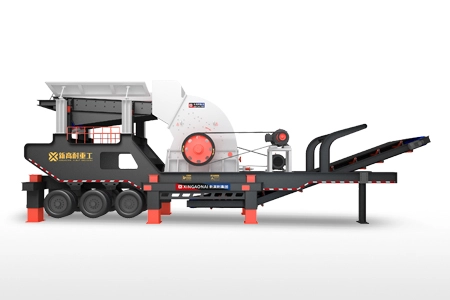
Mobile crushers operate in some of the toughest environments, including quarries, mines, construction sites, and recycling facilities. Continuous exposure to dust, vibration, impact loads, and harsh weather conditions can accelerate wear and reduce equipment reliability.
A well-planned mobile crusher maintenance program helps operators:
Reduce unexpected downtime
Improve production efficiency
Extend equipment service life
Lower repair costs
Enhance workplace safety
Whether you operate a mobile jaw crusher, mobile cone crusher, or mobile impact crusher, regular maintenance is essential for maximizing return on investment.
Common Components That Require Regular Maintenance
A mobile crushing plant consists of multiple systems that work together. Each component requires routine inspection and servicing.
Crusher Unit
The crusher itself is the most critical component.
Inspect regularly for:
Excessive wear
Cracks or damage
Abnormal vibration
Loose fasteners
Vibrating Feeder
The feeder ensures consistent material flow.
Check:
Springs
Bearings
Feed chute liners
Screening System
Proper screen maintenance improves final product quality.
Inspect:
Screen meshes
Screen decks
Support structures
Drive mechanisms
Conveyor Belts
Conveyors transport material throughout the plant.
Regular inspections should include:
Belt alignment
Belt tension
Rollers and idlers
Belt wear and tears
Hydraulic System
Many tracked mobile crushers rely heavily on hydraulic components.
Monitor:
Hydraulic oil levels
Hose condition
Cylinder performance
Hydraulic leaks
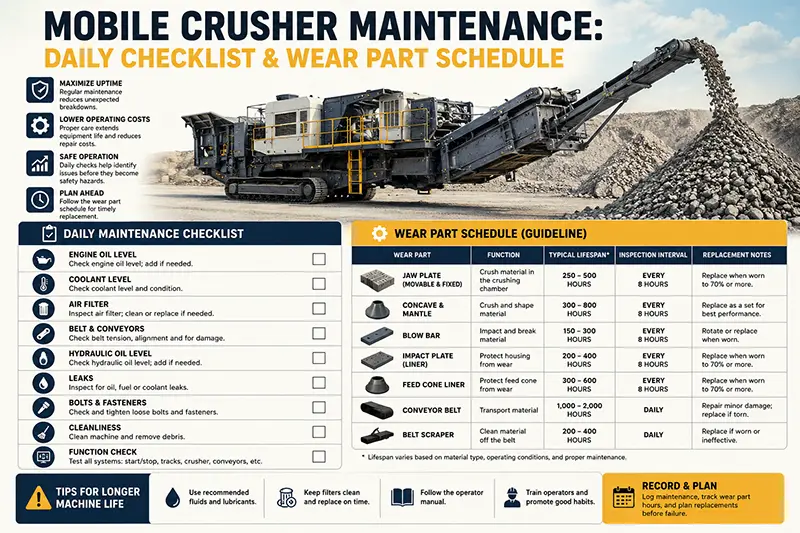
Daily Mobile Crusher Maintenance Checklist
Daily inspections can identify problems before they become costly failures.
Before Startup
Check:
Engine oil level
Hydraulic oil level
Coolant level
Fuel supply
Safety guards
Emergency stop systems
During Operation
Monitor:
Crushing performance
Noise levels
Vibration levels
Oil pressure
Engine temperature
After Shutdown
Inspect:
Wear parts
Belt condition
Fluid leaks
Material buildup
Fastener tightness
A simple daily maintenance checklist can significantly reduce downtime.
Weekly Maintenance Procedures
In addition to daily inspections, operators should perform more detailed checks every week.
Lubrication Inspection
Verify that all lubrication points are functioning properly.
Common lubrication points include:
Shafts
Conveyor rollers
Crusher components
Belt System Inspection
Check:
Pulley alignment
Belt tension
Belt wear
Improper belt tension can reduce efficiency and damage drive components.
Electrical System Inspection
Inspect:
Wiring connections
Control panels
Sensors
Switches
Electrical faults are a common cause of unplanned shutdowns.
Monthly Maintenance Tasks
Monthly maintenance focuses on long-term equipment reliability.
Structural Inspection
Check for:
Frame cracks
Weld damage
Chassis wear
Loose bolts
Tracked mobile crushers often experience high structural loads during transportation and operation.
Hydraulic System Service
Inspect:
Hydraulic pumps
Hydraulic cylinders
Hydraulic filters
Oil contamination
Replace filters according to manufacturer recommendations.
Engine Maintenance
For diesel-powered mobile crushers:
Replace engine filters
Inspect air filters
Check fuel system
Monitor exhaust performance
Proper engine maintenance improves fuel efficiency and reliability.
Mobile Crusher Wear Parts Maintenance
Wear parts have the greatest impact on crushing performance and operating costs.
Jaw Plates
For mobile jaw crushers, jaw plates should be inspected frequently for uneven wear.
Replace jaw plates when:
Crushing efficiency decreases
Wear limits are reached
Material flow becomes inconsistent
Cone Liners
For mobile cone crushers:
Monitor liner thickness
Rotate liners when appropriate
Replace before severe wear occurs
Impact Blow Bars
For mobile impact crushers:
Inspect blow bars regularly
Check rotor balance
Replace worn components promptly
Ignoring wear parts often results in lower production and higher energy consumption.
Common Mobile Crusher Problems and Solutions
Excessive Vibration
Possible causes:
Loose components
Worn bearings
Unbalanced rotor
Regular inspections help identify vibration issues early.
Low Production Capacity
Potential reasons include:
Worn crusher parts
Blocked screen openings
Improper feed size
Incorrect crusher settings
Hydraulic Leaks
Common causes:
Damaged hoses
Loose fittings
Seal wear
Leaks should be repaired immediately to prevent system damage.
Conveyor Belt Tracking Problems
Misaligned belts can cause:
Material spillage
Premature belt wear
Reduced efficiency
Routine adjustments help maintain proper belt tracking.
Maintenance Tips for Tracked Mobile Crushers
Tracked mobile crushers require additional attention because of their mobility systems.
Regularly inspect:
Track tension
Track rollers
Sprockets
Travel motors
Undercarriage components
Proper undercarriage maintenance can significantly reduce operating costs.
How Preventive Maintenance Reduces Costs
Preventive maintenance is generally less expensive than emergency repairs.
Benefits include:
Longer equipment life
Reduced downtime
Lower spare parts consumption
Improved fuel efficiency
Better production consistency
A preventive maintenance schedule helps operators avoid costly breakdowns and maximize productivity.
Best Practices for Mobile Crusher Maintenance
To keep a mobile crusher operating at peak performance:
Follow the manufacturer's maintenance schedule
Perform daily inspections
Replace wear parts on time
Maintain proper lubrication
Keep equipment clean
Train operators on maintenance procedures
Record maintenance activities for future reference
A structured maintenance program improves equipment reliability and reduces total ownership costs.
Keeping Your Mobile Crusher Running Efficiently
Mobile crusher maintenance is one of the most important factors affecting equipment performance, operating costs, and service life. Regular inspections, proper lubrication, timely replacement of wear parts, and preventive maintenance can significantly improve productivity while reducing unexpected downtime.
By implementing a comprehensive maintenance plan, operators can ensure that their mobile crushing plants continue to deliver reliable performance and maximum profitability throughout their service life.