Auxiliary Equipment

Circular Vibrating Screen

CAPACITY

100-500t/h

FEED SIZE

≤300mm
Application areas:The Circular Vibrating Screen is not only suitable for classification and sizing operations in quarrying, sand and gravel production, open-pit mining, and coal preparation plants, but also widely used in fixed processing facilities such as metallurgical p
Applicable materials:Granite, basalt, limestone, river pebbles, iron ore, copper ore, coal, coke, slag, construction waste, sand, gravel, and other bulk materials requiring dry or wet classification into two or more size fractions (feed size up to 400 mm, screening size range

Product Overview

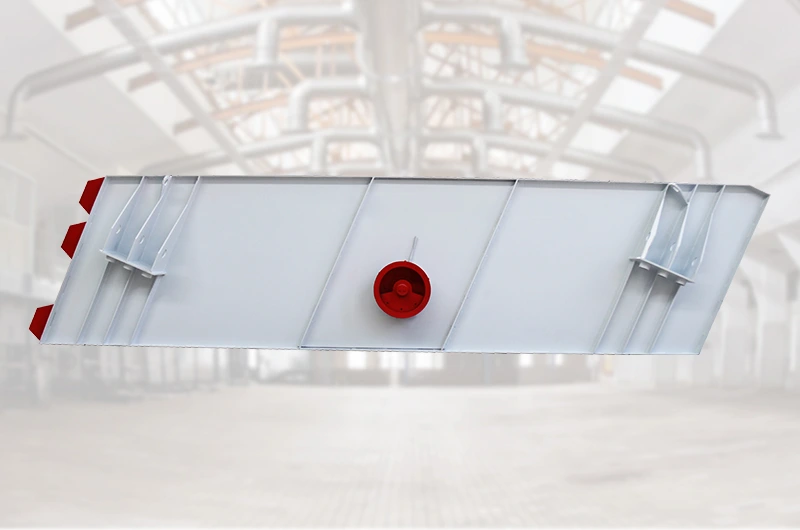
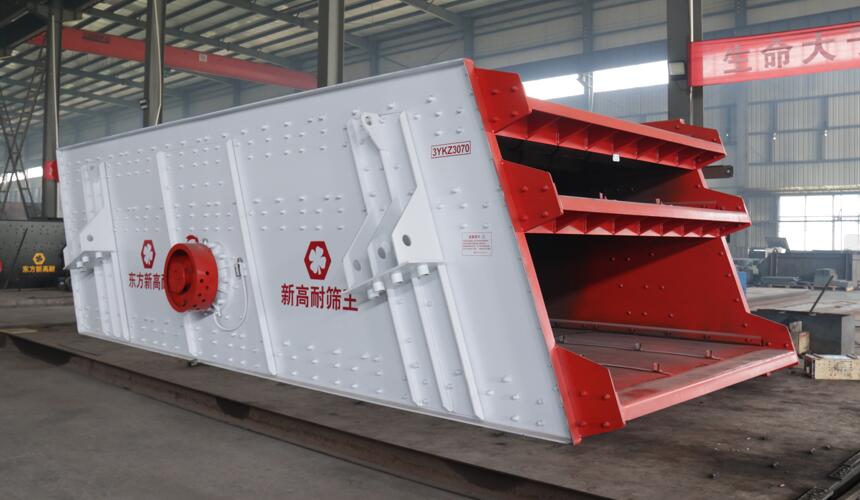
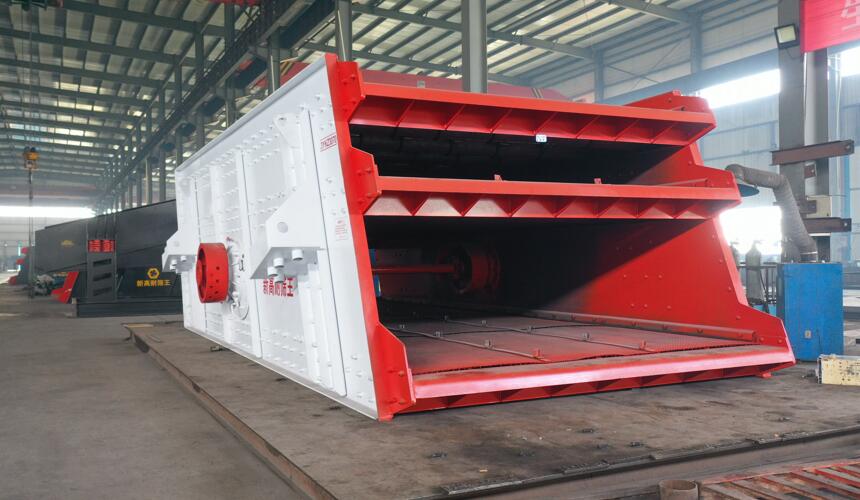
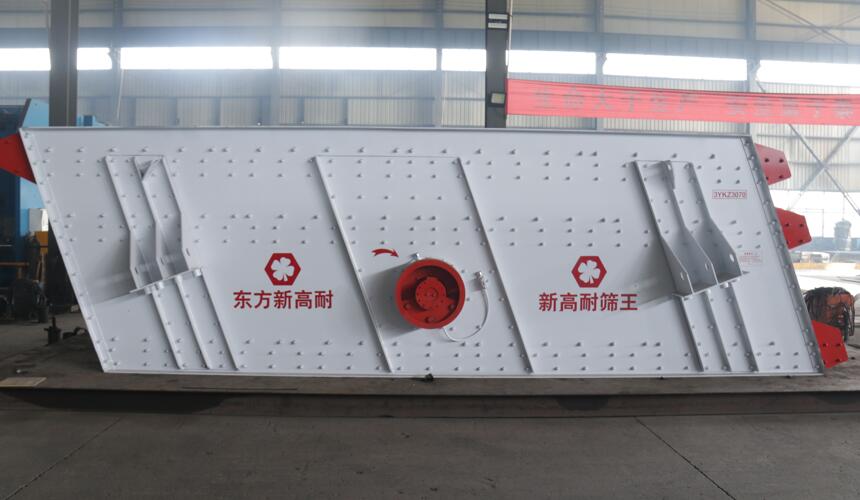
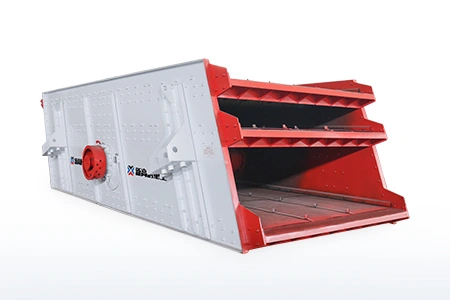
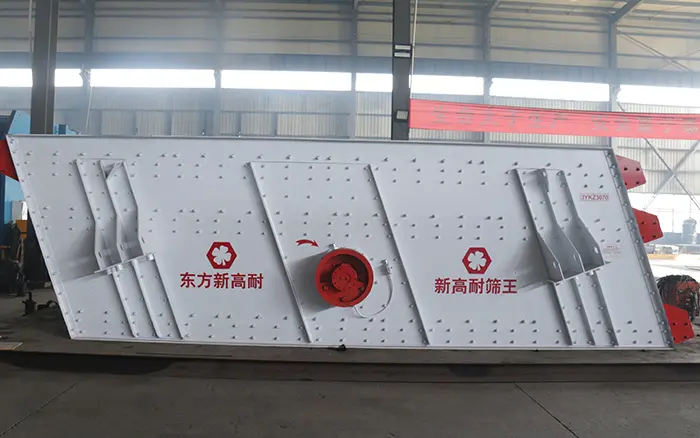
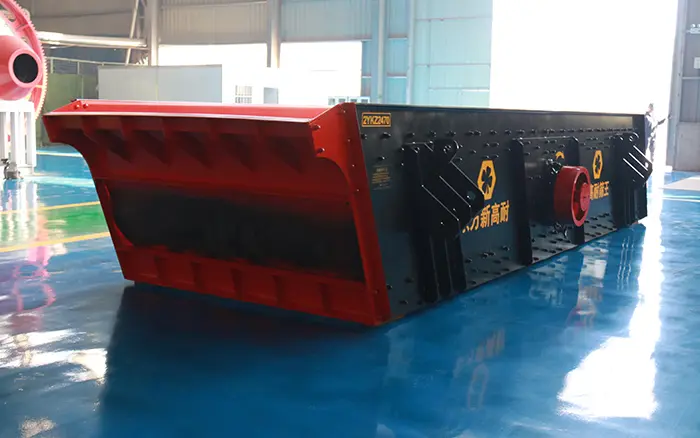
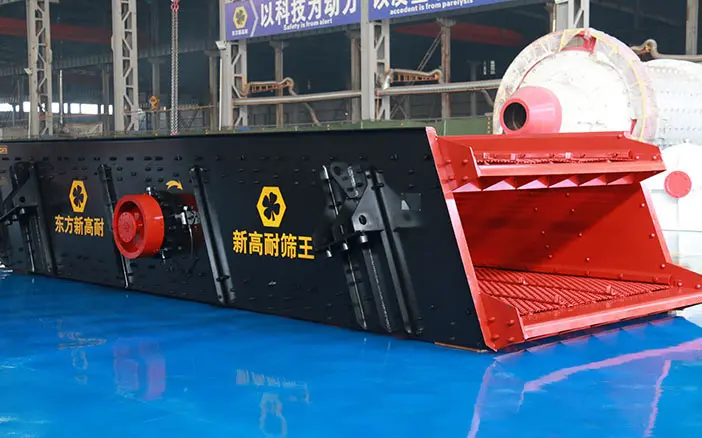
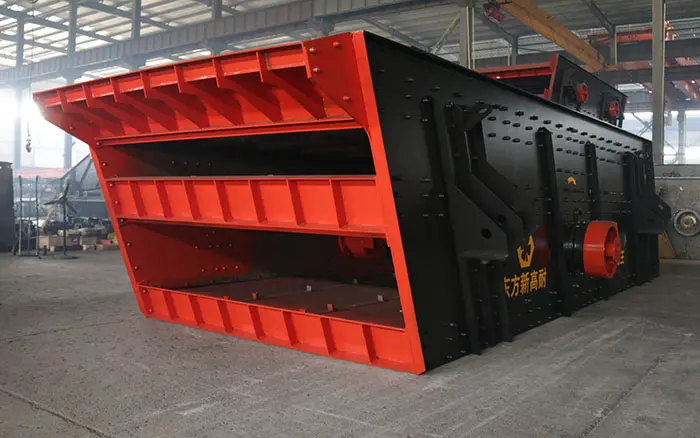
The Circular Vibrating Screen is a high-efficiency, multi-deck vibrating classification machine that uses a circular vibration trajectory generated by an eccentric shaft exciter to stratify and separate bulk materials into specified size fractions through tensioned screen panels. As the most widely adopted screening solution in aggregate production, mineral processing, and coal preparation, it serves as the critical sizing and quality-control equipment between crushing stages and in final product classification circuits.


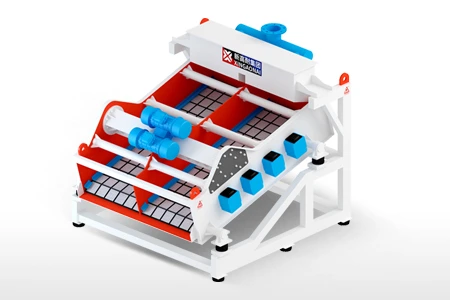
XINGAONAI Circular Vibrating Screens are available in single-deck, double-deck, and triple-deck configurations with screen surface widths from 1.0 m to 3.0 m and lengths from 2.0 m to 8.0 m, covering processing capacities from 10 TPH to over 800 TPH. The screen box is fabricated from high-strength welded steel with reinforced side plates and cross beams, mounted on coil spring isolators to absorb dynamic loads and protect the supporting structure. The eccentric shaft exciter is precision-balanced and grease-lubricated, delivering stable circular vibration amplitude of 3–6 mm at 750–1000 RPM for consistent screening performance under continuous 24-hour operation.


Screen panels are available in woven wire, polyurethane, and rubber media to suit different material abrasiveness, moisture content, and particle shape requirements. Polyurethane and rubber panels extend service life two to four times compared to wire mesh in highly abrasive applications and significantly reduce operating noise. All screen panels use quick-tension or bolted fixing systems for fast on-site replacement without special tools.

Key Advantages

High Screening Efficiency & Precise Size Separation

The circular vibration trajectory — generated by the precisely balanced eccentric shaft exciter — produces an elliptical-to-circular motion that effectively stratifies material by density and size across the full deck width. Combined with the optimized screen inclination angle (15–20°), this ensures fine particles rapidly migrate through the screen apertures while oversize material advances to discharge, achieving screening efficiencies of 85–97% depending on material characteristics.

Multi-Deck Design for Multiple Simultaneous Products

Double and triple-deck configurations allow a single machine to produce three or four product size fractions simultaneously from one feed stream, replacing multiple single-deck screens. This significantly reduces plant footprint, structural steelwork, and capital cost while simplifying the process layout and minimizing transfer conveyors between screening stages.

Heavy-Duty Welded Screen Box for Continuous Operation

The screen box is fabricated from high-strength structural steel with full-penetration welds on all primary stress joints, reinforced side plates, and bolted cross beams. Finite element analysis (FEA)-optimized box geometry minimizes fatigue cracking at the corners and beam connections — the most common failure point in vibrating screens — delivering service life of 5+ years between major structural repairs under continuous operation.

Versatile Screen Media Selection

Woven wire mesh, polyurethane modular panels, and rubber panels are all available and interchangeable on the same screen box. Wire mesh offers sharp size cuts and low cost for non-abrasive dry screening; polyurethane panels provide extended wear life and reduced blinding for wet or near-size screening; rubber panels minimize noise and are preferred for sticky or high-impact feed materials. Mixed-media decks (wire on upper deck, polyurethane on lower) are available for optimized performance across deck stages.

Low Noise, Low Maintenance Design

Coil spring isolators on all four support points absorb up to 95% of dynamic vibration before it reaches the supporting structure, protecting plant steelwork and reducing site noise levels. The exciter bearing housing is sealed and grease-lubricated with extended re-greasing intervals of 500–1,000 operating hours, eliminating daily lubrication tasks. Screen panel replacement requires no special tools and can be completed by two workers within two hours during scheduled maintenance.

Wet & Dry Screening Capability

The standard machine supports both dry screening and wet screening (with spray bars installed above the screen deck for water flushing of near-size and clay-coated particles). Wet screening significantly improves efficiency when processing sticky, clayey, or high-moisture materials that would otherwise blind dry wire mesh panels, extending screen media service life and improving product cleanliness for downstream beneficiation or concrete aggregate specifications.

Working Principle

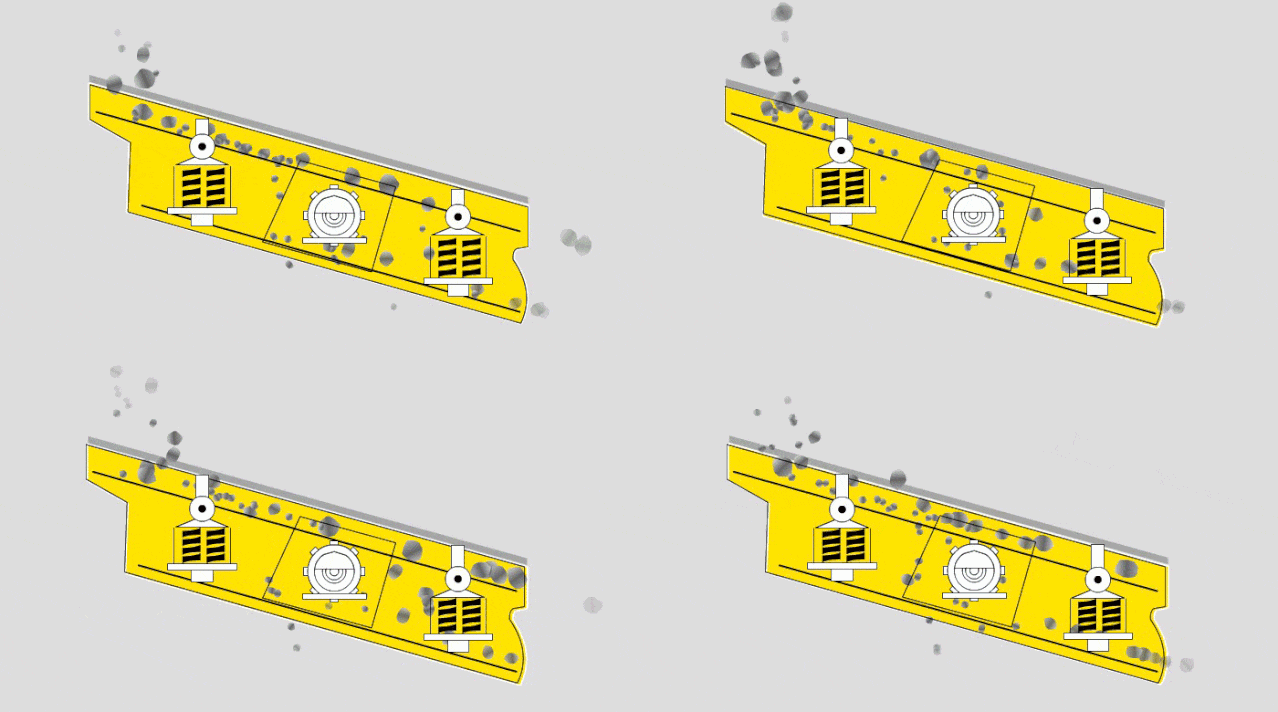
Working Principle of Circular Vibrating Screen
Bulk material is evenly distributed onto the top deck of the Circular Vibrating Screen via a feed chute or conveyor, while the eccentric shaft exciter — driven by the electric motor through V-belts — generates a stable circular vibration trajectory that causes the entire screen box to vibrate at 750–1,000 RPM with an amplitude of 3–6 mm; this vibration stratifies the material bed so that fine particles sink to the screen surface and pass through the apertures while coarser oversize material rides on top and advances toward the discharge end under the combined effect of vibration and the 15–20° screen inclination. In multi-deck configurations, material that passes the upper deck falls onto the lower deck for further size separation, producing multiple classified fractions simultaneously; all oversize fractions discharge from the respective deck ends into separate chutes, while in wet screening mode, spray bars flush near-size and clay-coated particles through the apertures to improve efficiency and product cleanliness before discharge.

Technical Parameters

Model
Sieve mesh layer number

Sieve mesh surface area

(㎡)

Vibration amplitude

(mm)

Vibration frequency

(r/min)

Motor power

(kw)

Capacity

(tph)

2YKQ154526.755-798011100-200
3YKQ154536.755-798015100- 200
2YKQ1860210.85-798015160-220
3YKQ1860310.85-798022160-200
4YKQ1860410.85-798022160-200
2YKQ20602125-798022150-250
3YKQ20603125-798022150-250
4YKQ20604125-798030150-250
2YKQ2460214.45-798022150-280
3YKQ2460314.45-798030150-280
4YKQ2460414.45-798037150-280
2YKQ2470216.85-798022240-300
3YKQ2470316.85-798037240-300
4YKQ2470416.85-798037240-300
2YKQ30802215-798030400-500
3YKQ30803215-798037400-500
4YKQ30804215-798055400-500
We are here waiting for you
Our professional team can tailor the solution to suit your needs and answer your questions
Contact Engineer

Frequently Asked Questions

A circular vibrating screen uses an eccentric shaft or out-of-balance flywheel driven by a motor to generate circular (elliptical) vibration motion in the screen box. Material fed onto the inclined screen deck moves forward and downward along the screen surface, with undersized particles passing through the mesh openings while oversized material is discharged at the lower end. The circular motion is highly effective at preventing screen blinding and keeping particles moving continuously.

Capacity depends on screen size, mesh opening, and material characteristics. Single-deck models typically handle 100–500 t/h, while larger models with wider decks reach up to 1,000 t/h. Circular vibrating screens are available in single-deck, double-deck, and triple-deck configurations, allowing simultaneous separation into 2, 3, or 4 size fractions in a single pass — reducing equipment footprint and investment cost.

We supply a full range of screen media including woven wire mesh (square or rectangular openings), polyurethane panels, and rubber screen panels. Mesh openings range from 0.5mm to 150mm depending on the application. Polyurethane and rubber panels are recommended for wet, abrasive, or high-impact applications as they offer 3–5 times longer service life than woven wire mesh under the same conditions.

Screen blinding (where particles clog the mesh openings) and pegging (where near-size particles wedge into openings) are common challenges with fine or moist materials. Effective solutions include: using rubber or polyurethane screen panels which flex under vibration to self-clean, selecting a larger mesh aperture relative to feed particle size, adding spray bars for wet screening to flush particles through, or switching to high frequency electromagnetic screening for very fine or difficult materials.

Explore Our Projects

Related Blog

Send message

Please enter your name
Please enter your email
Please enter your message