Limestone powder is one of the most widely used industrial mineral products, serving as a key raw material in cement manufacturing, construction materials, metallurgy, agriculture, chemical processing, environmental protection, and power generation. Depending on the required fineness, limestone powder can be used as a filler, desulfurization agent, soil conditioner, or an essential ingredient in high-performance building materials.
Producing high-quality limestone powder requires more than simply grinding limestone. The entire production line—including crushing, grinding, classification, dust collection, and storage—must be carefully designed to ensure consistent particle size, high productivity, and low operating costs.
This guide explains how to produce limestone powder, covering the complete production process, recommended equipment, fineness selection, and practical tips for building an efficient limestone powder production plant.
What Is Limestone Powder?
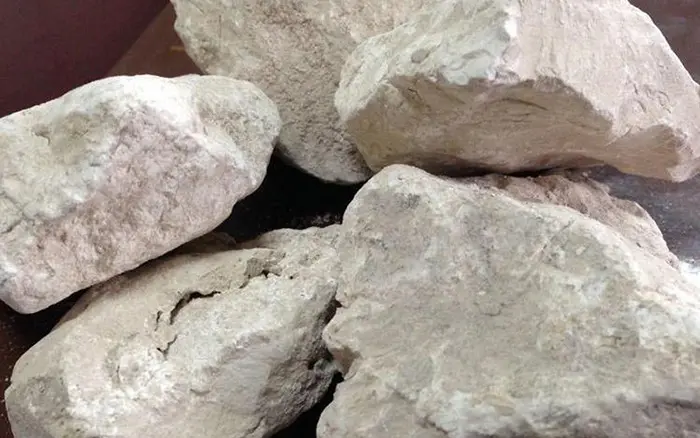
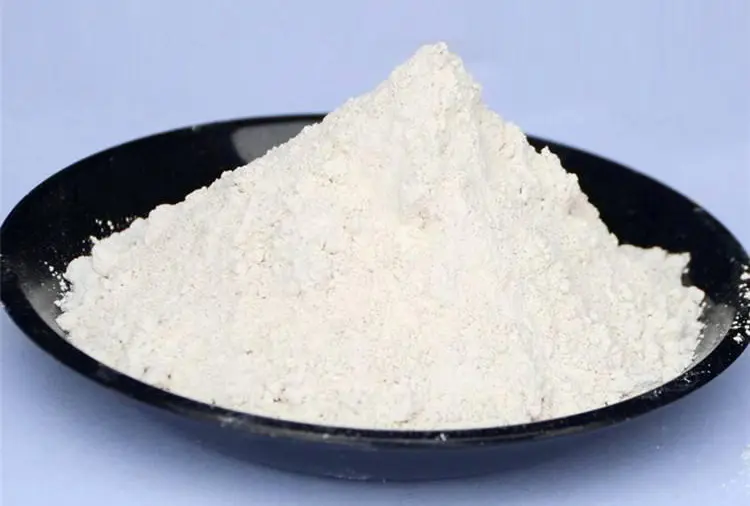
Limestone powder is a fine mineral powder produced by crushing and grinding natural limestone. Its main component is calcium carbonate (CaCO₃), typically accounting for more than 90% of the material.
Compared with crushed limestone aggregates, limestone powder has a much finer particle size and is suitable for applications that require high surface area, improved chemical reactivity, or better material dispersion.
Depending on the production process, limestone powder can range from coarse powder for construction materials to ultrafine powder used in plastics, paints, paper, and specialty chemicals.
Limestone Powder Production Process
A typical limestone powder production line consists of several key stages.
Step 1: Raw Material Preparation
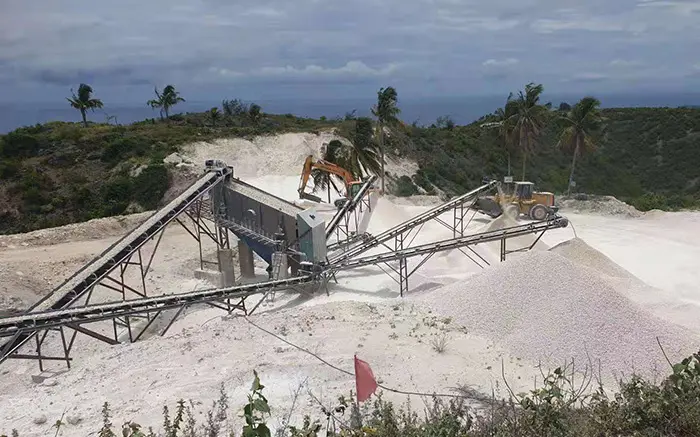
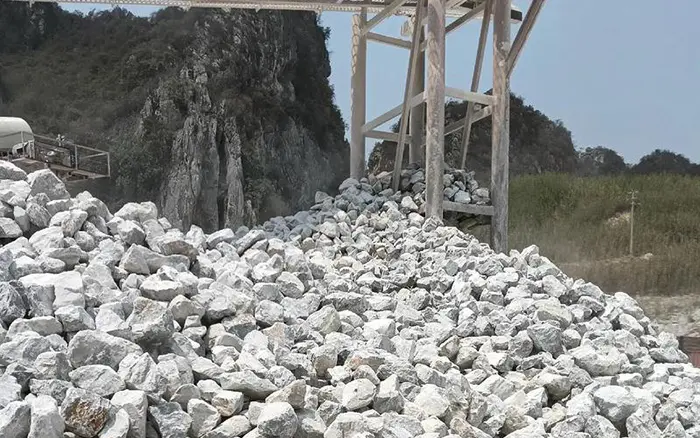
High-quality limestone is extracted from the quarry through drilling and blasting. Large rocks are transported to the crushing plant for size reduction.
Before processing, the raw material should be inspected for:
Calcium carbonate content
Moisture level
Hardness
Clay or impurity content
Selecting high-purity limestone helps improve product quality and grinding efficiency.
Step 2: Primary Crushing
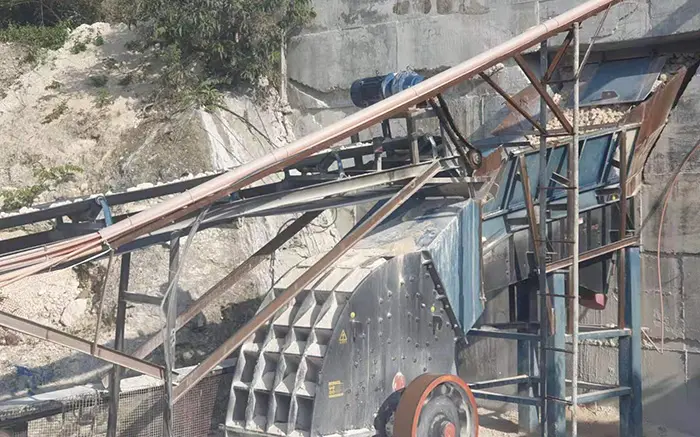
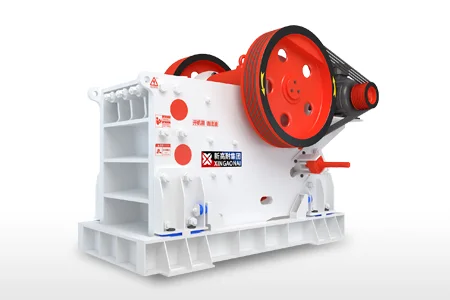
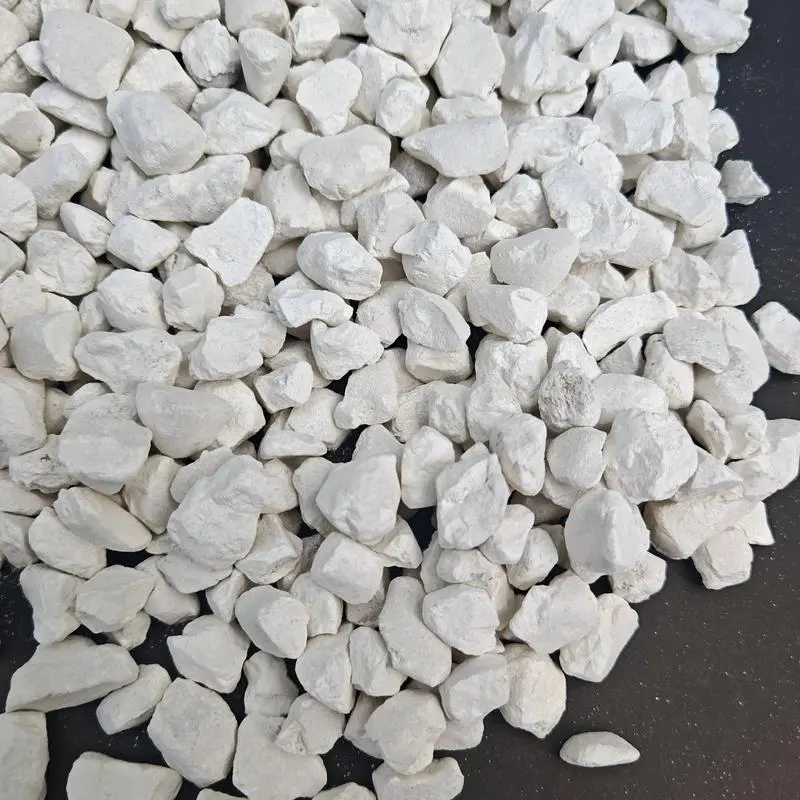
Large limestone blocks are first reduced using a jaw crusher.
Recommended equipment:
Typical output size:
50–150 mm
Primary crushing ensures the material is suitable for the grinding stage.
Step 3: Secondary Crushing (Optional)
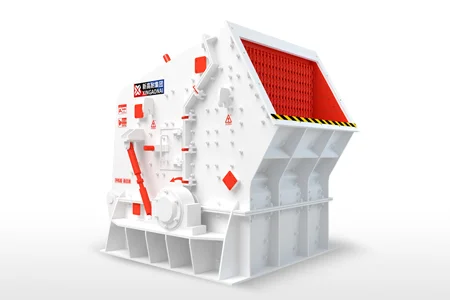
If the feed size remains too large for the grinding mill, secondary crushing may be required.
Recommended equipment:
The material is typically reduced to 20–30 mm, improving grinding efficiency and reducing mill wear.
Step 4: Grinding
Grinding is the most important stage in limestone powder production.
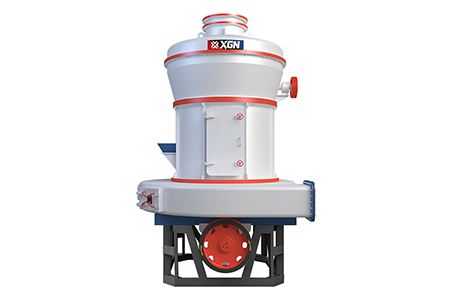
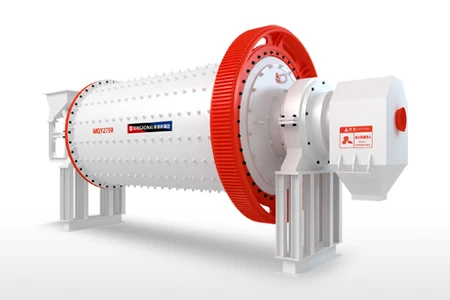
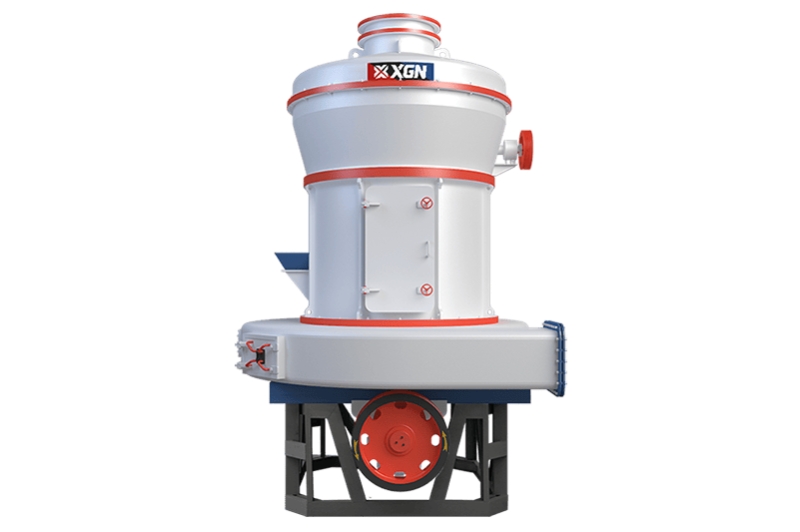
The crushed limestone enters the grinding mill, where rollers or grinding media reduce it into fine powder.
Common grinding equipment includes:
| Grinding Mill | Typical Fineness | Suitable Applications |
|---|---|---|
| Raymond Mill | 80–325 mesh | Construction, agriculture |
| Vertical Roller Mill (VRM) | 80–600 mesh | Cement, desulfurization |
| Ball Mill with Classifier | 200–1250 mesh | Fine mineral processing |
| Ultrafine Grinding Mill | 600–3000 mesh | Paper, plastics, coatings |
The choice of grinding mill depends on the required particle size, production capacity, and energy consumption.
Powder Classification
After grinding, limestone powder passes through a classifier.
The classifier separates particles according to size:
Qualified powder proceeds to storage.
Oversized particles return to the grinding mill for further processing.
This closed-circuit grinding system ensures stable product quality and reduces energy consumption.
Dust Collection and Environmental Protection
Grinding generates a significant amount of fine dust. Modern limestone powder plants therefore incorporate dust collection systems to improve environmental performance and workplace safety.
Typical equipment includes:
Cyclone separators
Enclosed conveyors
Negative-pressure conveying systems
These systems minimize dust emissions while recovering valuable fine powder.
Storage and Packaging
Finished limestone powder is stored in sealed silos to prevent moisture absorption and contamination.
Depending on customer requirements, the powder may be:
Packed into 25 kg or 50 kg bags
Loaded into jumbo bags
Transported in bulk powder tankers
Proper storage helps maintain consistent product quality during transportation and long-term storage.
Choosing the Right Limestone Powder Fineness
Different industries require different powder fineness.
| Fineness | Typical Applications |
|---|---|
| 80–100 mesh | Building materials |
| 200 mesh | Cement, agriculture |
| 325 mesh | Desulfurization, fillers |
| 600 mesh | Paints, coatings |
| 800–1250 mesh | Plastics, rubber |
| 1250–3000 mesh | High-end chemical products |
Selecting the appropriate fineness improves product performance while avoiding unnecessary grinding costs.
Main Equipment for a Limestone Powder Production Plant
A complete limestone powder production line generally includes:
| Equipment | Function |
|---|---|
| Hopper | Raw material storage |
| Vibrating Feeder | Uniform feeding |
| Jaw Crusher | Primary crushing |
| Impact Crusher (Optional) | Secondary crushing |
| Grinding Mill | Powder production |
| Classifier | Particle size separation |
| Dust Collector | Dust removal |
| Bucket Elevator | Vertical material transport |
| Screw Conveyor | Powder conveying |
| Storage Silo | Finished product storage |
| Packing Machine | Automatic packaging |
| Electrical Control System | Plant automation |
Equipment selection should be based on production capacity, required fineness, and budget.
Industrial Applications of Limestone Powder
Limestone powder serves numerous industries.
Cement Manufacturing
Used as the primary raw material for cement clinker production and blended cement.
Construction Materials
Applied in concrete, mortar, gypsum products, and asphalt mixtures.
Flue Gas Desulfurization (FGD)
Finely ground limestone reacts with sulfur dioxide in power plants to reduce air pollution.
Agriculture
Agricultural limestone improves soil quality by neutralizing acidity and supplying calcium.
Chemical Industry
Used to manufacture calcium carbonate products, lime, and various chemical intermediates.
Paper, Plastics, and Paint
Ultrafine limestone powder functions as a high-quality filler, improving product strength, whiteness, and surface finish.
Tips for Improving Limestone Powder Production Efficiency
To maximize productivity and reduce operating costs:
Select high-quality limestone with consistent composition.
Match the grinding mill to the required fineness.
Maintain a stable feed rate using a vibrating feeder.
Operate a closed-circuit grinding system with an efficient classifier.
Regularly inspect grinding rollers, liners, and wear parts.
Optimize airflow and dust collection to improve grinding performance.
Use automated control systems to maintain stable production.
Building an Efficient Limestone Powder Production Line
Producing high-quality limestone powder requires more than choosing a grinding mill. A complete production system—from raw material preparation and crushing to grinding, classification, dust collection, and packaging—must work together efficiently.
By selecting the right equipment, optimizing process flow, and matching powder fineness to specific industrial applications, manufacturers can improve product quality, reduce energy consumption, and achieve long-term operational profitability.