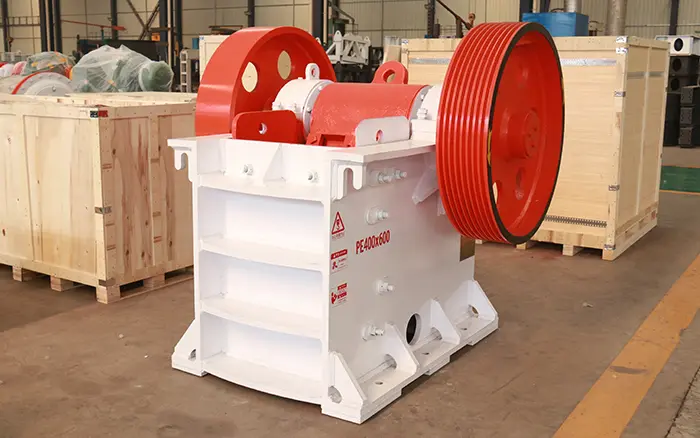
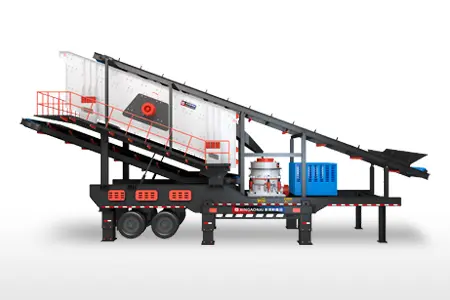
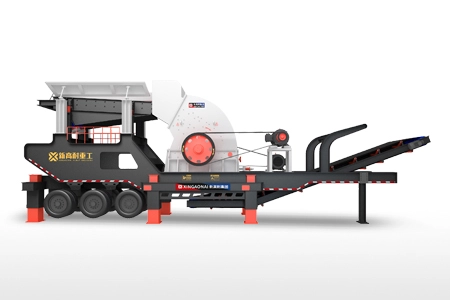
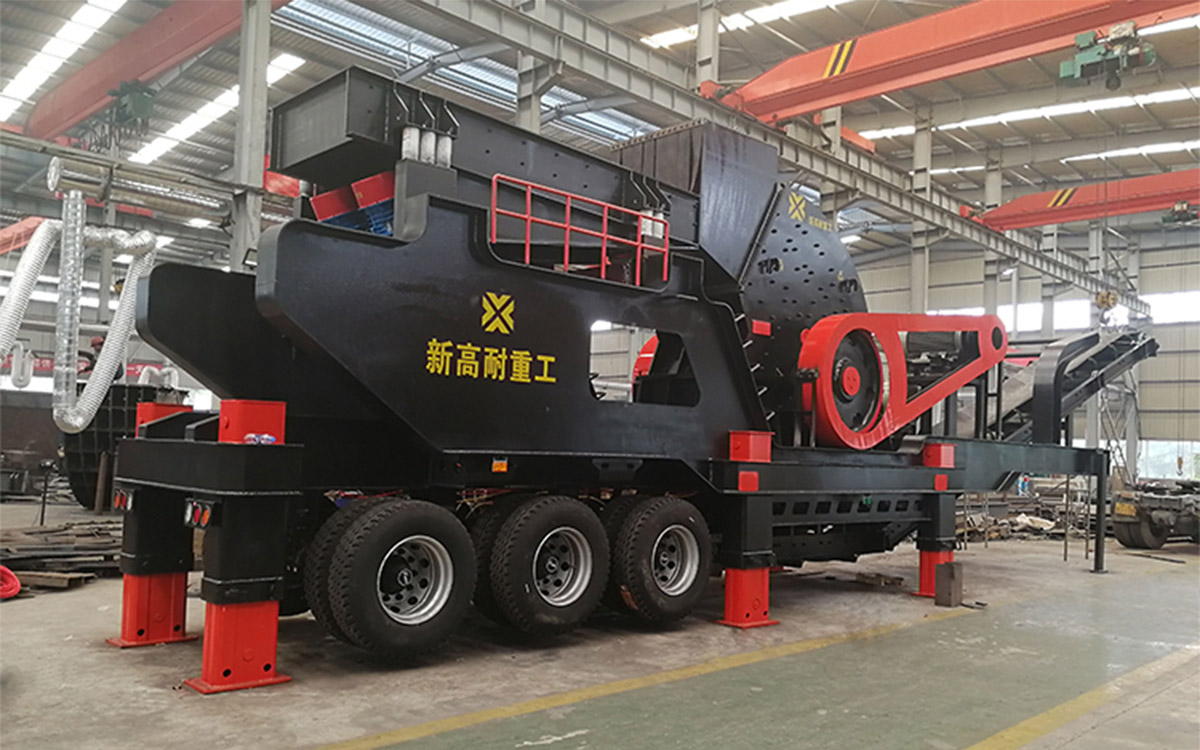
To check a mobile crusher discharge setting, first identify the crushing unit and the measurement procedure specified for that model. A mobile jaw crusher, cone crusher and impact crusher do not use the same gap reference or adjustment mechanism. A wheeled or tracked chassis does not change that distinction.
This guide explains what to verify before a setting check, how to interpret the result and what to record after an approved adjustment. It is a checklist for planning and reviewing the work, not a substitute for the machine's operating and maintenance manual.
1. Identify the Crushing Unit Before Measuring
Start with the model and serial number of the crusher installed on the mobile plant, rather than the plant's general product name.
Mobile jaw crusher: confirm the jaw-die profile, specified measuring points and whether the procedure establishes a closed side or open side setting.
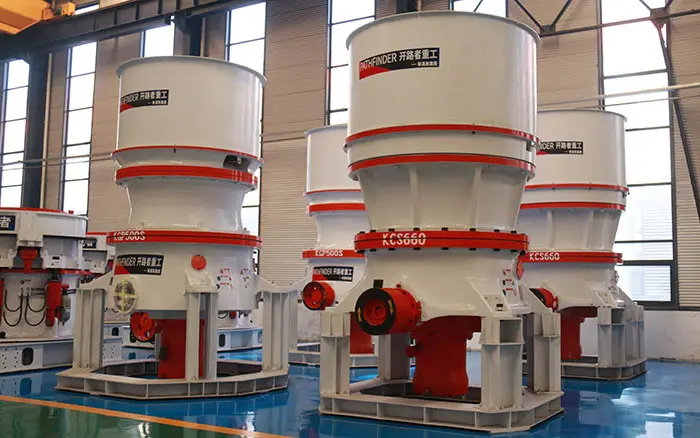
Mobile cone crusher: confirm the mantle and concave profile, measuring reference and approved setting verification or calibration method. Adjustment arrangements differ between cone designs.
Mobile impact crusher: use the manufacturer's procedure for the rotor-to-apron or other specified clearances. Do not apply a cone crusher setting procedure to an impact crusher.
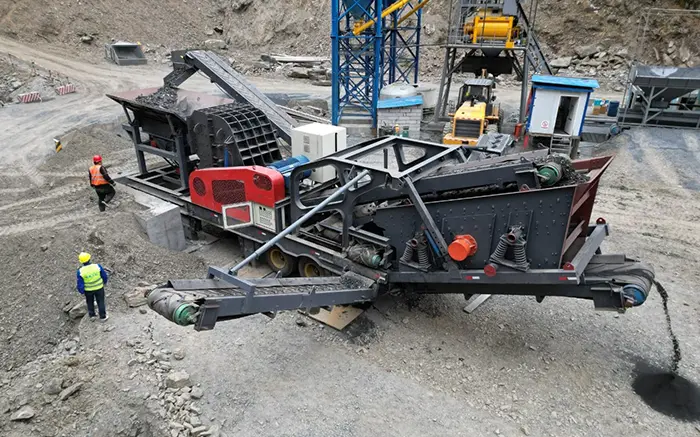
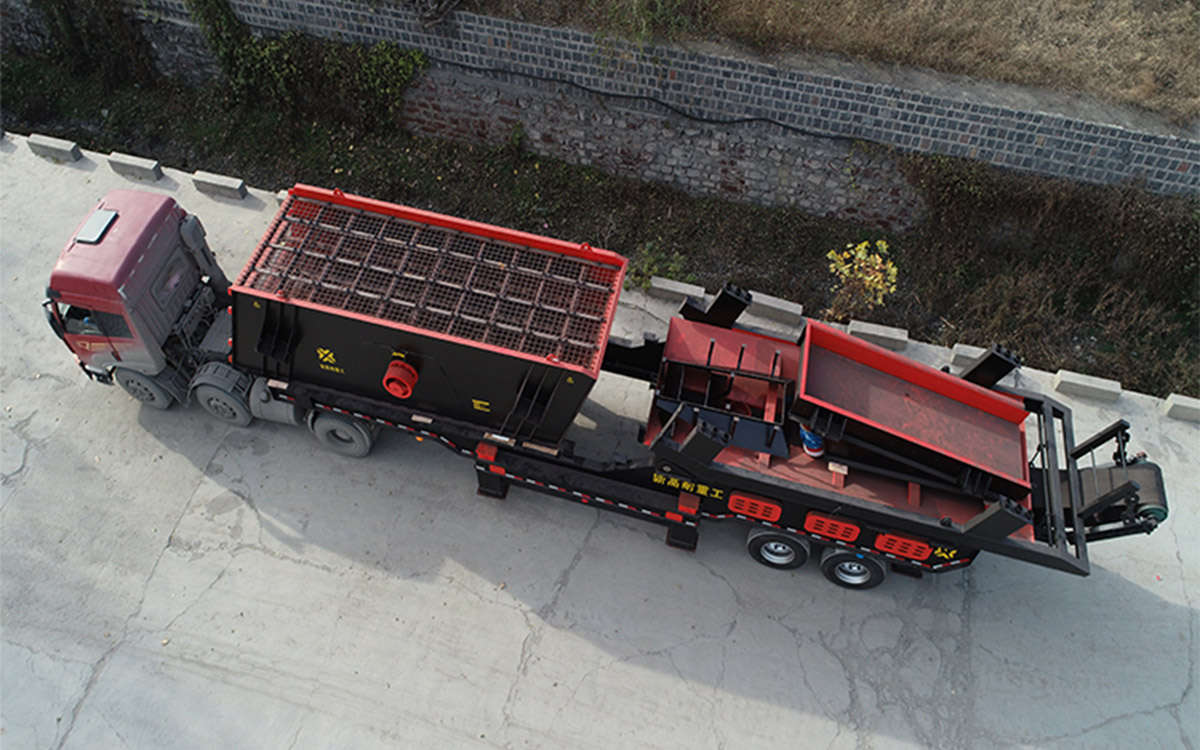
For plant configurations, see our mobile crushing equipment. Select the measurement method from the installed crusher's documentation.
2. Separate CSS, OSS and Finished Product Size
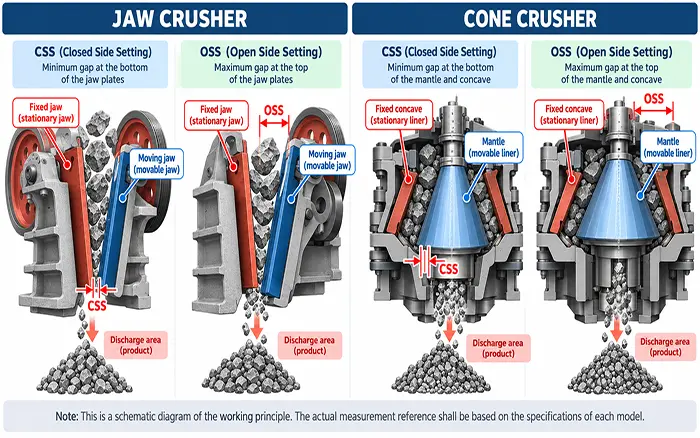
In jaw and cone crushers, closed side setting (CSS) is the minimum opening at the specified discharge reference during the crushing cycle. Open side setting (OSS) is the maximum opening at the relevant reference. A stationary machine is not necessarily positioned at its closed side setting.
The reading must therefore be interpreted using the model-specific reference, machine position and any conversion required by the manufacturer. A visible gap, a control-screen value and a physical CSS measurement should not automatically be treated as equivalent. See our CSS and OSS explanation for the underlying concepts.
A discharge setting affects product grading, capacity and load, but it is not a guaranteed maximum particle size. For example, a 20 mm CSS does not mean every discharged particle is below 20 mm. Final aggregate grading also depends on the material, chamber condition, screening and oversize return circuit.
3. Prepare a Model-Specific Setting Check
Before any physical inspection or measurement, qualified personnel must follow the site's isolation and lockout/tagout procedure, verify the required safe state, and control stored hydraulic, mechanical and other energy. Removing electrical power alone may not control every hazard. Never insert a hand or measuring tool into an operating crusher.
Confirm the following before work begins:
The current manual and any service instructions apply to the installed crusher and liner configuration.
The permitted setting range and measurement reference are known.
The approved tools, access arrangements and personnel are available.
Chamber clearing, guarding and access requirements can be met using the prescribed procedure.
The existing setting, liner condition and reason for the check have been recorded.
If controlled movement or a calibration sequence is required, it must be carried out only under the manufacturer's designated procedure and site controls. Do not improvise a rotation, lifting or chamber-entry sequence.
4. Why a Generic Rotation Method Is Not Reliable
Turning an adjustment component and measuring an opening are different tasks. Some cone designs change the setting through a threaded bowl arrangement; others use a different mechanism. Raising or turning an adjustment component can change the setting being checked.
There is no universal instruction to lift an adjustment ring and measure four equally spaced points on every mobile crusher. The required locations, machine position and interpretation depend on the design. Unequal readings can indicate worn surfaces, incorrect reference points or a mechanical condition requiring investigation; they should not simply be averaged without the manufacturer's guidance.
If an adjustment mechanism is difficult to move, stop and investigate using the service procedure. Do not force it or feed ore as a lubricant or unapproved clearing method. Use only the specified lubricant at the designated lubrication points.
5. Record the Result Before Changing the Setting
Use a consistent inspection record so that a later reading can be compared with the same reference and conditions.
Machine: mobile plant identification, installed crusher model and serial number.
Wear parts: jaw-die or chamber profile, wear condition and relevant replacement history.
Method: manual reference, approved tool, measurement points and machine position.
Readings: measured opening, units, whether it represents CSS or OSS, and any documented conversion.
Setting: displayed value where applicable, physical verification result and permitted range.
Review: date, personnel, abnormal findings and follow-up action.
If the physical result and displayed setting disagree, check the measurement reference, wear compensation and calibration requirements before selecting a new setting. Do not assume the control value alone proves that the opening is correct.
6. Verify Performance After an Approved Adjustment
Qualified personnel should make adjustments only within the approved range and under the model-specific procedure. Before restart, complete the required checks for tools, guards, access covers and locking devices. Follow the prescribed restart and commissioning sequence.
A no-load run can help identify certain mechanical abnormalities, but it cannot confirm the finished product grading. During an authorized production check, review representative product sieve results together with feed conditions, throughput, operating load, alarms and screen performance. If the product remains too coarse, investigate the complete circuit rather than repeatedly reducing the crusher setting.
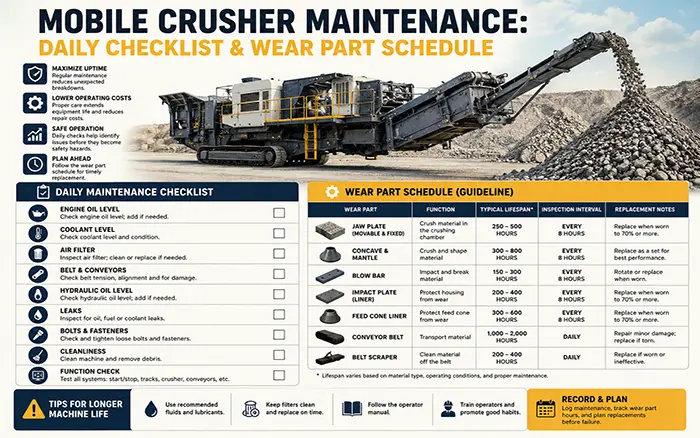
For related checks, refer to our mobile crusher maintenance guide. Detailed adjustment instructions must come from the manual for the actual machine.
7. Information to Provide for Technical Support
For help reviewing a mobile crusher setting, provide the crusher model, installed liner profile, current setting, measurement record, feed material and size distribution, required product grading and recent operating observations. These details help distinguish a setting issue from wear, feed or screening problems.
The objective is a verified setting appropriate to the actual machine and circuit. A tighter opening does not automatically deliver higher output, lower energy use or longer wear-part life.
Technical References
Metso's cone crusher chamber selection guidance discusses CSS alongside grading and operating conditions. Its cone crusher performance guidance explains why settings and operating targets differ between designs. These are general references; the installed machine's manual governs inspection and adjustment.