When comparing China mobile crusher suppliers, ask for a documented equipment proposal and verifiable manufacturing evidence before comparing prices. A useful offer should explain what will be supplied, why the configuration suits your material, how performance will be checked and who will support the plant after delivery.
This guide provides a supplier evaluation and quotation checklist for overseas buyers. It focuses on the purchasing process; detailed equipment selection belongs in the relevant product and application guides.
1. Start with a Consistent Project Brief
Send the same project information to each supplier so that their proposals can be compared on a common basis:
Material: rock or ore type, or the composition of recycling feed; available abrasiveness or crushability data; moisture, clay and contaminants.
Feed: maximum lump size, representative size distribution, bulk density and feeding method.
Production: required fresh-feed rate, operating hours, target product fractions and grading limits.
Site: layout, ground conditions, access, power supply, water availability and ambient conditions.
Mobility: relocation frequency, working area and transport constraints.
Supply scope: required crushing stages, screens, conveyors, separation equipment, spare parts and technical support.
State whether the production target refers to crusher feed or saleable finished product. A plant with oversize return may process more material through its crusher than it produces as acceptable final aggregate.
2. Compare Suppliers Using Evidence
| What to evaluate | Evidence to request | What to clarify |
|---|---|---|
| Supplier identity and role | Company details, factory location and named project contacts | Who manufactures, integrates, exports and supports the plant? |
| Application engineering | Equipment list, flowsheet and basis of the capacity estimate | Do the material, grading and operating assumptions match your brief? |
| Manufacturing capability | Relevant workshop inspection, component records and assembly evidence | Which operations are performed in-house and which are subcontracted? |
| Configuration control | Model designations, component list and approved drawings | How will substitutions or design changes be reviewed? |
| Quality checks | Inspection plan, test procedures and equipment identification | Which checks will be witnessed and what are the acceptance criteria? |
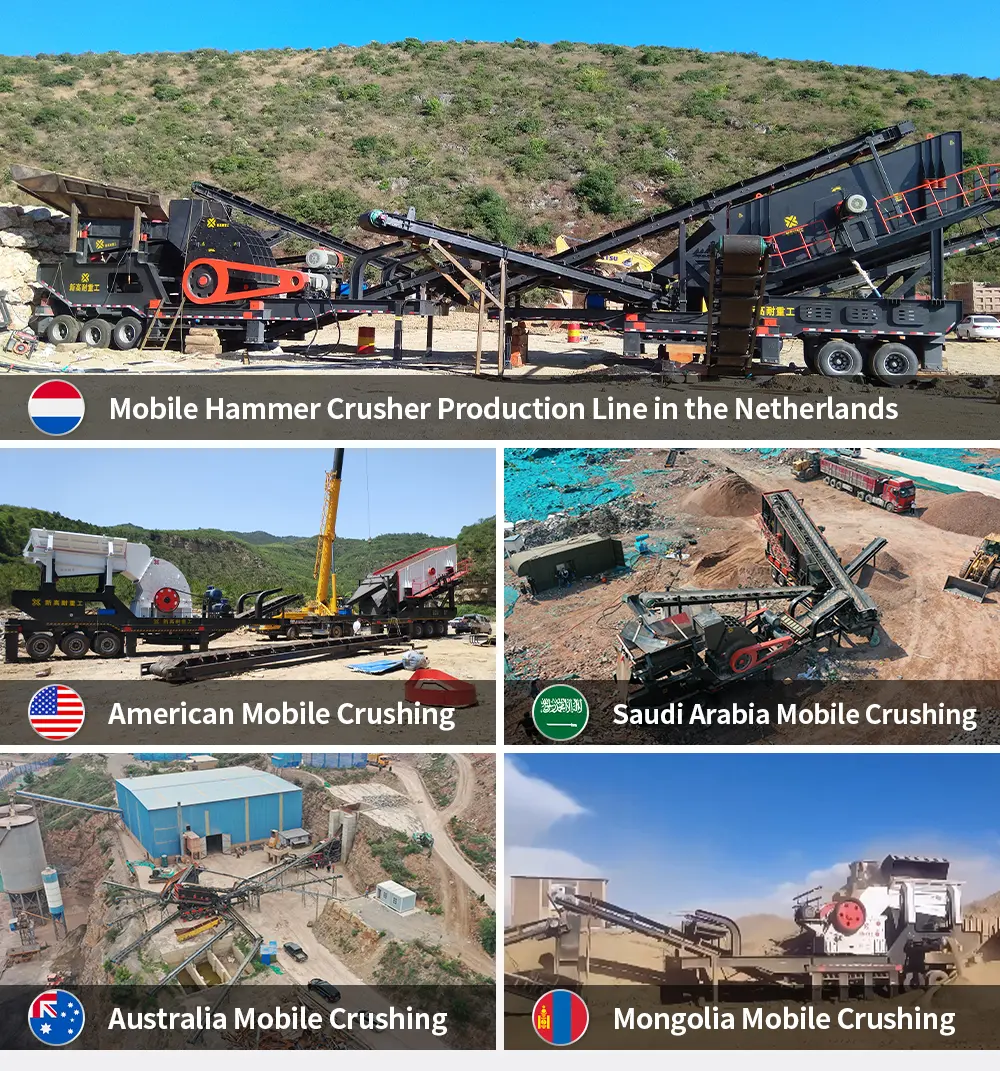
| Project experience | Comparable installations with material, configuration and duty information | Are the examples relevant to this application? |
| Delivery preparation | Packing list, transport dimensions and shipment preparation plan | What must be removed, reassembled or checked at the destination? |
| After-sales support | Written warranty, commissioning scope and spare-parts proposal | Who provides each service, on what terms and within what agreed times? |
A manufacturer, integrator and trading company can have different responsibilities. Establish the role of each party instead of assuming that one business label proves quality. Factory size and a long product list are not substitutes for evidence that the proposed equipment can be delivered and supported.
3. Check Certificates and Manufacturing Records in Context
If a supplier provides management-system certificates, verify the issuing body, named organization, covered activities and current status. ISO 9001 concerns a quality management system; it is not a product-specific certificate or a guarantee that a crusher will meet your required throughput. Product documentation and application performance need separate verification.
ISO makes this distinction in its conformity assessment guidance. A certificate image in a brochure should not replace review of the actual certificate and its scope.
For manufacturing checks, request records relevant to the supplied machine. Depending on the design, these may include critical material identification, dimensional checks, welding inspection, assembly checks and component traceability. Agree which records form part of the delivery package rather than assuming every possible test is included.
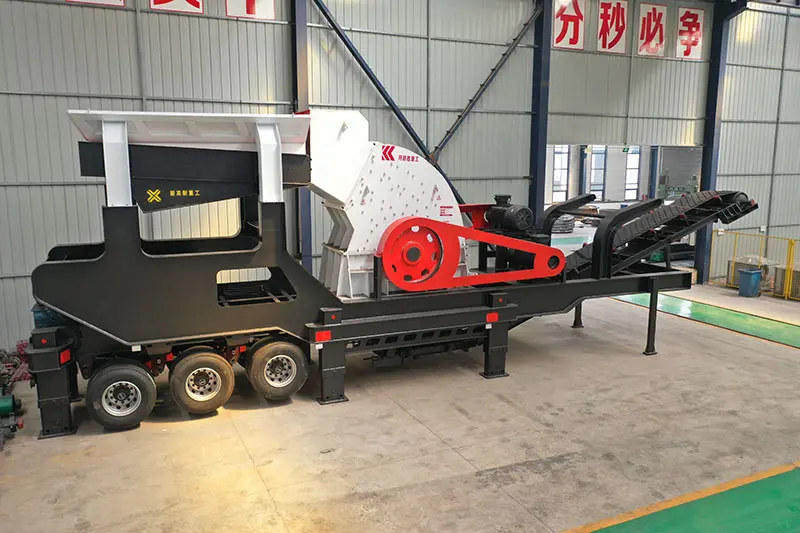
A factory visit or live video inspection is most useful when it follows the proposed production route and identifies the actual assemblies. General workshop photographs alone do not establish that the quoted plant has passed inspection.
4. Verify the Proposed Mobile Crusher Package
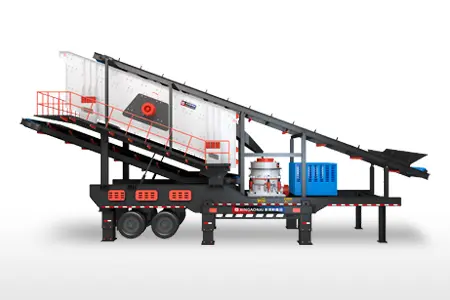
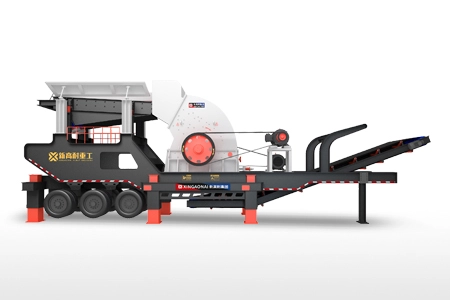
Confirm both the crushing unit and the chassis arrangement. A tracked jaw crusher, wheeled hammer plant and tracked cone plant are different packages. Do not assume that specifications, power arrangements or supplied screens are interchangeable.
The XINGAONAI mobile crusher catalogue provides starting points for an enquiry, including the XGN-T wheel type plant, tracked mobile jaw crusher and tracked mobile cone crusher. Use the proposed model's documents to confirm the supplied configuration.
Ask the supplier to identify the crusher, feeder, screen and conveyor models, the drive and control equipment, and any optional separation or dust-control equipment. Request the layout and the utility requirements for the complete plant. A component described as “optional” should be explicitly included or excluded in the quotation.
For a wheeled configuration, our wheeled mobile crusher selection guide covers material matching, transport and site preparation. Keep those engineering decisions distinct from the evaluation of the supplier.
5. Make Quotations Comparable
Ask for a dated quotation with a defined equipment list, technical assumptions, delivery location and clear inclusions and exclusions. Compare the following items before judging the headline price:
Crushing and screening equipment, feeder, conveyors and supporting structures.
Motor or other power package, electrical cabinets, cables and control interfaces.
Chassis equipment, transport preparation, packing and shipment responsibilities.
Initial wear parts, maintenance tools and recommended critical spares.
Installation supervision, commissioning, training and documentation.
Site works, lifting equipment, utilities and other buyer-supplied items.
Warranty scope, exclusions and the process for reporting a fault.
Confirm what production, installation and dispatch milestones the proposed schedule depends on. A factory dispatch date is not the same as arrival or readiness to operate at the site.
For energy-saving or wear-life claims, request the comparison conditions and supporting records. Material, feed grading, setting, operating load and the definition of acceptable output all affect the result. A percentage without a stated baseline is not a useful basis for comparing suppliers. See our mobile crusher cost guide for the broader budget factors.
6. Agree on Factory Testing and Site Acceptance
Define the inspection and test plan before manufacture is completed. It should identify the machine and configuration, the checks to be performed, the records to be supplied and the process for resolving deviations.
A no-load factory run is not proof of production capacity. It can demonstrate aspects of assembly, operation and controls, but it cannot establish product grading or throughput under your material conditions.
If a material trial or loaded performance test is included, agree on the feed properties, grading, settings, operating period, sampling method and measurements. Record throughput and product sieve results together with relevant operating conditions. Where factory testing cannot reproduce the site duty, document the limitation and the agreed site verification plan.
Site acceptance should also check the delivered configuration, guards and interfaces, operating documentation and completion of agreed commissioning tasks. Keep a record of outstanding items and the agreed corrective actions.
7. Confirm Service and Spare Parts Before Ordering
Request a written support plan for the destination. Confirm remote support contacts, the scope of any site visit, training arrangements and which costs are included. Overseas installation should not be assumed to be free or available on identical terms for every project.
For spares, identify the relevant part numbers, wear-part specifications, recommended initial stock and ordering information. Separate stocked items from made-to-order components, and distinguish dispatch time from transport and arrival time.
Ask who handles troubleshooting and warranty enquiries, what information is needed and how replacement parts are approved. Review the XINGAONAI service and technical support information, then confirm the project-specific scope in the proposal. Maintenance planning should follow the supplied manuals; our mobile crusher maintenance guide provides a general overview.
8. Move from a Supplier Shortlist to a Defined Proposal
A useful mobile crusher supplier can explain the proposed equipment, show relevant evidence, clarify supply responsibilities and agree how the result will be checked. These details provide a stronger basis for purchasing than unsupported rankings or promises about universal service life, savings and delivery times.
To discuss a project with XINGAONAI, review the available mobile crushing equipment and send your project brief. Request a configuration proposal, the basis of its capacity estimate, a clear quotation scope and the support arrangements for your destination.