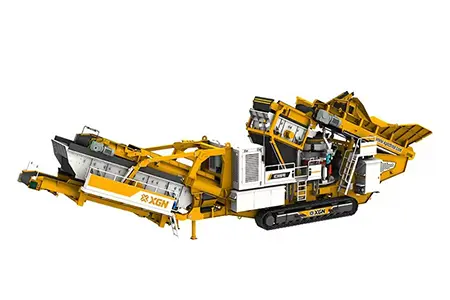
Mobile crushers have become essential equipment in mining, quarrying, construction, and recycling industries. Their ability to move directly to the worksite reduces transportation costs and improves operational efficiency. However, one of the most common questions buyers ask is:How much does a mobile crusher cost?
The answer depends on several factors, including crusher type, production capacity, mobility system, equipment configuration, and manufacturer. This guide explains the key price factors and helps you establish a realistic budget for a mobile crushing plant.
What Is a Mobile Crusher?
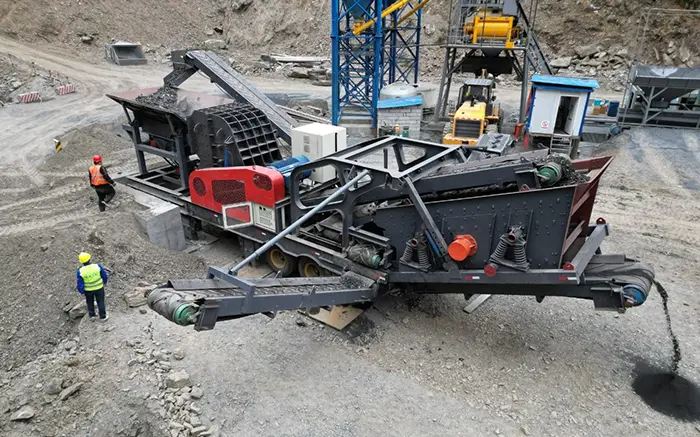
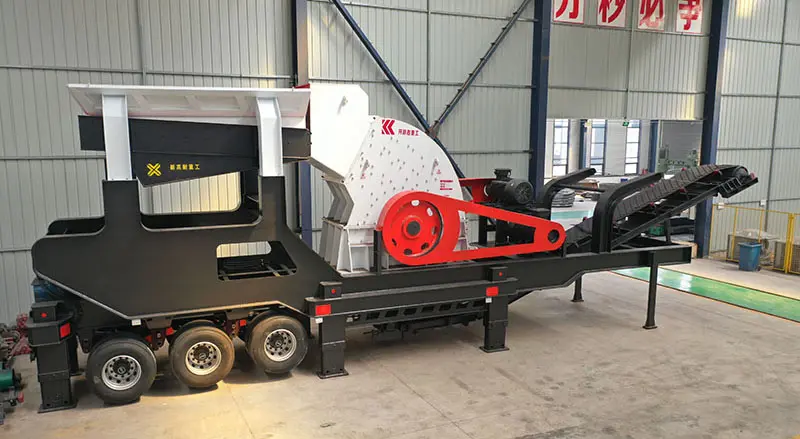
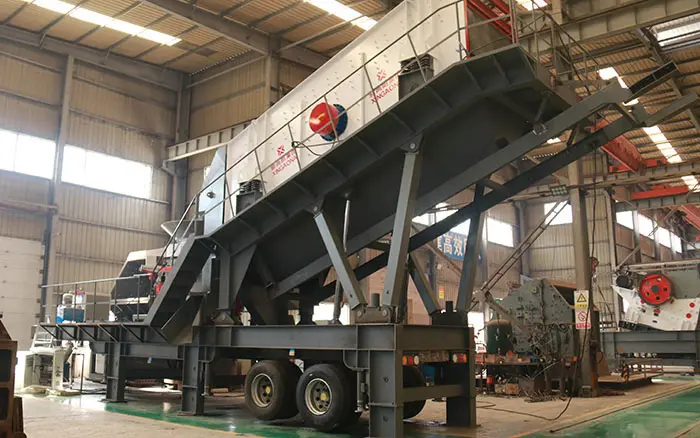
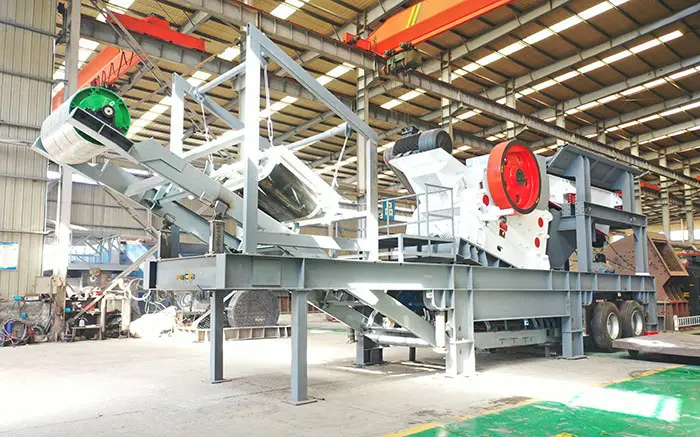
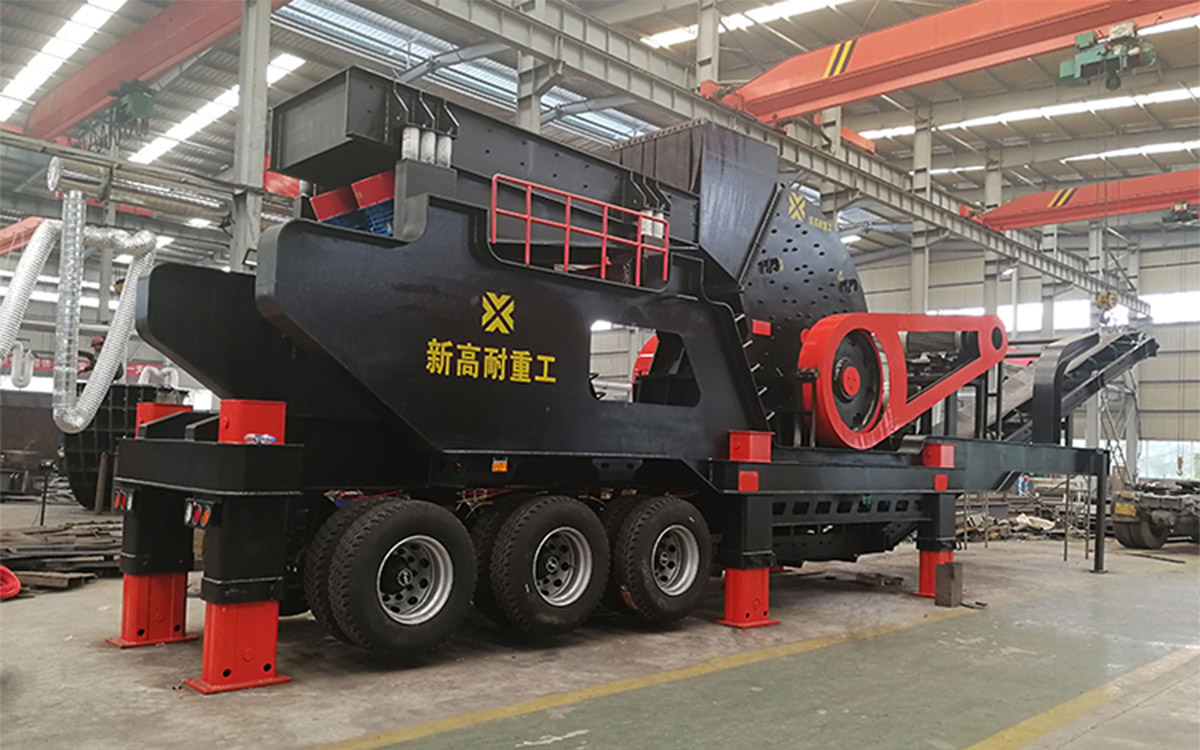
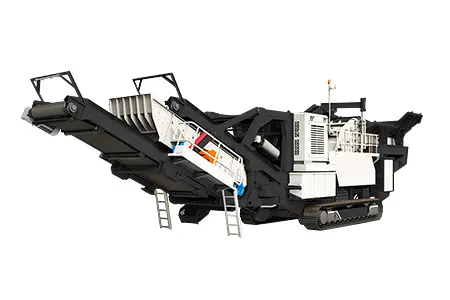
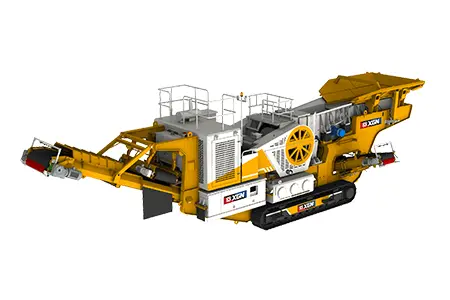
A mobile crusher is a crushing machine mounted on a wheeled or tracked chassis. It combines feeding, crushing, screening, and conveying systems into a single mobile unit.
Mobile crushers are commonly used for:
Quarry operations
Mining projects
Construction waste recycling
Road construction
Aggregate production
Compared with stationary crushing plants, mobile crushers offer greater flexibility and faster deployment.
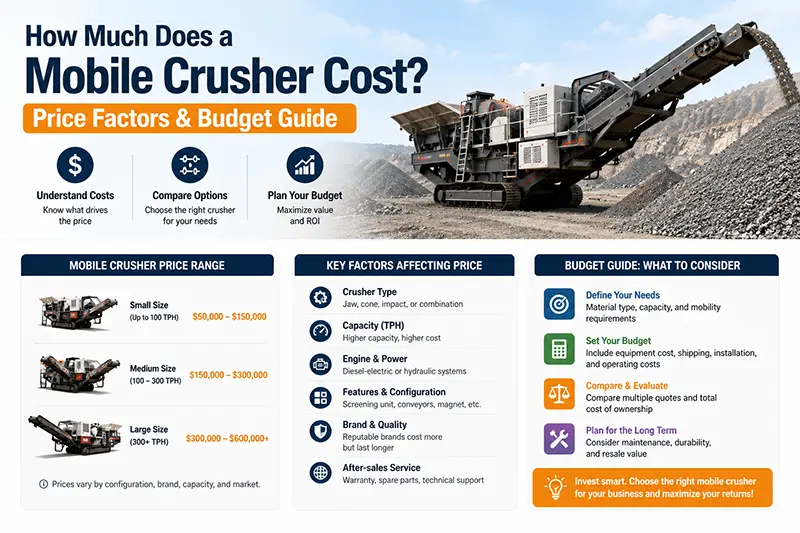
Average Mobile Crusher Price Range
The cost of a mobile crusher varies significantly depending on its size and configuration.
Small Mobile Crushers
Typical price range:
$30,000–$150,000
Suitable for:
Small construction projects
Demolition waste recycling
Small aggregate production
Medium Mobile Crushers
Typical price range:
$150,000–$300,000
Suitable for:
Medium-sized quarries
Aggregate plants
Infrastructure projects
Large Mobile Crushing Plants
Typical price range:
$300,000–$600,000+
Suitable for:
Large mining operations
High-capacity aggregate production
Multi-stage crushing systems
Actual prices vary based on equipment specifications and regional market conditions.
Key Factors Affecting Mobile Crusher Cost
Understanding the factors that influence pricing can help buyers make informed decisions.
Crusher Type
Different crusher types have different manufacturing costs.
Mobile Jaw Crusher
Usually the most economical option for primary crushing.
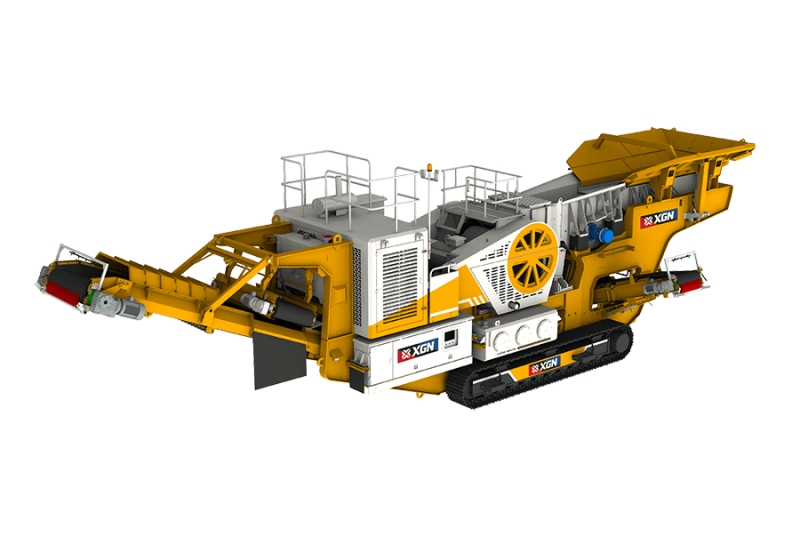
Mobile Cone Crusher
Typically more expensive due to its complex crushing mechanism and higher precision components.
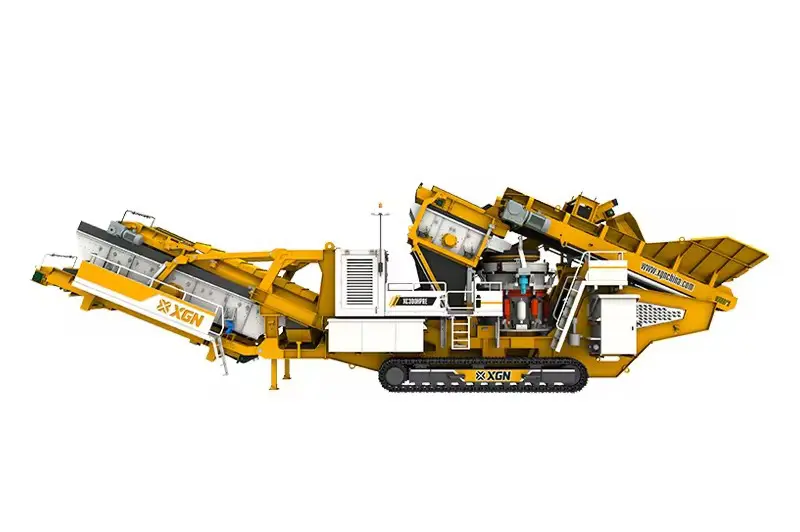
Mobile Impact Crusher
Pricing generally falls between jaw and cone crushers, depending on capacity and application.
Mobile VSI Crusher
Often used for sand production and may require additional investment for specialized components.
Production Capacity
Higher-capacity machines require:
Larger crushing chambers
More powerful motors
Stronger structural components
As production capacity increases, equipment cost rises accordingly.
For example:
| Capacity | Approximate Price Range |
|---|---|
| 50–100 TPH | Lower Cost |
| 100–300 TPH | Medium Cost |
| 300–600 TPH | Higher Cost |
| 600+ TPH | Premium Cost |
Tracked vs. Wheeled Mobile Crushers
The mobility system significantly affects the final price.
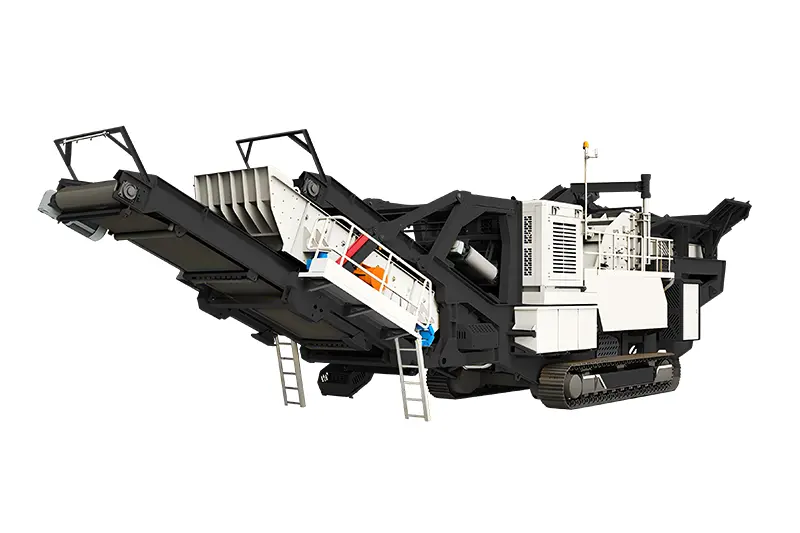
Tracked Mobile Crushers
Advantages:
Excellent mobility on rough terrain
Suitable for mining and quarry applications
Disadvantages:
Higher purchase cost
Higher maintenance expenses
Wheeled Mobile Crushers
Advantages:
Lower investment cost
Easier highway transportation
Disadvantages:
Less suitable for difficult terrain
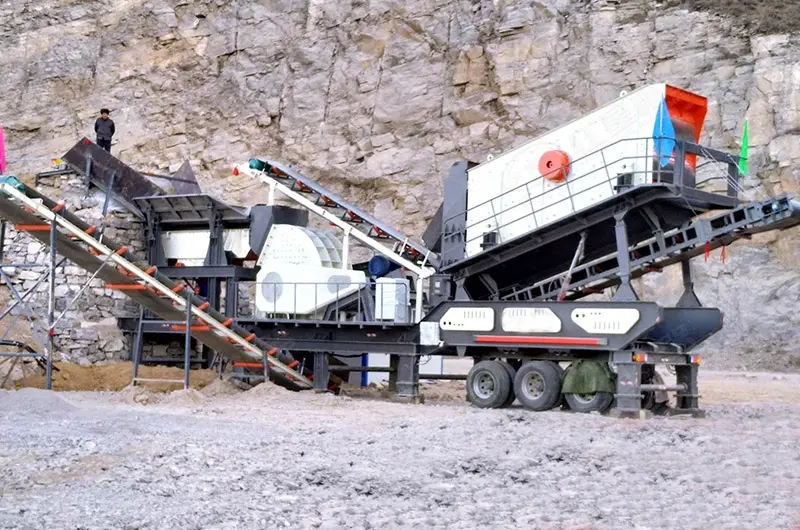
Tracked models generally cost more than wheeled alternatives.
Equipment Configuration
The more integrated functions a mobile crusher includes, the higher the overall investment.
Additional components may include:
Vibrating feeder
Vibrating screen
Belt conveyors
Dust suppression system
Generator set
Remote control system
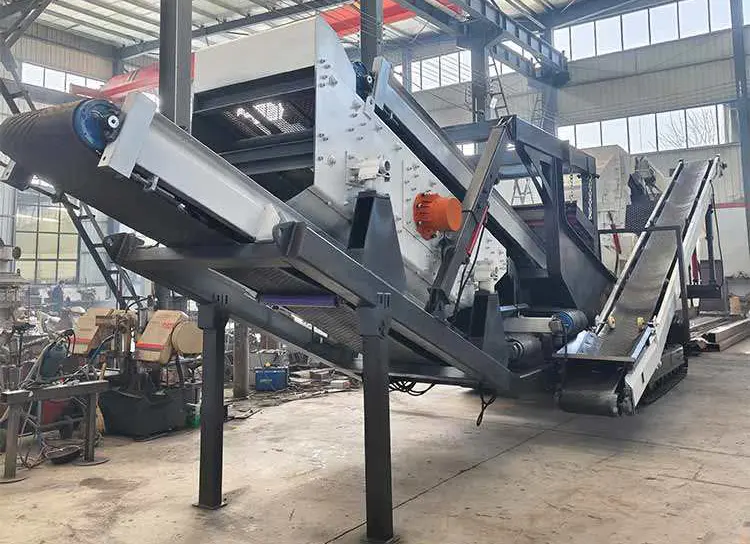
A fully integrated mobile crushing plant will cost significantly more than a basic crusher unit.
Mobile Crusher Manufacturer
Equipment from well-known manufacturers often commands higher prices because of:
Better engineering quality
Stronger after-sales support
Easier access to spare parts
Longer service life
While lower-priced equipment may reduce upfront investment, buyers should also evaluate long-term operating costs.
New vs. Used Mobile Crushers
Buyers often compare new and used equipment before making a purchasing decision.
New Mobile Crushers
Advantages:
Latest technology
Full warranty coverage
Higher efficiency
Lower maintenance requirements
Disadvantages:
Higher initial investment
Used Mobile Crushers
Advantages:
Lower purchase cost
Faster return on investment
Disadvantages:
Unknown maintenance history
Potential wear and repair costs
Reduced operational reliability
Careful inspection is essential when purchasing used equipment.
Operating Costs Beyond the Purchase Price
The initial purchase price represents only part of the total investment.
Fuel or Electricity Consumption
Energy costs can significantly impact operating expenses over the machine's lifespan.
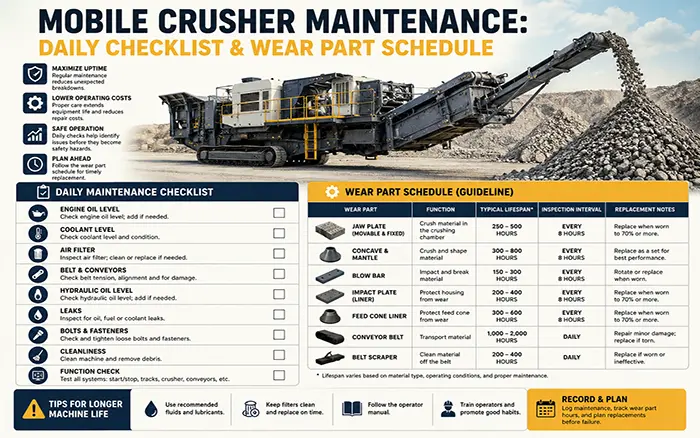
Wear Parts
Common wear components include:
Blow bars
Screens
Regular replacement costs should be included in budget planning.
Maintenance Costs
Routine maintenance helps maximize equipment availability and reduce unexpected breakdowns.
Transportation Costs
Although mobile crushers reduce material transportation costs, moving equipment between sites may still involve logistics expenses.
How to Choose a Mobile Crusher Within Your Budget
Selecting the right machine requires balancing price and performance.
Define Your Capacity Requirements
Avoid overspending on equipment with unnecessary capacity.
Evaluate Material Characteristics
Material hardness and abrasiveness influence crusher selection and operating costs.
Consider Future Expansion
Purchasing equipment with moderate growth potential may reduce future upgrade expenses.
Compare Total Cost of Ownership
Focus not only on purchase price but also on:
Energy consumption
Maintenance costs
Spare parts availability
Expected service life
The lowest purchase price does not always result in the lowest long-term cost.
Is a Mobile Crusher Worth the Investment?
For many mining, quarrying, and recycling operations, mobile crushers offer significant economic advantages. Reduced transportation costs, flexible deployment, faster project startup, and improved operational efficiency often justify the initial investment.
The key is selecting a mobile crusher that matches your production requirements, material characteristics, and budget. By evaluating both acquisition costs and long-term operating expenses, buyers can achieve a higher return on investment and maximize equipment value.