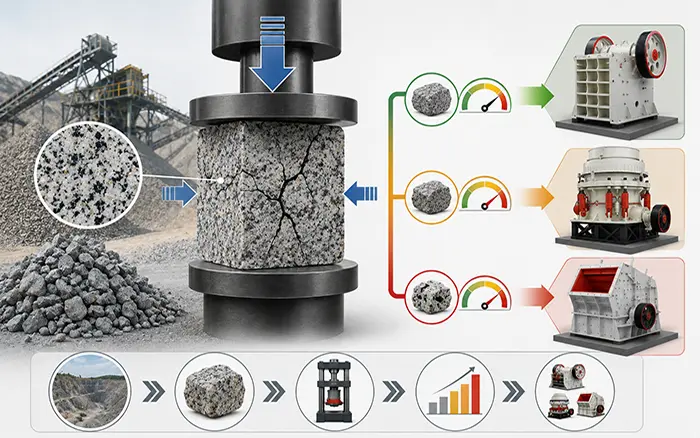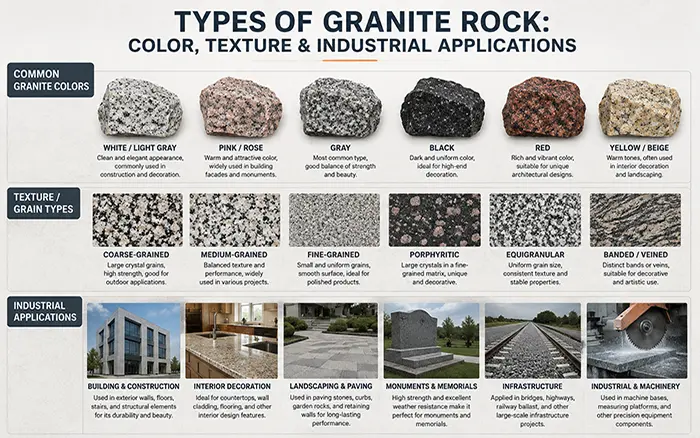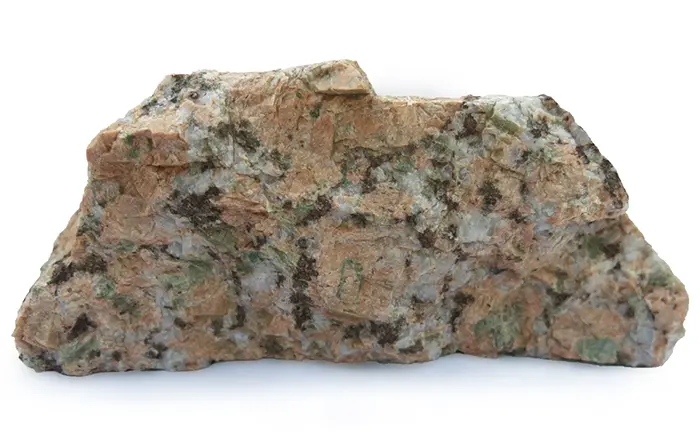
Granite is one of the hardest and most abrasive natural stones used in construction, road building, and aggregate production. With a Mohs hardness of approximately 6–7, granite places significant stress on crushing equipment and wear parts.
Choosing the best crusher for granite is essential for achieving high productivity, reducing operating costs, and extending equipment service life.
Because of its hardness and abrasiveness, granite often requires a multi-stage crushing process rather than a single crushing machine.
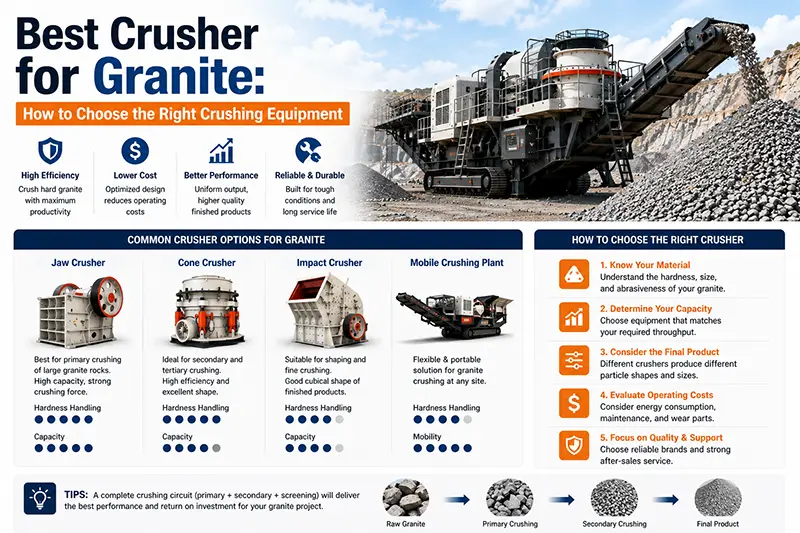
What Is the Best Crusher for Granite?
There is no single crusher that is ideal for every granite processing application. The best crusher depends on factors such as feed size, required output size, production capacity, and budget.
However, for most granite crushing projects, the following combination delivers the best results:
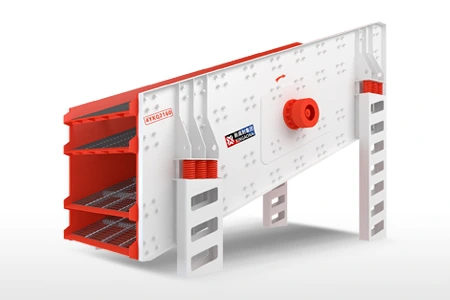
Jaw Crusher + Cone Crusher + Vibrating Screen
This configuration provides efficient primary crushing, secondary crushing, and final screening while minimizing wear and maximizing aggregate quality.
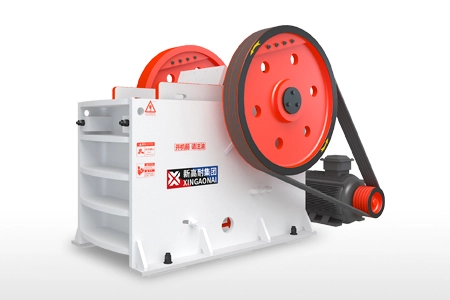
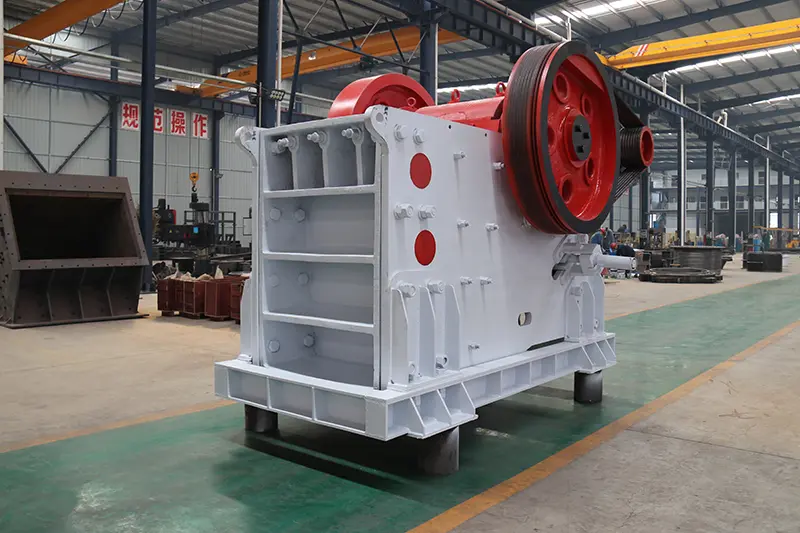
Jaw Crusher: The Best Primary Crusher for Granite
A jaw crusher is typically the first machine used in a granite crushing plant.
Advantages of Jaw Crushers for Granite
Handles large feed sizes
Strong crushing force
Suitable for hard and abrasive rock
Simple structure and easy maintenance
Lower initial investment
Typical Applications
Jaw crushers are commonly used to reduce granite boulders into medium-sized materials before secondary crushing.
Limitations
Although jaw crushers are highly effective for primary crushing, they usually produce coarser material and are not ideal for producing high-quality finished aggregates.
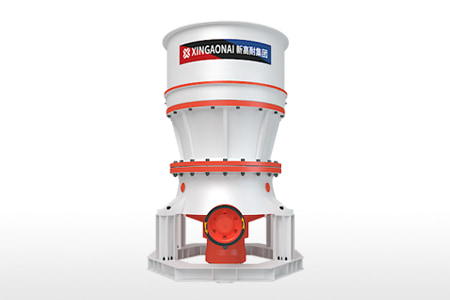
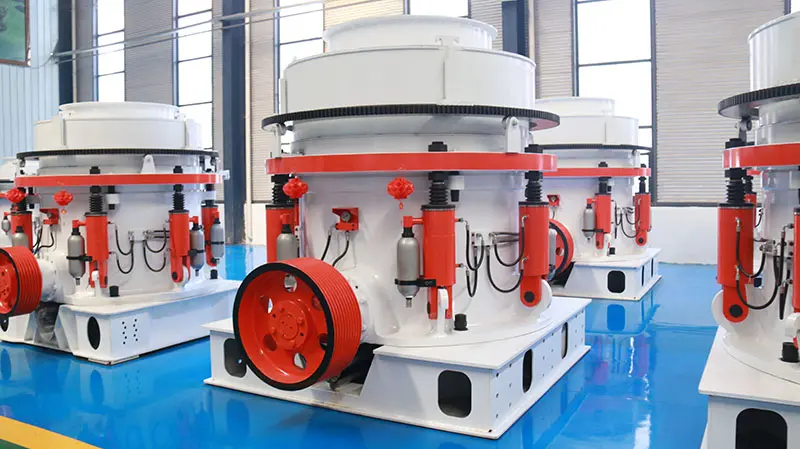
Cone Crusher: The Best Secondary Crusher for Granite
After primary crushing, granite is typically processed by a cone crusher.
Why Cone Crushers Work Well with Granite
Cone crushers use compression crushing, making them particularly suitable for hard rock applications.
Benefits include:
Excellent wear resistance
High crushing efficiency
Consistent product size
Lower operating costs for hard materials
High production capacity
Best Use Cases
Cone crushers are widely considered the best secondary crusher for granite aggregate production.
They can produce high-quality aggregates for:
Concrete production
Asphalt plants
Railway ballast
Road construction
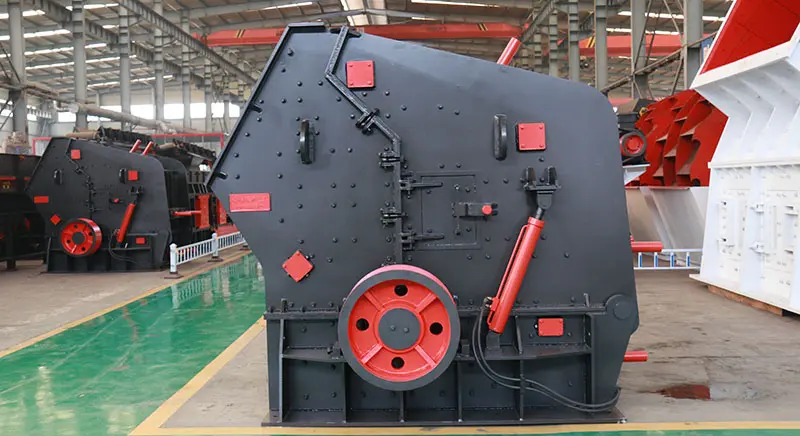
Can an Impact Crusher Crush Granite?
Impact crushers can process granite, but they are generally not the preferred option for large-scale granite crushing.
Advantages
Good particle shape
High reduction ratio
Suitable for smaller capacities
Disadvantages
Higher wear costs
Shorter blow bar life
Increased maintenance requirements
For highly abrasive granite, operating costs can become significantly higher than those of cone crushers.
Mobile Crusher vs Stationary Crusher for Granite
The choice between mobile and stationary equipment depends on project requirements.
Mobile Granite Crusher
Advantages:
Easy relocation
Fast installation
Lower infrastructure costs
Flexible operation
Suitable for:
Temporary projects
Contract crushing
Construction sites
Stationary Granite Crushing Plant
Advantages:
Higher production capacity
Lower long-term operating costs
Better scalability
Suitable for:
Large quarries
Mining operations
Permanent aggregate plants
Recommended Granite Crushing Plant Configurations
Small Granite Crushing Plant (50–150 TPH)
Configuration:
Vibrating Feeder
Jaw Crusher
Vibrating Screen
Suitable for local aggregate production and small construction projects.
Medium Granite Crushing Plant (150–350 TPH)
Configuration:
Vibrating Feeder
Jaw Crusher
Cone Crusher
Vibrating Screen
Provides a balance between production capacity and investment cost.
Large Granite Crushing Plant (350–1000 TPH)
Configuration:
Vibrating Feeder
Jaw Crusher
Multiple Cone Crushers
Vibrating Screens
Conveying System
Designed for large-scale aggregate production and mining operations.
Factors to Consider When Choosing a Granite Crusher
Granite Hardness
Harder granite requires more durable crushing equipment and wear-resistant components.
Production Capacity
The crusher should be sized according to the required hourly output.
Final Product Size
Different applications require different aggregate sizes.
Operating Costs
Consider:
Power consumption
Wear parts
Maintenance expenses
Labor costs
Budget
The lowest purchase price does not always provide the lowest total cost of ownership.
How to Reduce Wear When Crushing Granite
Because granite is highly abrasive, wear management is critical.
Best practices include:
Using high-quality wear parts
Maintaining proper feed distribution
Avoiding excessive fines in the feed
Performing regular maintenance inspections
Selecting the correct crusher chamber design
These measures help improve equipment lifespan and reduce operating costs.
Which Crusher Delivers the Best Results for Granite?
For most granite processing applications, a jaw crusher combined with a cone crusher provides the most efficient and cost-effective solution. Jaw crushers handle large granite rocks during the primary crushing stage, while cone crushers produce high-quality aggregates with lower wear costs.
The best crusher for granite ultimately depends on your production goals, material characteristics, budget, and desired final product. By selecting the right crushing equipment and plant configuration, operators can achieve higher productivity, better aggregate quality, and improved long-term profitability.