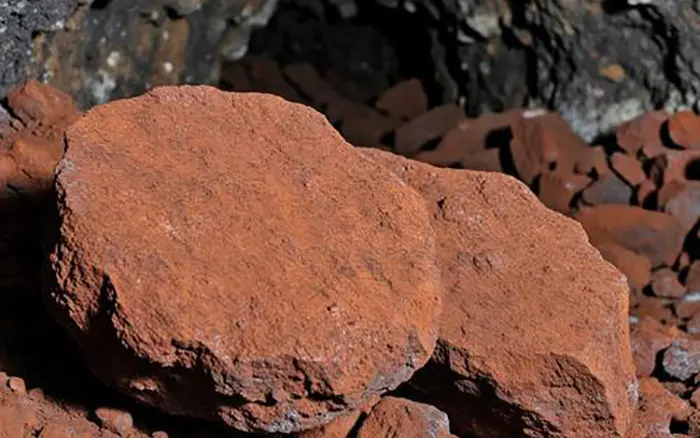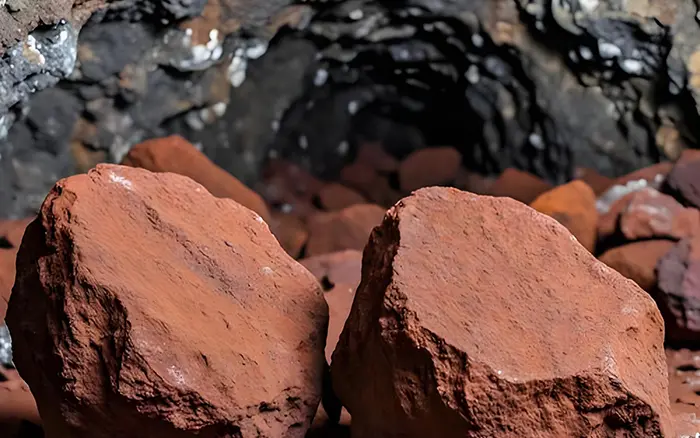
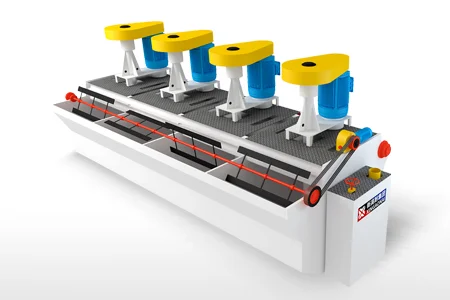
As high-grade iron ore resources continue to decline worldwide, mineral processing plants increasingly rely on advanced beneficiation technologies to improve ore quality. Among these methods, the hematite reverse flotation process has become one of the most effective techniques for removing silica impurities and producing high-grade iron concentrates.
Reverse flotation is widely used in hematite beneficiation plants because it can selectively separate gangue minerals such as quartz while retaining valuable iron minerals in the concentrate. This process plays a critical role in improving iron recovery and meeting the quality requirements of steel producers.
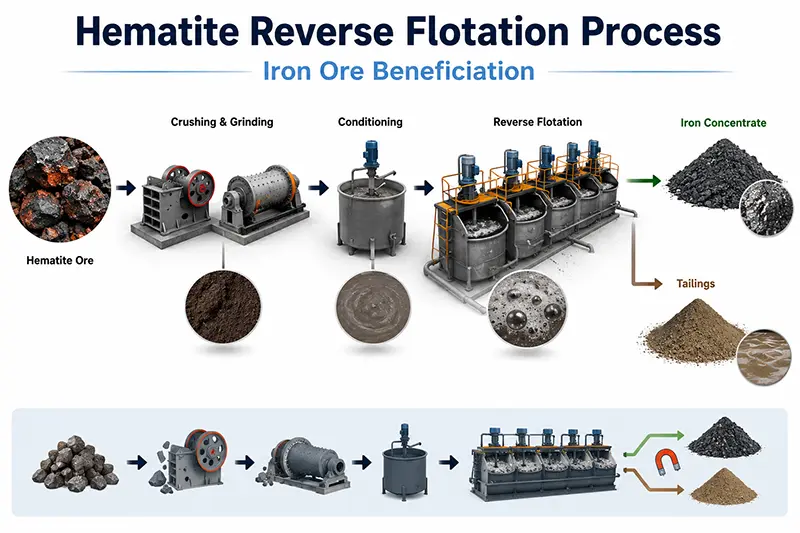
What Is the Hematite Reverse Flotation Process?
The hematite reverse flotation process is a beneficiation method in which gangue minerals are floated while hematite remains in the flotation cell and is recovered as the final concentrate.
Unlike direct flotation, where valuable minerals are floated, reverse flotation targets unwanted impurities such as:
Quartz
Silicates
Alumina-bearing minerals
Other gangue materials
The objective is to increase the iron grade while minimizing the loss of valuable hematite.
Why Use Reverse Flotation for Hematite?
Hematite ores often contain significant amounts of silica and other impurities that reduce the economic value of the ore.
The reverse flotation process offers several advantages:
Effective silica removal
Higher iron concentrate grade
Improved product quality
Better recovery of fine hematite particles
Suitable for low-grade hematite ores
As steel mills demand higher-grade feed materials, reverse flotation has become an essential step in many iron ore processing plants.
Working Principle of Hematite Reverse Flotation
The principle of reverse flotation is based on differences in the surface properties of hematite and gangue minerals.
The process generally follows these steps:
1. Ore Grinding
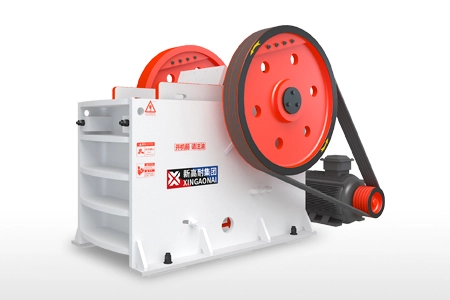
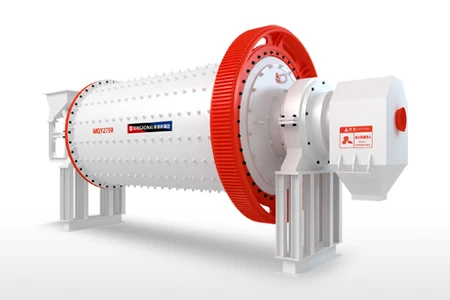
The hematite ore is crushed and ground to liberate iron minerals from quartz and other gangue materials.
Proper liberation is critical for flotation efficiency.
2. Pulp Preparation
The ground material is mixed with water to form a slurry suitable for flotation.
The pulp density is adjusted according to process requirements.
3. Reagent Addition
Specific flotation reagents are added to modify mineral surfaces.
These reagents help gangue minerals attach to air bubbles while suppressing hematite flotation.
4. Air Injection and Flotation
Air is introduced into the flotation cell.
Silica particles attach to air bubbles and rise to the froth layer, while hematite remains in the slurry.
5. Concentrate Recovery
The froth containing gangue minerals is removed, and the remaining slurry becomes a high-grade hematite concentrate.
Main Reagents Used in Hematite Reverse Flotation
The success of reverse flotation depends heavily on reagent selection.
Collectors
Collectors selectively float silica and gangue minerals.
Common collectors include:
Ether amines
Fatty amines
Alkyl amines
These reagents improve the hydrophobicity of quartz particles.
Depressants
Depressants prevent hematite from floating.
Common depressants include:
Starch
Modified starch
Dextrin
Starch is one of the most widely used depressants in hematite reverse flotation circuits.
pH Regulators
The flotation environment must be controlled carefully.
Common pH regulators include:
Sodium hydroxide
Lime
Most hematite reverse flotation processes operate under alkaline conditions.
Frothers
Frothers stabilize bubbles and improve flotation performance.
Examples include:
MIBC (Methyl Isobutyl Carbinol)
Pine oil
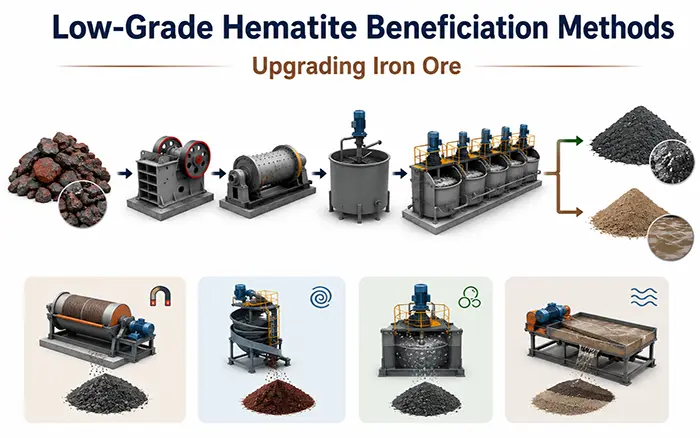
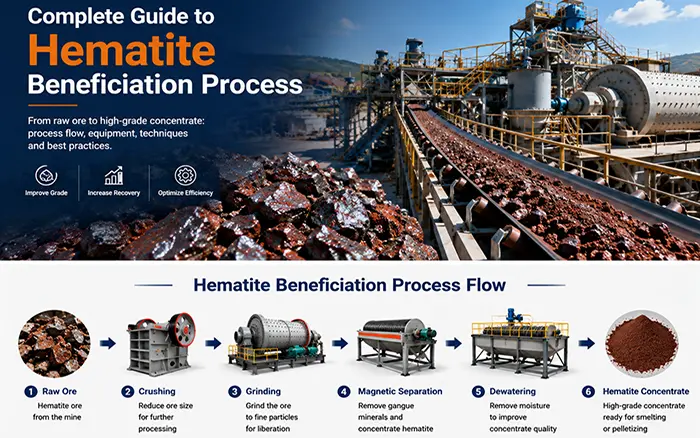
Typical Hematite Reverse Flotation Flow Sheet
A standard hematite reverse flotation plant may include:
Crushing
Grinding
Classification
Desliming
Reverse flotation
Concentrate thickening
Filtration
Dewatering
Depending on ore characteristics, magnetic separation may also be incorporated before flotation.
Factors Affecting Reverse Flotation Performance
Several variables influence the efficiency of the hematite reverse flotation process.
Ore Characteristics
Different hematite deposits contain varying amounts of:
Silica
Alumina
Clay minerals
Fine particles
These factors affect reagent consumption and flotation selectivity.
Grinding Fineness
Insufficient liberation reduces flotation efficiency, while overgrinding may create excessive slimes.
An optimal particle size distribution is essential.
Reagent Dosage
Both underdosing and overdosing can negatively impact flotation results.
Regular testing is necessary to determine the most effective reagent regime.
Pulp pH
The flotation response of quartz and hematite is highly sensitive to pH conditions.
Maintaining a stable pH improves process consistency.
Water Quality
Water chemistry can influence reagent performance and flotation selectivity.
Process water should be monitored regularly.
Advantages of the Hematite Reverse Flotation Process
Compared with other beneficiation methods, reverse flotation offers several benefits:
Higher Iron Concentrate Grade
The process effectively removes silica, resulting in higher-grade concentrates.
Improved Recovery of Fine Particles
Reverse flotation is particularly effective for recovering fine hematite particles that may be difficult to separate using gravity methods.
Suitable for Low-Grade Ores
Many low-grade hematite deposits can be economically upgraded through flotation.
Compatibility with Other Processes
Reverse flotation can be combined with:
Magnetic separation
Gravity separation
Thickening and filtration systems
This flexibility makes it suitable for a wide range of ore types.
Challenges in Hematite Reverse Flotation
Despite its advantages, reverse flotation also presents several challenges.
High Reagent Consumption
Flotation reagents represent a significant operating cost.
Complex Process Control
Maintaining stable flotation conditions requires careful monitoring and adjustment.
Slime Interference
Ultra-fine particles may reduce flotation selectivity and increase reagent consumption.
Water Management Requirements
Large flotation circuits often require efficient water recycling systems.
Proper plant design and process optimization can help overcome these challenges.
Industrial Applications of Hematite Reverse Flotation
The hematite reverse flotation process is widely used in:
Iron ore beneficiation plants
Pellet feed production
Fine iron ore recovery systems
Many large iron ore producers use reverse flotation to meet increasingly strict concentrate quality requirements.
Why Reverse Flotation Remains Essential for Hematite Beneficiation
As iron ore resources become more complex and lower in grade, the hematite reverse flotation process continues to play a vital role in modern mineral processing. By selectively removing silica and other gangue minerals, reverse flotation enables producers to achieve higher iron grades, better recovery rates, and improved economic performance.
When properly designed and optimized, a hematite reverse flotation circuit can significantly enhance beneficiation efficiency and support the production of premium-quality iron ore concentrates for the global steel industry.