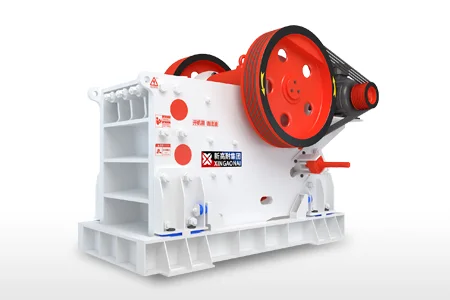
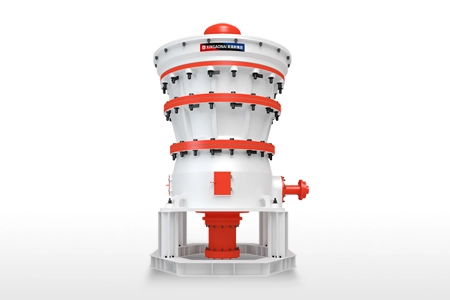
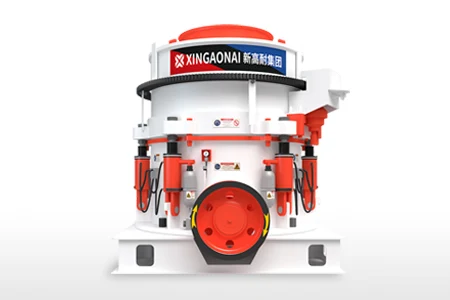
Selecting a crusher is not simply a matter of choosing the machine with the highest rated capacity. A crusher that performs well with soft limestone may suffer excessive wear when processing granite, while a machine designed for hard ore may be unnecessarily expensive for a low-abrasion aggregate operation.
The right choice depends on how the material behaves inside the crushing chamber and what the entire production line must achieve. Material hardness, abrasiveness and required capacity are the three main selection factors, but feed size, moisture content, product size, particle shape and operating cost must also be considered.
This guide explains how to select the right crusher for mining, quarrying, aggregate production and mineral processing applications.
Start with the Crushing Stage
Before comparing crusher models, determine where the machine will be used in the crushing process.
A typical crushing circuit may include:
Primary crushing to reduce run-of-mine material or large quarry rock
Secondary crushing to reduce the discharge from the primary crusher
Tertiary crushing to produce smaller aggregates
Quaternary crushing or shaping to produce manufactured sand and premium cubical products
Jaw crushers and gyratory crushers are normally used for primary crushing because they can accept relatively large feed material. Cone crushers and impact crushers are more commonly installed in secondary or tertiary stages. Vertical shaft impact crushers are generally used for final shaping or sand production.
If you are unfamiliar with the available equipment, start by comparing the main types of stone crushers and the crushing stages they are designed for.
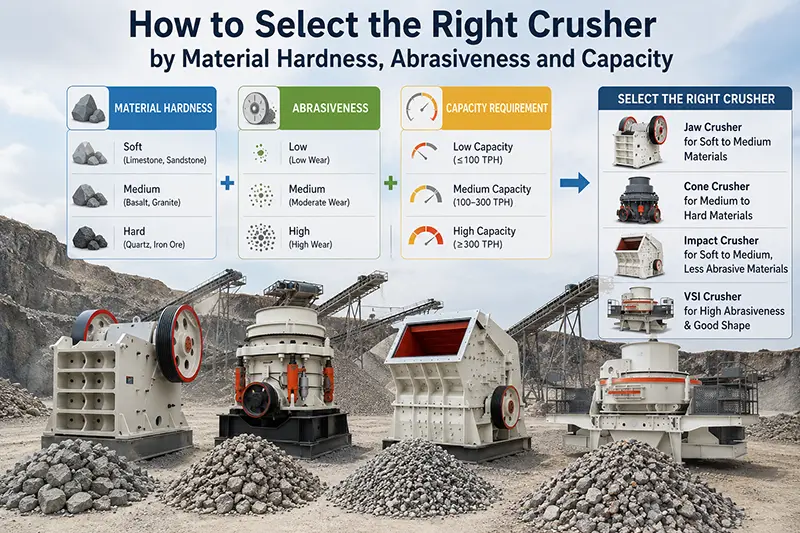
1. Evaluate Material Hardness
Material hardness describes a rock’s resistance to scratching or surface deformation. It is commonly estimated using the Mohs scale, but compressive strength and actual crushing tests provide more useful information when designing an industrial crushing plant.
In general, materials can be grouped as follows:
| Material category | Typical examples | Common crusher choices |
|---|---|---|
| Soft | Gypsum, coal, soft limestone | Hammer crusher, impact crusher |
| Medium-hard | Limestone, dolomite, sandstone | Jaw crusher, impact crusher, cone crusher |
| Hard | Granite, basalt, quartzite | Jaw crusher, cone crusher, gyratory crusher |
| Very hard | Iron ore, copper ore, quartz-rich ore | Jaw crusher, gyratory crusher, cone crusher |
These categories should only be used as an initial reference. Two materials with similar hardness can behave differently during crushing because their mineral composition, fracture pattern and abrasiveness may be different.
Crushers for Hard Materials
Compression crushers are generally preferred for hard rock. They break material by applying pressure between two wear-resistant surfaces.
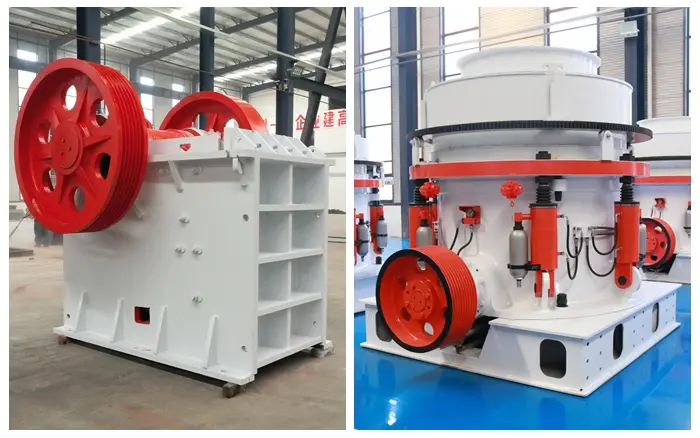
A jaw crusher is often selected for primary crushing because it can accept large feed sizes and has a relatively simple, robust structure. Understanding how a jaw crusher works can help determine whether it is suitable for the feed size and duty of a particular operation.
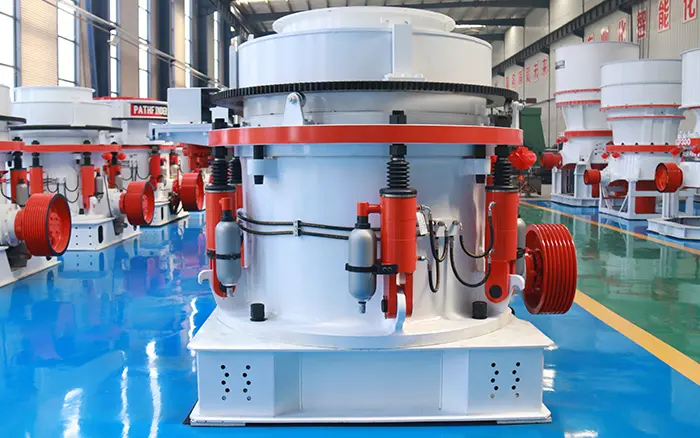
A cone crusher is commonly installed after the primary crusher. It is suitable for reducing hard material to medium or fine product sizes while maintaining stable, continuous production.
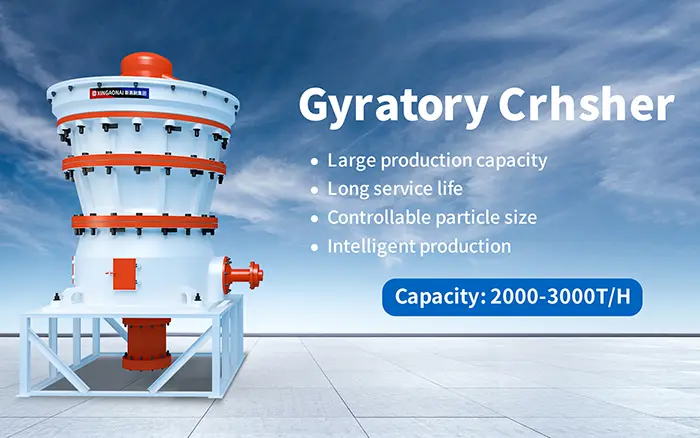
For very large mining and quarrying operations, a gyratory crusher may be more appropriate for the primary stage because it provides continuous crushing and high throughput.
Crushers for Soft and Medium-Hard Materials
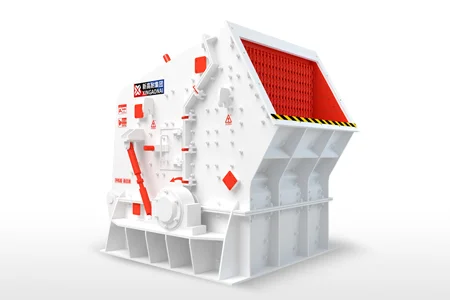
Impact crushers can be an economical choice for soft or moderately hard materials with low abrasiveness. They generally provide:
A high reduction ratio
Good particle shape
Relatively high throughput
The ability to produce more fine material
A potentially simpler crushing circuit
However, impact crushing can result in high wear costs when the feed contains hard, abrasive minerals. For this reason, hardness should never be evaluated without also considering abrasiveness.
2. Measure Abrasiveness Separately
Hardness and abrasiveness are related, but they are not the same material property.
Hardness indicates resistance to deformation. Abrasiveness describes how quickly a material wears down crusher liners, blow bars, jaw plates and other surfaces that come into direct contact with the feed.
Quartz content is particularly important. A rock containing a high percentage of quartz may cause severe wear even if its overall hardness appears manageable.
Laboratory tests, including the Abrasion Index, can provide a more reliable basis for equipment selection. When test data are unavailable, the mineral composition and operating experience with similar materials should be reviewed.
Low-Abrasiveness Materials
For soft, low-abrasion feed such as certain types of limestone, an impact crusher may provide high capacity and good aggregate shape.
Its high reduction ratio may also reduce the number of crushing stages required, lowering the initial cost of the plant.
Medium-Abrasiveness Materials
For material with moderate wear potential, both impact crushers and compression crushers may be considered.
The final decision should account for:
Required product shape
Expected wear-part consumption
Feed gradation
Moisture and clay content
Planned operating hours
Local availability of wear parts
Maintenance capabilities
A lower purchase price does not necessarily result in a lower lifetime cost. Wear-part consumption can become a major operating expense in a plant that runs continuously.
Highly Abrasive Materials
For granite, basalt, quartzite and many metal ores, compression crushing is usually more economical.
A common hard-rock configuration is:
Jaw crusher → cone crusher → vibrating screen
For a high-capacity operation, the configuration may be:
Gyratory crusher → cone crusher → cone crusher or vibrating screen
Impact crushers can still be used for final shaping, but the operator should calculate the expected wear cost per ton before choosing this arrangement.
When both compression and impact crushing appear technically feasible, a detailed cone crusher and impact crusher comparison can clarify the differences in wear cost, product shape and fines generation.
3. Define the Required Capacity
Crusher capacity is usually expressed in metric tons per hour. However, the capacity shown in a product catalogue is normally based on specific test conditions.
Actual capacity can change according to:
Feed size distribution
Material bulk density
Moisture and clay content
Crusher setting
Crushing chamber profile
Material hardness
Feed consistency
Percentage of fines
Equipment condition
Screening efficiency
A crusher rated at 300 TPH may therefore not deliver 300 TPH in every application.
Avoid Selecting by Maximum Capacity Alone
A crusher should operate within a stable working range. Selecting an excessively large machine may cause irregular feeding, poor chamber utilization and inefficient power consumption.
An undersized crusher creates a different set of problems:
Frequent overloading
Restricted plant throughput
Higher liner wear
Unstable product gradation
More unplanned downtime
Increased risk of mechanical failure
The machine should have enough reserve capacity to manage normal feed variations without being so large that the crushing chamber remains partially empty during routine production.
Typical Capacity-Based Primary Crusher Selection
| Production requirement | Primary crusher commonly considered |
|---|---|
| Small or intermittent operation | Small jaw crusher |
| Small-to-medium stationary plant | Jaw crusher |
| Medium-to-large quarry | Large jaw crusher or gyratory crusher |
| High-capacity continuous mining operation | Gyratory crusher |
| Mobile or frequently relocated operation | Mobile jaw crusher or mobile impact crusher |
Capacity alone cannot determine whether a jaw crusher or gyratory crusher is the better option. Foundation cost, installation space, feed opening, maintenance access and future expansion must also be evaluated.
For large primary crushing applications, this jaw crusher and gyratory crusher comparison explains the practical differences between the two machines.
4. Check the Maximum Feed Size
The largest feed particle must fit through the crusher opening without frequent bridging.
Do not select a crusher using only the average feed size. Oversized rocks are often responsible for:
Feed opening blockages
Interrupted production
Unsafe manual clearing
Reduced effective capacity
Damage to feeders and crusher components
The feed opening should provide a practical safety margin above the expected maximum lump size. The plant may also require a grizzly feeder, rock breaker or pre-screen to control oversized material.
A jaw crusher is often preferred when an application requires a large feed opening but does not justify the investment and infrastructure required for a gyratory crusher.
5. Define the Required Product Size
The required discharge size determines the necessary reduction ratio and the number of crushing stages.
Trying to reduce very large feed directly into a fine final product in one machine can result in:
Excessive wear
Reduced capacity
Poor particle shape
High power consumption
Unstable operation
A multi-stage process is normally more efficient for hard rock.
For example:
A primary jaw crusher reduces large rock to a coarse product.
A secondary cone crusher produces an intermediate aggregate.
A tertiary cone crusher or VSI reduces and shapes the material.
A vibrating screen separates the required product sizes and returns oversized material to the crusher.
When manufactured sand is the target product, the plant normally requires carefully controlled crushing and screening stages. A complete stone-to-sand production process may include primary crushing, secondary crushing, fine crushing, shaping, screening and, when necessary, washing.
6. Consider Moisture, Clay and Natural Fines
Wet or sticky feed can reduce capacity even when the selected crusher has sufficient motor power and feed-opening size.
Clay may adhere to the crushing chamber, block the discharge area or reduce screening efficiency. A large percentage of natural fines may also occupy chamber volume without contributing to useful size reduction.
Possible solutions include:
Installing a grizzly feeder
Removing fines before primary crushing
Using a wider discharge arrangement
Adding washing or scrubbing equipment
Selecting a crusher that is less sensitive to sticky feed
Improving stockpile drainage
Blending wet and dry feed material
For wet, clay-rich material, the feeding and screening system may affect plant performance more than the crusher’s theoretical capacity.
7. Consider Product Shape and Fines Generation
Different crushing mechanisms produce different particle shapes and gradations.
Compression crushers generally produce fewer fines and are effective when processing hard, abrasive material. Impact crushers usually provide better cubical shape, but they generate more fines and may experience higher wear.
The preferred machine therefore depends on the final market:
Road-base material may tolerate a wider gradation.
Concrete aggregate may require controlled shape and low flakiness.
Manufactured sand requires suitable grading and particle shape.
Ore prepared for grinding may prioritize product size over aggregate shape.
There is little value in paying for advanced shaping performance if the final product does not require it. Conversely, the least expensive machine may not be economical if poor particle shape reduces the selling price of the aggregate.
8. Compare the Total Cost per Ton
The purchase price is only one part of the investment decision. A more useful comparison is the total cost per ton over the expected operating life of the machine.
The calculation should include:
Equipment purchase price
Civil works and installation
Motor power
Wear parts
Lubrication
Maintenance labor
Planned and unplanned downtime
Spare-parts inventory
Screening and recirculation
Expected service life
Residual value
For abrasive rock, a compression crusher with a higher initial price may deliver a lower cost per ton because it consumes fewer wear parts.
For soft limestone, an impact crusher may reduce capital costs by combining size reduction and shaping in fewer crushing stages.
Crusher Selection Matrix
| Operating condition | Recommended starting point |
|---|---|
| Large, hard and abrasive feed | Jaw or gyratory primary crusher |
| Hard rock requiring secondary crushing | Cone crusher |
| Soft, low-abrasion limestone | Impact or hammer crusher |
| High-capacity continuous primary crushing | Gyratory crusher |
| Mobile hard-rock operation | Mobile jaw crusher |
| Concrete and asphalt recycling | Impact crusher, depending on contaminants |
| Fine aggregate shaping | VSI crusher |
| Manufactured sand production | Cone crusher followed by VSI |
| Abrasive ore before grinding | Jaw or gyratory crusher followed by cone crushing |
| High moisture and clay content | Pre-screening and feed treatment should be evaluated |
This matrix should be used as an initial screening tool rather than a final equipment specification.
Information to Provide to a Crusher Manufacturer
Before requesting a quotation, prepare the following information:
Material name and mineral composition
Mohs hardness or compressive strength
Abrasion Index, if available
Maximum and average feed size
Feed-size distribution
Moisture and clay content
Required capacity in tons per hour
Required final product sizes
Desired particle shape
Daily and annual operating hours
Site altitude and ambient conditions
Available electrical power
Mobile or stationary installation requirement
Planned downstream equipment
The more complete the material and process data are, the more reliable the equipment recommendation and capacity estimate will be.
Conclusion
To select the right crusher, begin with the material rather than the machine.
Hard and abrasive materials generally favor compression crushers, while soft and low-abrasion materials can often be processed economically with impact crushing. Required capacity determines the appropriate machine size, but feed size, product specifications, moisture and downstream equipment determine whether that capacity can be achieved in practice.
The best crusher is not necessarily the largest or least expensive model. It is the machine that can process the actual feed reliably, produce the required product and deliver the lowest sustainable cost per ton.