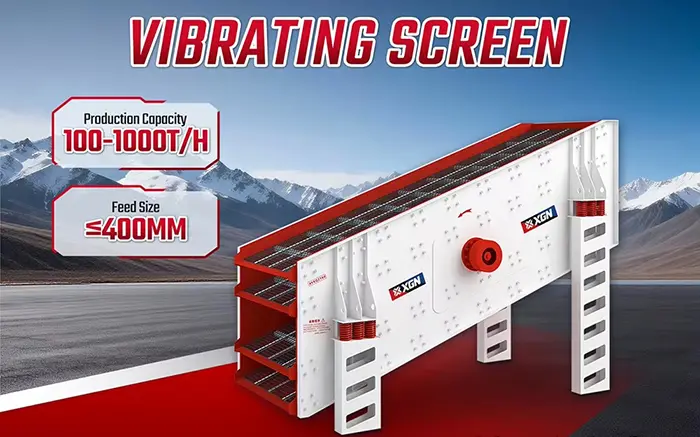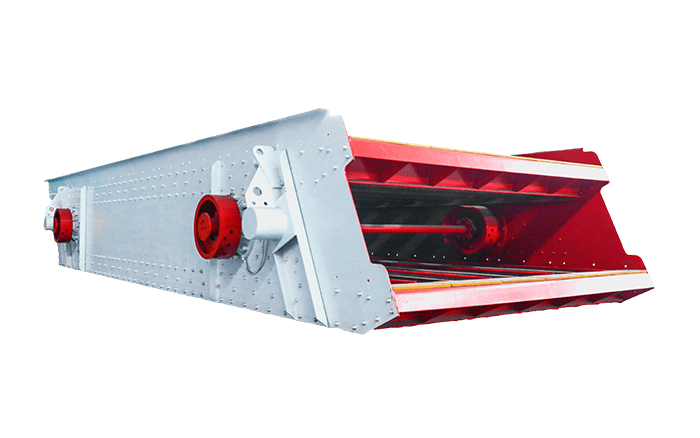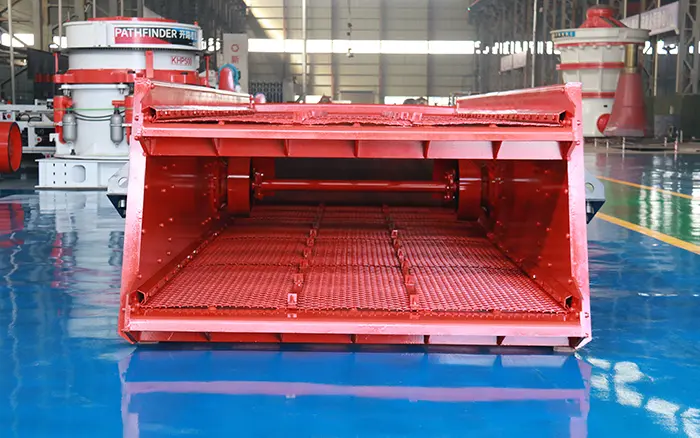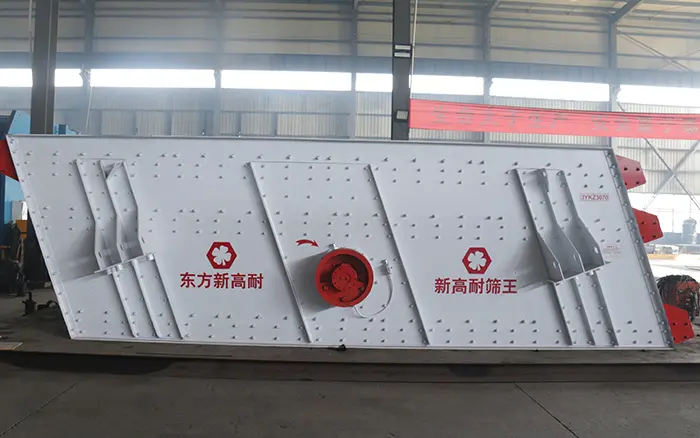
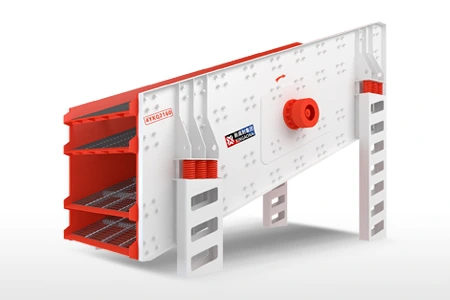
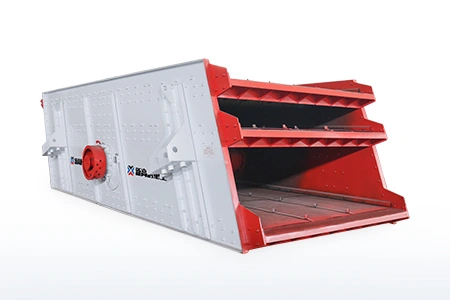
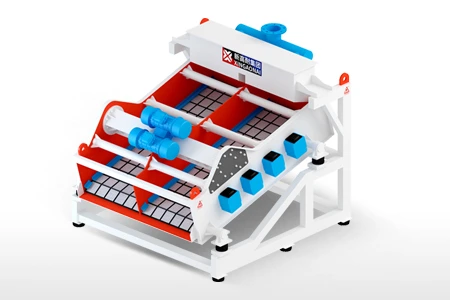
Selecting the right vibrating screen for mining is essential for achieving high screening efficiency, stable production, and lower operating costs. A properly selected screening machine improves particle size classification, increases downstream processing efficiency, reduces equipment wear, and minimizes maintenance downtime.
Mining operations process a wide variety of materials, including hard rock, sand and gravel, coal, iron ore, copper ore, gold ore, limestone, and recycled aggregates. Because each material has different particle sizes, moisture content, abrasiveness, and processing requirements, there is no one-size-fits-all vibrating screen.
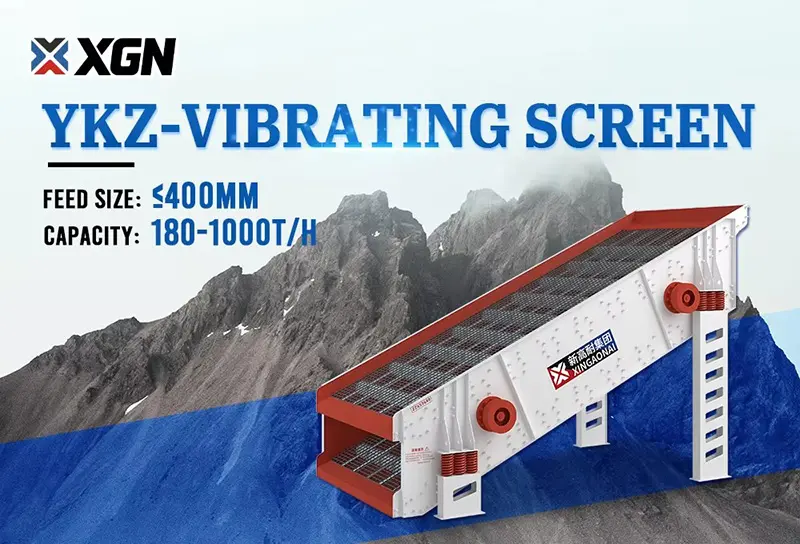
This buyer's guide explains how to choose a vibrating screen for mining by covering screen types, selection criteria, capacity calculations, screen media options, installation considerations, and common purchasing mistakes.
Why Is Vibrating Screen Selection Important?
A vibrating screen is responsible for separating materials into different size fractions before or after crushing, grinding, washing, or dewatering.
Choosing the right screen helps to:
Improve screening efficiency
Increase crusher productivity
Reduce unnecessary recirculation
Protect downstream equipment
Lower operating costs
Produce more consistent product sizes
Extend equipment service life
An incorrectly selected screen can become a production bottleneck and reduce the efficiency of the entire processing plant.
Understand Your Material Characteristics
The first step in screen selection is understanding the material being processed.
Key material properties include:
Material type
Feed size
Required product size
Bulk density
Moisture content
Clay content
Abrasiveness
Particle shape
Material temperature
Different materials require different screening solutions.
For example:
Iron ore often requires heavy-duty screens with high wear resistance.
Limestone generally allows higher screening capacities because of its lower abrasiveness.
Wet clay-rich materials may require specialized screening or washing equipment to prevent blinding.
Determine Required Capacity
Capacity is one of the most important design parameters.
Typical questions include:
How many tonnes per hour (TPH) must the screen process?
Is future production expansion planned?
Will the screen operate continuously?
What is the expected utilization rate?
Oversizing increases investment costs, while undersizing limits production capacity.
Whenever possible, select equipment with sufficient reserve capacity for future plant expansion.
Choose the Appropriate Vibrating Screen Type
Different mining applications require different screen designs.
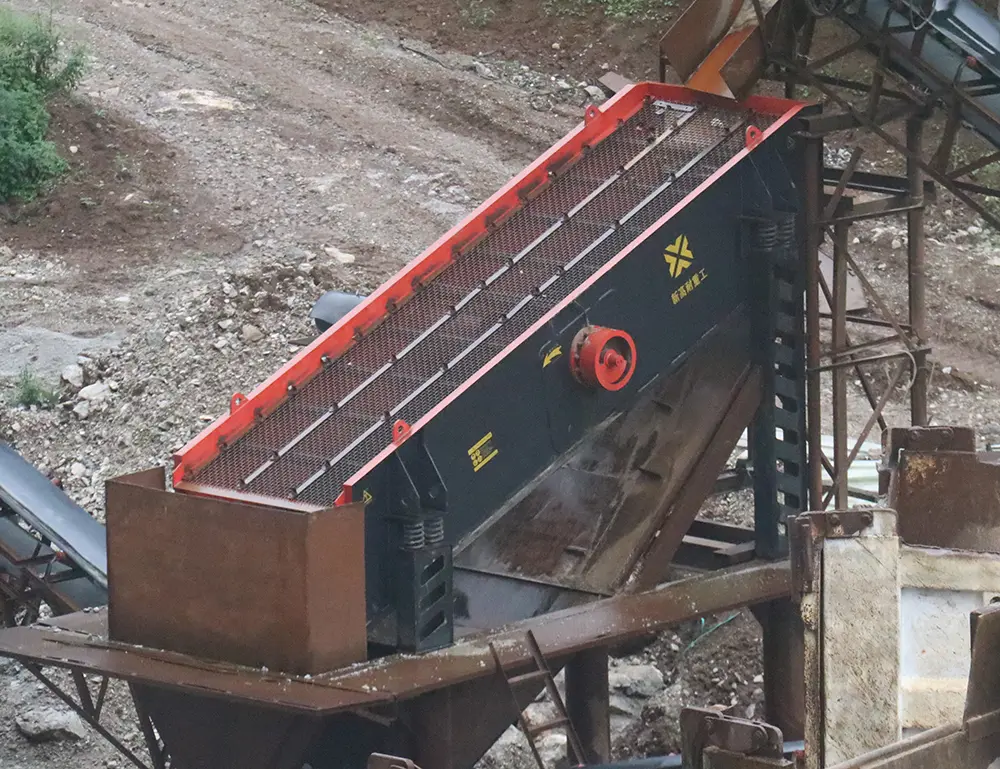
Inclined Vibrating Screen
Suitable for:
Quarry operations
Crushed stone
Limestone
Granite
Aggregates
Advantages:
High throughput
Simple structure
Easy maintenance
Cost-effective operation
Horizontal Vibrating Screen
Suitable for:
Fine screening
High-precision classification
Limited installation height
Advantages:
Better particle stratification
Higher screening accuracy
Stable operation
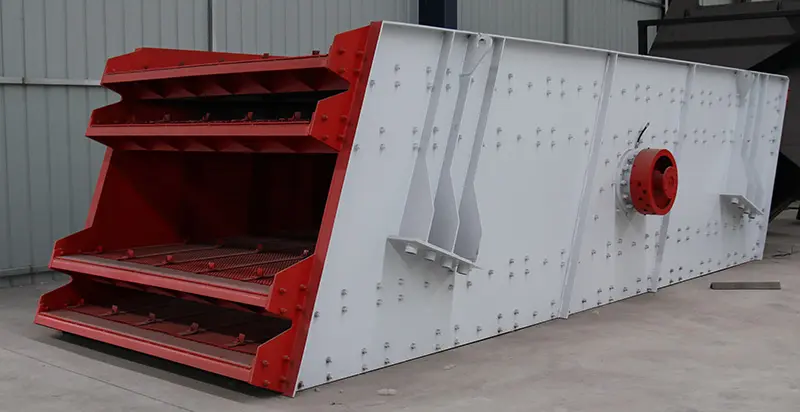
Multi-Deck Vibrating Screen
Suitable for:
Multiple product sizes
Aggregate plants
Mineral processing plants
Advantages:
Simultaneous production of several size fractions
Improved plant efficiency
Reduced equipment footprint
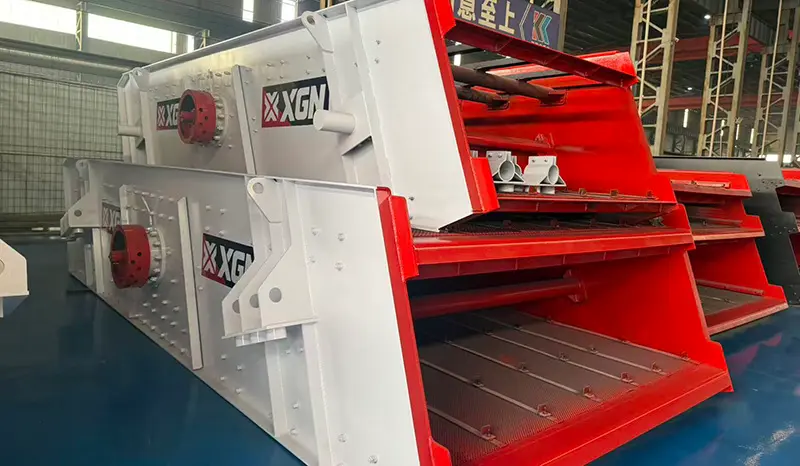
Circular Vibrating Screen
Suitable for:
Medium and coarse screening
Mining
Quarrying
Construction materials
Advantages:
Reliable performance
High processing capacity
Wide application range
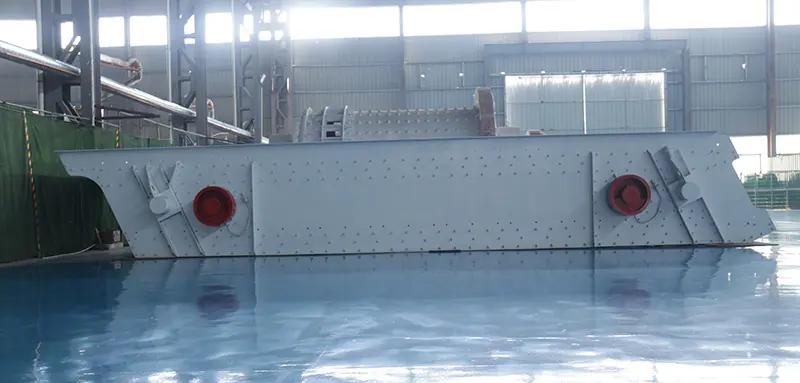
Linear Vibrating Screen
Suitable for:
Fine materials
Coal preparation
Sand processing
Dewatering applications
Advantages:
Accurate classification
Uniform material movement
Low maintenance
Select the Correct Number of Screen Decks
The required number of decks depends on the number of finished products.
Typical configurations include:
Single Deck
Suitable for:
Simple oversize removal
Primary screening
Double Deck
Suitable for:
Two finished products
Medium-complexity production lines
Triple Deck
Suitable for:
Three or more product sizes
Aggregate plants
Mineral beneficiation plants
Increasing the number of decks improves product flexibility but also increases equipment size and investment.
Select the Appropriate Screen Media
Screen media significantly affect screening efficiency and maintenance costs.
Common options include:
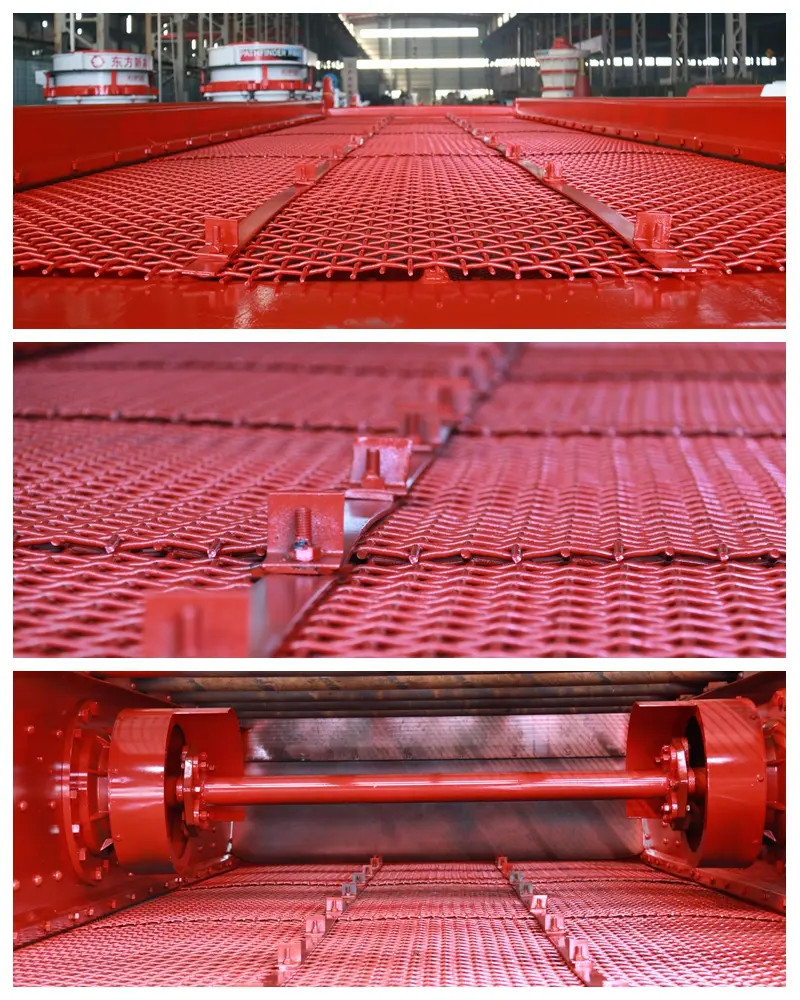
Woven Wire Mesh
Advantages:
High open area
Excellent screening accuracy
Economical replacement cost
Applications:
Aggregates
Mining
Quarrying
Polyurethane Screen Panels
Advantages:
Excellent wear resistance
Low noise
Long service life
Reduced pegging
Applications:
Iron ore
Wet screening
Rubber Screen Panels
Advantages:
Reduced impact
Noise reduction
Long service life
Applications:
Heavy-duty mining
Large feed materials
Perforated Steel Plates
Advantages:
Extremely durable
Suitable for large rocks
Applications:
Primary screening
Heavy mining
Consider Moisture Content
Moisture has a major impact on screening performance.
Dry Materials
Standard vibrating screens generally provide excellent efficiency.
Wet Materials
May require:
Spray washing systems
Self-cleaning screen media
Larger screen openings
Dewatering screens
High-moisture materials often reduce screening efficiency if the equipment is not designed for wet operation.
Evaluate Vibration Parameters
Screen performance depends on proper vibration characteristics.
Important parameters include:
Vibration amplitude
Vibration frequency
Stroke
Inclination angle
Material residence time
These parameters should be optimized according to the material characteristics and desired product size.
Consider Energy Efficiency
Modern mining plants increasingly prioritize energy-efficient equipment.
Look for features such as:
High-efficiency vibration motors
Optimized excitation systems
Lightweight structural design
Low power consumption
Variable frequency drives (VFDs)
Reducing energy consumption lowers operating costs over the equipment's lifetime.
Evaluate Structural Strength
Mining environments are extremely demanding.
A high-quality vibrating screen should include:
Heavy-duty welded frame
Reinforced side plates
High-strength cross members
Premium bearings
Reliable lubrication system
Fatigue-resistant construction
Robust structural design increases equipment reliability and reduces unexpected downtime.
Consider Ease of Maintenance
Maintenance costs can significantly influence the total cost of ownership.
Important features include:
Easy screen media replacement
Accessible lubrication points
Modular components
Replaceable wear liners
Convenient inspection doors
Maintenance-friendly designs reduce shutdown time and improve plant availability.
Match the Screen to the Entire Processing Plant
A vibrating screen should not be selected independently.
It must match:
Crusher capacity
Conveyor capacity
Washing equipment
Grinding circuit
Stockpile requirements
Overall plant layout
Proper integration prevents bottlenecks and maximizes overall plant efficiency.
Common Mistakes When Buying a Mining Vibrating Screen
Many buyers focus only on purchase price.
Common mistakes include:
Ignoring material characteristics
Selecting insufficient capacity
Choosing incorrect screen media
Underestimating wear conditions
Neglecting maintenance requirements
Purchasing oversized equipment
Ignoring future production expansion
Failing to evaluate supplier support
Considering total life-cycle cost rather than initial price often leads to a better investment.
Buyer Checklist
Before purchasing a vibrating screen, confirm the following:
| Selection Factor | Questions to Consider |
|---|---|
| Material | What material will be screened? |
| Feed Size | What is the maximum feed size? |
| Product Size | What are the required finished sizes? |
| Capacity | What is the required TPH? |
| Moisture | Is the material wet or dry? |
| Screen Type | Inclined, horizontal, circular, or linear? |
| Screen Media | Wire, polyurethane, rubber, or steel? |
| Installation | Is sufficient installation space available? |
| Maintenance | Are spare parts readily available? |
| Expansion | Will production increase in the future? |
Conclusion
Choosing the right vibrating screen for mining requires careful consideration of material characteristics, production capacity, screening efficiency, equipment durability, and long-term operating costs. A well-matched screening system improves product quality, protects downstream equipment, and enhances the overall performance of the processing plant.
Before making a purchasing decision, mining companies should evaluate ore properties, plant capacity, maintenance requirements, and future expansion plans. Working with an experienced equipment manufacturer and selecting a screen designed specifically for the intended application will help ensure reliable operation, lower life-cycle costs, and consistent production for years to come.