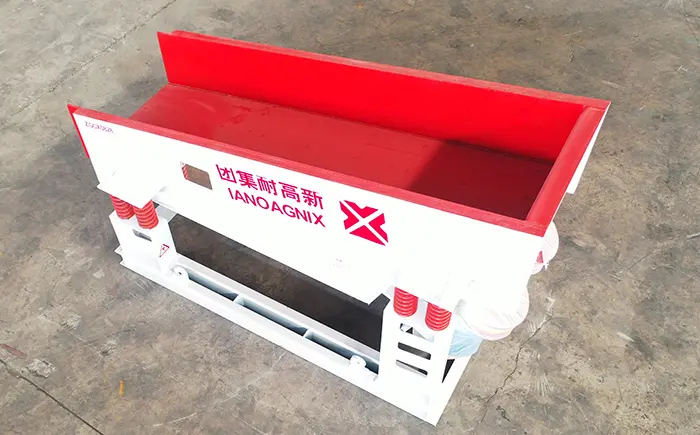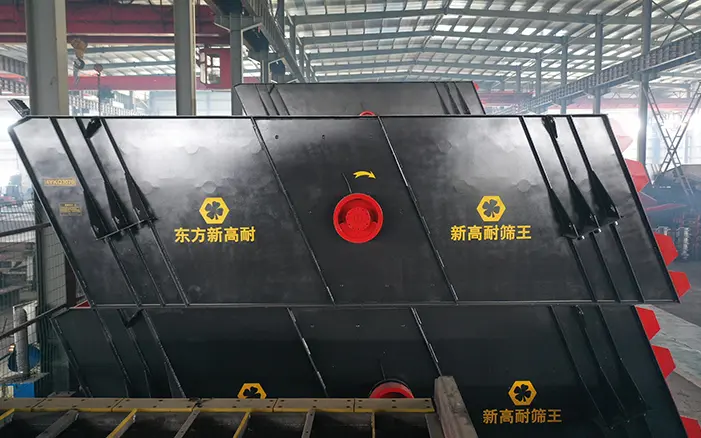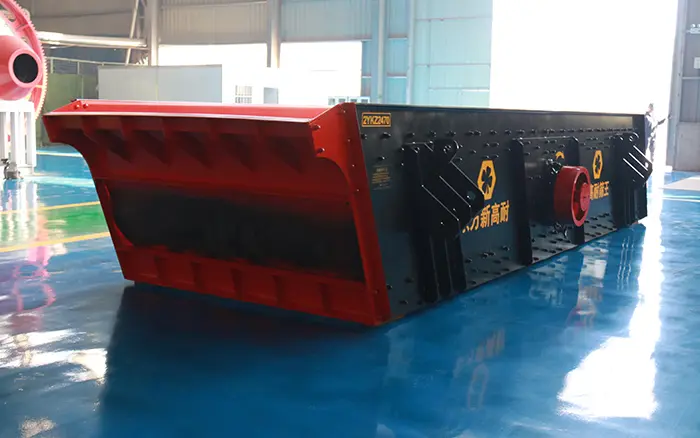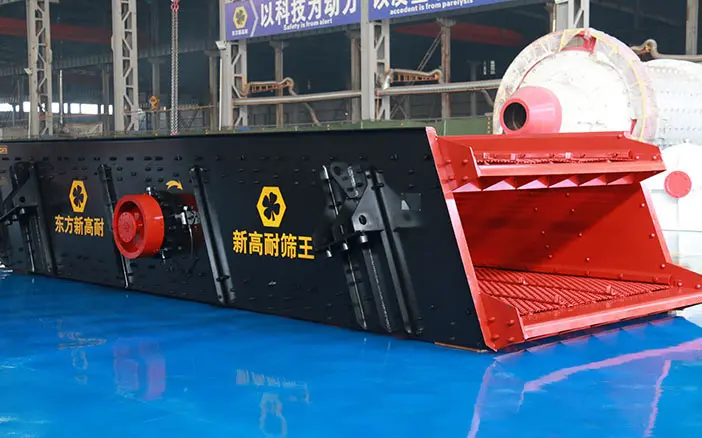
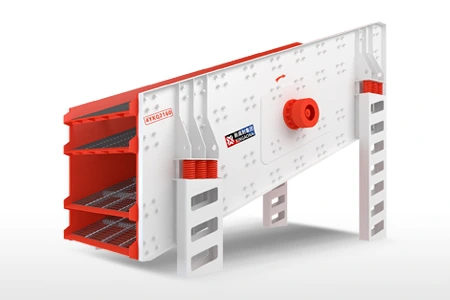
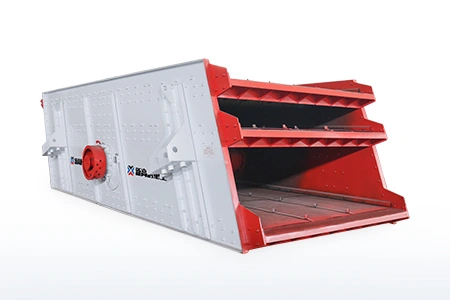
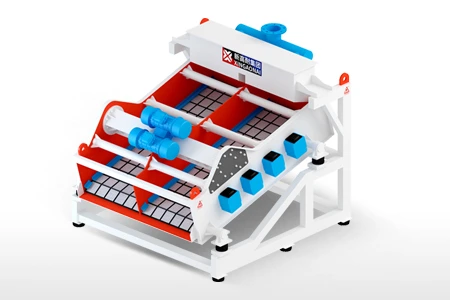
Vibrating screens are machines used to separate materials by size. They are very common in mining, construction, recycling, and food processing. A vibrating screen shakes or vibrates to let small particles fall through and keep larger particles on top. But not all vibrating screens are the same. There are many types of vibrating screens, and each type works best for certain jobs. This article explains the most common types of vibrating screens, how they work, and when to use them.
What Is a Vibrating Screen?
Before we look at the types of vibrating screens, let us quickly explain what a vibrating screen does. It has a screen surface (a mesh or a perforated plate) that moves up and down or in a circular motion. Material is fed onto the screen. Small particles go through the openings. Large particles move to the end and come off. The vibration helps prevent clogging and speeds up the separation.
Now let us look at the main types of vibrating screens used in industry.
1. Inclined Vibrating Screen
The inclined vibrating screen is one of the most common types of vibrating screens. It is mounted at an angle, usually between 15 and 30 degrees. The screen uses a circular vibration. The material moves down the slope by gravity and vibration. This type is simple, reliable, and works for many materials like sand, gravel, and crushed stone.
Best for: Heavy-duty screening in quarries and mines.
Pros: High capacity, easy to maintain, low cost.
Cons: Takes more vertical space.
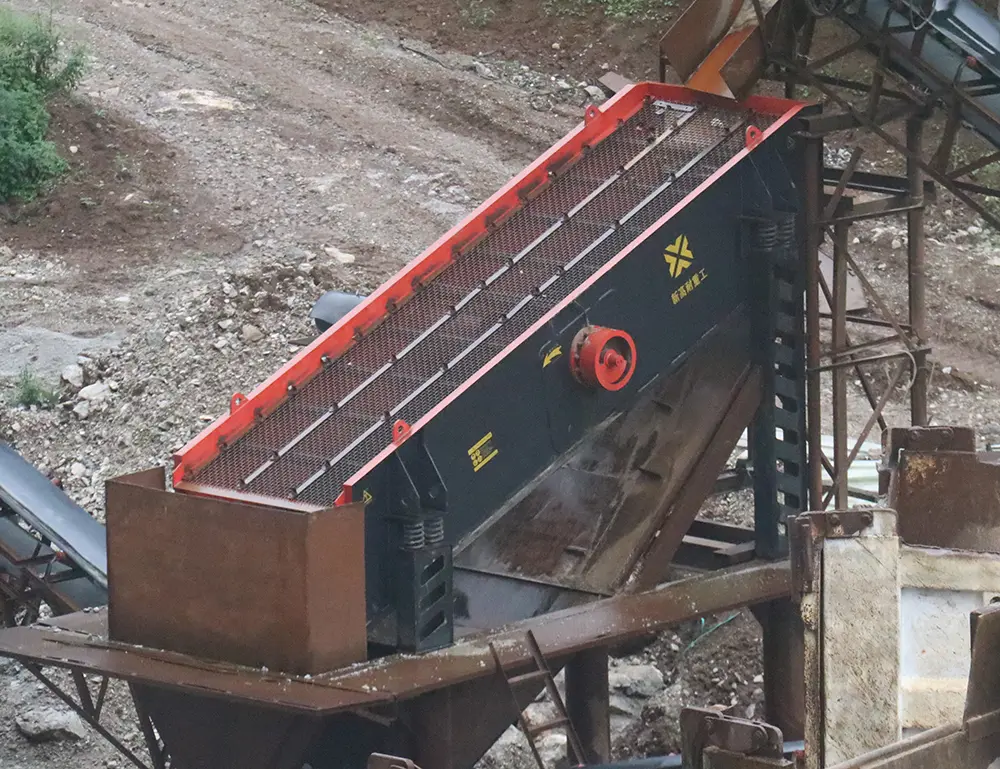
2. Horizontal Vibrating Screen
The horizontal vibrating screen is mounted flat (no slope). It uses a linear or elliptical vibration to move the material across the screen. Because there is no slope, the vibration must be strong enough to push the material forward. Horizontal screens are good for places with low headroom.
Best for: Portable plants and places where height is limited.
Pros: Low profile, good for fine screening.
Cons: Needs more energy than inclined screens.
3. Linear Vibrating Screen
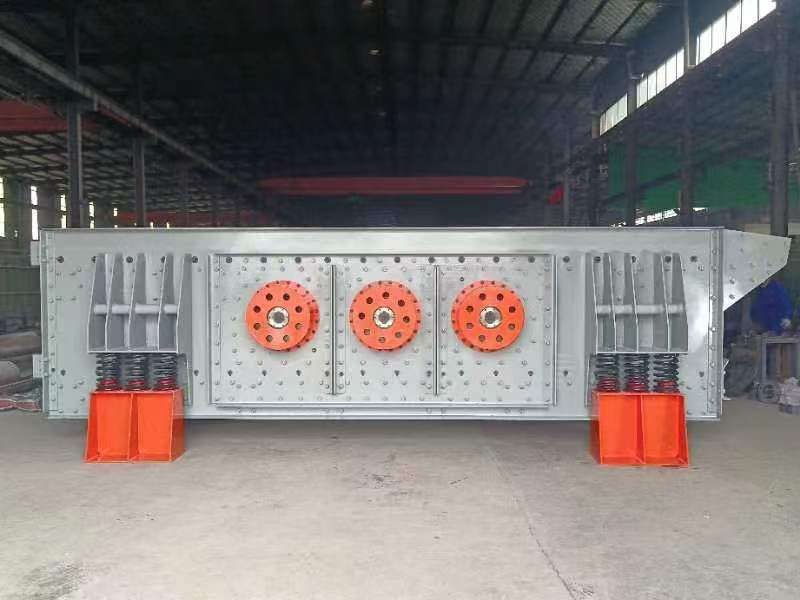
The linear vibrating screen has two motors that rotate in opposite directions. This creates a straight-line (linear) vibration. The material moves forward in a straight line. This type is very good for dewatering (removing water from solids) and for screening fine materials.
Best for: Dewatering, fine particle separation, and chemical industries.
Pros: High efficiency for fine mesh, easy to control.
Cons: Not ideal for very large feed sizes.
4. Circular Vibrating Screen
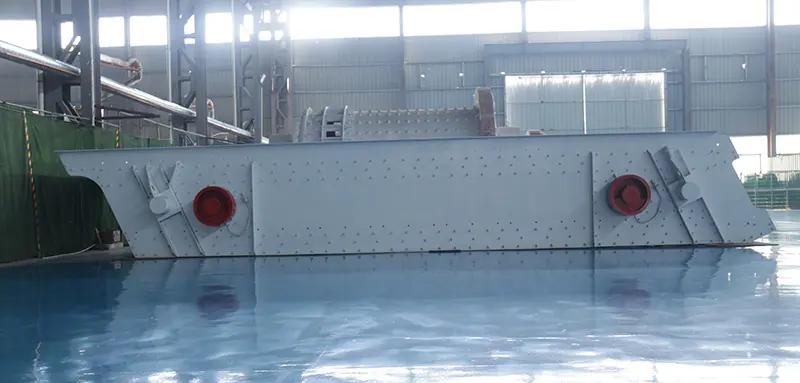
The circular vibrating screen has one motor with an eccentric weight. This creates a circular motion. The material moves in circles and slowly moves to the edge. This is a very common design for medium to coarse screening.
Best for: Quarries, coal processing, and aggregates.
Pros: Simple design, low maintenance, good for sticky materials.
Cons: Less efficient for very fine screening.
5. High-Frequency Vibrating Screen
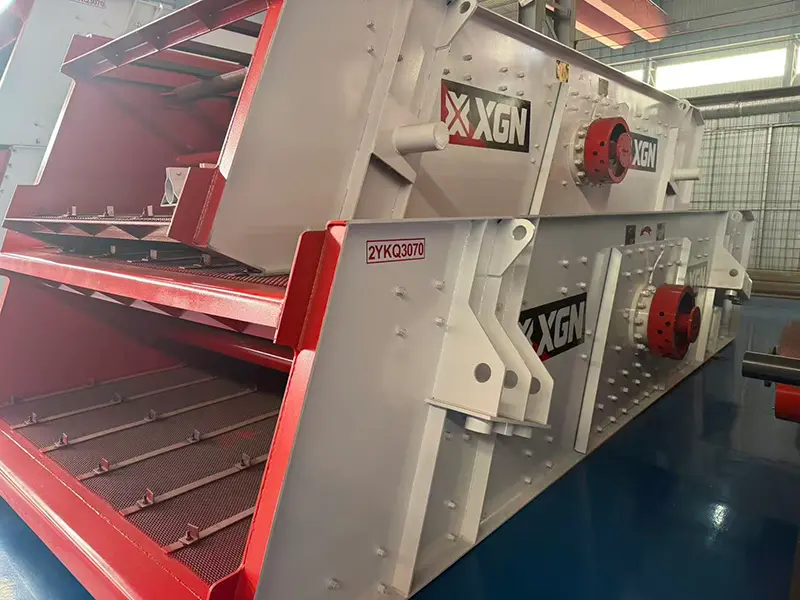
The high-frequency vibrating screen runs at a very high speed (3000 to 7200 RPM). It uses a small amplitude but many vibrations per second. This type is excellent for separating fine particles (down to 0.1 mm). It is often used in mineral processing plants.
Best for: Fine iron ore, tin, tungsten, and other minerals.
Pros: High efficiency for fines, low moisture in underflow.
Cons: More expensive, higher wear on screen cloth.
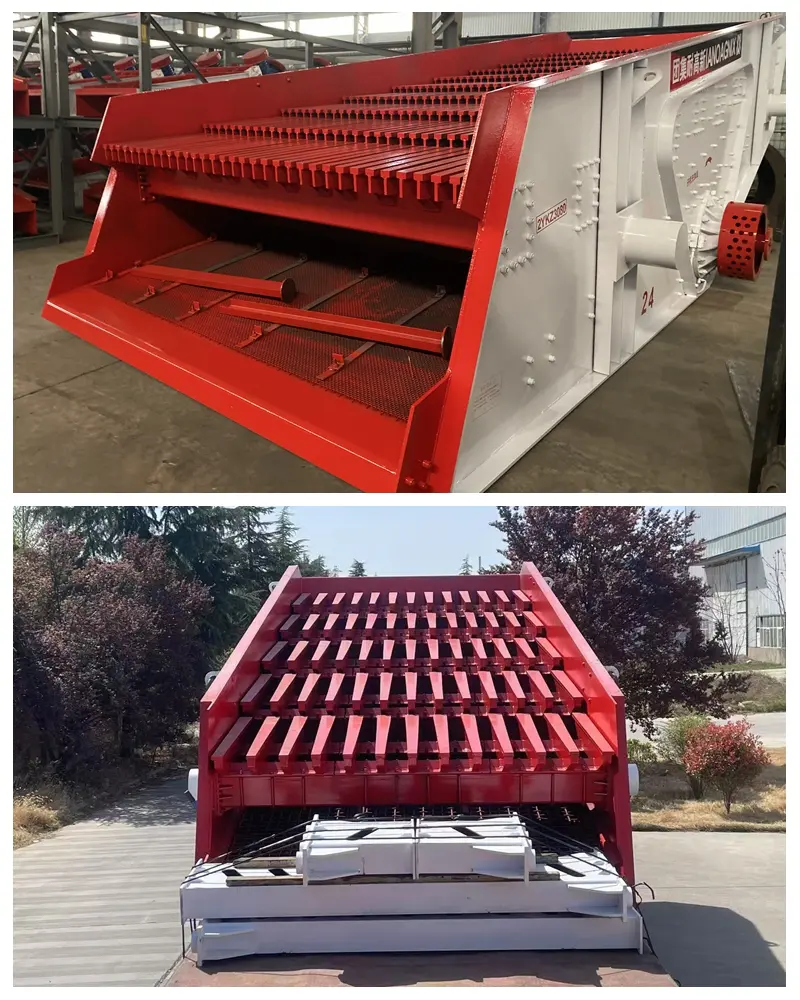
6. Grizzly Screen (Vibrating Grizzly Feeder)
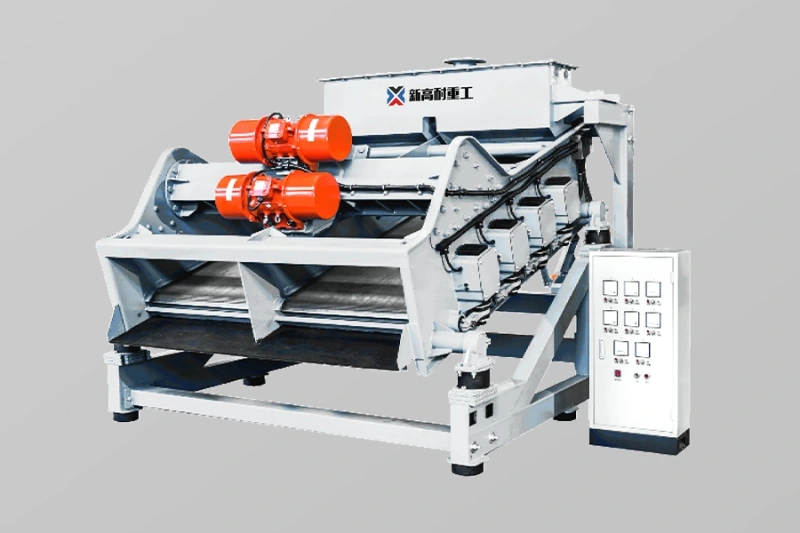
The grizzly screen is a special type of vibrating screen. It uses heavy steel bars instead of a mesh. The bars are spaced apart to let small material fall through. Large rocks move to the crusher. Grizzly screens are usually installed before a primary crusher to remove fines.
Best for: Primary screening in mining and quarrying.
Pros: Very tough, handles large rocks, reduces crusher wear.
Cons: Only for coarse separation (not fine).
7. Dewatering Screen
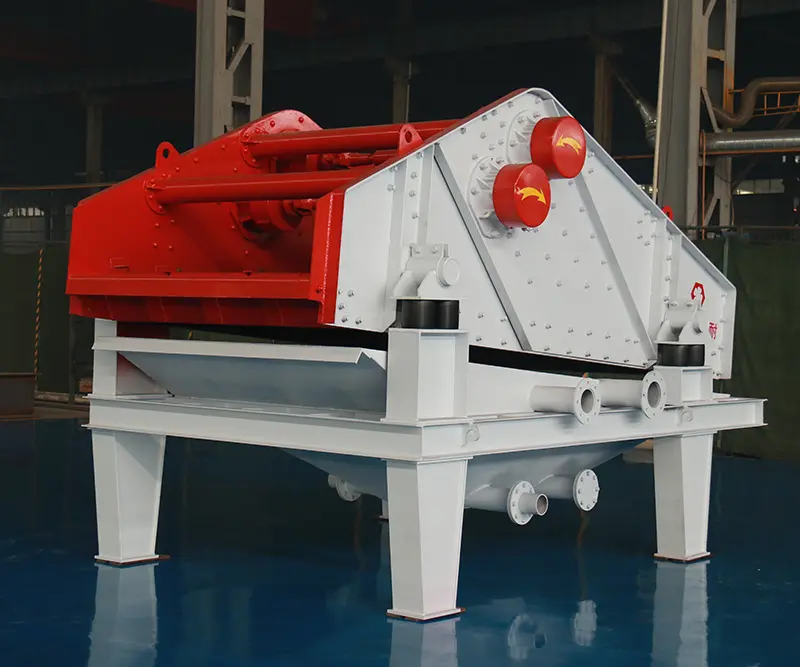
The dewatering screen is a type of vibrating screen designed to remove water from solid materials. It uses a linear vibration with a steep angle at the discharge end. The vibration shakes the water off the solids. The result is a dry cake on top and clear water below.
Best for: Sand washing, coal dewatering, tailings treatment.
Pros: Low moisture product, continuous operation.
Cons: Only works for materials that drain well.
8. Banana Screen (Multi-Slope Screen)
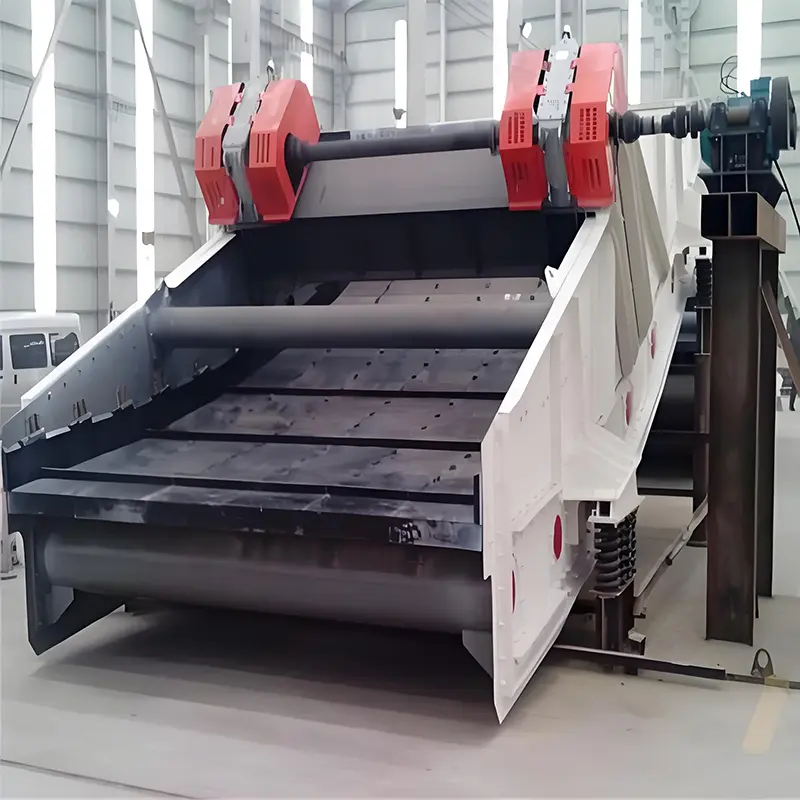
The banana screen has a unique shape. Its surface is divided into several sections with different angles. The first section is steep, so material moves fast. Later sections are flatter, which allows more time for fines to pass. This design increases capacity.
Best for: High-capacity screening of coal, iron ore, and aggregates.
Pros: Very high throughput, good for wet and dry screening.
Cons: More complex construction, higher cost.
How to Choose Among the Types of Vibrating Screens
When you look at the different types of vibrating screens, ask yourself these questions:
What material are you screening? Hard rock, sand, coal, or wet slurry?
What size particles do you want to separate? Coarse (over 10 mm), medium (1-10 mm), or fine (under 1 mm)?
How much material per hour? Small (under 50 t/h), medium (50-300 t/h), or large (over 300 t/h)?
Do you need dewatering? If yes, choose a horizontal or linear dewatering screen.
How much space do you have? If headroom is low, choose a horizontal screen.
Each of the types of vibrating screens has a job it does best. Picking the right one saves money and time.
Common Applications for Different Types of Vibrating Screens
| Type | Common Use |
|---|---|
| Inclined screen | Quarry, sand and gravel |
| Horizontal screen | Portable plants, low headroom |
| Linear screen | Dewatering, fine chemicals |
| Circular screen | Coal, aggregates, recycling |
| High-frequency screen | Mineral processing, fines |
| Grizzly | Before jaw crusher |
| Dewatering screen | Sand washing, tailings |
| Banana screen | Large coal and ore plants |
Conclusion
There are many types of vibrating screens, but most jobs use one of the eight types we covered. Inclined and circular screens are good for general use. Linear and high-frequency screens work best for fines and dewatering. Grizzly screens are for heavy-duty primary separation. Banana screens are for very high capacity. Understanding the types of vibrating screens helps you choose the right equipment for your material, capacity, and budget.