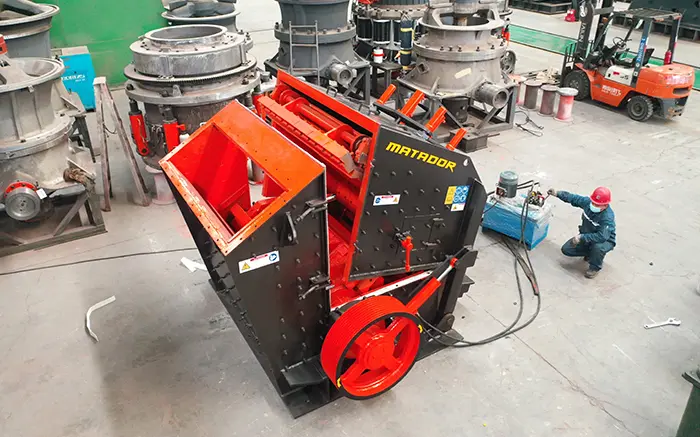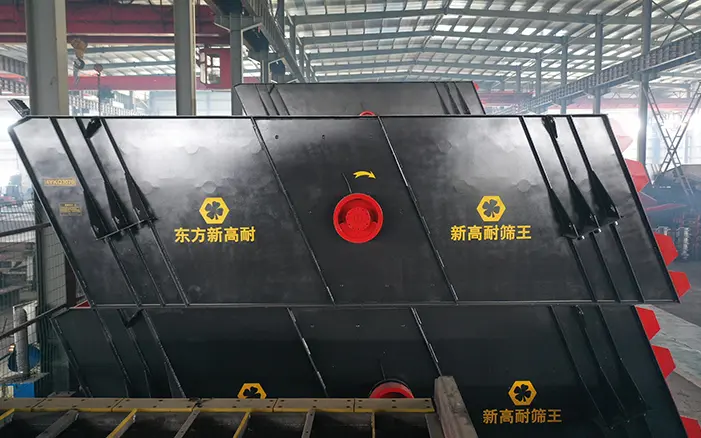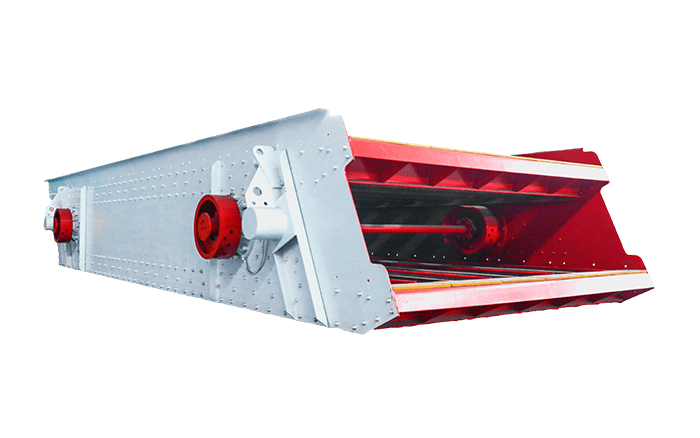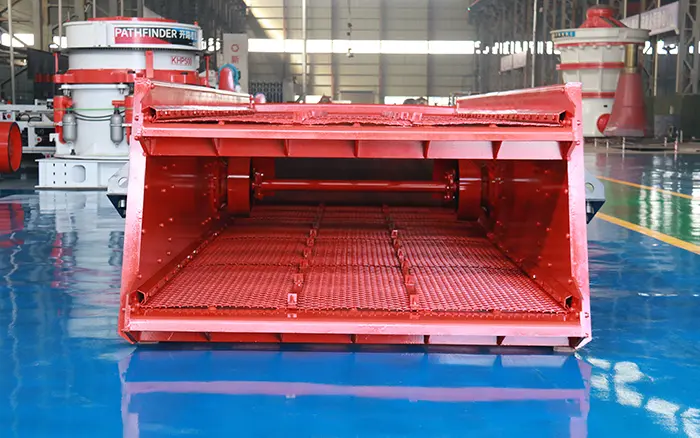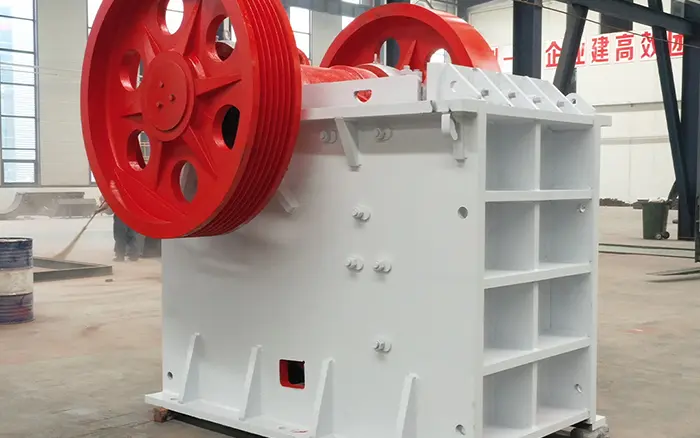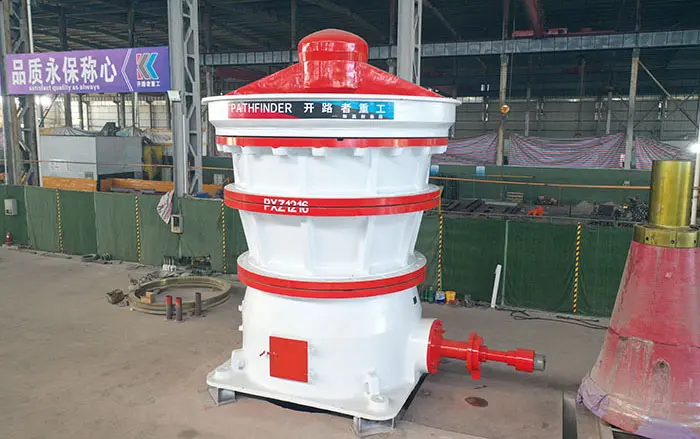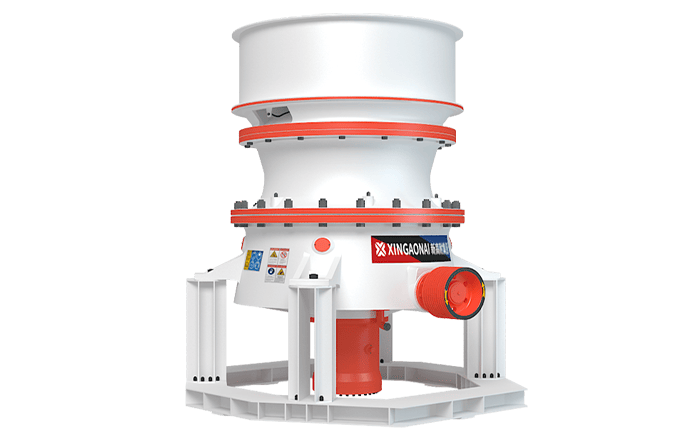
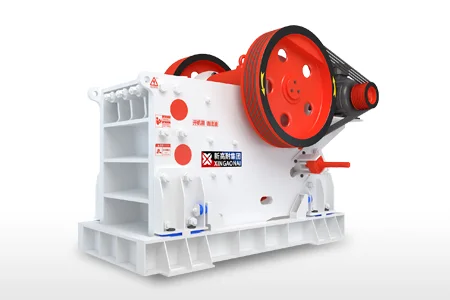
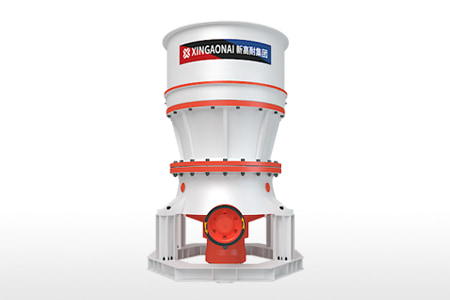
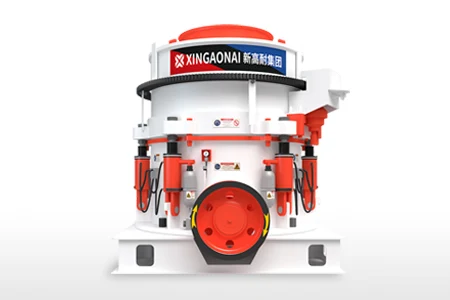
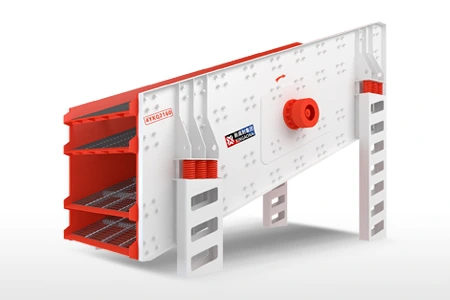
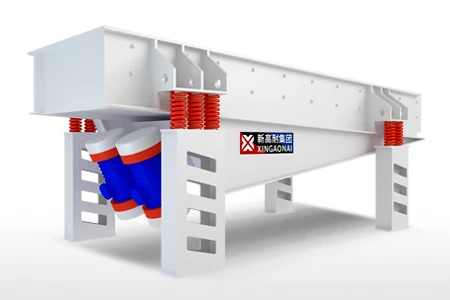
Aggregate production lines typically consist of feeding, crushing, screening, and conveying equipment. A multistage crushing plant may also include a jaw crusher, cone crusher, impact crusher, and multilayer vibrating screens.
This means production-line maintenance cannot focus on only one crusher. Even if the main crushing equipment operates normally, a feeder, vibrating screen, or conveyor failure can still reduce the capacity of the entire plant and may even cause a shutdown.
Therefore, a more effective approach to aggregate equipment maintenance is to establish a complete preventive maintenance system instead of waiting for equipment to fail:
Inspection → Early Detection → Planned Maintenance → Reduced Unplanned Downtime
Daily inspections, periodic checks, and planned shutdowns allow abnormalities to be identified and addressed before they affect production.
Why Is Preventive Maintenance Important in an Aggregate Plant?
Aggregate equipment continuously processes rock and other abrasive materials, so equipment wear cannot be eliminated completely.
What operators can control is the rate of wear, the condition of the equipment, and the timing of wear-part replacement.
Waiting until a component fails completely can turn a problem that could have been resolved during a scheduled shutdown into an unplanned production interruption.
For example:
Excessively worn crusher parts can affect product size.
Damaged screen media can allow oversized material into the finished product.
Conveyor belt misalignment can cause material spillage and belt-edge wear.
Unstable feeding can continually change the load on downstream crushers.
Abnormal lubrication can accelerate damage to bearings and other moving components.
The purpose of preventive maintenance is not to eliminate wear. It is to make wear measurable, predictable, and manageable through planned work.
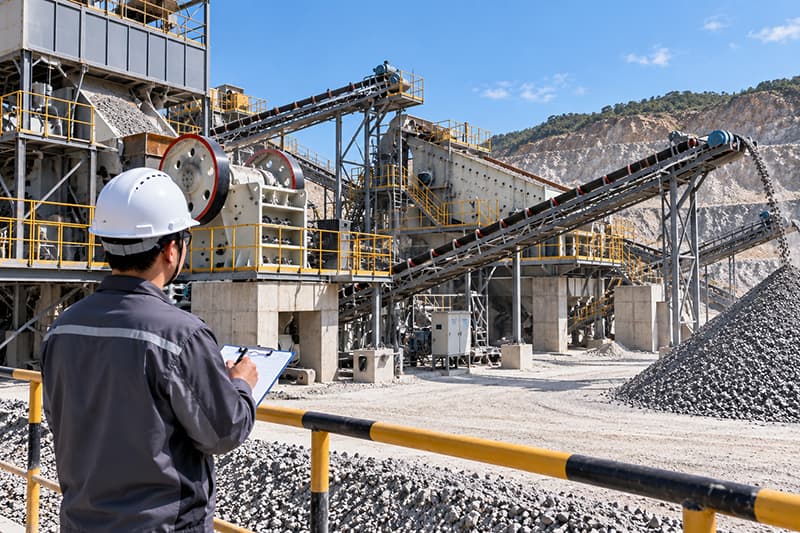
Start Maintenance with a Daily Equipment Inspection
For continuously operating aggregate plants, one of the most important maintenance activities is not equipment disassembly. It is establishing consistent inspections before each shift and during operation.
Operators should become familiar with the equipment’s normal:
Sound
Vibration
Temperature
Motor current
Feeding condition
Product condition
Any significant change in these operating characteristics should trigger further inspection.
Equipment that can still operate is not necessarily in good condition. Abnormal noise, continuously increasing temperature, changes in vibration, or abnormal motor load may all indicate a developing fault.
Daily inspections should therefore be recorded instead of relying entirely on the operator’s memory.
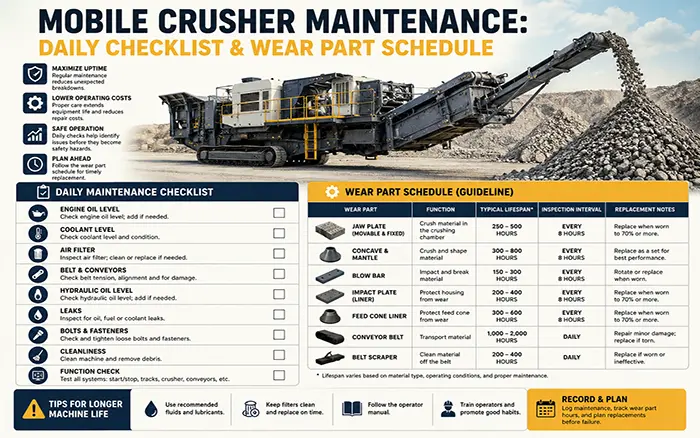
Daily Aggregate Equipment Maintenance Checklist
Daily inspections should focus on the critical areas that most clearly reflect equipment condition.
| Inspection Item | What to Check | Why It Matters |
|---|---|---|
| Lubrication | Oil level, leakage, and lubrication condition | Prevent abnormal wear |
| Fasteners | Loose bolts and connections | Reduce vibration-related failures |
| Wear Parts | Visible wear or damage | Plan replacement before failure |
| Belt System | Tracking, tension, and material spillage | Maintain stable conveying |
| Noise and Vibration | Changes from normal operation | Detect developing faults |
| Material Flow | Blockage and uneven feeding | Maintain stable plant operation |
The objective is not only to find components that are already damaged. Inspectors should also identify changes from normal operating conditions.
For example, a bearing temperature may remain below the alarm threshold but still require investigation if it continues rising over several days. Similarly, slight belt misalignment can eventually cause edge damage or serious material spillage if it continues to worsen.
Crusher Maintenance: Focus on Wear and Operating Changes
Crushers are normally the core machines in an aggregate production line and therefore require particular maintenance attention.
Different crusher types have different structures and wear parts. From the perspective of the complete plant, however, maintenance should primarily focus on wear, lubrication, and changes in operating condition.
Wear Parts
Different crushers use different principal wear parts.
A jaw crusher primarily requires inspection of its jaw plates, while a cone crusher requires inspection of the mantle and concave. You can find additional component information in XINGAONAI’s jaw crusher parts guide.
Wear parts should not remain in operation until they fail completely.
By inspecting and recording wear regularly, maintenance personnel can understand wear trends under different materials and operating conditions. Replacement can then be scheduled during planned shutdowns.
Lubrication
Lubrication-system condition directly affects the working environment of bearings, gears, and other moving components.
Daily maintenance should cover:
Oil level
Leakage
Contamination
Oil temperature
Abnormal changes in lubrication condition
The presence of oil inside a machine does not necessarily mean its lubrication system is functioning correctly.
Abnormal oil temperature, contamination, continuous leakage, or significant changes in lubrication condition should be investigated.
Discharge and Product Changes
Changes in product size can also indicate changes in crusher condition.
If the crushed-product size gradually changes while the feed material and operating conditions remain generally consistent, the cause may be wear-part condition, equipment settings, or feeding conditions.
Operators should inspect the machine instead of simply increasing the feed rate to compensate for reduced capacity.
Screen Maintenance: Product Quality Can Reveal Problems
A vibrating-screen problem may not immediately stop the entire plant, but it can directly affect final aggregate quality.
Blocked apertures, worn screen media, or damaged screen surfaces can change screening performance and the size distribution of the final product.
Therefore, vibrating screen maintenance should include both inspection of the screen and observation of changes in the finished product.
If an aggregate product suddenly contains more oversized particles, the problem may not be the crusher. It may come from the screening system.
Daily screen inspections should cover:
Screen-media condition
Loose fasteners
Abnormal vibration
Material distribution
Blocked apertures
Oversized-particle contamination
Material distribution across the screen surface also requires attention.
Material that remains concentrated in one area reduces the effective screening surface and can cause much faster localized wear.
If screening performance changes suddenly, consult this vibrating screen troubleshooting guide to identify common operating problems.
Conveyor Maintenance: Small Problems Can Stop the Whole Plant
A conveyor is usually structurally simpler than a crusher, but it connects the different stages of a continuous aggregate production line.
Failure of one critical conveyor can prevent both upstream and downstream equipment from operating normally.
Belt Tracking
Check whether the conveyor belt follows its correct operating path.
If the belt continually moves toward one side, inspect the tensioning system, pulleys, rollers, material loading point, and other possible causes.
Material Spillage
Continuous material spillage increases site-cleaning requirements and may indicate an operating problem.
Possible causes include belt misalignment, incorrect loading position, skirt-board problems, or unstable material flow.
Rollers and Pulleys
Observe the rollers and pulleys for seizure, abnormal sound, and visible wear during operation.
A problem with one roller may initially appear minor, but continued operation can increase localized belt wear.
Belt Condition
Inspect the belt surface, edges, and joints regularly.
Minor damage that continues to develop may eventually require a much longer maintenance shutdown.
Feeder Maintenance: Stable Feed Protects Downstream Equipment
The feeder does more than transport raw material. It also affects the load stability of downstream crushing equipment.
Frequent and significant feed-rate changes cause corresponding fluctuations in crusher operation.
Feeder maintenance should cover:
Material buildup
Loose fasteners
Abnormal vibration
Wear areas
Drive condition
Feed consistency
If crusher load frequently fluctuates, do not inspect only the crusher.
The upstream material flow should also be examined:
Stockpile → Vibrating Feeder → Crusher
Many production-line problems are not caused by a single machine. They result from interactions between upstream and downstream equipment.
Daily, Weekly, and Planned-Shutdown Maintenance
Organizing maintenance tasks by time interval makes the program easier to implement than simply listing components that require inspection.
Equipment models, operating hours, site conditions, and material abrasiveness vary. Actual maintenance intervals should therefore reflect equipment requirements and operating records.
Daily Inspection
Daily checks focus on identifying operating abnormalities quickly:
Check lubrication condition.
Observe noise and vibration.
Check material flow.
Inspect conveyor tracking.
Look for leakage.
Check for visible wear or damage.
These tasks can normally be completed through operating inspections and visual checks.
Weekly Inspection
Weekly inspections provide a closer view of developing conditions:
Inspect wear areas more closely.
Check bolts and structural connections.
Inspect screen media.
Check belts and rollers.
Review lubrication condition.
Compare current observations with previous records.
Changes recorded over time are normally more valuable than the result of a single inspection.
Planned-Shutdown Inspection
Some maintenance work can only be completed after the equipment has stopped and been isolated according to site safety procedures.
A planned shutdown can include:
Internal wear inspection
Wear-part measurement
Screen-media replacement
Belt repair
Lubrication service
Drive inspection
Inspection and maintenance intervals should consider:
Manufacturer Recommendations + Operating Hours + Material Abrasiveness + Inspection History
This approach is more practical than applying the same fixed interval to every machine.
Use Maintenance Records to Predict Wear
Records that only state “normal” or “abnormal” provide limited maintenance information.
A more useful approach records how equipment condition changes over time.
For example:
Inspection 1 → Normal
Inspection 2 → Visible Wear
Inspection 3 → Increased Wear
Inspection 4 → Replacement Planned
Continuous records allow maintenance teams to estimate the wear rate and schedule replacement before component failure.
Maintenance records can include:
Operating hours
Wear measurements
Oil changes
Replacement dates
Abnormal vibration
Temperature changes
Failure history
As this information accumulates, the maintenance team can establish intervals that better reflect its materials and operating conditions.
If a wear part repeatedly achieves a similar service life under comparable materials and loads, the plant can prepare replacement parts and schedule the next inspection in advance.
Do Not Maintain Every Component on the Same Schedule
Different machines and components experience different wear mechanisms. They do not need identical maintenance intervals.
Crusher Wear Parts
Wear rate depends on material hardness, abrasiveness, feed size, throughput, and operating practices.
Screen Media
Screen-media life depends on aperture size, particle shape, abrasiveness, throughput, and material distribution.
Conveyor Components
Conveyor wear can be affected by belt tension, misalignment, impact, and operating time.
Lubrication Systems
Lubrication condition depends on equipment type, operating temperature, operating hours, and the site environment.
An effective aggregate equipment maintenance plan should therefore establish different inspection priorities and maintenance intervals for each machine and component.
Plan Maintenance Around the Production Line, Not Individual Machines
Aggregate-production equipment operates as an interconnected system.
A typical material flow may be:
Feeder → Jaw Crusher → Cone Crusher → Screen → Conveyor
Any critical-stage shutdown can affect both upstream and downstream equipment.
If screen maintenance and crusher maintenance are scheduled on different days, the plant may experience two separate production interruptions.
Combining compatible maintenance work within one planned-shutdown window reduces repeated downtime.
One shutdown could include:
Crusher wear inspection
Screen-media inspection
Conveyor adjustment
Lubrication service
Bolt inspection
Plant-wide planning should consider not only when each machine requires maintenance, but also how maintenance activities can be coordinated.
For detailed crusher-specific procedures, refer to the hydraulic cone crusher maintenance guide.
The key question becomes:
How can the plant complete as much necessary maintenance as possible during one planned shutdown?
When Should Aggregate Equipment Be Shut Down for Inspection?
Not every abnormal condition should wait until the next scheduled maintenance period.
Equipment condition should be evaluated according to site safety procedures and manufacturer requirements if operation produces:
Abnormal noise
A sudden increase in vibration
Excessive temperature
Severe oil leakage
Damaged guards
Rapidly worsening belt tracking
Unusual product changes
Continuing to operate equipment with a significant abnormal condition can allow a localized problem to affect additional components.
A deteriorating bearing, for example, may eventually damage the shaft, bearing housing, or connected parts. Severe belt misalignment may progress from edge wear to extensive belt damage.
Planned maintenance does not mean that every problem must wait until the scheduled shutdown.
A Good Maintenance Program Reduces Unplanned Downtime
The objective of aggregate equipment maintenance is not to increase the number of repairs. It is to reduce unpredictable repairs.
The maintenance system should gradually change from:
Failure → Repair → Restart
to:
Inspection → Record → Predict → Plan → Maintain
Crushers, vibrating screens, feeders, and conveyors should be managed as one continuous production system rather than four unrelated equipment groups.
Daily inspections identify abnormalities. Periodic inspections reveal wear and operating trends. Planned shutdowns allow teams to complete inspections, replacements, and maintenance tasks that require equipment isolation.
The same principles also apply to portable plants. XINGAONAI’s mobile crusher maintenance guide provides additional inspection and maintenance recommendations for tracked crushing equipment.
As operating records accumulate, maintenance personnel can more accurately determine which parts wear quickly, which abnormalities occur repeatedly, and when maintenance should be scheduled.
The final objective is not to eliminate all wear. It is to address wear and minor faults before they develop into unplanned downtime.