Auxiliary Equipment

Apron Feeder

CAPACITY

200-800 t/h

FEED SIZE

≤500 mm
Application areas:The BLG Series apron feeder is designed for continuous and controlled feeding in mines, quarries, aggregate plants and mineral processing facilities. It is typically installed beneath a hopper or storage bin to feed crushers and other downstream equipment
Applicable materials:Suitable for limestone, granite, iron ore, copper ore and other coarse or abrasive bulk materials within the specified feed-size range.
Product Overview

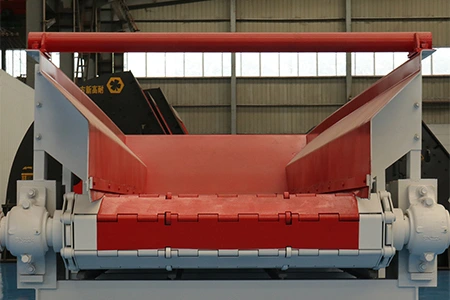
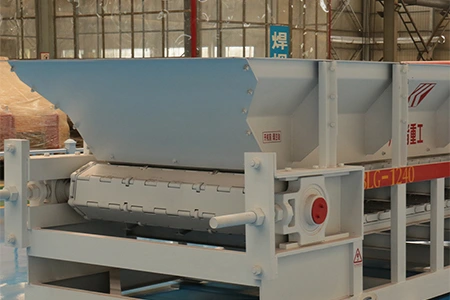
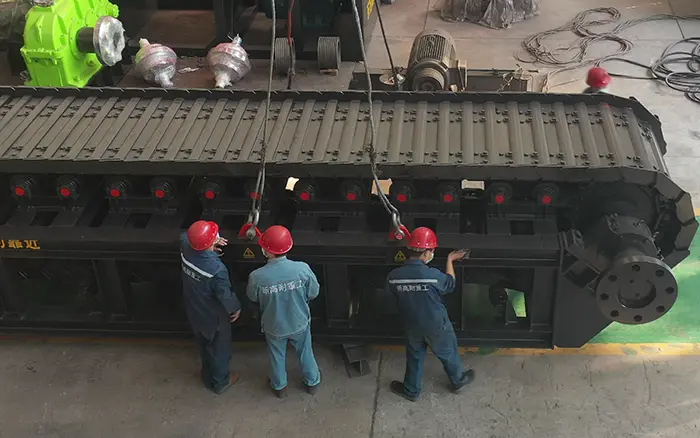
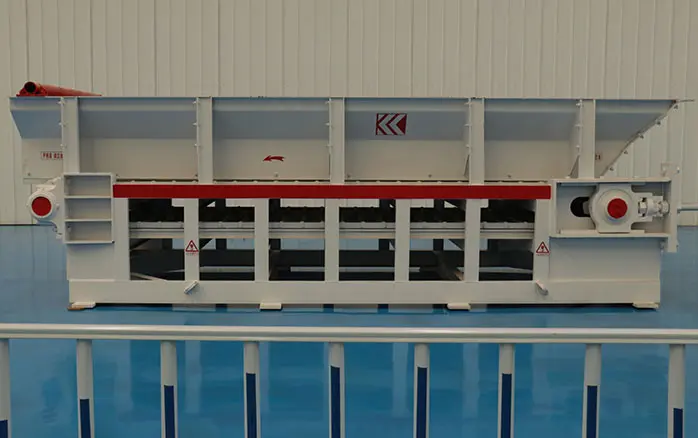
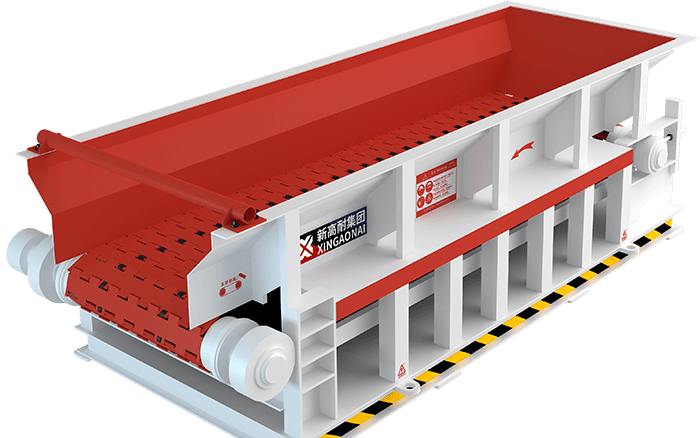
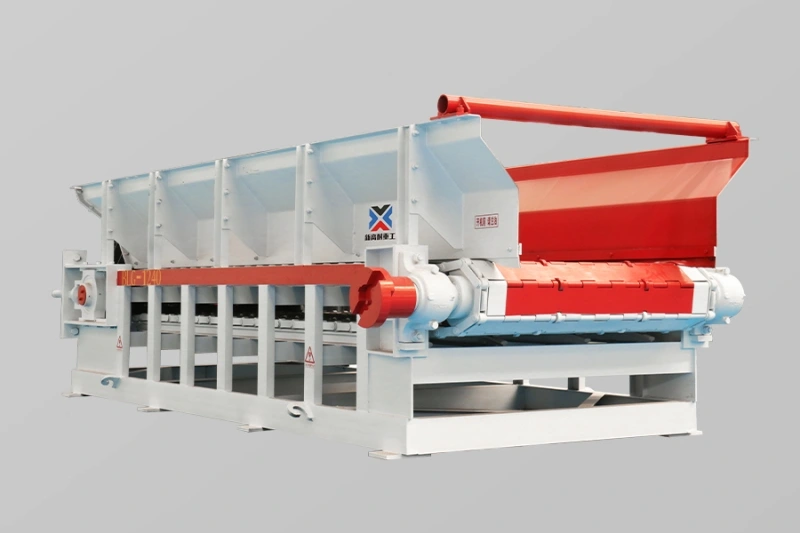
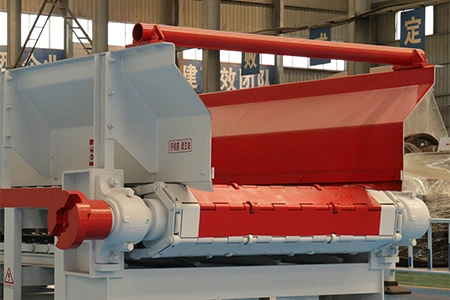
The BLG Series apron feeder is a heavy-duty feeding and conveying unit designed for the continuous handling of coarse and abrasive bulk materials. Installed beneath a hopper or storage bin, it delivers material to crushers and other downstream equipment at a stable and adjustable rate.

The series includes four models with pan widths ranging from 800 to 1,500 mm. Depending on the selected model, it can handle feed sizes up to 500 mm and provide a rated capacity of 200–800 t/h. It is suitable for mining, quarrying, aggregate production and mineral processing applications.

Key Advantages

Heavy-duty conveying system

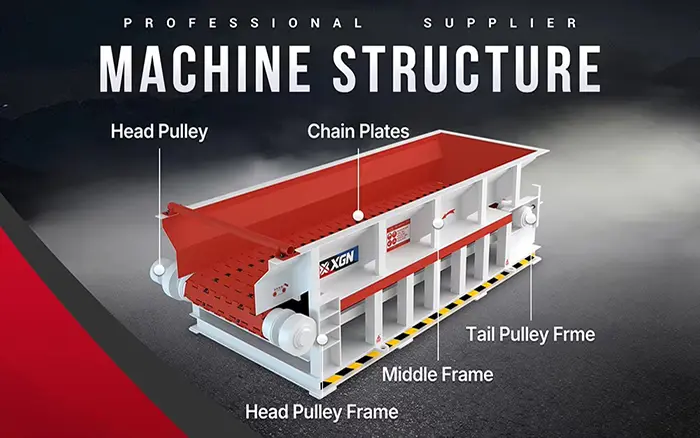
The heavy-duty chain-and-pan assembly provides strong traction and stable material conveying under continuous operating conditions.

Smooth and adjustable feeding

The variable-frequency drive enables smooth startup and adjustable operating speed, helping maintain a uniform feed rate for downstream equipment.

Suitable for coarse materials

With a maximum feed size of 500 mm, the BLG Series can handle coarse limestone, granite, iron ore and other bulk materials.

Convenient installation and maintenance

The compact drive arrangement simplifies installation and provides convenient access for routine inspection and maintenance.

Working Principle

Working Principle of Apron Feeder
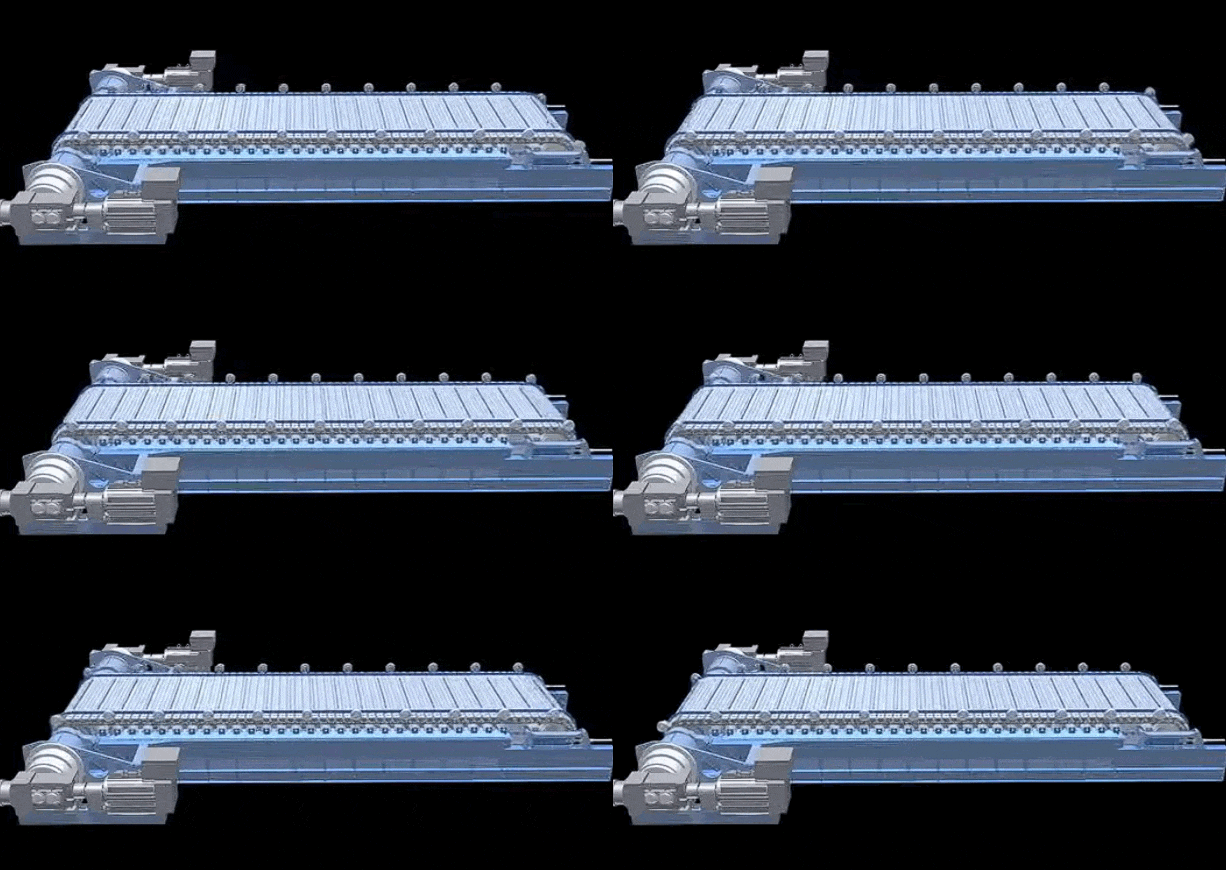
Material enters the apron feeder from the hopper and falls onto a series of overlapping steel pans mounted on two parallel chains. The motor drives the head sprocket through the gearbox, causing the chains and pans to move continuously along the supporting frame. As the pans travel toward the discharge end, they carry the material evenly to the crusher or other downstream equipment. The feeding rate can be adjusted by changing the chain speed through the variable-frequency drive. After discharging the material, the empty pans return along the lower section of the frame, completing a continuous feeding cycle.

Technical Parameters

Model

Chain plate width

(mm)

Chain plate length

(mm)

Max feed size

(mm)

Motor power

(kw)

Capacity

(tph)

BLG-08408004000≤5007.5200-250
BLG-104010004000≤50011250-350
BLG-124012004000≤50015400-500
BLG-154015004000≤50018.5600-800


Need Help Choosing the Right Equipment?
Tell us your material type, maximum feed size, required capacity and final product specifications. Our engineers will recommend the right equipment model and process solution for your project.
Talk to an Engineer

Frequently Asked Questions

An apron feeder is a heavy-duty material handling device that uses overlapping steel pans (aprons) mounted on two parallel chains to convey bulk materials from a hopper or bin to a crusher or processing unit at a controlled rate. Its main advantages are: exceptional durability for handling large, sharp, and highly abrasive materials; the ability to handle very heavy surges from direct dumping by excavators or trucks; accurate feed rate control; and reliable operation in harsh outdoor mining environments.

An apron feeder is generally preferred when the material is coarse, dense, abrasive, wet or difficult to handle, or when the feeder must withstand heavy hopper loads and impact feeding conditions. It is also suitable when a stable, low-speed and adjustable feed rate is required. For the BLG Series, the maximum feed size must not exceed 500 mm.

The feed rate is controlled by adjusting the chain travel speed via a variable speed drive (VSD) on the drive motor. The feed rate (t/h) is a product of the pan width, material layer depth (controlled by the skirt board height), and chain speed. For precise metering, the apron feeder can be integrated with a weightometer and PLC system to maintain a target tonnage automatically.

The service life of the pans and chains depends on material abrasiveness, feed size, hopper load, operating hours and maintenance conditions. Regular inspection of chain tension, pan condition, sprockets and drive components helps prevent unexpected downtime. Inspection and replacement intervals should follow the equipment manual and actual site conditions.

Apron feeders are large, heavy machines — typical installations require a reinforced concrete pit or elevated steel structure to accommodate the inclined or horizontal pan conveyor beneath the feed hopper. The structure must be designed to handle both the static weight of the feeder plus material load and the dynamic impact forces from material dumping. Xingaonai provides detailed foundation load drawings, anchor bolt layouts, and installation guidance as part of the equipment delivery package.

Related Blogs

Send message

Please enter your name
Please enter your email
Please enter your message