Auxiliary Equipment

Vibrating Feeder

CAPACITY

80-3000 t/h

FEED SIZE

200-1600 mm
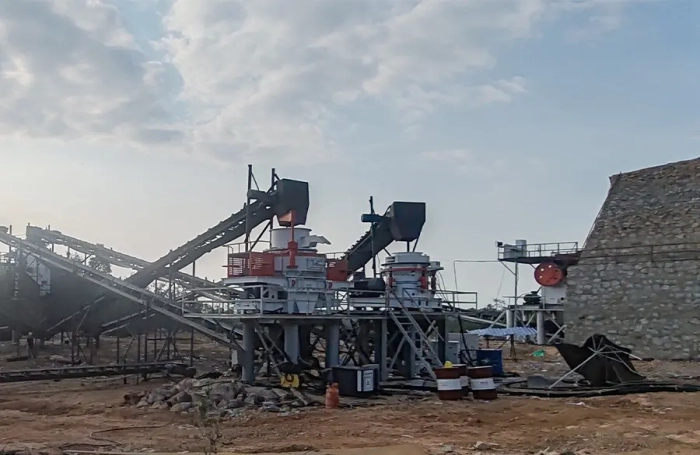
Application areas:Controlled feeding and optional pre-screening in aggregate plants, quarries, mines, mineral-processing facilities and primary crushing systems.
Applicable materials:Limestone, granite, basalt, river stone, iron ore, copper ore, coal gangue and other bulk rock or ore materials. Final suitability depends on lump size, bulk density, abrasiveness, moisture, clay content and hopper load.
Product Overview

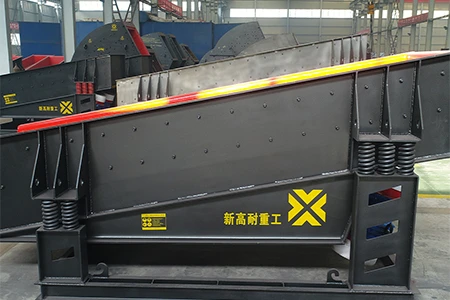
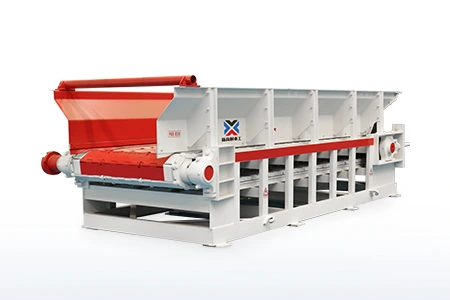
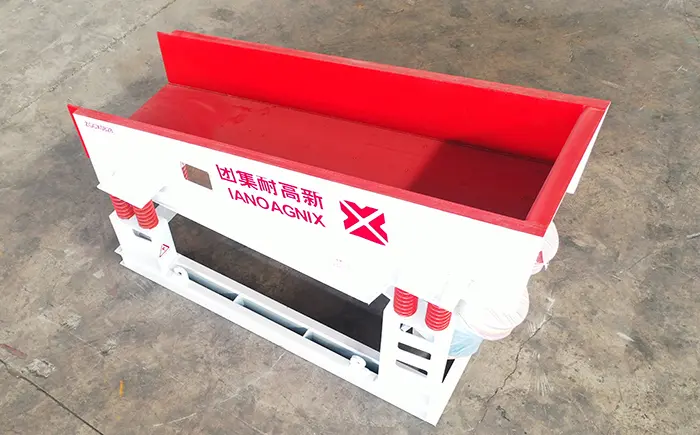
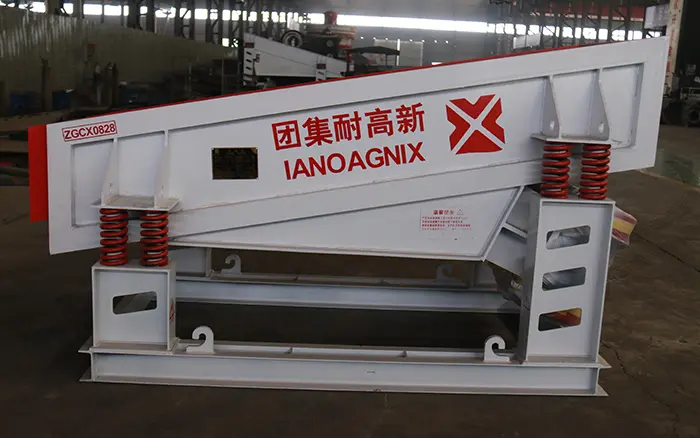
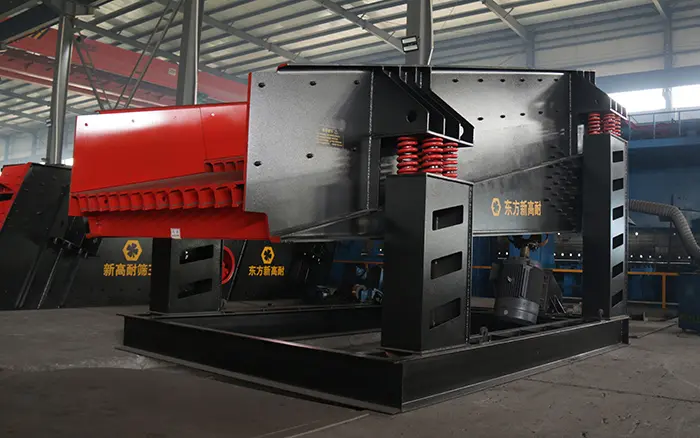
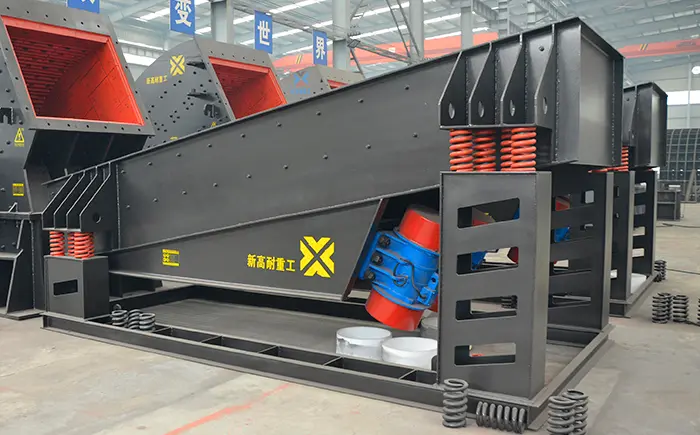
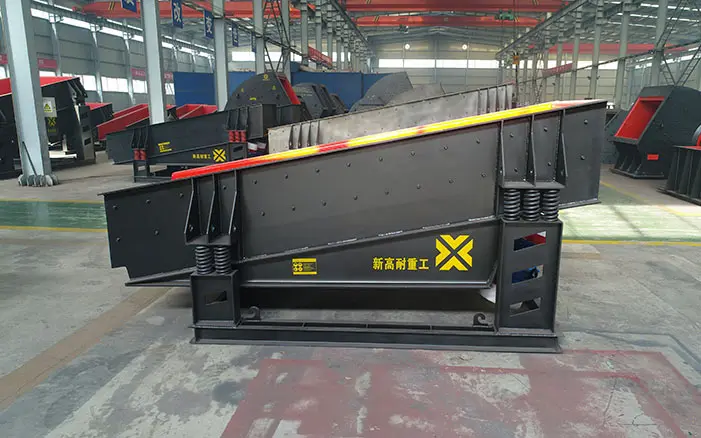
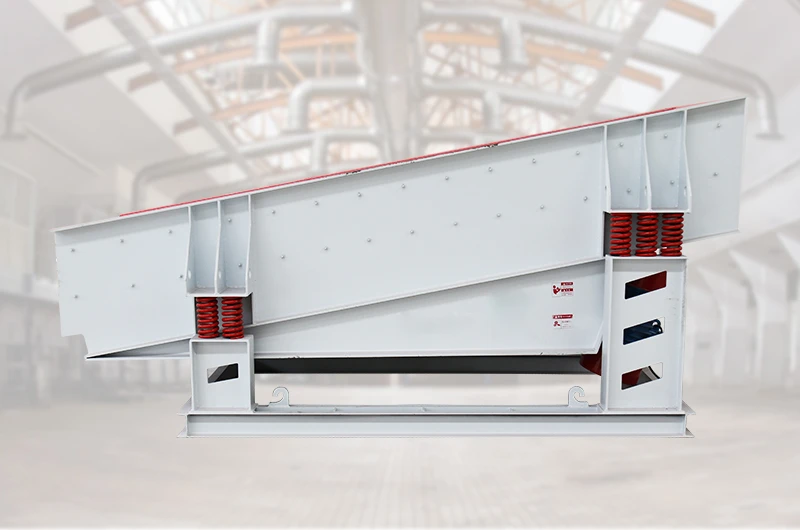
The ZG Series Vibrating Feeder is designed to transfer bulk rock and ore from a hopper or storage bin to a crusher, conveyor or screening machine at a controlled and continuous rate. Stable feeding helps reduce surge loading and match the feed rate to downstream equipment capacity.

The current range includes ZGCX, ZGCW and ZGXG model configurations, with maximum feed sizes from 200 to 1,600 mm and reference capacities from 80 to 3,000 t/h, depending on the selected model.

Selected configurations can combine feeding with preliminary screening. When the covering liners above the grizzly section are removed, fines and smaller particles can pass through the openings and bypass the primary crusher, helping reduce unnecessary crushing load.

Actual capacity depends on material bulk density, lump-size distribution, moisture and clay content, hopper pressure, trough inclination, vibration settings and downstream operating conditions.

Key Advantages

Feeding and Pre-Screening in One Machine

Selected models can be configured with a grizzly section for preliminary screening. Fines and smaller particles pass through the openings, while larger material continues toward the primary crusher.

Adjustable Feeding Rate

The feeding rate can be adjusted by changing the excitation force and, where an optional variable-frequency drive is installed, by controlling motor speed. Eccentric-weight adjustment must be carried out according to the operating manual and generally requires the machine to be stopped.

Twin-Motor Linear Vibration

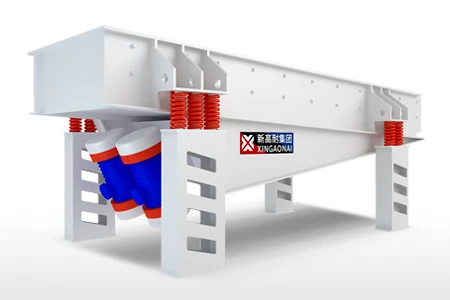
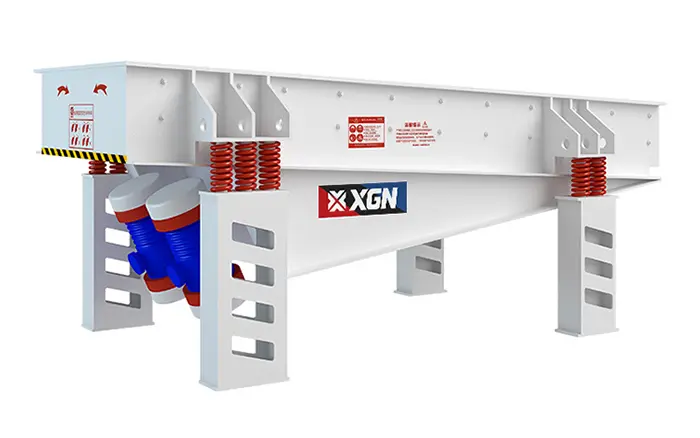
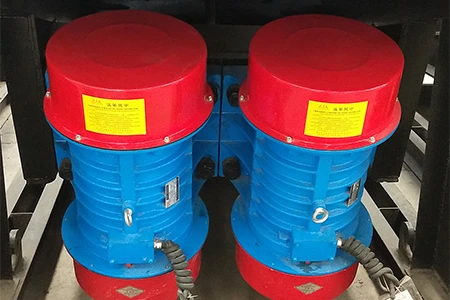
The listed ZG feeder models use twin vibration motors to generate linear trough motion. The motor arrangement provides stable material movement and allows the feeder to operate without a separate mechanical transmission system.

Multiple Model Configurations

The range covers trough widths from 850 to 2,500 mm, maximum feed sizes from 200 to 1,600 mm and reference capacities from 80 to 3,000 t/h. Model selection should be based on material conditions, hopper design and downstream equipment capacity.

Replaceable Wear Protection

Replaceable liners can be installed in the hopper impact and feeding areas according to material abrasiveness and impact load, helping protect the feeder trough and simplify wear-part maintenance.

Configurable for Different Plant Layouts

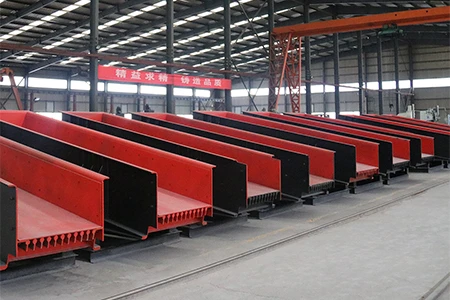
Different trough sizes, grizzly arrangements and installation configurations are available for under-hopper feeding, primary crusher feeding and pre-screening applications.

Working Principle

Working Principle of Vibrating Feeder
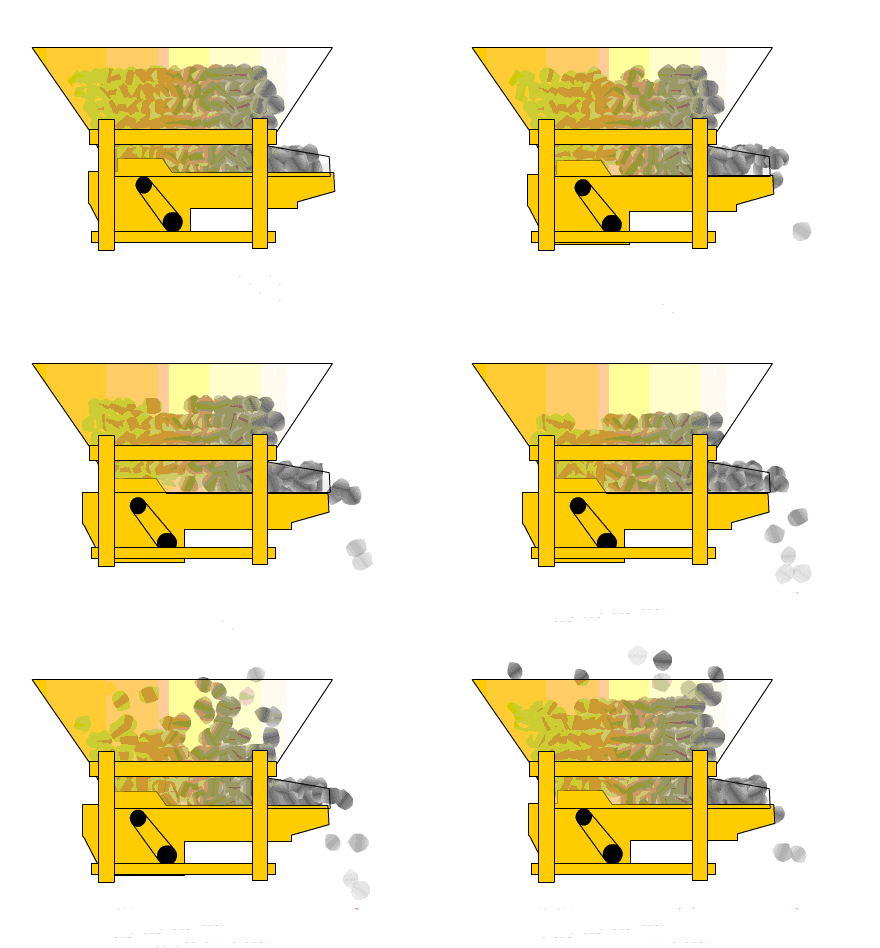
The ZG Series Vibrating Feeder uses two vibration motors mounted on the feeder trough as the excitation source. The motors rotate in opposite directions, causing the transverse components of the excitation forces to cancel while the forces in the feeding direction combine. This produces linear vibration in the spring-supported trough. Material enters the feeder from the hopper and is repeatedly lifted and moved forward by the vibrating trough. The continuous linear motion delivers the material to the downstream crusher, conveyor or screening machine at a controlled rate. On models equipped with a grizzly section, fines and smaller particles pass through the openings before reaching the primary crusher, while larger material continues along the trough to the discharge end. The feeding rate depends on excitation force, motor frequency where a VFD is installed, trough inclination, material bed depth and hopper load. Uniform hopper discharge and correct feeder sizing are important for stable operation.

Technical Parameters

Model

Trough Size

(mm)

Feed size

(mm)

Capacity

(t/h)

Motor model

Motor power

(kW)

ZGCX0938900x3800≤500150-200YZU-40-63.7x2
ZGCX10381000x3800≤500160-210YZU-40-63.7x2
ZGCX12381200x3800≤750250-380YZU-65-64.2x2
ZGCX12501200x5000≤750250-380YZU-100-67.5x2
ZGCX15381500x3800≤1000400-500YZU-85-65.5x2
ZGCX15501500x5000≤1000400-600YZU-120-610x2
ZGCX20382000x3800≤1200500-800YZU-120-610x2
ZGCX20502000x5000≤1200800-1200Y180L-615x2
ZGCX25602500x6000≤16002000-3000YE2-250M-637x2
ZGCW0928850x2800≤50080-120YZU-40-63x2
ZGCW10281000x2800≤600150-200YZU-40-63x2
ZGCW12281200x2800≤700220-300YZU-50-63.7x2
ZGCW13281255x2800≤750250-300YZU-50-63.7x2
ZGCW14281350x2800≤800260-320YZU-75-65.5x2
ZGCW15281500x2800≤1000300-400YZU-75-65.5x2
ZGCW20282000x2800≤1200500-800YZU-100-67.5x2
ZGXG10201000x2000≤200150-250YZH-20-61.5x2
ZGXG12201200x2000≤200250-350YZH-30-62.2x2
ZGXG14201400x2000≤200400-600YZU-30-63x2
Need Help Choosing the Right Equipment?
Tell us your material type, maximum feed size, required capacity and final product specifications. Our engineers will recommend the right equipment model and process solution for your project.
Talk to an Engineer

Frequently Asked Questions

A vibrating feeder transfers raw material from a hopper to a primary crusher, conveyor or screening machine at a controlled and continuous rate. It helps reduce surge loading and match the material flow to downstream equipment capacity.

Across the listed model range, reference capacities range from 80 to 3,000 t/h, and the maximum permitted feed size ranges from 200 to 1,600 mm. The applicable values depend on the selected model and material conditions.

Selected configurations can be equipped with a grizzly section. When the grizzly openings are exposed, fines and smaller particles pass through before the larger material is discharged to the primary crusher. The available arrangement must be confirmed for the selected model.

The feed rate can be changed by adjusting the excitation force. On models equipped with an optional variable-frequency drive, motor frequency can also be adjusted from the control system. Eccentric-weight adjustment should be performed only according to the operating manual.

A vibrating feeder conveys material through trough vibration and can provide preliminary screening when fitted with a grizzly section. An apron feeder uses overlapping steel pans driven by chains and is generally selected for high hopper loads, severe impact and highly abrasive or sharp material. Selection should be based on lump size, hopper pressure, abrasiveness, moisture and required capacity.

Routine maintenance includes inspecting the trough and liners, checking vibration motors and mounting bolts, examining springs, monitoring bearing temperature and noise, and removing material buildup around the grizzly openings. Lubrication and inspection intervals should follow the operating manual and actual site conditions.

Explore Our Projects

Related Blogs

Send message

Please enter your name
Please enter your email
Please enter your message