Sand is one of the most important raw materials used in construction, concrete production, road building, glass manufacturing, and industrial applications. However, raw sand extracted from rivers, quarries, mines, or manufactured sand production lines often contains clay, silt, dust, organic matter, and other contaminants. These impurities can significantly reduce the quality and performance of the final product.
Sand washing is the process of removing unwanted fine particles and contaminants to produce clean, high-quality sand that meets engineering and industrial specifications. Whether you are producing concrete sand, manufactured sand (M-sand), silica sand, or foundry sand, proper washing is essential to maximize product value and ensure consistent quality.
This guide explains why wash sand before use, the problems caused by contaminated sand, common washing methods, equipment selection, and best practices for improving sand quality.
Why Does Raw Sand Contain Clay, Silt & Dust?
Natural and manufactured sands are exposed to different geological and production conditions.
Common sources of contamination include:
Clay minerals attached to sand particles
Fine silt generated during weathering
Crushing dust from manufactured sand
Organic matter from river deposits
Soil contamination during mining
Fine rock powder from quarry operations
The amount of contamination depends on the sand source, mining method, and processing technology.
Why Is Sand Washing Important?
Removing impurities improves both the physical properties and commercial value of sand.
The main objectives of sand washing include:
Removing clay coatings
Eliminating silt and dust
Reducing organic contaminants
Improving particle cleanliness
Enhancing grading consistency
Meeting construction specifications
Clean sand performs better in nearly every downstream application.
Problems Caused by Clay, Silt & Dust Contamination
Contaminated sand can negatively affect construction quality, production efficiency, and equipment performance.
Reduced Concrete Strength
Clay and silt create weak bonding between cement paste and aggregates.
This can result in:
Higher Water Demand
Fine clay particles absorb water, increasing the amount of water needed during concrete mixing.
Excessive water can reduce concrete strength and increase shrinkage.
Poor Workability
Contaminated sand affects the consistency of fresh concrete and mortar, making placement and finishing more difficult.
Lower Product Quality
For industrial applications such as glass, foundry molds, and silica processing, impurities can reduce product purity and increase manufacturing defects.
Equipment Wear and Blockage
Clay-rich materials may adhere to processing equipment, causing:
Benefits of Washing Sand Before Use
Proper sand washing provides numerous technical and economic advantages.
Improved Aggregate Quality
Removing contaminants produces cleaner sand with more consistent particle characteristics.
Benefits include:
Better grading
Lower fines content
Improved cleanliness
Higher market value
Stronger Concrete and Mortar
Clean sand improves the bond between cement and aggregates, resulting in:
Compliance with Industry Standards
Many construction projects require washed sand that meets standards for:
Proper washing helps producers meet these specifications consistently.
Increased Plant Efficiency
Clean feed materials improve the performance of downstream equipment such as:
Reduced contamination also lowers maintenance requirements.
Higher Product Value
Washed sand generally commands a higher market price than unwashed material due to its superior quality and wider range of applications.
Common Sand Washing Methods
Different washing techniques are used depending on material characteristics and production requirements.
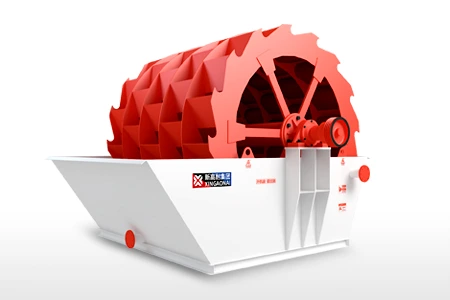
Wheel Sand Washer
Wheel sand washers are commonly used for medium and coarse sand.
Advantages include:
Applications:
River sand
Construction sand
Manufactured sand
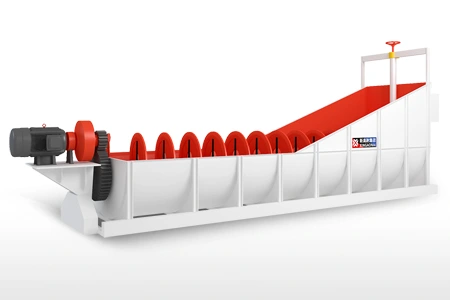
Spiral Sand Washer
Spiral washers provide longer washing time and stronger cleaning action.
Suitable for:
Advantages:
Log Washer
Log washers are designed for heavily contaminated materials.
Applications include:
Clay-bound aggregates
Crushed stone
Weathered ores
They use rotating shafts with paddles to break down stubborn clay before washing.
Hydrocyclone Sand Washing System
Hydrocyclones separate fine particles using centrifugal force.
Benefits include:
Efficient fines classification
High recovery of usable sand
Reduced water consumption
Compact plant layout
Hydrocyclones are often combined with dewatering screens in modern sand washing plants.
Attrition Scrubber
Attrition scrubbers remove surface coatings by causing intense particle-to-particle friction.
Typical applications:
Typical Sand Washing Process
A modern sand washing plant generally follows these steps:
Raw Sand
↓
Feeding
↓
Screening
↓
Sand Washing
↓
Hydrocyclone Classification (Optional)
↓
Dewatering Screen
↓
Stockpiling
Water recycling systems are commonly integrated to reduce fresh water consumption.
Equipment Used in a Sand Washing Plant
A complete sand washing plant may include:
Vibrating feeder
Vibrating screen
Wheel sand washer
Spiral sand washer
Hydrocyclone
Attrition scrubber
Dewatering screen
Thickener
Sludge treatment system
Belt conveyors
Water recycling system
Equipment selection depends on feed material, required capacity, and final product specifications.
Applications of Washed Sand
Clean sand is widely used across many industries.
Typical applications include:
Different industries require different levels of cleanliness and particle grading.
Factors to Consider When Designing a Sand Washing Plant
Several factors influence plant design and equipment selection.
Sand Source
Material characteristics differ between:
River sand
Manufactured sand
Crushed stone sand
Sea sand
Silica sand
Each source may require a different washing solution.
Clay Content
Higher clay levels generally require more intensive washing equipment, such as spiral washers or log washers.
Required Product Quality
The target application determines acceptable limits for:
Water Availability
Modern plants often incorporate water recycling systems to reduce fresh water consumption and operating costs.
Plant Capacity
Equipment size should match production requirements while allowing room for future expansion.
Environmental Considerations
Modern sand washing plants should minimize environmental impact through:
These systems help reduce operating costs while meeting environmental regulations.
Conclusion
Washing sand before use is essential for producing high-quality aggregates that meet modern construction and industrial standards. By removing clay, silt, dust, and other contaminants, sand washing improves concrete strength, enhances product consistency, protects processing equipment, and increases the market value of the finished material.
The most suitable washing solution depends on the characteristics of the raw sand, the required product quality, production capacity, and water availability. Whether processing natural river sand, manufactured sand, or industrial silica sand, selecting the right sand washing equipment and designing an efficient washing circuit are key to achieving reliable, cost-effective, and sustainable operations