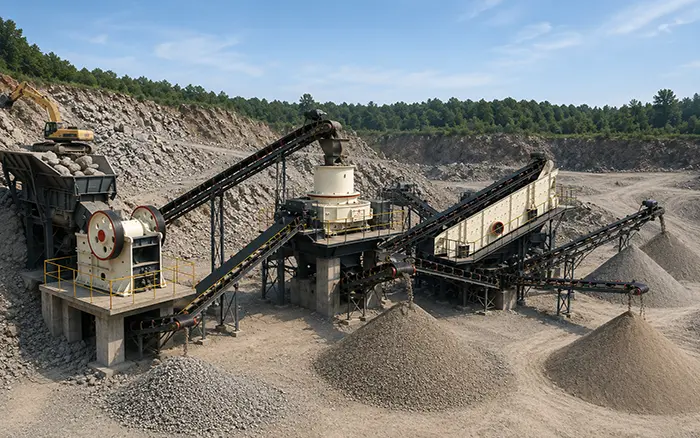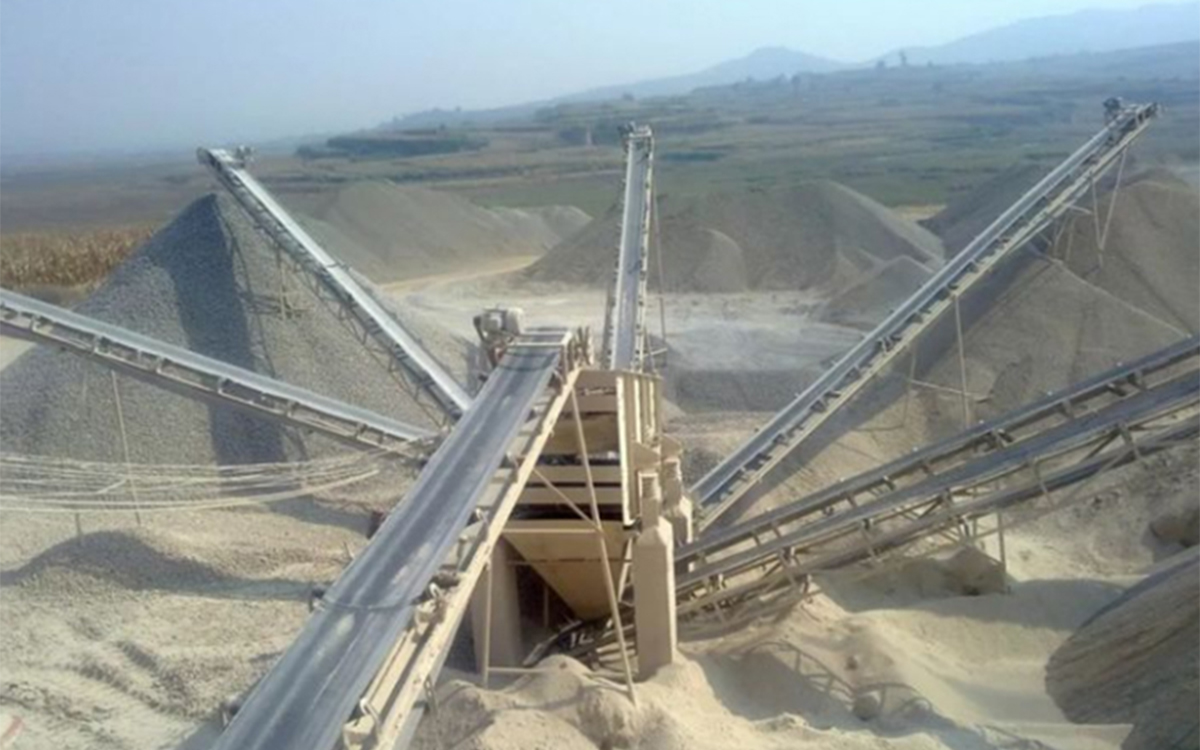
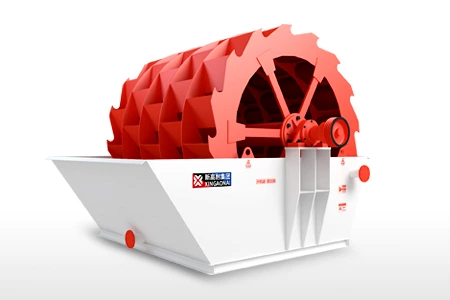
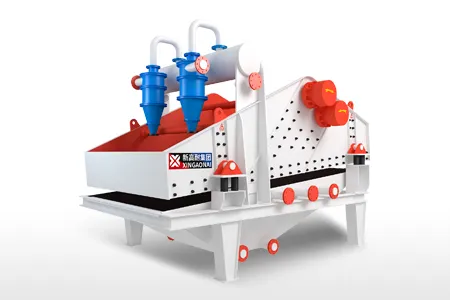
Manufactured sand quality cannot be judged by particle size or appearance alone. Sand that looks clean may still have unsuitable grading, harmful clay contamination, unstable moisture, weak parent rock, or excessive variation between production batches.
Likewise, there is no single set of limits that applies to every country and every application. Concrete, mortar, asphalt, road base, precast products, and drainage materials may follow different specifications and test methods.
A reliable manufactured sand quality-control program should evaluate:
Parent-rock quality
Particle-size distribution
Fineness modulus
Fine-particle characteristics
Clay and silt contamination
Particle shape and surface texture
Harmful chemical constituents
Durability
Moisture variation
Finished-product consistency
Performance in concrete or mortar trial mixes
This guide explains what should be tested, why each property matters, and how producers can adjust the manufacturing process when results fall outside the project specification.

Which Standards Apply to Manufactured Sand?
Manufactured sand should be evaluated according to the standard specified by the project owner, engineer, purchaser, or local authority.
Common references include:
| Market or application | Example reference | Main purpose |
|---|---|---|
| China | GB/T 14684-2022, Sand for Construction | Classification, technical requirements and testing of construction sand |
| North American concrete | ASTM C33/C33M, Concrete Aggregates | Grading and quality requirements for fine and coarse concrete aggregates |
| International concrete projects | ISO 19595 or applicable national standards | Properties and requirements for aggregates used in concrete |
| Roads and asphalt | National or project road specifications | Gradation, durability, angularity and harmful-material requirements |
| Mortar and plaster | Local mortar or masonry specifications | Fine grading, workability and contaminant control |
ASTM C33/C33M allows fine aggregate to consist of natural sand, manufactured sand, or a combination of the two. However, this does not mean that every manufactured sand product automatically complies with the standard.
The producer should confirm:
Which standard and edition are written into the contract
Which laboratory test methods are required
Whether project-specific limits are stricter than the general standard
Whether performance testing or trial mixes are also required
Avoid copying individual limits from one standard into a project governed by another standard.
1. Parent-Rock Quality
Manufactured sand inherits many of its properties from the rock used to produce it. A well-designed sand-making plant cannot completely correct unsuitable mineral composition or weak, weathered raw material.
The source rock should be checked for:
Strength and resistance to breakdown
Weathering and soft particles
Clay-bearing seams
Mica or other undesirable minerals
Sulfide minerals
Chloride or salt contamination
Potential alkali–aggregate reactivity
Variability across different quarry sections
Suitable parent rocks may include granite, basalt, limestone, quartzite and other durable materials, but suitability must be verified rather than assumed from the rock name.
When the quarry face or raw-material source changes, new samples should be tested before the material is blended into normal production.
2. Particle-Size Distribution and Fineness Modulus
Particle-size distribution describes how much material is retained on or passes through each test sieve. It affects workability, water demand, void content, pumping performance and finished-product stability.
Manufactured sand should have a reasonably continuous grading without excessive gaps between particle fractions.
Important checks include:
Percentage retained on each specified sieve
Material passing the finest specified sieve
Maximum particle size
Fineness modulus
Variation between different production batches
Compatibility with the coarse aggregate grading
There is no universal “best” fineness modulus for every application. The acceptable range depends on the governing specification, concrete mix, mortar type and available coarse aggregate.
A result within the specified range can still create performance problems if the grading fluctuates significantly between deliveries. Consistency is therefore as important as a single compliant test result.
3. Stone Powder, Silt and Clay Content
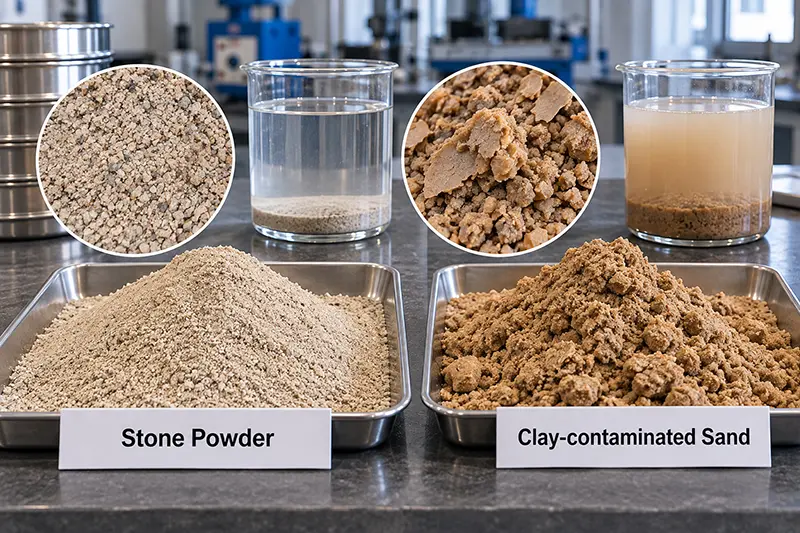
One of the most common mistakes is treating all material passing a fine sieve as clay.
Manufactured sand may contain finely crushed particles from the same parent rock. These mineral fines are different from clay contamination.
Stone powder
Stone powder consists mainly of very fine crushed-rock particles. A controlled amount may help fill voids and improve particle packing, depending on mineral composition and mix design.
Excessive or unstable stone powder may:
Increase water demand
Change admixture demand
Reduce workability
Increase drying shrinkage
Cause inconsistent concrete performance
Clay and silt contamination
Clay can coat aggregate particles and interfere with the bond between aggregate and cement paste. Some clay minerals can also absorb water or chemical admixtures.
Relevant evaluation may include:
Material passing the specified fine sieve
Sand equivalent
Methylene blue or an equivalent clay-contamination test
Clay lumps and friable particles
Petrographic or mineralogical examination when necessary
The selected test method and acceptance limit must match the applicable standard.
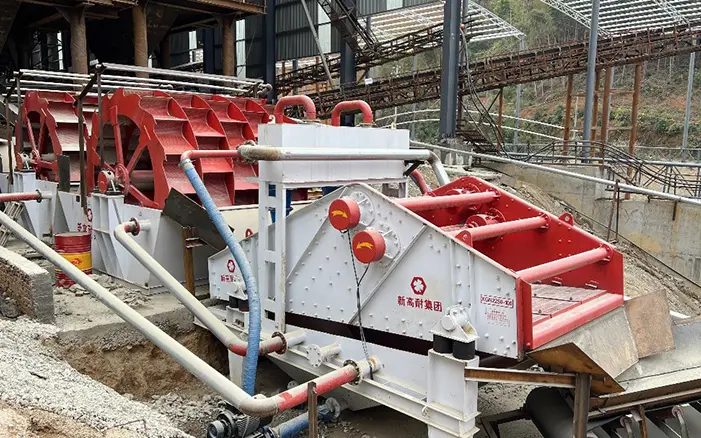
Washing should not be used as the only quality-control strategy. Producers should first identify whether the problem is useful rock fines, harmful clay, or a grading imbalance.
For more detail, see why sand washing is important.
4. Particle Shape and Surface Texture
Particle shape affects workability, packing, water demand and bonding performance.
Poorly controlled crushing may produce excessive:
Flat particles
Elongated particles
Sharp, irregular fragments
Extremely rough particles
Oversized chips
A well-designed shaping stage can produce more cubical particles and a more stable finished product.
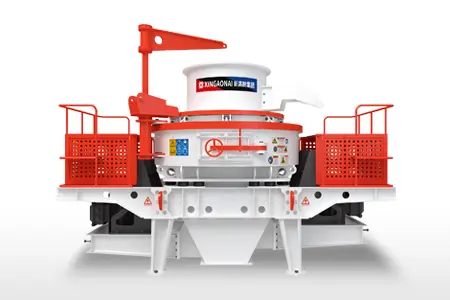
A VSI vertical shaft impact crusher is often used to improve particle shape in manufactured sand production. However, the final result also depends on feed size, rotor speed, circulation load, screening efficiency and the characteristics of the parent rock.
Particle shape should be evaluated with the method specified for the project rather than by visual judgment alone.
5. Strength and Durability
Manufactured sand should remain stable during handling, mixing and long-term service.
Depending on the application and standard, testing may include:
Soundness
Resistance to abrasion or breakdown
Crushing or strength-related indicators
Freeze–thaw durability
Water absorption
Petrographic examination
Alkali–aggregate reactivity
The required tests differ between concrete, asphalt, pavement base and mortar applications.
A single compressive-strength value for the source rock is not enough to confirm that the finished sand will be suitable. Mineral composition, weathering, particle shape and durability should also be considered.
6. Harmful Constituents
Manufactured sand should not contain harmful quantities of substances that can reduce strength, interfere with cement hydration, cause corrosion or create durability problems.
Possible harmful constituents include:
Chlorides
Sulfates and sulfides
Organic impurities
Coal and lignite
Soft or friable particles
Reactive silica
Mica
Clay lumps
Lightweight contaminants
The acceptable limit depends on the test method, exposure condition and project standard.
For example, reinforced concrete exposed to marine or chloride environments may require stricter chloride control than unreinforced general-purpose concrete. Limits should therefore be connected to the actual application rather than presented as universal manufactured-sand values.
7. Moisture Content
Moisture is sometimes overlooked because it does not directly describe the mineral quality of the sand. However, unstable moisture can cause major problems in batching.
Moisture variation affects:
Actual water added to concrete
Water-to-binder ratio
Slump and workability
Batch weight
Storage and transportation
Belt and hopper flow
Dust or material sticking
There is no universal moisture percentage that defines excellent manufactured sand.
The objective is to measure moisture regularly, maintain reasonable consistency and compensate for free water during concrete batching.
After wet washing, sufficient dewatering and stockpile drainage should be provided before the finished sand is supplied.
8. Batch-to-Batch Consistency
One laboratory sample cannot represent long-term production quality.
A stable manufactured sand product should show limited variation in:
Grading
Fineness modulus
Fine-particle content
Clay indicator
Moisture
Particle shape
Parent-rock composition
Variation may be caused by:
Changes in quarry material
Crusher wear
Screen damage or blockage
Incorrect crusher settings
Unstable circulating load
Changes in washing-water flow
Loss of fine sand
Mixing material from different stockpiles
Quality-control results should be recorded over time so that changes can be identified before non-compliant material reaches the customer.
Recommended Manufactured Sand Testing Plan
The exact plan should follow the contract and applicable standard, but a practical quality-control system may contain the following stages:
| Stage | Recommended checks | Purpose |
|---|---|---|
| Raw-material approval | Mineral composition, weathering, harmful minerals and source consistency | Confirm that the parent rock is suitable |
| Start-up inspection | Grading, fines, moisture and particle shape | Verify plant settings before normal production |
| Routine production control | Sieve analysis, fineness modulus, moisture and fine-particle indicators | Monitor daily product consistency |
| Periodic laboratory testing | Durability, harmful substances and strength-related properties | Confirm continuing compliance |
| Source or process change | Repeat relevant qualification tests | Evaluate the effect of new rock or plant settings |
| Application verification | Concrete, mortar or asphalt trial testing | Confirm performance in the final material |
Testing frequency should be based on production volume, material variability, customer requirements and the project quality plan.
How to Correct Manufactured Sand Quality Problems
Testing should lead to process adjustments. Common corrective actions include:
Grading is too coarse
Possible actions:
Adjust the sand-making machine
Increase recirculation of oversized material
Change screen openings
Blend controlled fine fractions
Excessive or unstable fines
Possible actions:
Stabilize feed and crusher settings
Repair damaged screens
Adjust air classification
Control washing-water flow
Improve fine-sand recovery
Excessive clay contamination
Possible actions:
Separate contaminated quarry zones
Pre-screen or scrub the raw material
Add an appropriate washing stage
Prevent contaminated stockpile runoff
Poor particle shape
Possible actions:
Adjust feed size
Optimize crusher speed and load
Add or improve the shaping stage
Maintain worn internal components
Increase closed-circuit processing
Unstable moisture
Possible actions:
Improve dewatering
Extend stockpile drainage time
Separate newly washed material
Install routine moisture measurement
Correct batch water at the concrete plant
For the complete production and qualification process, see how to produce manufactured sand for concrete.
Why Trial Mixes Are Still Necessary
Passing aggregate tests does not automatically guarantee satisfactory concrete or mortar performance.
Manufactured sand can affect:
Water demand
Admixture dosage
Slump retention
Pumpability
Bleeding
Segregation
Surface finish
Compressive strength
Drying shrinkage
Durability
Before replacing natural sand or changing manufactured sand sources, conduct representative trial mixes using the proposed cement, supplementary cementitious materials, coarse aggregate and admixtures.
The final acceptance decision should combine aggregate test results with application performance.
For a broader material-selection comparison, read manufactured sand vs natural sand.
Common Manufactured Sand Quality-Control Mistakes
Avoid these common mistakes:
Using one universal specification for every country
Copying limits without identifying the test method
Treating all fine particles as harmful clay
Assuming washed sand automatically complies
Checking grading but ignoring batch variation
Ignoring changes in the quarry face
Accepting material based only on appearance
Using outdated standard editions
Omitting concrete or mortar trial mixes
Changing production settings without retesting
Conclusion
High-quality manufactured sand is not defined by one fixed particle size, moisture level or fines percentage.
It is produced through controlled raw-material selection, crushing, shaping, screening, classification and, when required, washing. Its suitability must then be verified through standardized sampling, laboratory testing, consistent production records and application trial mixes.