Construction and demolition waste is increasing worldwide, making concrete recycling an essential part of sustainable construction. Instead of transporting demolished concrete to landfills, contractors can process it directly on-site using a mobile crusher, reducing disposal costs while producing valuable recycled aggregates.
This guide explains how to recycle concrete with a mobile crusher, including the complete process, equipment selection, operating tips, and the benefits of mobile crushing technology.
Why Recycle Concrete?
Concrete is one of the most widely used construction materials, and demolished concrete still contains high-quality aggregates that can be reused.
Recycling concrete helps contractors:
Reduce landfill waste
Lower transportation costs
Save natural aggregate resources
Produce recycled aggregates for new projects
Reduce carbon emissions
Improve project sustainability
With a mobile concrete crusher, much of this recycling can be completed directly at the demolition site.
What Is a Mobile Crusher?
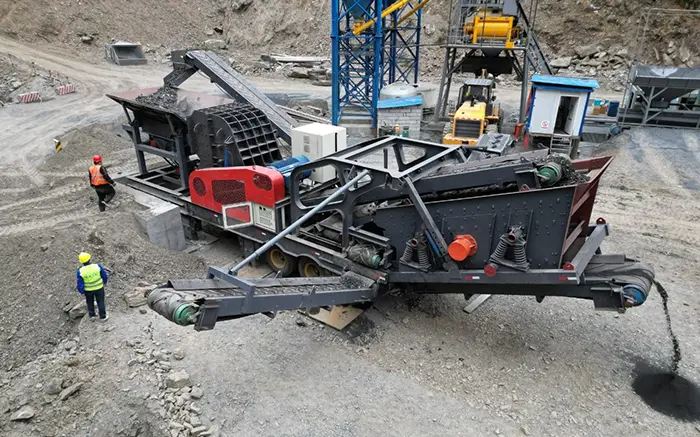
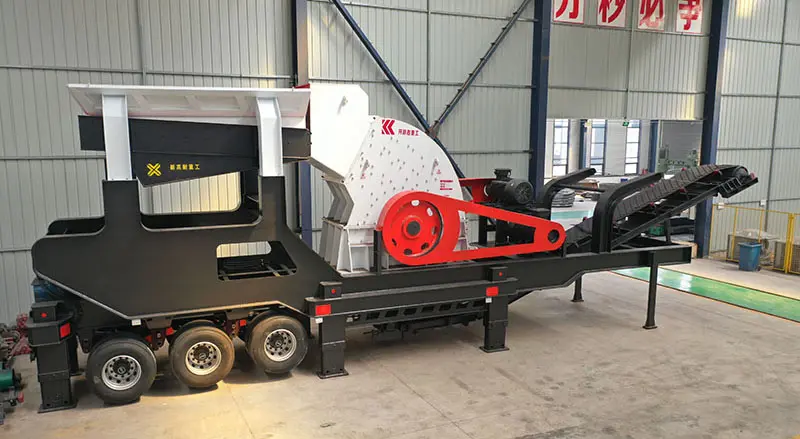
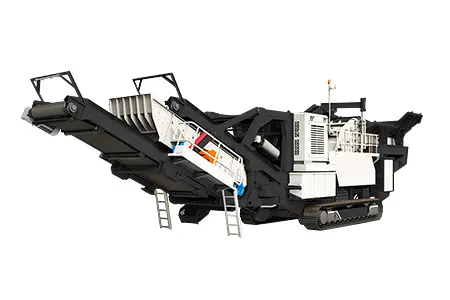
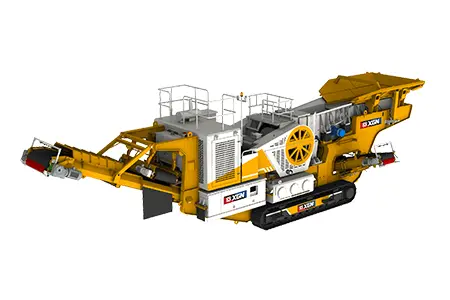
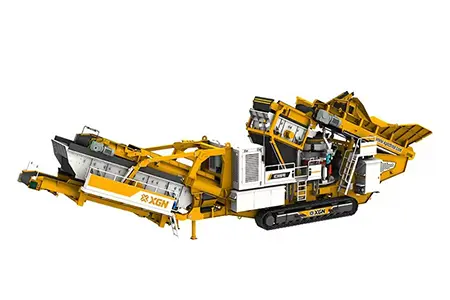
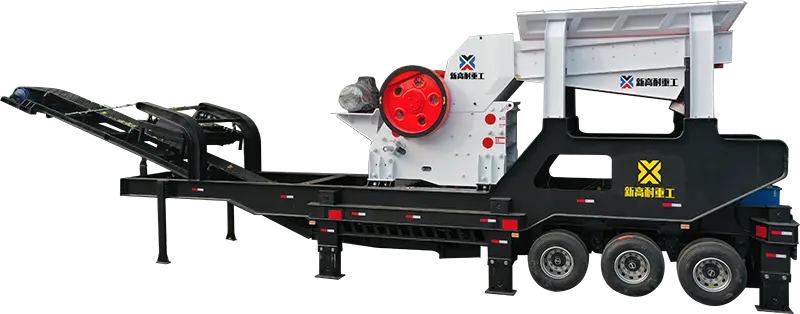
A mobile crusher is a crushing plant mounted on tracks or wheels. Unlike a stationary crushing plant, it can move directly to demolition or construction sites, allowing concrete to be processed where it is generated.
A typical mobile crushing plant may include:
Mobile jaw crusher for primary crushing
Mobile impact crusher for secondary crushing and shaping
Mobile cone crusher for hard recycled materials
Vibrating feeder
Vibrating screen
Magnetic separator for steel removal
Belt conveyors
This integrated system significantly improves recycling efficiency while minimizing material handling.
Step-by-Step Process to Recycle Concrete with a Mobile Crusher
1. Collect and Sort Concrete Waste
Begin by separating concrete from other demolition materials such as:
Wood
Plastic
Asphalt
Glass
Gypsum
Household waste
Cleaner feed material results in higher-quality recycled aggregate and reduces equipment wear.
2. Remove Reinforcing Steel
Most demolished concrete contains reinforcing bars or wire mesh.
A magnetic separator installed after the crusher automatically removes steel, while oversized reinforcing bars should be removed manually before crushing to protect the equipment.
Recovered steel can also be sold as recyclable scrap.
3. Feed Material into the Mobile Crusher
A vibrating feeder delivers concrete evenly into the crusher.
Depending on feed size, operators commonly use:
Mobile jaw crusher for large concrete blocks
Mobile impact crusher for medium-sized demolition waste
Combination crushing plant for higher production capacity
Uniform feeding helps maintain stable production and reduces machine wear.
4. Crush the Concrete
The crusher breaks concrete into smaller particles.
The selected crusher depends on the project requirements:
| Crusher Type | Best Application |
|---|---|
| Mobile Jaw Crusher | Primary crushing of large concrete chunks |
| Mobile Impact Crusher | Produces well-shaped recycled aggregates |
| Mobile Cone Crusher | Secondary crushing of hard recycled concrete |
Impact crushers are particularly popular because they produce cubical aggregates suitable for road construction and concrete production.
5. Screen the Crushed Material
After crushing, a vibrating screen separates aggregates into different sizes, such as:
0–5 mm
5–10 mm
10–20 mm
20–40 mm
Oversized material is automatically returned to the crusher for further crushing through a closed-circuit system.
This improves aggregate quality and minimizes waste.
6. Remove Metal Contaminants
Even after primary steel removal, smaller metal pieces may remain.
A magnetic separator removes residual ferrous materials to improve recycled aggregate quality and protect downstream equipment.
7. Reuse the Recycled Aggregate
The finished recycled aggregates can be used in numerous applications, including:
Road base construction
Highway sub-base
Parking lots
Sidewalk foundations
Drainage layers
Backfill material
New concrete production (depending on local standards)
Landscape projects
Properly processed recycled concrete aggregate can significantly reduce material procurement costs.
Advantages of Using a Mobile Crusher for Concrete Recycling
Compared with transporting waste to a stationary crushing plant, mobile concrete crushers offer several advantages.
Lower Transportation Costs
Processing concrete on-site reduces hauling expenses for both waste disposal and aggregate delivery.
Faster Project Completion
Materials are recycled immediately after demolition, eliminating unnecessary handling.
Reduced Environmental Impact
Mobile recycling decreases landfill usage, fuel consumption, and carbon emissions.
Flexible Operation
Track-mounted crushers can easily move around construction sites, demolition projects, or temporary recycling locations.
High Production Efficiency
Modern mobile crushing plants integrate feeding, crushing, screening, and metal separation into one compact system.
How to Choose the Right Mobile Crusher
Several factors should be considered when selecting a mobile concrete crusher.
Material Characteristics
Evaluate:
Concrete strength
Presence of reinforcing steel
Feed size
Moisture content
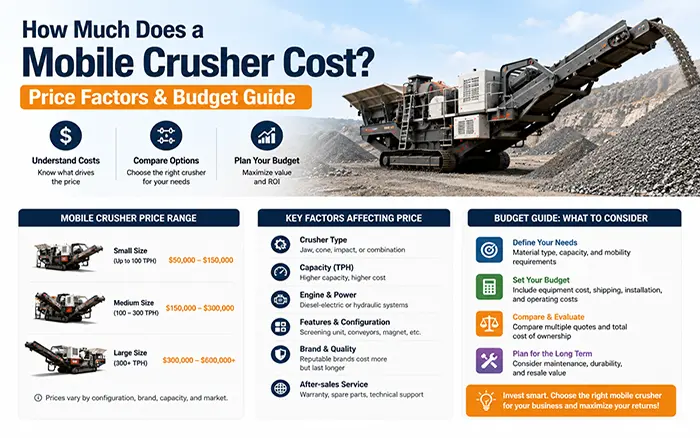
Required Capacity
Common production capacities include:
50–100 TPH
100–200 TPH
200–350 TPH
Over 500 TPH
Choose equipment that matches project demands.
Desired Aggregate Size
Different projects require different aggregate specifications.
Screening configuration should match the desired final product sizes.
Mobility Requirements
For projects involving multiple demolition sites, a tracked mobile crusher generally provides better mobility than a wheeled unit.
Best Practices for Efficient Concrete Recycling
To maximize productivity and equipment life:
Inspect feed material before crushing.
Remove oversized steel manually when necessary.
Maintain consistent feeding rates.
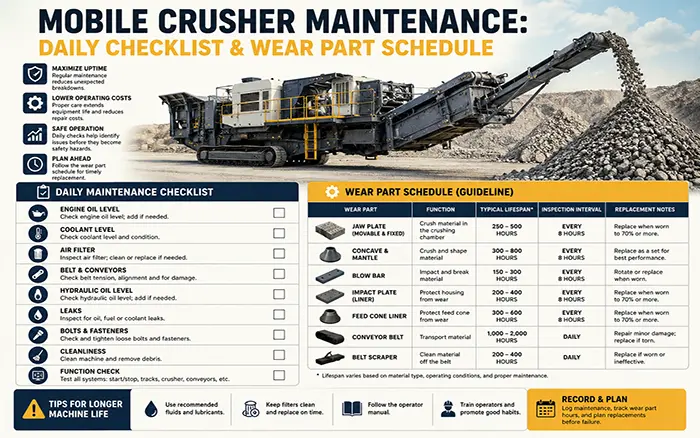
Regularly inspect wear parts such as jaw plates and impact blow bars.
Keep magnetic separators clean for effective metal removal.
Monitor finished aggregate quality continuously.
Follow routine maintenance schedules to minimize downtime.
Proper operation not only improves production efficiency but also reduces operating costs.
Common Challenges and Solutions
| Challenge | Solution |
|---|---|
| Excessive steel content | Install high-efficiency magnetic separators and manually remove large rebar. |
| High dust generation | Use water spray systems and dust suppression equipment. |
| Uneven feed size | Use hydraulic breakers or pre-screening before crushing. |
| Low aggregate quality | Optimize crusher settings and screening configuration. |
| High wear costs | Feed clean material and replace wear parts before excessive damage occurs. |
Conclusion
Recycling concrete with a mobile crusher is an efficient and environmentally responsible solution for modern construction and demolition projects. By crushing concrete directly on-site, contractors can reduce transportation costs, minimize landfill waste, recover valuable aggregates, and improve overall project efficiency.
Selecting the appropriate mobile crushing equipment, maintaining stable operating conditions, and following best recycling practices will help produce high-quality recycled aggregates suitable for a wide range of construction applications. As sustainability becomes increasingly important in the construction industry, mobile concrete recycling is expected to play an even greater role in future infrastructure development.