Basalt, granite, and limestone are among the most commonly processed rocks in the mining, quarrying, and construction industries. Although all three are widely used as construction aggregates and industrial raw materials, they differ significantly in hardness, abrasiveness, crushing difficulty, and suitable crushing equipment.
Understanding the differences between these rock types helps quarry operators and mining companies choose the right crushing circuit, reduce operating costs, extend equipment life, and improve aggregate quality.
This guide compares basalt vs granite vs limestone from multiple perspectives, including geological properties, Mohs hardness, crushing difficulty, recommended crushers, and typical applications.
Overview of Basalt, Granite, and Limestone
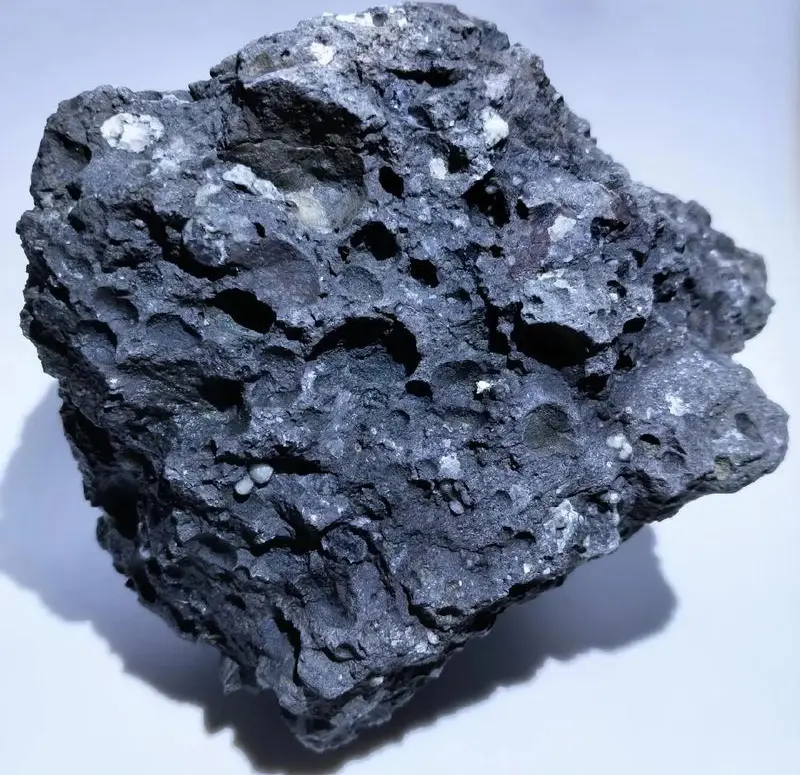
Basalt
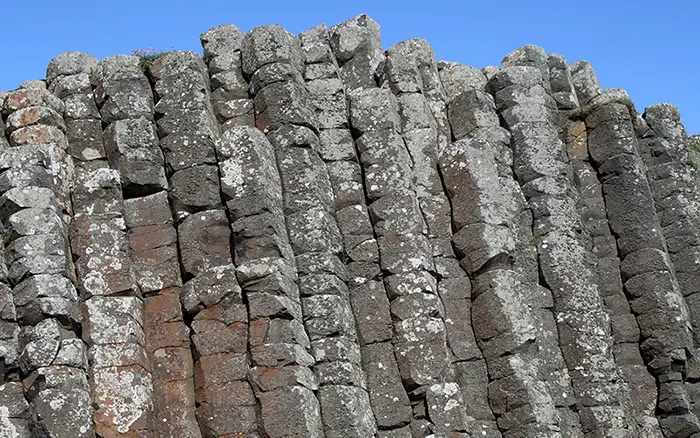
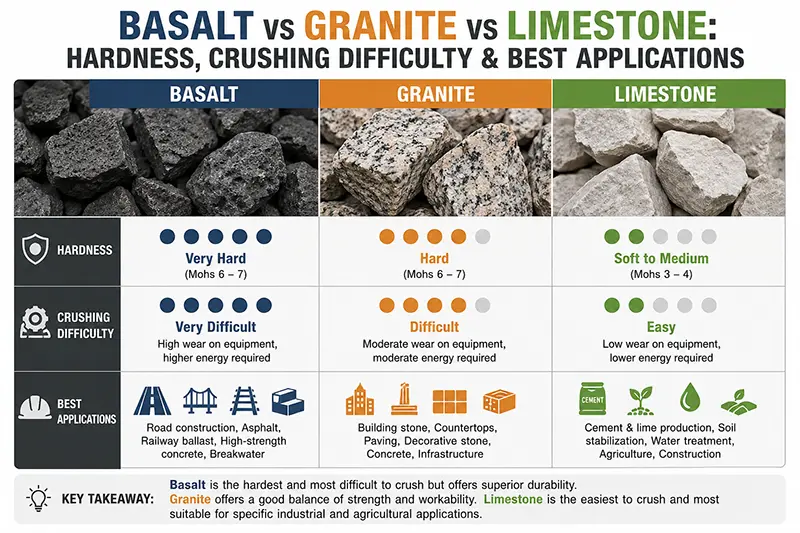
Basalt is a dense volcanic igneous rock formed by rapidly cooled lava. It contains high levels of iron and magnesium minerals, making it one of the toughest construction aggregates.
Typical Characteristics
Rock type: Igneous
Color: Dark gray to black
Mohs hardness: 6–7
Density: 2.8–3.0 t/m³
Abrasiveness: High
Basalt is commonly used for railway ballast, asphalt pavement, concrete aggregate, and road construction.
Granite
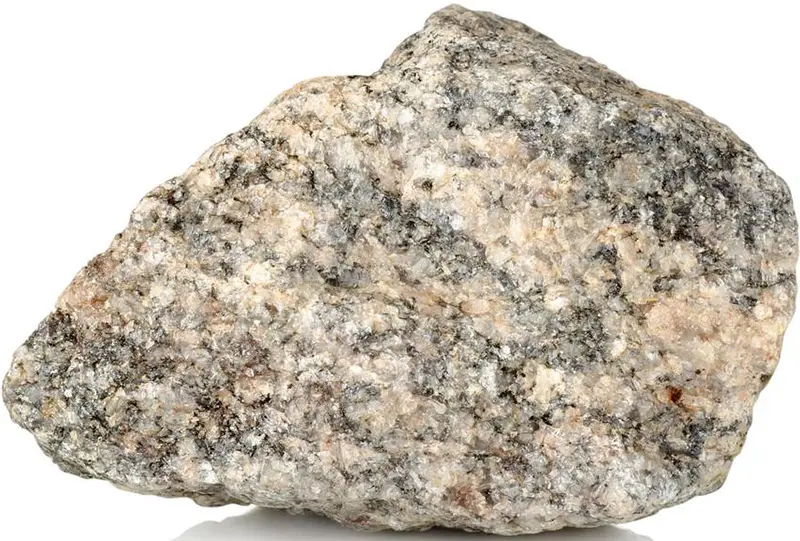
Granite is a coarse-grained intrusive igneous rock composed mainly of quartz, feldspar, and mica. It offers excellent strength and durability.
Typical Characteristics
Rock type: Igneous
Color: Gray, pink, white, or red
Mohs hardness: 6–7
Density: 2.6–2.8 t/m³
Abrasiveness: Medium to high
Granite is widely used in buildings, bridges, highways, monuments, and decorative stone.
Limestone
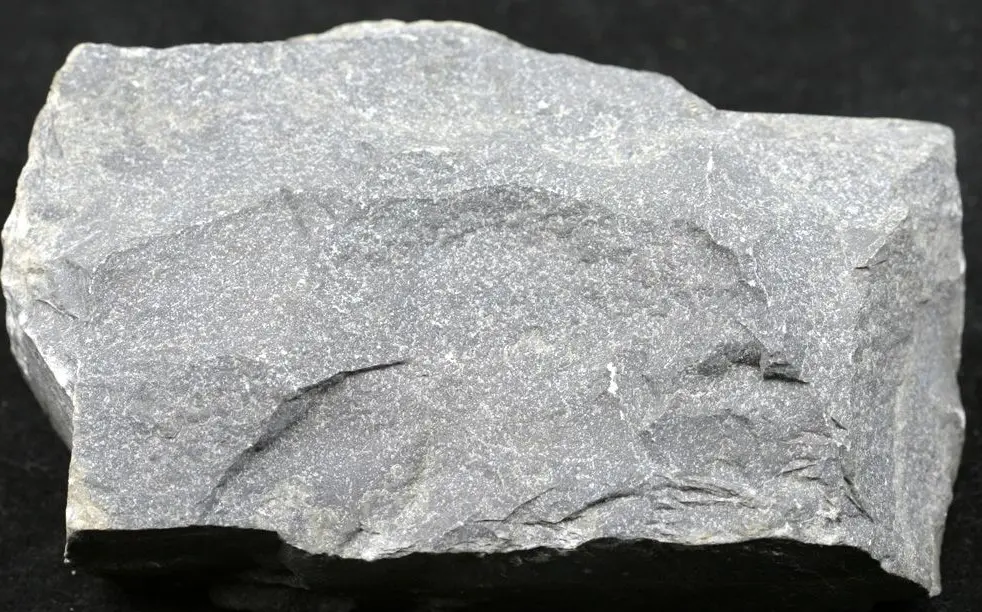
Limestone is a sedimentary rock primarily composed of calcium carbonate. Compared with basalt and granite, it is much softer and easier to crush.
Typical Characteristics
Rock type: Sedimentary
Color: White, gray, beige
Mohs hardness: 3–4
Density: 2.3–2.7 t/m³
Abrasiveness: Low
Limestone is commonly used in cement production, aggregate manufacturing, lime production, steelmaking, and environmental applications.
Hardness Comparison
| Property | Basalt | Granite | Limestone |
|---|---|---|---|
| Rock Type | Igneous | Igneous | Sedimentary |
| Mohs Hardness | 6–7 | 6–7 | 3–4 |
| Abrasiveness | High | Medium–High | Low |
| Crushing Difficulty | High | High | Low |
| Wear on Crushers | Heavy | Medium–Heavy | Light |
Although basalt and granite have similar hardness values, basalt generally causes more wear because of its dense structure and higher abrasiveness.
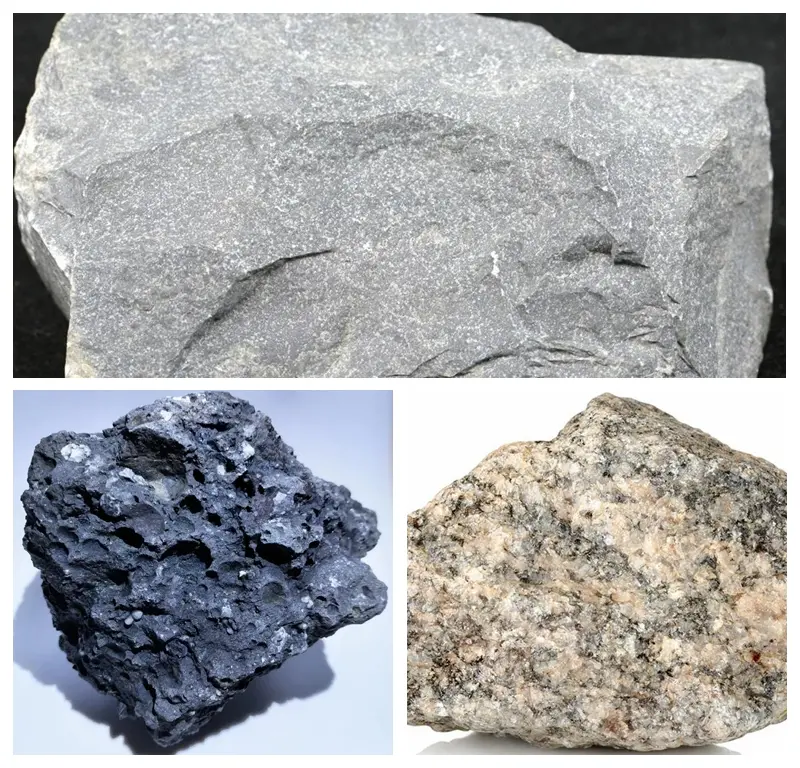
Which Rock Is the Hardest?
From a practical crushing perspective:
Basalt – Highest crushing difficulty
Granite – Hard but slightly easier than basalt
Limestone – Softest and easiest to crush
Basalt often requires greater crushing force and more wear-resistant components, while limestone can usually be processed with lower energy consumption.
Crushing Difficulty Comparison
Crushing Basalt
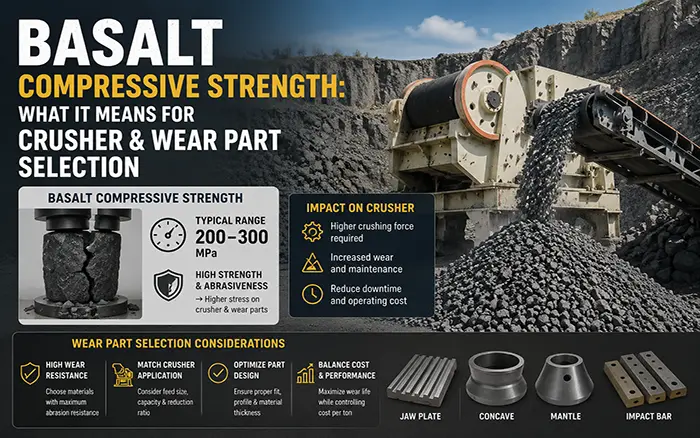
Basalt is one of the most difficult rocks to crush due to its:
High compressive strength
High abrasiveness
Dense structure
Excellent wear resistance
Challenges include:
Faster liner wear
Higher power consumption
Increased maintenance costs
More demanding crushing circuits
Crushing Granite
Granite also requires heavy-duty crushing equipment but generally produces slightly less wear than basalt.
Common challenges include:
High compressive strength
Hard quartz particles
Moderate liner wear
Multi-stage crushing requirements
Crushing Limestone
Limestone is much easier to process.
Advantages include:
Lower energy consumption
Faster crushing speed
Lower equipment wear
Reduced maintenance costs
Because of its lower hardness, limestone often requires fewer crushing stages.
Best Crushers for Each Rock Type
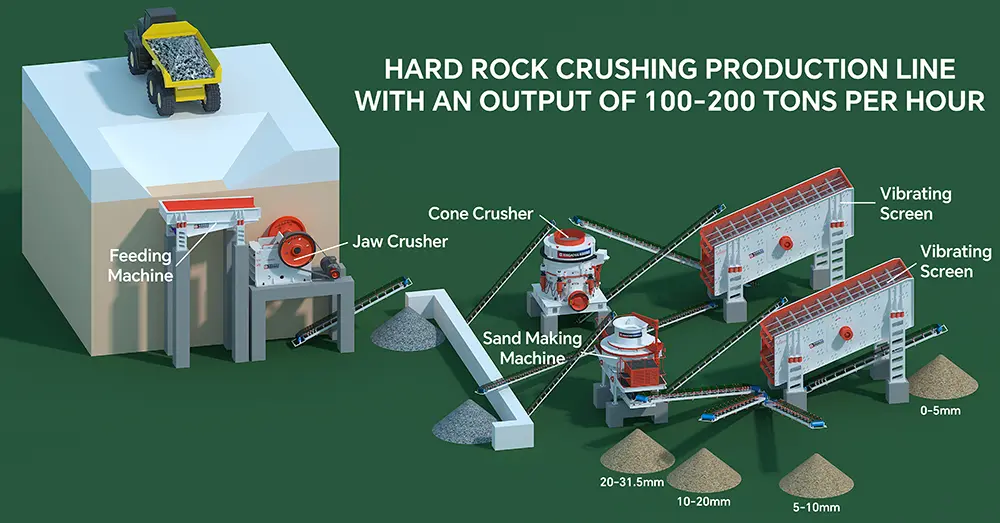
Best Crusher for Basalt
Recommended equipment:
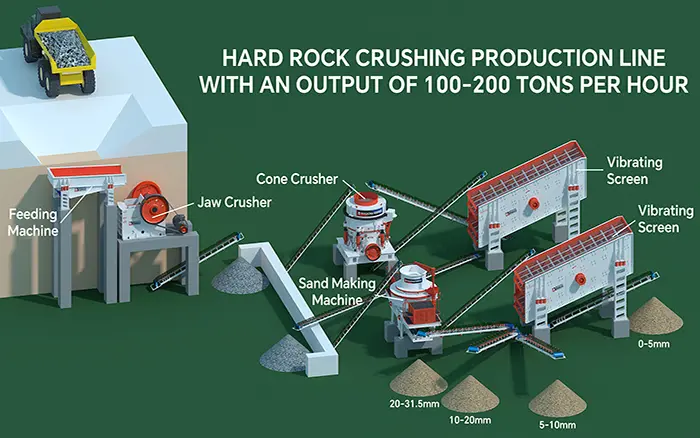
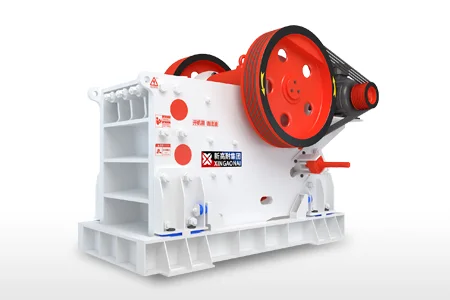
Jaw Crusher (Primary)
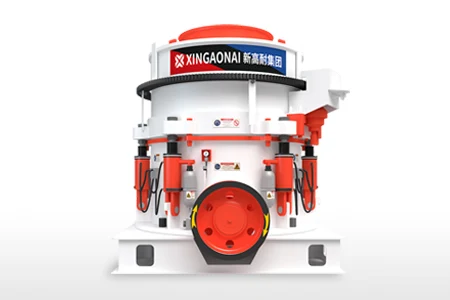
Cone Crusher (Secondary)
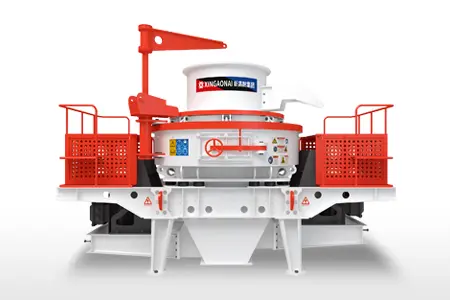
VSI Sand Making Machine (Aggregate shaping)
Reasons:
Handles hard, abrasive materials efficiently
Produces high-quality aggregates
Offers excellent wear resistance
Impact crushers are generally not recommended for basalt because wear costs can be very high.
Best Crusher for Granite
Recommended equipment:
Jaw Crusher
Cone Crusher
VSI Crusher
Advantages:
High production capacity
Good particle shape
Efficient processing of hard rock
Cone crushers are commonly preferred for secondary crushing because they provide consistent product size and lower operating costs.
Best Crusher for Limestone
Recommended equipment:
Jaw Crusher
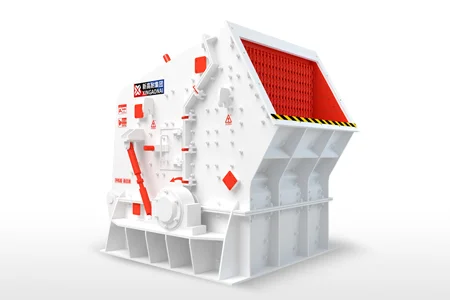
Impact Crusher
Hammer Crusher
Advantages:
Lower equipment investment
Excellent particle shape
High reduction ratio
Lower maintenance costs
Impact and hammer crushers perform particularly well because limestone is relatively soft.
Recommended Crushing Flows
Basalt Crushing Plant
Raw Basalt
↓
Jaw Crusher
↓
Cone Crusher
↓
VSI Crusher
↓
Vibrating Screen
↓
Finished Aggregate
Granite Crushing Plant
Raw Granite
↓
Jaw Crusher
↓
Cone Crusher
↓
VSI Crusher (Optional)
↓
Screening
↓
Finished Products
Limestone Crushing Plant
Raw Limestone
↓
Jaw Crusher
↓
Impact Crusher
↓
Screening
↓
Finished Aggregate
Depending on the required product size, some limestone plants may use only a jaw crusher and impact crusher.
Equipment Wear Comparison
| Component | Basalt | Granite | Limestone |
|---|---|---|---|
| Jaw Plates | High Wear | Medium Wear | Low Wear |
| Cone Liners | High Wear | Medium Wear | Low Wear |
| Blow Bars | Very High Wear | High Wear | Low Wear |
| Energy Consumption | High | Medium–High | Low |
| Maintenance Frequency | High | Medium | Low |
Basalt typically results in the highest maintenance costs, while limestone offers the lowest operating costs.
Best Applications
Basalt Applications
Railway ballast
Asphalt aggregate
High-strength concrete
Airport pavements
Highway construction
Hydraulic engineering
Granite Applications
Building stone
Decorative stone
Bridge construction
Highways
Railway ballast
Concrete aggregate
Limestone Applications
Cement manufacturing
Lime production
Building aggregate
Road base materials
Steelmaking flux
Environmental desulfurization
How to Choose the Right Crusher
Before selecting crushing equipment, consider the following:
Evaluate Rock Properties
Analyze hardness, abrasiveness, moisture content, and compressive strength.
Determine Production Capacity
Crusher size should match your desired throughput.
Consider Finished Product Requirements
Different aggregate sizes and shapes require different crushing stages.
Calculate Operating Costs
Evaluate energy consumption, wear parts, maintenance, and downtime.
Work with an Experienced Equipment Supplier
A professional supplier can recommend the most efficient crushing solution based on your material characteristics and production goals.
Which Rock Offers the Best Balance Between Performance and Cost?
There is no single "best" rock because each material serves different industries and applications.
Basalt offers exceptional strength and durability but requires the highest crushing investment and maintenance.
Granite provides an excellent balance of strength, appearance, and processing efficiency, making it suitable for a wide range of construction projects.
Limestone is the easiest and most economical rock to crush, making it ideal for cement production, aggregates, and industrial applications where extremely high strength is not required.
Choosing the appropriate crusher and crushing process based on the specific characteristics of basalt, granite, or limestone will improve production efficiency, reduce operating costs, and maximize the long-term value of your crushing plant.