Hematite is one of the most abundant and economically significant iron oxide minerals on Earth. With a chemical formula of Fe₂O₃, it contains up to 70% iron by weight, making it the world's primary source of iron ore for steel production. From ancient pigments to modern industrial applications, hematite has played a central role in human civilization for thousands of years. This guide covers everything you need to know about hematite — its physical properties, geological types, and wide-ranging industrial uses.
What Is Hematite?
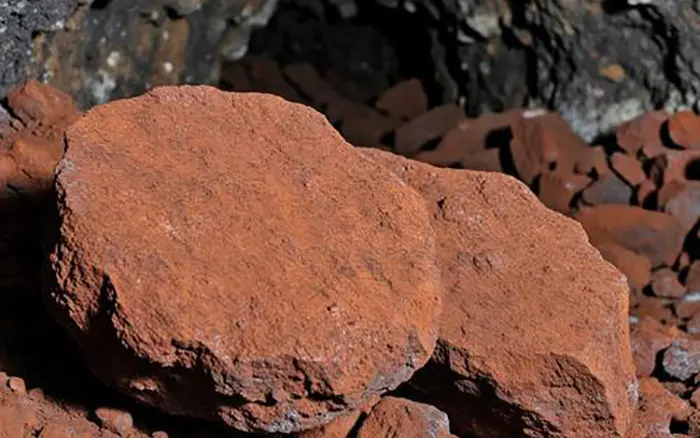
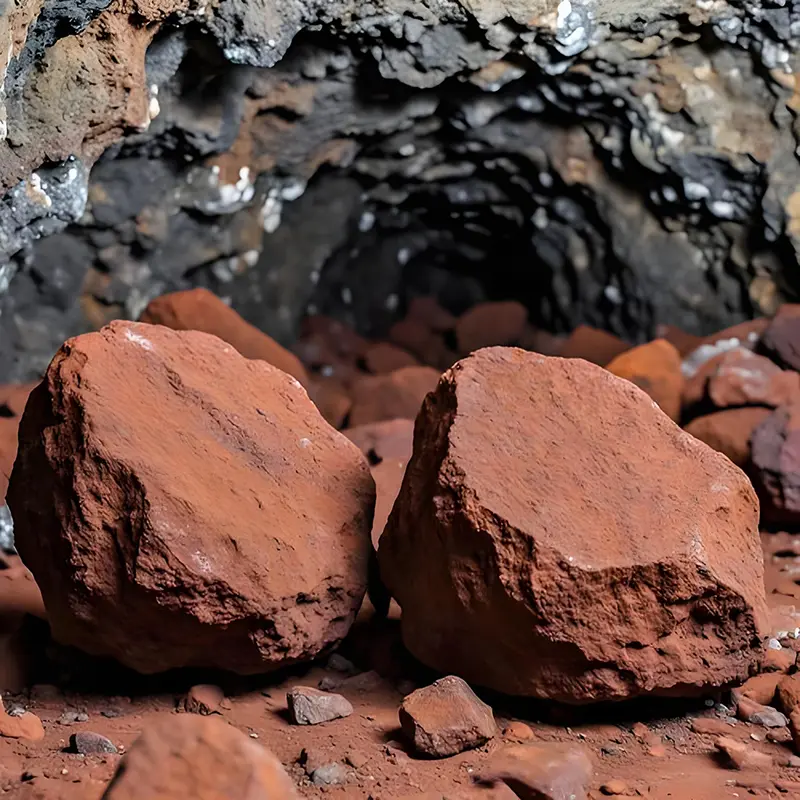
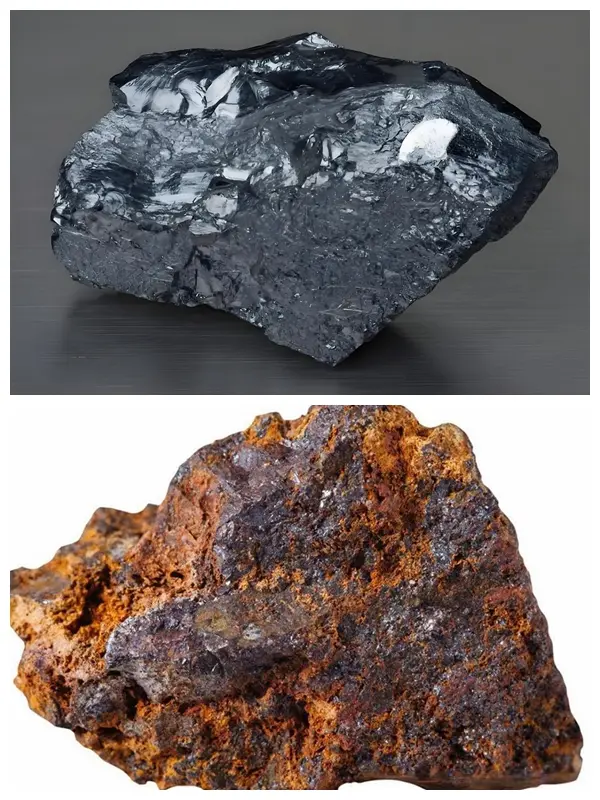
Hematite is a naturally occurring iron oxide mineral with the chemical formula Fe₂O₃ (ferric oxide). It belongs to the trigonal crystal system and is classified as an oxide mineral. The name comes from the ancient Greek word haimatites, meaning "blood-like," a reference to the vivid red streak and reddish-brown color that powdered hematite produces — even when the rock itself appears grey or black in its massive crystalline form.
As one of the most important iron ores in the world, hematite accounts for a significant share of global iron ore reserves. It is found on every continent and forms in a variety of geological environments, including sedimentary, metamorphic, and hydrothermal settings. Hematite is also notable for being a weakly magnetic mineral, which distinguishes it from magnetite (Fe₃O₄) and plays an important role in how it is processed and separated from gangue minerals.
Key Physical Properties of Hematite
Understanding the physical properties of hematite is essential for mineral identification, ore grading, and selecting the right beneficiation method. Below are the defining characteristics of hematite:
Chemical Composition: Fe₂O₃ (iron(III) oxide), with an ideal iron content of approximately 69.9%.
Crystal System: Trigonal (rhombohedral).
Color: Highly variable. Crystalline hematite appears steel-grey to black, while earthy or fine-grained forms appear red to reddish-brown. Despite the visual difference, both varieties leave the same characteristic red streak.
Streak: Red to reddish-brown — a key diagnostic feature used to distinguish hematite from other similarly colored minerals.
Luster: Metallic to submetallic in crystals; dull to earthy in massive or fine-grained forms.
Hardness: 5.5 to 6.5 on the Mohs scale, meaning it is relatively hard and resistant to scratching by a steel knife.
Density (Specific Gravity): 4.9 to 5.3 g/cm³ — considerably denser than most common rock-forming minerals, which is why gravity separation methods are effective in hematite processing.
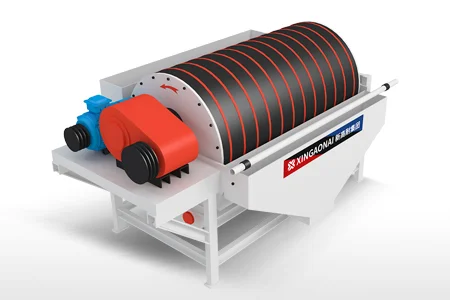
Magnetism: Weakly magnetic. Unlike magnetite, hematite cannot be attracted by a standard hand magnet under normal conditions. However, it does respond to high-intensity magnetic separation, which is widely used in ore processing plants.
Cleavage: None. Hematite fractures rather than cleaving cleanly, typically displaying a subconchoidal to uneven fracture pattern.
Transparency: Opaque in most forms; thin flakes may show a deep red transparency in transmitted light.
Types of Hematite by Form and Genesis
Hematite occurs in several distinct forms depending on its geological origin and crystal structure. Each type has different processing characteristics and industrial relevance.
1. Specularite (Specular Hematite)
Specularite consists of platy, mirror-like crystals with a bright metallic luster. It typically forms through hydrothermal processes and is often found in metamorphic iron formations. Due to its reflective surface, specularite is also used as a decorative stone and in jewelry. In ore processing, its coarse grain size generally allows for relatively straightforward beneficiation using gravity or magnetic separation methods.
2. Micaceous Hematite (Iron Mica)
Micaceous hematite is a fine, scaly aggregate that forms through sedimentary metamorphism. It has a distinctive flaky structure similar to mica. Brazil and Elba Island in Italy are among the most well-known producers. This form of hematite is widely used in protective coatings and anti-corrosion paints due to its platelet structure, which creates a barrier effect on metal surfaces.
3. Kidney (Botryoidal) Hematite
Kidney hematite is characterized by its rounded, kidney-shaped or grape-like surface texture. It forms as a precipitate from iron-rich solutions and is often associated with ancient sedimentary environments. Kidney hematite can exhibit a banded internal structure and is commonly sought after as a collector's mineral. The state of Michigan in the United States is one of the largest producers of this variety.
4. Oolitic Hematite
Oolitic hematite consists of small, spherical grains (ooids) cemented together in a sedimentary matrix. It is commonly found in ancient marine sedimentary basins and often contains phosphorus impurities, which can complicate beneficiation. Processing oolitic hematite typically requires more complex methods, such as a combination of gravity separation, magnetic separation, and flotation.
5. Earthy (Ochreous) Hematite
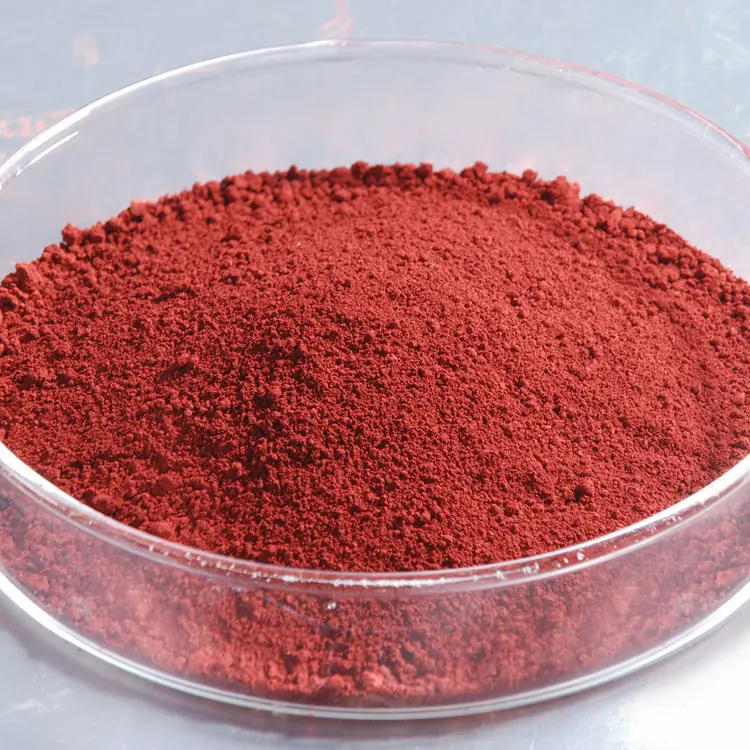
This is a fine-grained, powdery form of hematite with a dull, earthy luster. It is the variety most responsible for the red and orange colors in soils, sedimentary rocks, and natural pigments. While it is rarely mined directly as an iron ore due to its low grade and difficulty in processing, earthy hematite has been used as a natural pigment since prehistoric times.
Major Industrial Uses of Hematite
Hematite's high iron content, wide availability, and relatively straightforward processing make it valuable across a broad range of industries. Here are the most important applications:
1. Iron and Steel Production
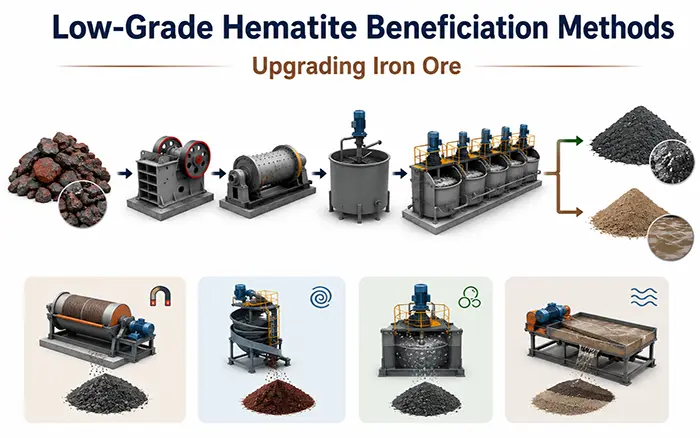
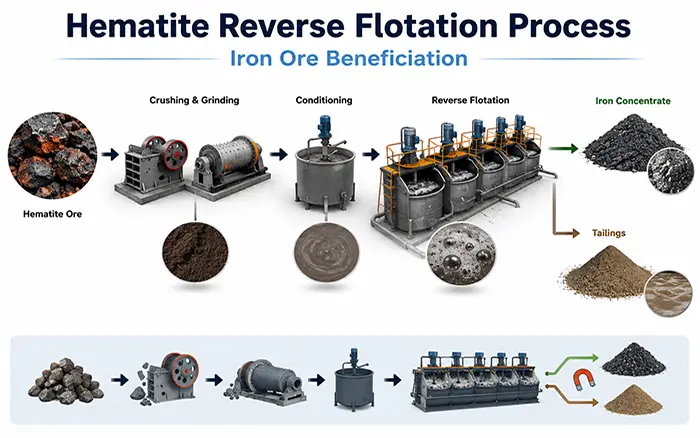
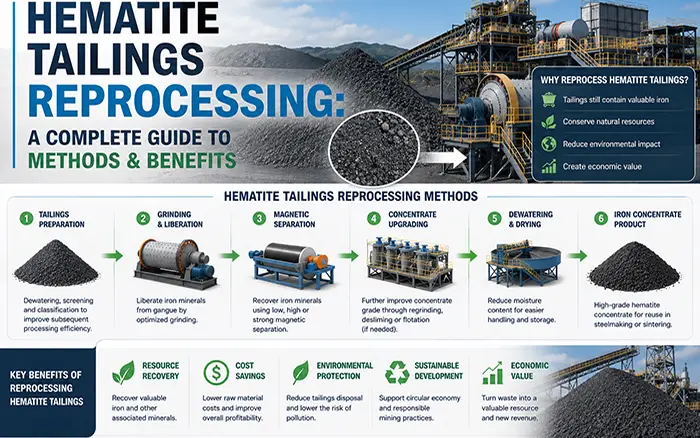
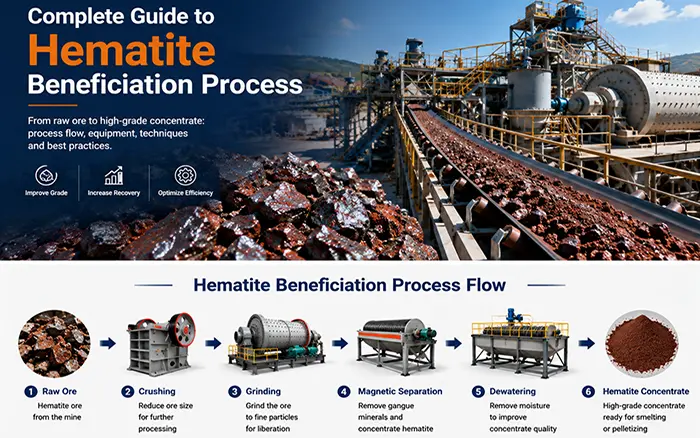
The most significant use of hematite by far is as a raw material for iron and steelmaking. Hematite ore is processed into iron concentrate, which is then fed into blast furnaces to produce pig iron — the primary input for steel manufacturing. High-grade hematite ore (above 60% Fe) can be used directly without extensive beneficiation, while lower-grade ores require crushing, grinding, magnetic separation, and flotation to raise iron content to acceptable levels.
2. Iron Oxide Pigments
Hematite's vivid red, reddish-brown, and orange tones make it an excellent source of natural and synthetic iron oxide pigments. These pigments are used in paints, coatings, plastics, concrete coloring, and ceramic glazes. Iron oxide red (Fe₂O₃) derived from hematite is one of the most widely used inorganic pigments in the world, valued for its chemical stability, UV resistance, and non-toxic nature.
3. Anti-Corrosion Coatings and Protective Paints
Micaceous hematite, in particular, is a key ingredient in heavy-duty anti-corrosion coatings for steel structures, bridges, ships, and industrial equipment. The platelet-shaped particles align parallel to the substrate surface, forming a layered barrier that significantly slows the penetration of moisture and oxygen. This makes hematite-based coatings superior to many conventional primers in long-term corrosion resistance.
4. Welding Rod Production
Hematite concentrate can be used in the production of welding rods and electrodes. Iron oxide is an important flux component in welding materials, contributing to arc stability and slag formation during the welding process.
5. Radiation Shielding
Due to its high density (up to 5.3 g/cm³), hematite is used as a heavyweight aggregate in special concrete formulations designed for radiation shielding in hospitals, nuclear facilities, and research laboratories. Hematite-bearing concrete can effectively attenuate X-rays and gamma rays while maintaining structural integrity.
6. Ballast and Weighting Applications
The high specific gravity of hematite makes it useful as ballast material in ships, ballast concrete, and weighting applications in the oil and gas industry, such as pipeline coating weights. In these applications, hematite aggregate improves the density of concrete or other materials without significantly increasing volume.
7. Polishing and Abrasive Products
Hard and fine-grained hematite powder is used as a mild abrasive for polishing metals, glass, and gemstones. It has historically been used in jewelry-making tools and watchmaker's rouge as a finishing compound.
8. Gemstones and Jewelry
Hematite's metallic luster and deep grey-black appearance have made it a popular gemstone and decorative material. Polished hematite beads and cabochons are widely used in costume jewelry and accessories. It is also associated with grounding and balancing properties in some wellness and metaphysical traditions.
9. Batteries and Electronic Components
Iron oxide materials derived from hematite have been studied and applied in next-generation battery technologies, including lithium-ion batteries and supercapacitors. Hematite's semiconducting properties also make it a candidate material for photoelectrochemical water splitting in solar energy research.
10. Traditional Medicine (Haematitum)
In traditional Chinese medicine, processed hematite — known as Dài Zhě Shí (代赭石) or haematitum — has been used for centuries as a medicinal material. It is believed to calm the liver, anchor hyperactive yang energy, direct rebellious qi downward, and stop bleeding. While its use in modern clinical practice is limited, it remains part of traditional pharmacopeias in China and other Asian countries.
Hematite vs. Magnetite: Key Differences
Hematite and magnetite are the two most commercially important iron ores, but they differ in several meaningful ways:
| Property | Hematite (Fe₂O₃) | Magnetite (Fe₃O₄) |
|---|---|---|
| Iron Content | ~69.9% | ~72.4% |
| Magnetism | Weakly magnetic | Strongly magnetic |
| Color | Red-brown to grey-black | Black |
| Processing Cost | Generally lower | Higher (requires more grinding) |
| Primary Separation Method | Gravity, flotation, high-intensity magnetics | Low-intensity magnetic separation |
| Common Use | Direct-ship ore, steelmaking | Pellet feed, steelmaking |
While magnetite has a slightly higher theoretical iron content, hematite is generally less expensive to process because many deposits are high-grade enough to be used with minimal beneficiation. Magnetite, on the other hand, requires fine grinding and magnetic separation to produce a usable concentrate, which increases energy consumption and processing costs.
Where Is Hematite Found?
Hematite deposits are distributed across the globe. The largest and most economically significant deposits include:
Australia — The Pilbara region in Western Australia hosts some of the world's largest hematite iron ore deposits, operated by major miners including BHP and Rio Tinto.
Brazil — The Carajás mine operated by Vale is the largest iron ore mine on Earth, primarily producing high-grade hematite.
China — Hematite accounts for approximately 18% of China's iron ore resources and is mined extensively in provinces such as Liaoning, Hebei, and Sichuan.
India — Major hematite deposits are found in Odisha, Jharkhand, and Chhattisgarh.
United States — The Lake Superior region, particularly the Iron Range in Minnesota, contains significant banded iron formations rich in hematite.
Ukraine, Russia, and South Africa — All are major producers of hematite-bearing iron ore.
Conclusion
Hematite is far more than just an iron ore. Its combination of high iron content, distinctive physical properties, and versatile industrial applications makes it one of the most valuable minerals in the world. Whether it is being processed into steel in a blast furnace, applied as a pigment in protective coatings, or used as ballast in marine engineering, hematite continues to be indispensable to modern industry.
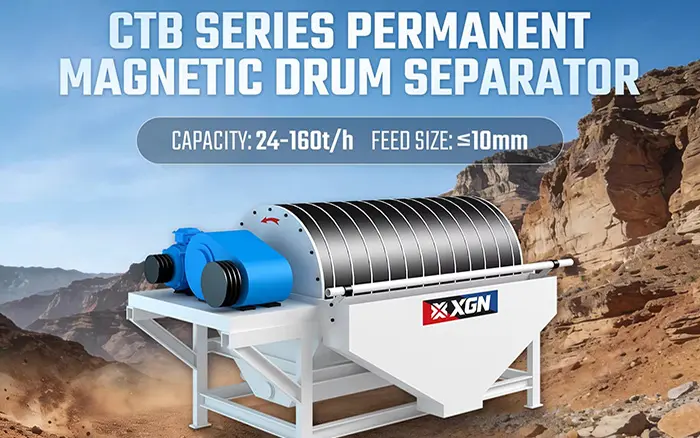
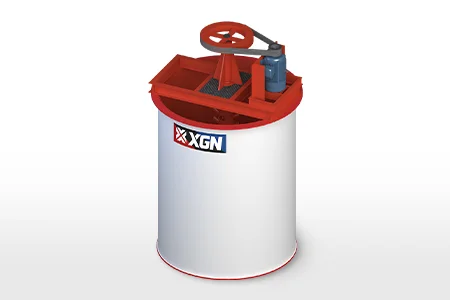
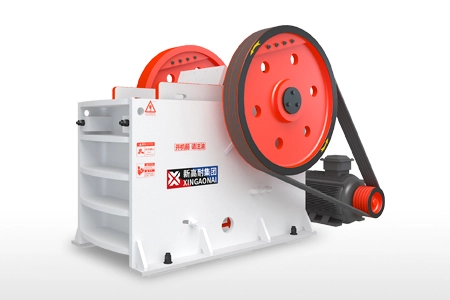
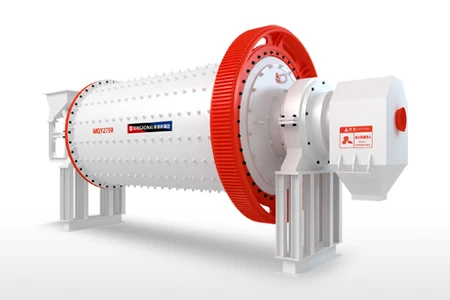
For mining operations looking to process hematite efficiently, selecting the right equipment — from jaw crushers and ball mills to high-intensity magnetic separators and flotation cells — is critical to maximizing iron recovery and concentrate grade.