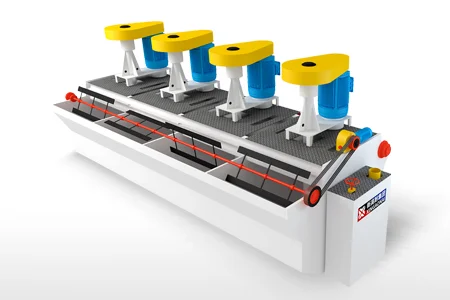
The gold flotation process is one of the most widely used methods for recovering fine gold from sulfide ores. Compared with gravity separation, flotation offers higher recovery rates for fine particles and gold associated with sulfide minerals such as pyrite, arsenopyrite, and chalcopyrite.
Today, flotation is commonly used in standalone gold concentrators or as part of combined beneficiation flows with gravity separation, magnetic separation, and cyanidation. By selecting suitable flotation reagents and optimizing operating conditions, mining companies can significantly improve gold recovery while reducing processing costs.
This guide explains how the gold flotation process works, the equipment involved, key operating factors, and methods for maximizing flotation performance.
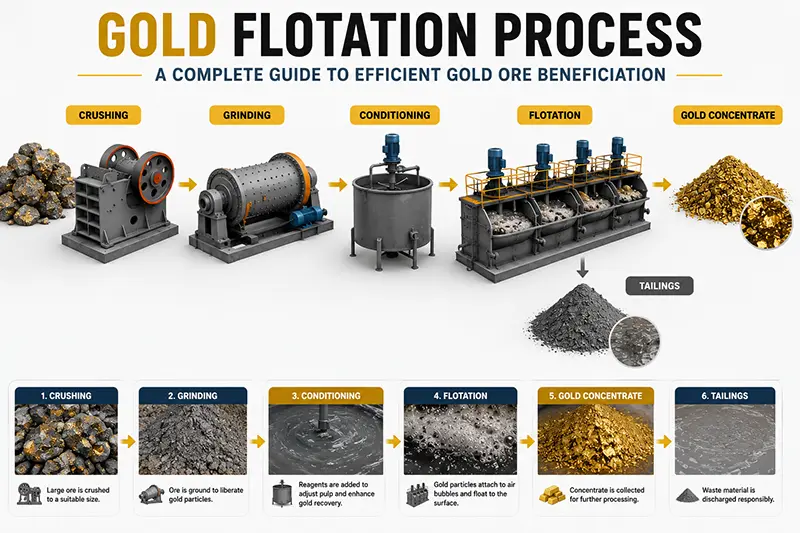
What Is the Gold Flotation Process?
Gold flotation is a mineral processing technique that separates valuable gold-bearing minerals from gangue minerals by taking advantage of differences in their surface properties.
During flotation, chemical reagents modify the surfaces of selected minerals, making them hydrophobic. Air bubbles introduced into the flotation cell attach to these hydrophobic particles, carrying them to the surface where they form a froth. The froth is then collected as a gold concentrate, while unwanted minerals remain in the slurry.
The process is particularly effective for recovering:
Sulfide gold ore
Fine-grained gold
Refractory gold ore
Polymetallic gold ore
Gold associated with pyrite and arsenopyrite
Gold Flotation Process Flow
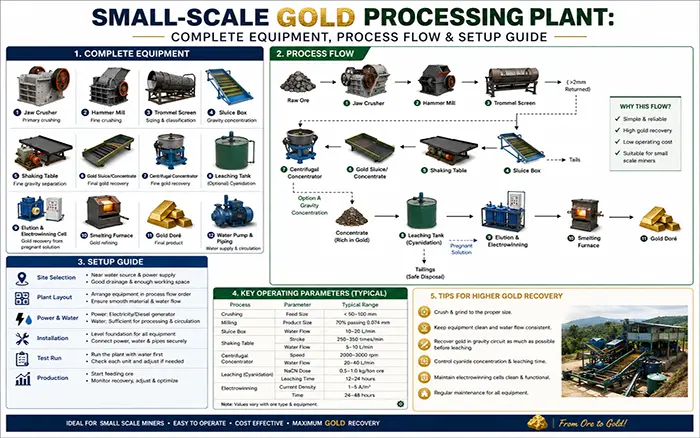
Although flowsheets vary depending on ore characteristics, a typical gold flotation process includes the following stages.
1. Crushing
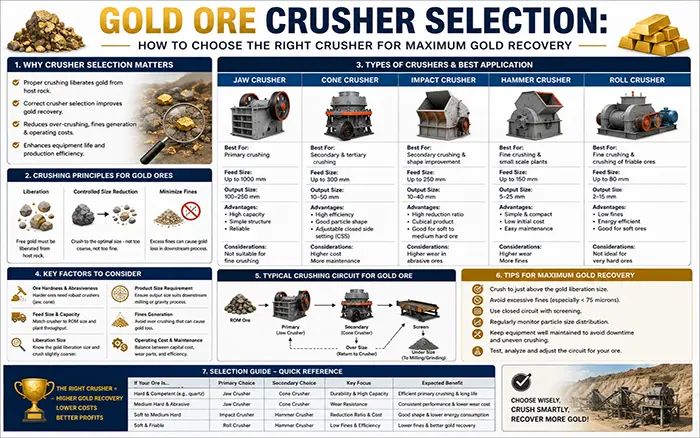
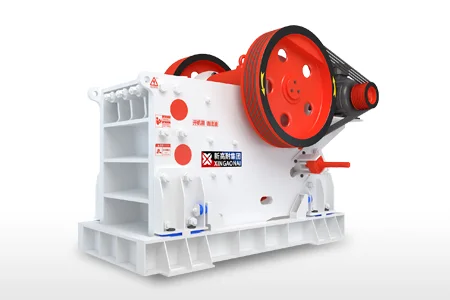
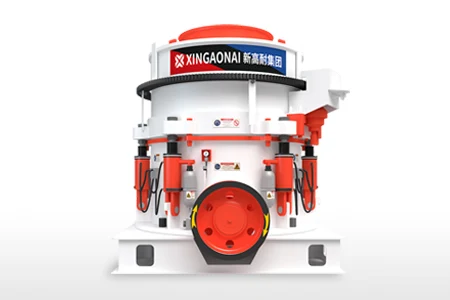
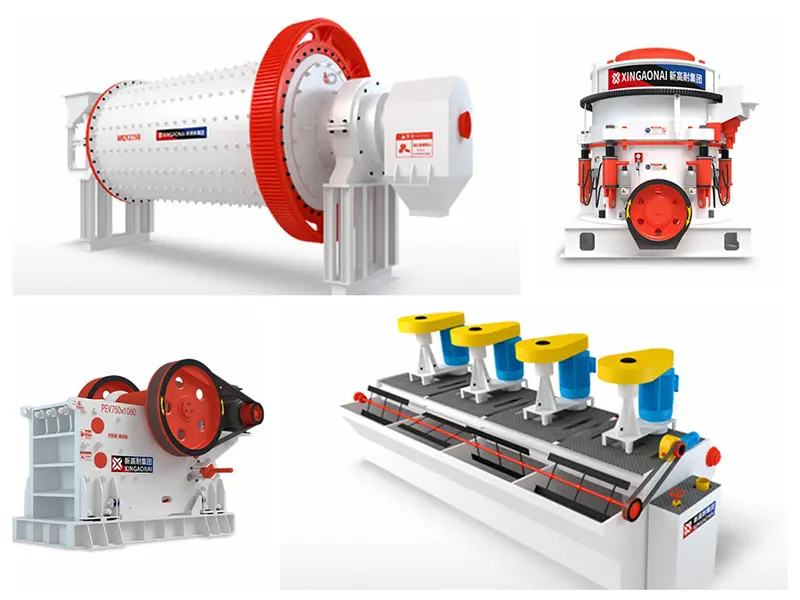
Large gold ore is reduced in size using jaw crushers and cone crushers to prepare the material for grinding.
2. Grinding and Classification
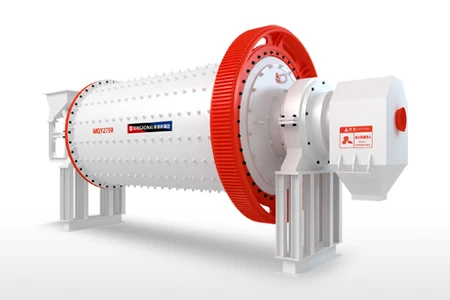
Ball mills reduce the ore to the required particle size, while hydrocyclones classify the material to achieve proper mineral liberation.
Adequate grinding is essential because insufficient liberation reduces flotation recovery, while excessive grinding may generate slimes that negatively affect flotation performance.
3. Conditioning
Before flotation, the slurry is mixed with flotation reagents in conditioning tanks.
These reagents selectively modify mineral surfaces to improve flotation efficiency.
4. Flotation
The conditioned slurry enters flotation machines where compressed air generates fine bubbles.
Hydrophobic gold-bearing minerals attach to the bubbles and rise to the surface, forming a mineral-rich froth.
The froth is continuously collected as concentrate, while tailings are discharged separately.
5. Concentrate Cleaning
Rougher concentrates are often re-floated in cleaner flotation cells to remove impurities and increase concentrate grade.
Multiple cleaning stages may be required for high-grade gold concentrates.
6. Concentrate Dewatering
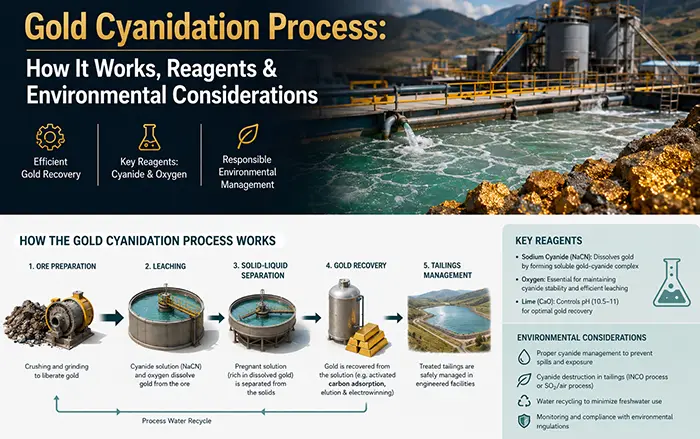
The final concentrate is thickened and filtered before transportation or further metallurgical treatment such as roasting, pressure oxidation, or cyanidation.
Main Equipment Used in the Gold Flotation Process
A complete gold flotation plant may include:
Jaw crusher
Cone crusher
Hydrocyclone
Thickener
Filter press
Slurry pump
Belt conveyor
Selecting the appropriate equipment depends on ore properties, plant capacity, and recovery targets.
Common Gold Flotation Reagents
Proper reagent selection is critical for achieving high recovery and concentrate quality.
Collectors
Collectors increase the hydrophobicity of gold-bearing sulfide minerals.
Common collectors include:
Xanthates
Dithiophosphates
Dithiocarbamates
Frothers
Frothers stabilize air bubbles and improve froth formation.
Typical frothers include:
MIBC
Pine oil
Polypropylene glycol
Depressants
Depressants prevent unwanted minerals from floating.
Common depressants include:
Lime
Sodium cyanide (where permitted)
Zinc sulfate
Activators
Activators improve the flotation response of certain minerals.
Typical activators include:
Copper sulfate
Lead nitrate
Factors Affecting Gold Flotation Performance
Several operating variables determine flotation efficiency.
Ore Characteristics
The mineral composition, gold particle size, oxidation degree, and sulfide content all influence flotation behavior.
Different ore types require different reagent schemes and operating conditions.
Grinding Fineness
Proper liberation is one of the most important factors affecting recovery.
Insufficient grinding leaves gold locked within gangue minerals, while overgrinding creates ultrafine particles that are difficult to recover.
Pulp Density
An appropriate slurry concentration improves particle suspension and bubble-particle collision efficiency.
Improper pulp density may reduce recovery and concentrate grade.
pH Control
Most gold flotation circuits operate under mildly alkaline conditions.
Maintaining stable pH helps optimize collector performance and improve flotation selectivity.
Reagent Dosage
Both excessive and insufficient reagent addition can negatively affect flotation performance.
Regular laboratory testing helps determine the optimal dosage.
Air Flow Rate
The quantity and size of air bubbles directly affect mineral attachment efficiency and froth stability.
Proper air distribution improves flotation recovery.
Advantages of the Gold Flotation Process
Gold flotation offers several significant benefits compared with other beneficiation methods.
High Gold Recovery
Flotation efficiently recovers fine gold and sulfide-associated gold that gravity separation may fail to capture.
Cost-Effective Operation
Compared with some alternative recovery methods, flotation provides excellent recovery with relatively low operating costs.
Suitable for Complex Ores
Flotation performs well with refractory ores and polymetallic deposits.
Flexible Process Design
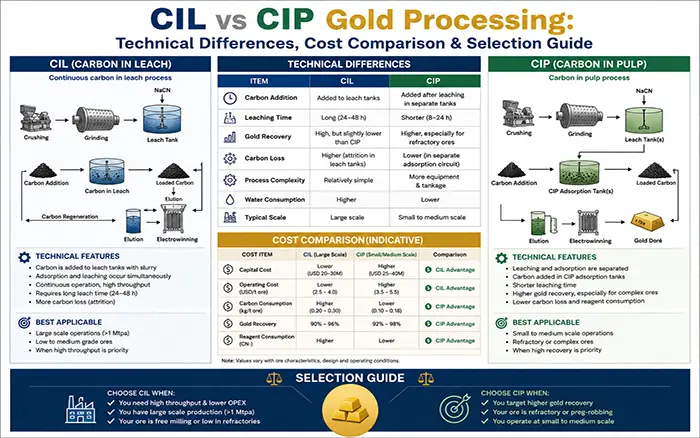
Flotation circuits can be integrated with gravity concentration, magnetic separation, and cyanidation.
High Processing Capacity
Modern flotation plants can efficiently process large ore volumes with continuous operation.
Gold Flotation vs Gravity Separation
| Factor | Gold Flotation | Gravity Separation |
|---|---|---|
| Best for Fine Gold | Excellent | Moderate |
| Sulfide Gold Recovery | Excellent | Limited |
| Chemical Reagents | Required | Not Required |
| Operating Cost | Moderate | Low |
| Process Complexity | Higher | Lower |
| Recovery Rate | Higher for fine gold | Better for coarse free gold |
Many modern gold plants combine gravity separation with flotation to maximize overall recovery.
How to Optimize a Gold Flotation Process
To improve flotation efficiency, operators should focus on several key areas.
Conduct Comprehensive Ore Testing
Mineralogical analysis and flotation tests provide the foundation for selecting the optimal process.
Optimize Grinding Size
The correct particle size ensures adequate mineral liberation without excessive slime generation.
Select Suitable Reagents
Different ores require different collector and frother combinations for optimal performance.
Maintain Stable Operating Conditions
Consistent pulp density, pH, reagent dosage, and air flow contribute to stable flotation performance.
Upgrade Equipment When Necessary
Modern flotation machines with improved aeration and mixing systems often deliver higher recovery and lower energy consumption.
Industrial Applications of Gold Flotation
The gold flotation process is widely used in:
Sulfide gold ore beneficiation
Refractory gold ore processing
Polymetallic ore beneficiation
Gold-copper ore processing
Gold tailings recovery
Large-scale gold concentrators
It is also commonly used before cyanidation to produce a higher-grade concentrate and reduce downstream processing costs.
Why Gold Flotation Remains One of the Most Effective Gold Recovery Methods
The gold flotation process continues to play a vital role in modern gold beneficiation because of its ability to recover fine and sulfide-associated gold efficiently. By combining proper grinding, suitable reagent selection, optimized operating conditions, and reliable flotation equipment, processing plants can achieve higher recovery rates, improved concentrate grades, and lower operating costs.
For many gold mining operations, integrating flotation with gravity separation or cyanidation provides the most effective and economical solution for maximizing gold recovery.