A small-scale gold processing plant is an ideal solution for miners, exploration companies, and investors seeking an efficient and cost-effective way to recover gold from ore. Compared with large industrial operations, small gold processing plants require lower capital investment, occupy less space, and can be installed quickly while still achieving high recovery rates when properly designed.
The success of a small-scale plant depends on selecting the right process according to ore characteristics. Whether the ore contains free-milling gold, sulfide minerals, or oxidized material, choosing the appropriate equipment and processing flow is essential for maximizing recovery and minimizing operating costs.
This guide explains how a small-scale gold processing plant works, the equipment required, common process flows, estimated costs, and key factors to consider before building a plant.
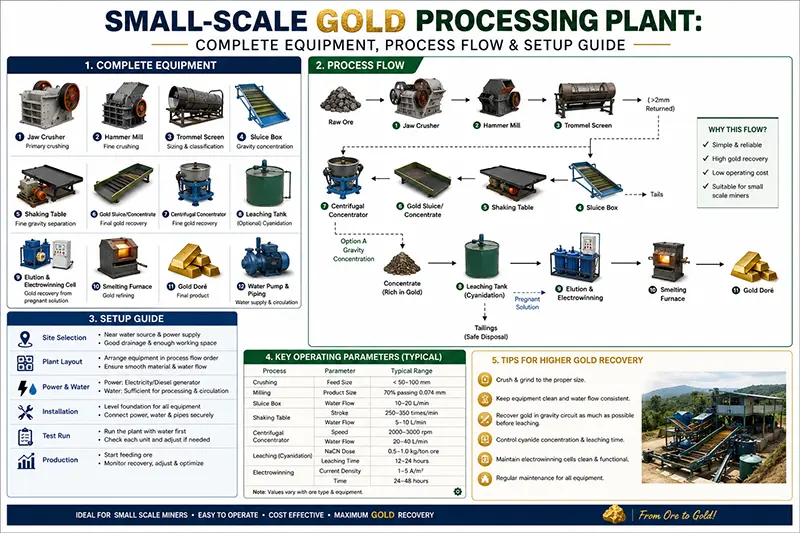
What Is a Small-Scale Gold Processing Plant?
A small-scale gold processing plant is a compact mineral processing system designed to recover gold from low- to medium-capacity mining operations. Depending on the ore type and production requirements, plant capacities typically range from 5 to 200 tons per hour (TPH).
These plants are widely used for:
Small and medium-sized gold mines
Exploration and pilot projects
Alluvial gold recovery
Hard rock gold mining
Tailings reprocessing
Remote mining operations
Because of their modular design, many small-scale plants can be transported, installed, and expanded with minimal construction work.
Common Process Flows for Small-Scale Gold Processing Plants
The best processing flow depends on the mineral composition and gold occurrence.
1. Gravity Separation Plant
Gravity separation is suitable for ores containing coarse free gold.
Typical Process Flow
Raw Ore
↓
Crushing
↓
Grinding
↓
Gravity Concentration
↓
Gold Concentrate
↓
Tailings
Main Equipment
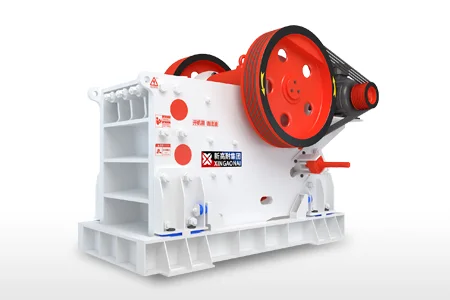
Jaw crusher
Hammer crusher (optional)
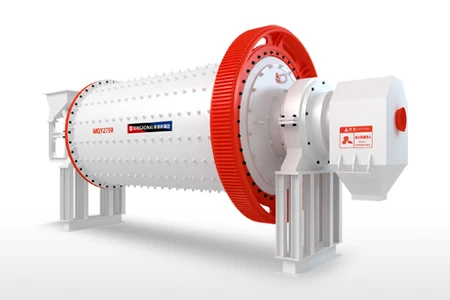
Ball mill
Spiral classifier or hydrocyclone
Jig concentrator
Shaking table
Centrifugal gold concentrator
Slurry pump
Advantages
Low operating cost
No chemical reagents
Simple operation
Environmentally friendly
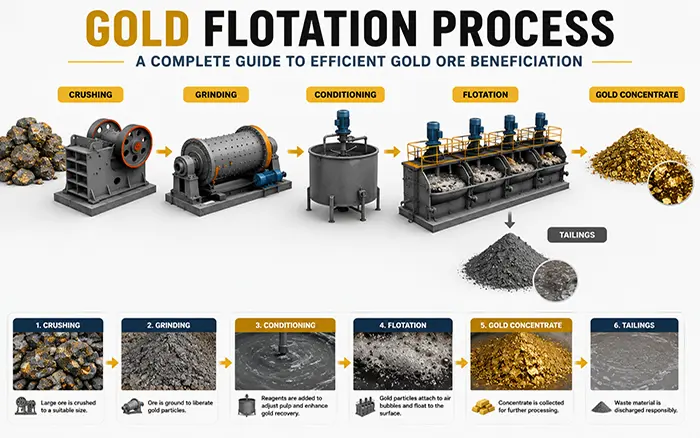
2. Gravity Separation + Flotation Plant
This process is suitable for sulfide gold ores where part of the gold is associated with sulfide minerals.
Typical Process Flow
Crushing
↓
Grinding
↓
Gravity Separation
↓
Flotation
↓
Gold Concentrate
Advantages
Higher recovery for sulfide ores
Lower cyanide consumption
Improved concentrate grade
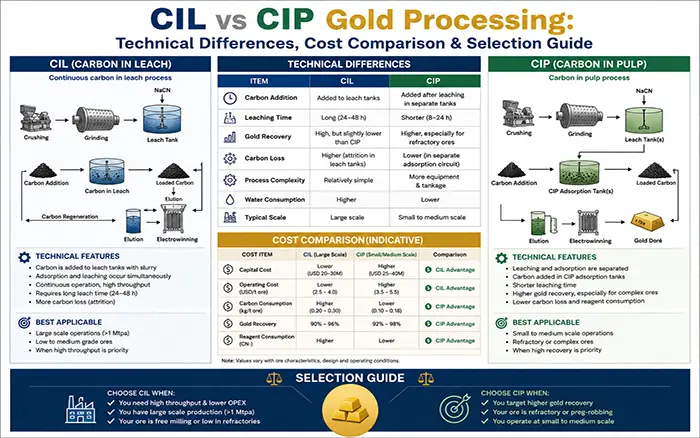
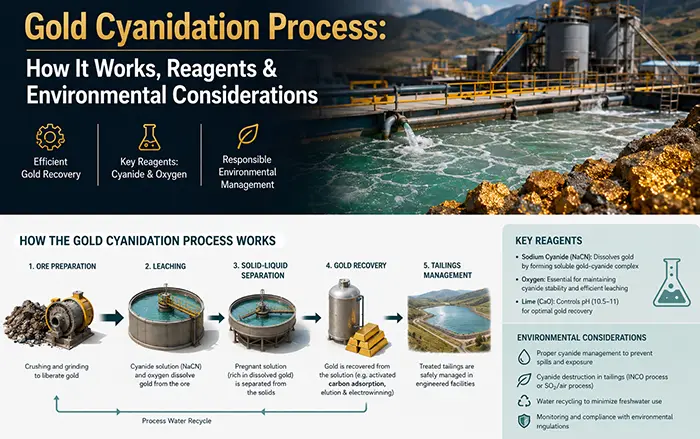
3. CIL (Carbon-in-Leach) Plant
CIL is one of the most popular solutions for small and medium-sized gold plants processing oxidized and free-milling ores.
Typical Process Flow
Crushing
↓
Grinding
↓
Leaching + Carbon Adsorption
↓
Carbon Elution
↓
Electrowinning
↓
Gold Smelting
Advantages
High gold recovery
Compact plant layout
Lower capital investment than large-scale systems
Suitable for continuous production
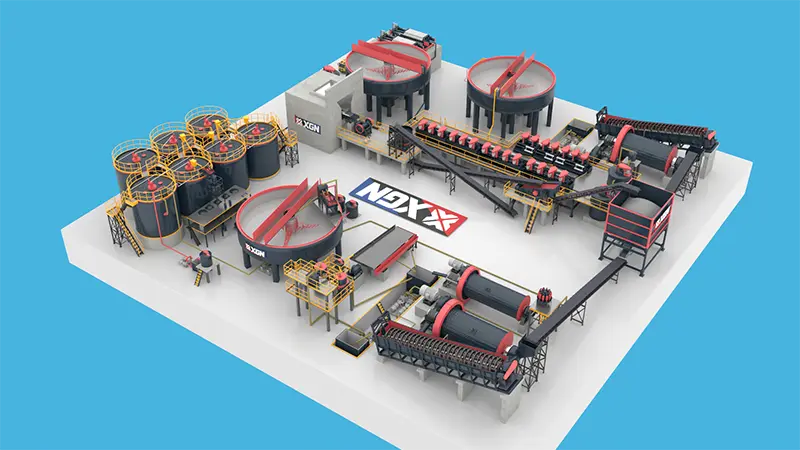
4. CIP (Carbon-in-Pulp) Plant
CIP separates leaching and carbon adsorption into different stages.
This process is commonly selected when higher operational flexibility or improved recovery is required.
Main Equipment for a Small-Scale Gold Processing Plant
Although equipment selection varies by ore type, most plants include the following components.
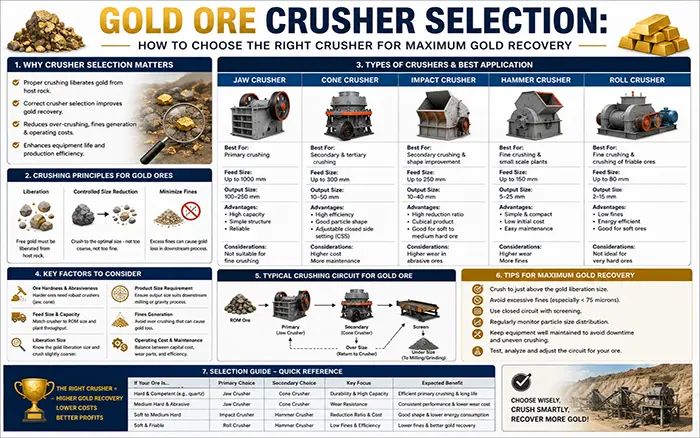
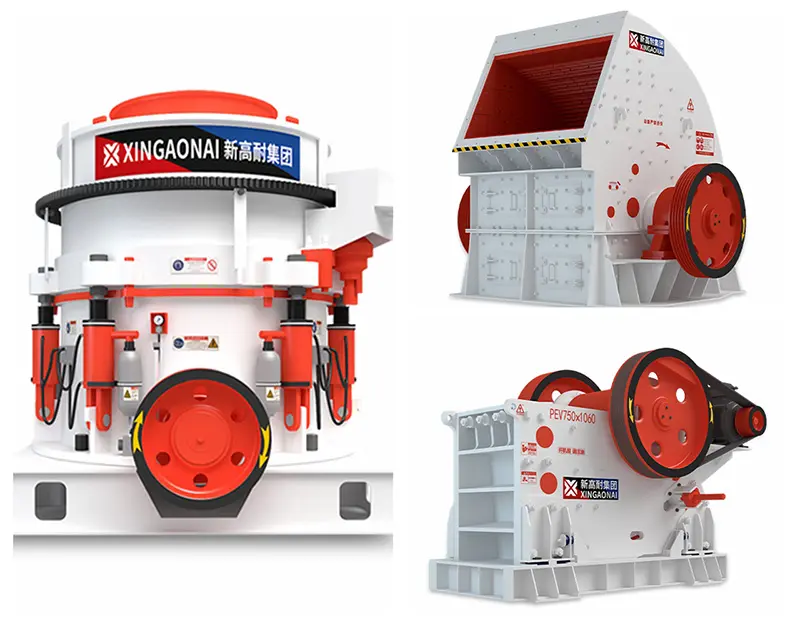
Crushing Equipment
Primary crushing reduces large rocks to a suitable size for grinding.
Common choices include:
Jaw crusher
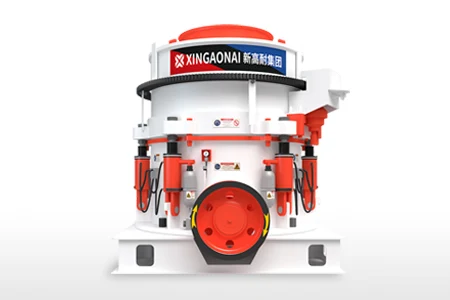
Cone crusher
Hammer crusher
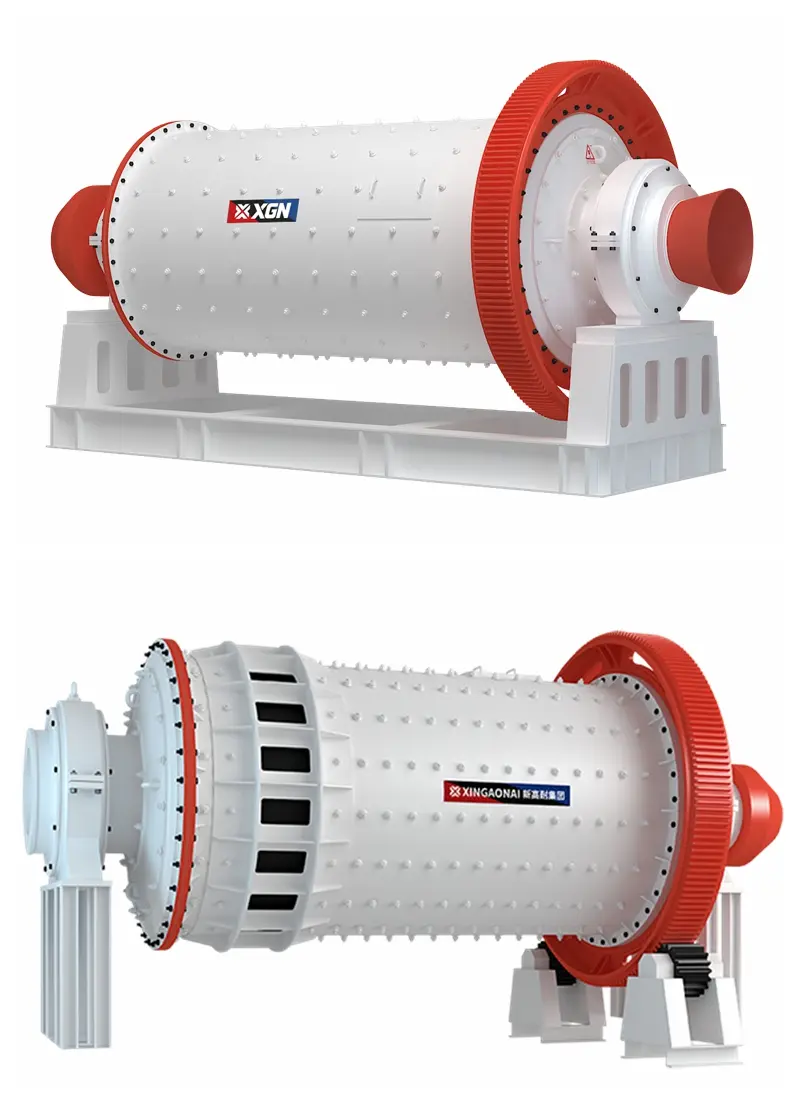
Grinding Equipment
Grinding liberates gold from the surrounding rock.
Typical equipment includes:
Ball mill
Rod mill (for selected applications)
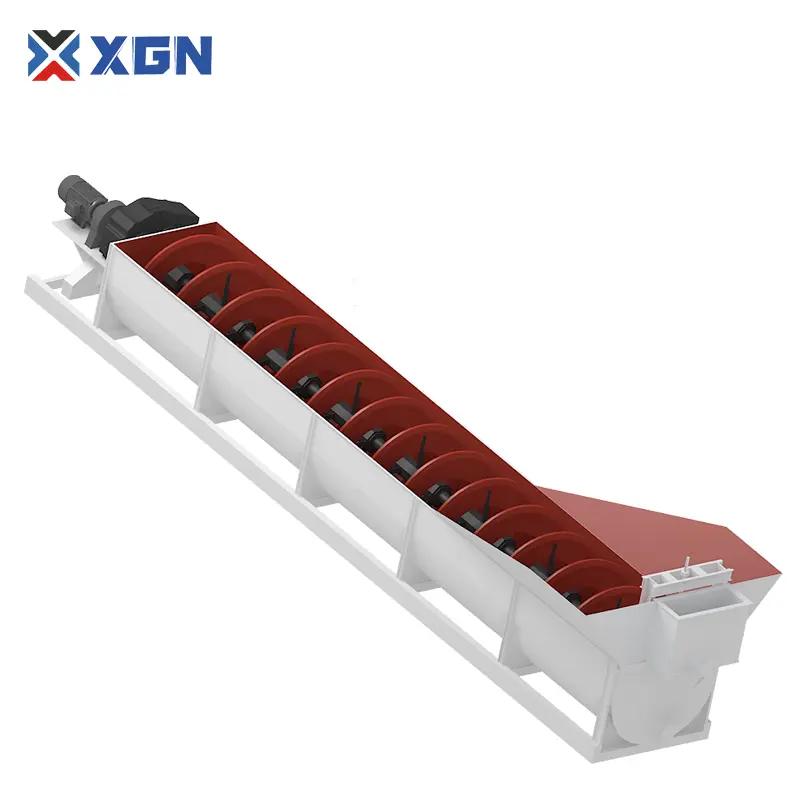
Classification Equipment
Classification ensures the proper particle size before the recovery stage.
Common equipment includes:
Hydrocyclone
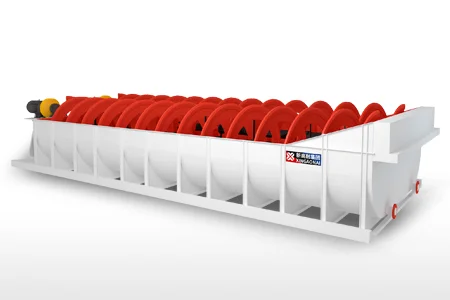
Spiral classifier
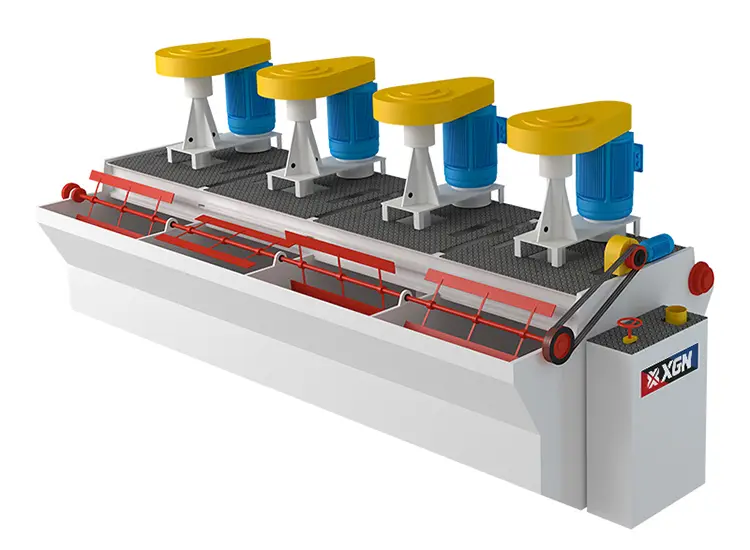
Gold Recovery Equipment
Recovery equipment depends on the selected process.
Typical options include:
Centrifugal gold concentrator
Jig concentrator
Shaking table
Flotation machine
Leaching tank
Carbon adsorption tank
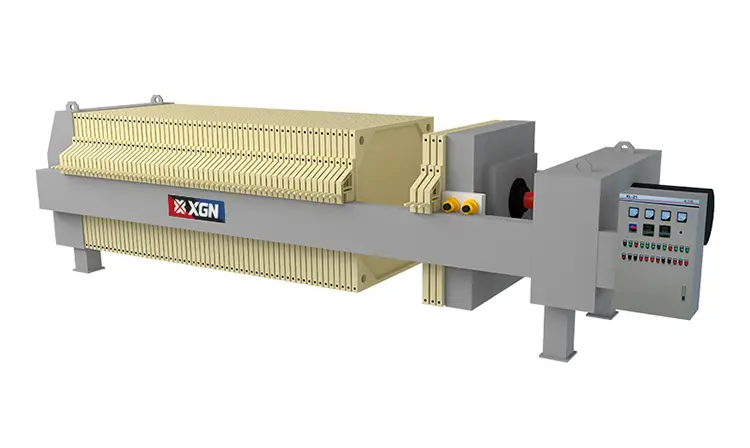
Dewatering Equipment
The final concentrate is usually dewatered before transportation or refining.
Typical equipment includes:
Thickener
Filter press
How Much Does a Small-Scale Gold Processing Plant Cost?
The total investment depends on plant capacity, ore characteristics, equipment configuration, and automation level.
Approximate investment ranges are:
| Plant Capacity | Estimated Investment |
|---|---|
| 5–20 TPH | USD 30,000–150,000 |
| 20–50 TPH | USD 150,000–500,000 |
| 50–100 TPH | USD 500,000–1,500,000 |
| 100–200 TPH | USD 1.5–5 million |
Actual project costs vary according to local construction costs, transportation, environmental requirements, and equipment specifications.
Factors Affecting Gold Recovery
Several variables directly influence plant performance.
Ore Characteristics
Gold particle size, mineral composition, oxidation level, and sulfide content determine the most suitable process.
Grinding Fineness
Proper mineral liberation improves recovery, while excessive grinding may create slimes that reduce efficiency.
Equipment Selection
Choosing equipment that matches the ore characteristics helps maximize recovery and reduce operating costs.
Process Design
A well-designed flowsheet minimizes losses and improves plant stability.
Operator Experience
Routine maintenance, process monitoring, and proper operating procedures are essential for consistent performance.
Advantages of a Small-Scale Gold Processing Plant
Lower Initial Investment
Small plants require significantly less capital than large industrial facilities.
Fast Installation
Most modular plants can be installed and commissioned within a relatively short period.
Flexible Configuration
Equipment can be upgraded or expanded as production increases.
Lower Operating Costs
Compact layouts reduce energy consumption, labor requirements, and maintenance costs.
High Gold Recovery
With the correct process design, small-scale plants can achieve recovery rates comparable to larger operations.
How to Choose the Right Small-Scale Gold Processing Plant
Before selecting equipment, it is important to evaluate several factors.
Conduct Ore Testing
Mineralogical analysis and laboratory testing provide the basis for selecting the most efficient process.
Define Production Capacity
Plant capacity should match current production while allowing room for future expansion.
Consider Operating Costs
Energy, water, labor, maintenance, and reagent consumption all affect long-term profitability.
Choose Reliable Equipment
High-quality equipment offers better performance, longer service life, and lower maintenance requirements.
Work with an Experienced Supplier
A professional supplier can provide process design, equipment manufacturing, installation guidance, and technical support.
Applications of Small-Scale Gold Processing Plants
Small-scale gold processing plants are widely used for:
Hard rock gold mining
Alluvial gold recovery
Oxide gold ore processing
Sulfide gold beneficiation
Gold tailings reprocessing
Pilot plants
Exploration projects
Remote mining operations
Building an Efficient Small-Scale Gold Processing Plant Starts with the Right Process
A successful small-scale gold processing plant combines suitable equipment, an optimized process flow, and reliable technical support. Whether the project uses gravity separation, flotation, CIL, CIP, or a combination of these methods, the best results depend on understanding the ore characteristics and selecting equipment that matches the processing objectives.
With proper planning, professional engineering, and quality equipment, a small-scale gold processing plant can deliver high recovery, stable operation, and excellent long-term economic returns.