Selecting the right gold extraction process is critical for maximizing recovery while controlling operating costs. Among modern cyanide leaching technologies, CIL (Carbon-in-Leach) and CIP (Carbon-in-Pulp) are the two most widely used methods for extracting gold from low-grade and medium-grade ores.
Although both processes use activated carbon to adsorb dissolved gold from cyanide solutions, their process flows, equipment configurations, capital investment, and operating performance differ significantly.
This guide compares CIL vs CIP gold processing, explaining their working principles, technical differences, advantages, costs, and selection criteria to help mine operators choose the most suitable solution.
What Are CIL and CIP Gold Processing?
Both CIL and CIP belong to cyanide leaching technologies that recover gold by dissolving it into a cyanide solution and adsorbing the dissolved gold onto activated carbon.
The main difference lies in when adsorption occurs during the process.
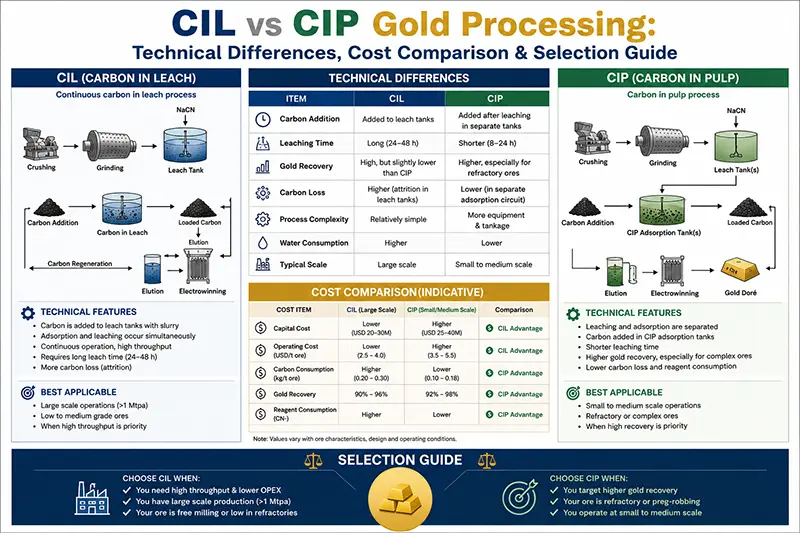
CIL (Carbon-in-Leach): Leaching and carbon adsorption occur simultaneously in the same tanks.
CIP (Carbon-in-Pulp): Cyanide leaching is completed first, and carbon adsorption takes place afterward in separate adsorption tanks.
Although the final product is similar, these process differences affect recovery, plant design, operating costs, and equipment requirements.
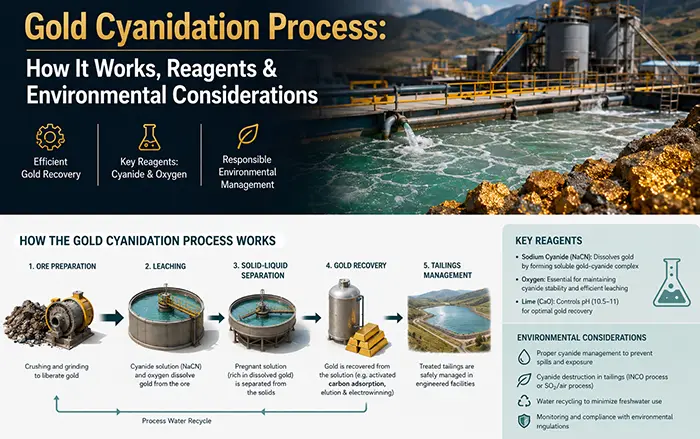
How the CIL Gold Process Works
In a CIL plant, crushed and ground ore enters a series of agitated tanks.
Cyanide and oxygen dissolve the gold while activated carbon is added directly into the same tanks. As gold dissolves, it is immediately adsorbed onto the carbon.
The loaded carbon is then separated, stripped, and sent to electrowinning and smelting to produce doré bars.
Typical CIL Process Flow
Crushing
↓
Grinding
↓
Classification
↓
Leaching + Carbon Adsorption
↓
Carbon Screening
↓
Carbon Elution
↓
Electrowinning
↓
Smelting
How the CIP Gold Process Works
The CIP process separates leaching and adsorption into two different stages.
Gold is first dissolved in cyanide leaching tanks. After leaching is complete, the slurry enters adsorption tanks where activated carbon captures the dissolved gold.
The remaining steps, including carbon stripping and gold recovery, are similar to the CIL process.
Typical CIP Process Flow
Crushing
↓
Grinding
↓
Classification
↓
Leaching
↓
Carbon Adsorption
↓
Carbon Screening
↓
Carbon Elution
↓
Electrowinning
↓
Smelting
Key Technical Differences Between CIL and CIP
| Comparison Item | CIL | CIP |
|---|---|---|
| Leaching and Adsorption | Simultaneous | Separate stages |
| Number of Tanks | Fewer | More |
| Plant Layout | More compact | Larger footprint |
| Carbon Contact Time | Shorter | Longer |
| Gold Adsorption | Continuous | After leaching |
| Equipment Complexity | Lower | Higher |
| Initial Investment | Lower | Higher |
| Process Flexibility | Moderate | Higher |
CIL vs CIP: Recovery Performance
Both technologies can achieve high gold recovery under suitable operating conditions.
CIL Advantages
Faster adsorption reduces dissolved gold losses.
Compact circuits reduce material transfer.
Lower capital investment.
Shorter processing time.
Suitable for medium-sized gold plants.
Typical gold recovery:
90–96%, depending on ore characteristics.
CIP Advantages
Longer adsorption time improves carbon loading.
Better process control.
Easier optimization of individual leaching and adsorption stages.
Suitable for complex or high-grade ores.
Typical recovery:
92–98%, depending on mineralogy and operating conditions.
Equipment Required for CIL and CIP Plants
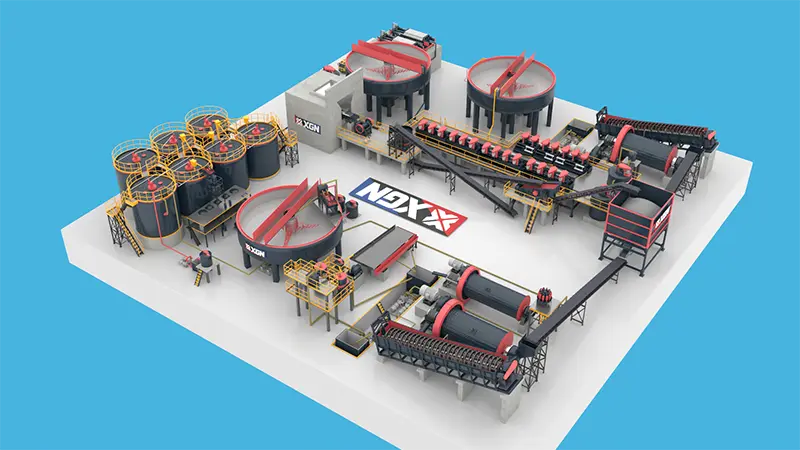
Both systems use similar core equipment.
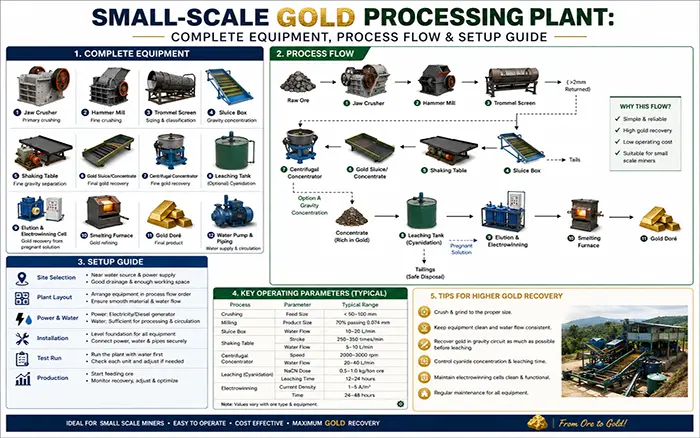
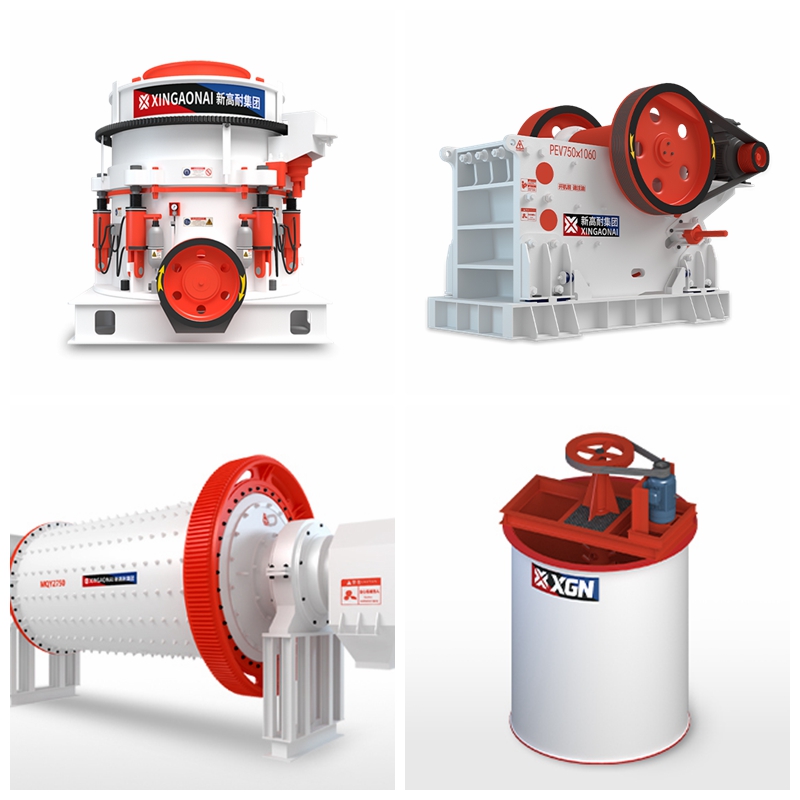
Typical equipment includes:
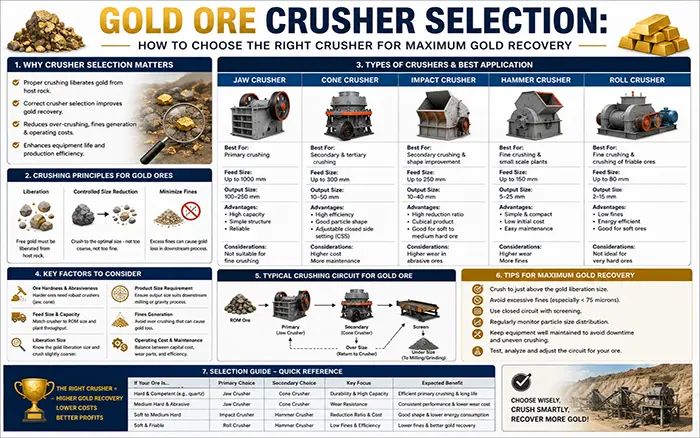
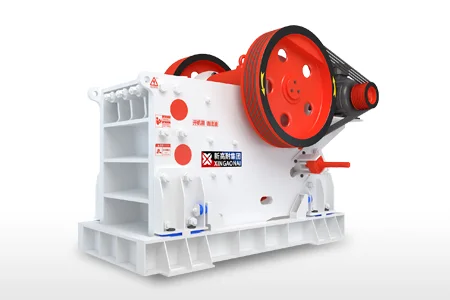
Jaw crusher
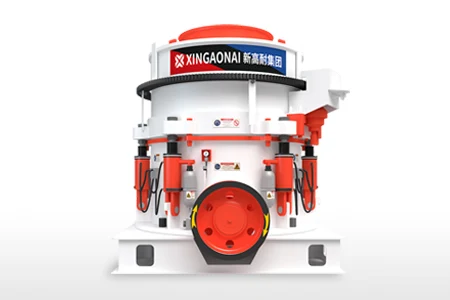
Cone crusher
Hydrocyclone
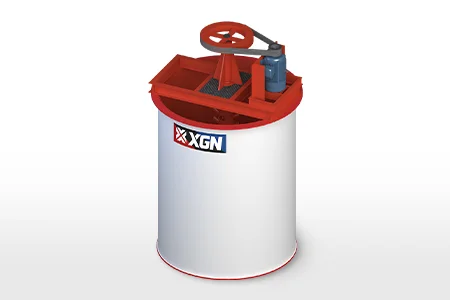
Cyanide leaching tank
Carbon adsorption tank
Carbon screen
Elution column
Electrowinning system
Smelting furnace
Thickener
Slurry pump
The primary equipment difference is that CIL combines leaching and adsorption tanks, while CIP uses separate tanks for each process.
Cost Comparison: CIL vs CIP
Capital Investment
Because CIL combines leaching and adsorption in the same tanks, it generally requires:
Fewer tanks
Less structural steel
Smaller plant area
Lower installation costs
As a result, CIL usually has a lower initial capital investment.
Operating Costs
Operating costs depend on ore characteristics and plant scale.
Typical cost factors include:
Cyanide consumption
Activated carbon consumption
Electricity
Labor
Maintenance
Water usage
In many projects, CIL has slightly lower operating costs due to its simplified flowsheet.
Maintenance Costs
CIL plants generally have fewer tanks and less auxiliary equipment, reducing maintenance requirements.
CIP plants require additional adsorption tanks and transfer systems, which may increase maintenance expenses.
Which Process Is Better?
The answer depends on the ore.
Choose CIL if:
The ore has relatively simple mineralogy.
Capital budget is limited.
A compact plant layout is preferred.
Faster commissioning is required.
Medium production capacity is planned.
Choose CIP if:
The ore contains complex gold minerals.
Higher recovery is the priority.
Large processing capacity is required.
Greater process flexibility is needed.
Independent optimization of leaching and adsorption is desired.
Laboratory testing should always be completed before selecting a process.
Factors Affecting Process Selection
Several factors influence whether CIL or CIP is the better choice.
Ore Mineralogy
Gold occurrence, sulfide content, clay content, and oxidation level all affect process performance.
Gold Grade
Higher-grade ores may justify the higher investment associated with CIP.
Plant Capacity
Large processing plants often benefit from CIP's operational flexibility.
Smaller plants frequently favor CIL due to lower capital costs.
Investment Budget
Limited budgets generally favor CIL because of its simpler plant design.
Environmental Requirements
Water recycling, cyanide management, and tailings treatment should all be considered during process selection.
Can CIL and CIP Be Combined with Other Gold Recovery Methods?
Yes.
Modern gold plants often integrate CIL or CIP with:
Pressure oxidation (POX)
Roasting
Bio-oxidation
Heap leaching (in selected projects)
These combined flowsheets can significantly improve overall gold recovery from complex ores.
Common Applications of CIL and CIP
Both technologies are widely used in:
Gold mining plants
Low-grade gold ore processing
Sulfide gold beneficiation
Oxide gold processing
Large-scale gold concentrators
Gold mine expansion projects
Choosing Between CIL and CIP Starts with Understanding Your Ore
There is no universal answer to the CIL vs CIP gold processing debate. CIL generally offers a simpler flowsheet, lower capital investment, and a more compact plant design, making it suitable for many medium-sized operations. CIP, on the other hand, provides greater operational flexibility and may achieve higher recovery for complex ores by separating leaching and adsorption into dedicated stages.
The best choice depends on comprehensive metallurgical testing, ore characteristics, production targets, and project economics. Working with experienced process engineers and equipment suppliers can help ensure the selected process delivers high recovery, reliable operation, and long-term profitability.