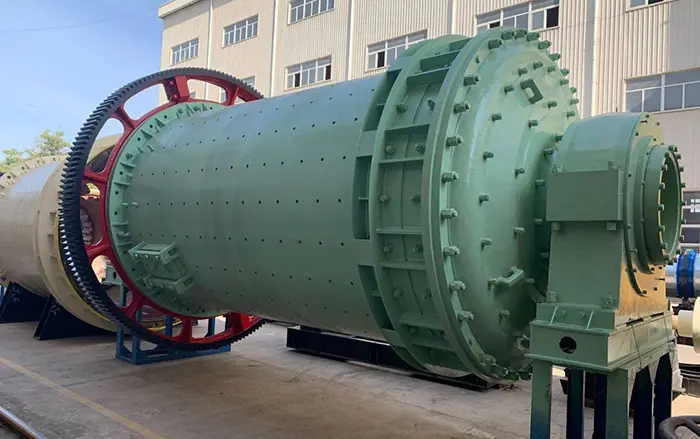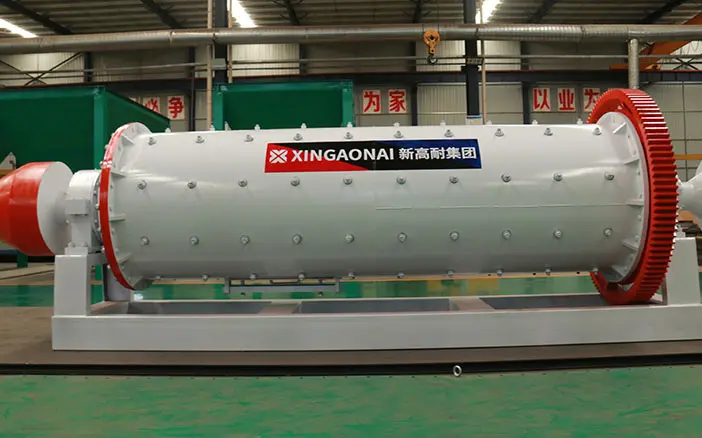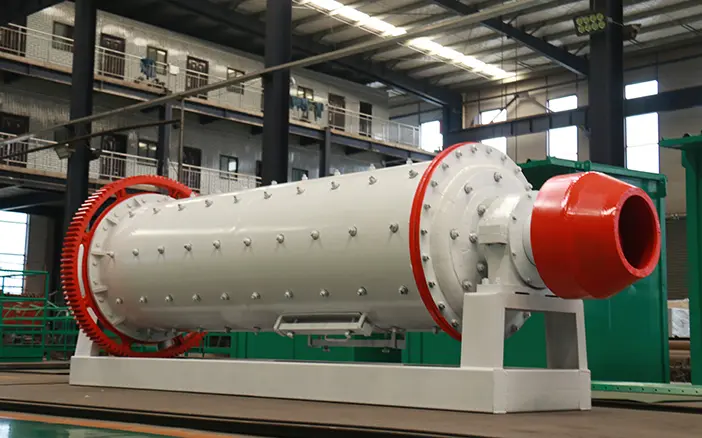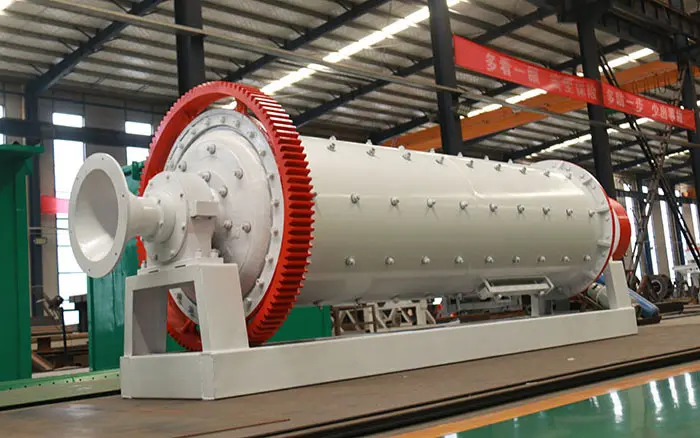
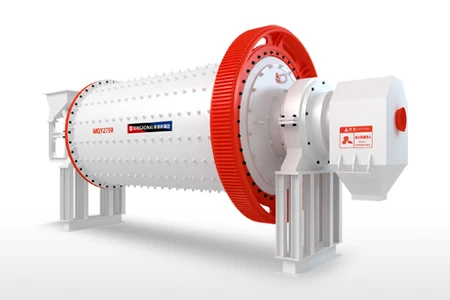
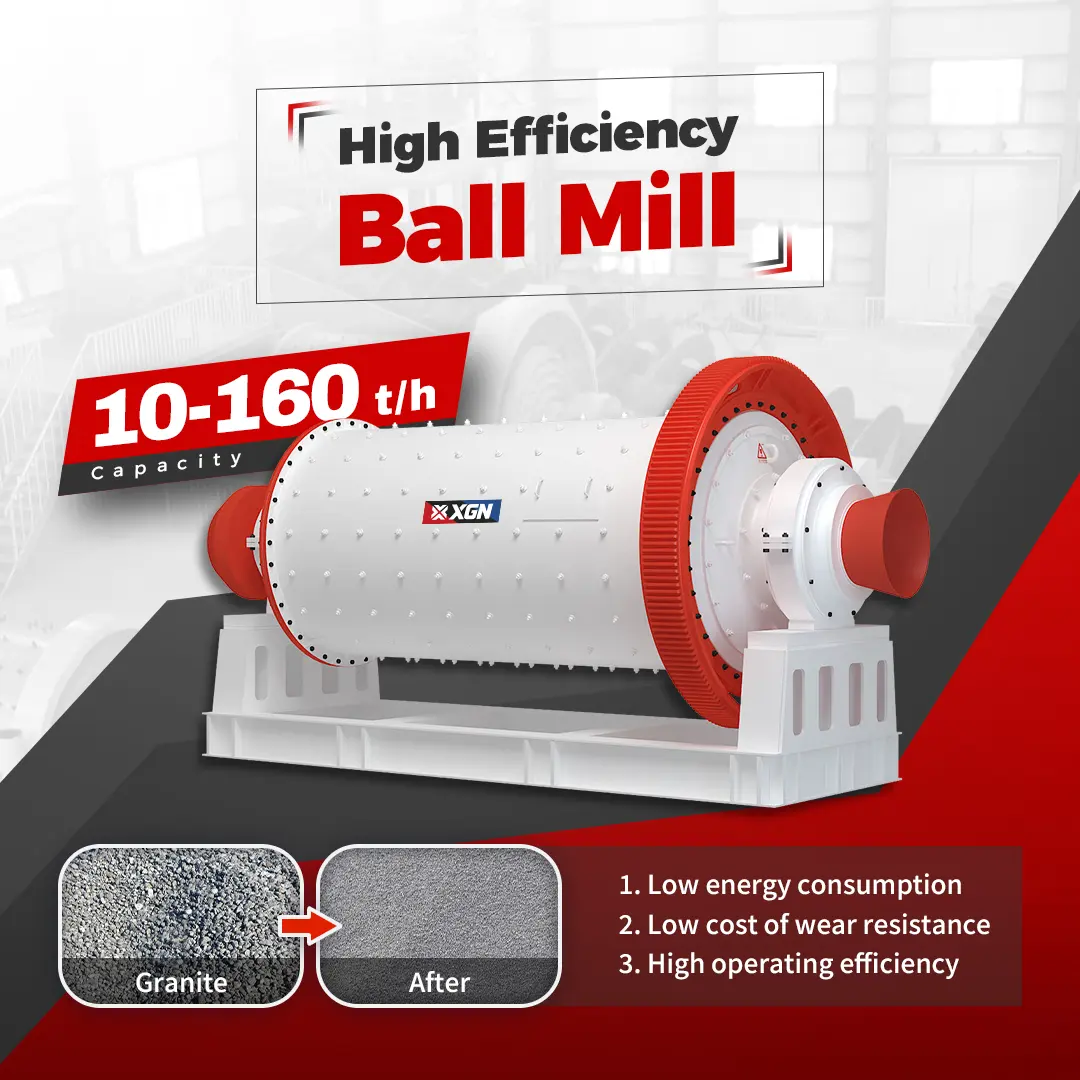
Why Ball Mill Maintenance Matters
Extended Service Life: Proper care reduces wear and tear, preserving the mill’s structural integrity and operational performance over years.
Minimized Downtime: Regular inspections catch small issues early, preventing costly unplanned shutdowns and maintaining production schedules.
Optimized Efficiency: A well-maintained ball mill operates at peak efficiency, with consistent grinding quality and lower energy consumption per unit of product.
Core Components of Ball Mill Maintenance
1. Grinding Media & Liner Maintenance
Inspect Grinding Media: Regularly check the size distribution and wear level of the ball charge. Over time, balls become smaller and lose mass, reducing grinding efficiency. Top up the media charge to maintain the correct weight and blend. Replace worn balls to ensure consistent particle size reduction.
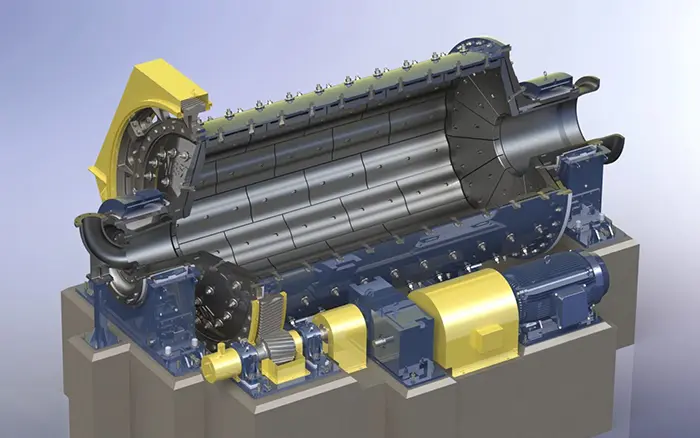
Inspect Mill Liners: Liners protect the mill shell from wear. Check for cracks, holes, or uneven wear. Replace liners when wear reaches 50–70% of their original thickness to prevent shell damage. Pay special attention to the discharge end liners, which often wear faster due to material impact.
2. Drive System Maintenance
Girth Gear & Pinion Inspection: Check tooth contact pattern, wear, and lubrication. Misalignment or poor lubrication causes rapid tooth wear. Clean the gear teeth regularly and apply the correct lubricant. Adjust alignment if uneven wear is detected.
Gearbox & Motor Care: Inspect gearboxes for oil leaks, unusual noise, or overheating. Change lubricant at recommended intervals (typically every 6–12 months). Check motor windings for dirt and ensure cooling fans are functioning.
3. Lubrication System Maintenance
Lubricant Quality & Level: Check oil level and quality daily. Contaminated or degraded oil increases friction and heat. Replace oil or grease when it becomes cloudy, discolored, or contains metal particles.
Lubrication Pump & Filter: Ensure the lubrication pump runs smoothly with sufficient pressure. Clean or replace filter elements regularly to prevent debris from entering critical components. Maintain the correct oil temperature range (usually 40–60°C).
4. Structural & Auxiliary System Maintenance
Main Bearings: Inspect bearing temperature during operation. A sudden temperature rise indicates lack of lubrication or damage. Check for oil leaks and ensure bearing seals are intact.
Mill Shell & Foundation: Inspect the shell for cracks, corrosion, or loose bolts. Check the foundation for settlement or cracks, as this can cause vibration and misalignment.
Feed & Discharge Systems: Check feed pipes, chutes, and discharge grates for blockages or wear. Unobstructed flow ensures stable grinding and prevents overload.
Step-by-Step Ball Mill Maintenance Schedule
Daily Maintenance (Before & After Operation)
Check Lubrication: Verify oil levels, pressure, and leaks in the lubrication system.
Inspect Drive System: Listen for abnormal noise from the motor, gearbox, or gears.
Monitor Temperature: Check bearing and motor temperatures. Record readings for trend analysis.
Clean the Mill: Remove dust and debris from the mill exterior and surrounding area.
Weekly Maintenance
Lubricant Check: Drain and inspect a sample of lubricant for contamination. Top up or change as needed.
Grinding Media Observation: Check for excessive wear or missing balls.
Fastener Inspection: Tighten any loose bolts on the shell, liners, or drive components.
Monthly/Quarterly Maintenance
Liner Inspection: Remove and inspect liners for wear. Replace worn ones proactively.
Girth Gear Overhaul: Clean the girth gear and pinion, check tooth wear, and re-lubricate.
Bearing Maintenance: Disassemble and inspect main bearings for wear or damage.
Annual Overhaul
Complete System Check: Perform a full inspection of all components, including the shell, foundation, and drive train.
Major Part Replacement: Replace worn liners, bearings, or gears based on wear measurements.
Alignment Check: Realign the drive system and mill to ensure smooth operation.
Common Ball Mill Issues & Troubleshooting
1. Excessive Vibration
Causes: Unbalanced grinding media, worn liners, misaligned drive, or foundation issues.
Solutions: Re-balance the media charge, replace worn liners, realign the girth gear and pinion, and inspect the foundation for stability.
2. High Operating Temperature
Causes: Insufficient lubrication, blocked lubrication lines, or overloading.
Solutions: Check lubricant level and pressure, clean oil lines, and adjust feed rate to prevent overloading.
3. Unusual Noise
Causes: Metal-on-metal contact (from missing liners or balls), foreign objects in the mill, or gear wear.
Solutions: Stop the mill immediately to inspect for missing parts or debris. Check gears and bearings for wear.
4. Poor Grinding Efficiency
Causes: Incorrect media size/weight, worn liners, or blocked feed/discharge.
Solutions: Optimize the ball charge, replace liners, and clear any blockages in the system.
Best Practices for Ball Mill Maintenance
Use Genuine Parts: Always replace worn parts with original or high-quality equivalents to ensure compatibility and longevity.
Train Operators: Ensure all staff are trained on proper operation and basic maintenance checks to catch issues early.
Keep Detailed Records: Log maintenance activities, part replacements, and operating data to identify patterns and plan future maintenance proactively.
Follow Manufacturer Guidelines: Adhere to the maintenance schedule and specifications provided by the ball mill manufacturer.