XINGAONAI Group · Project Case
1,200 TPH Diabase Crushing and Screening Plant in China
- LOCATIONChina
- MATERIALDiabase
- Design Capacity1,200 TPH
- FEED SIZE≤1,000 mm
- FINAL PRODUCT0–5 mm, 5–10 mm, 10–20 mm, 20–31.5 mm
Use this project as a reference. Equipment selection and actual output depend on the material, feed conditions and required product specifications.
Project overview
Case Introduction

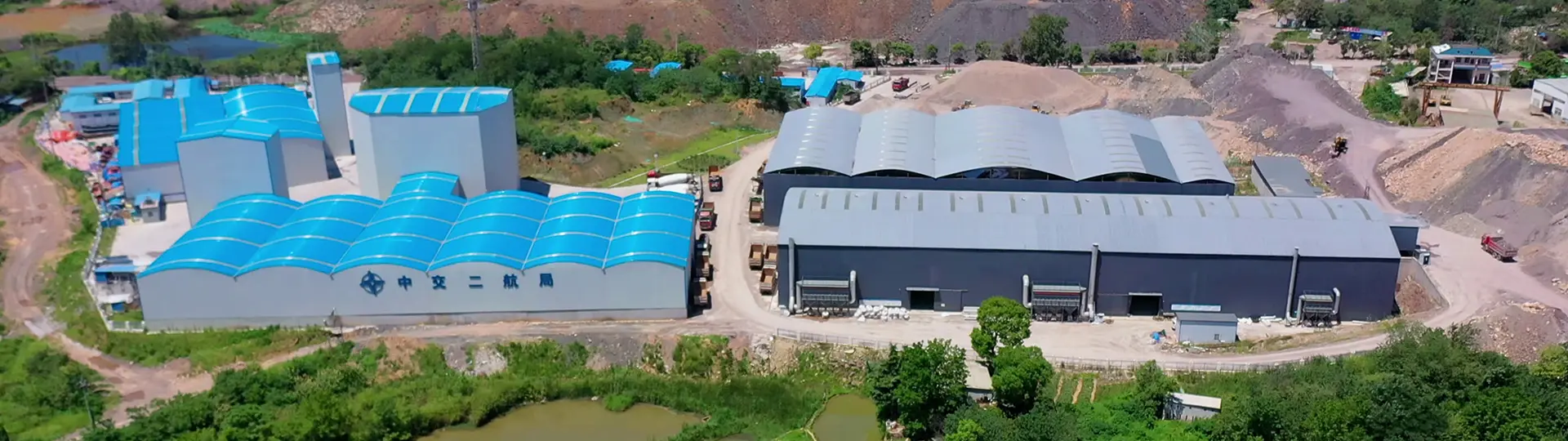
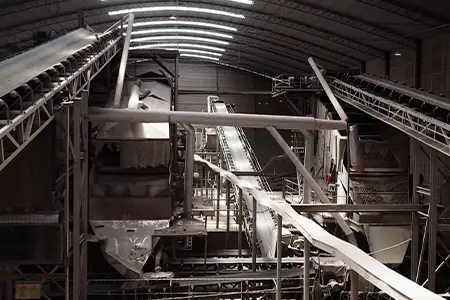
This 1,200 TPH diabase crushing and screening plant is located in China. It processes diabase with a maximum feed size of 1,000 mm and produces four graded aggregate sizes: 0–5 mm, 5–10 mm, 10–20 mm and 20–31.5 mm.
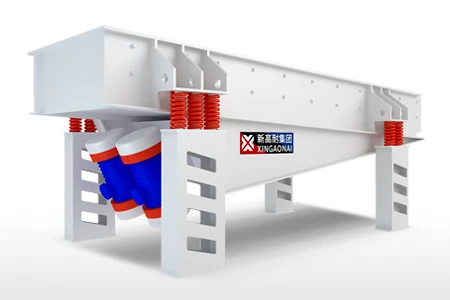
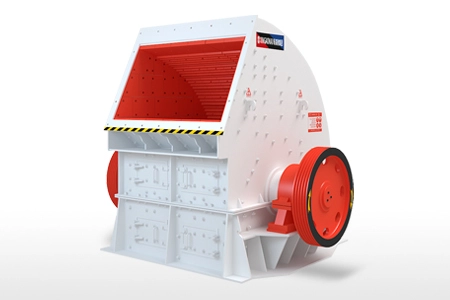
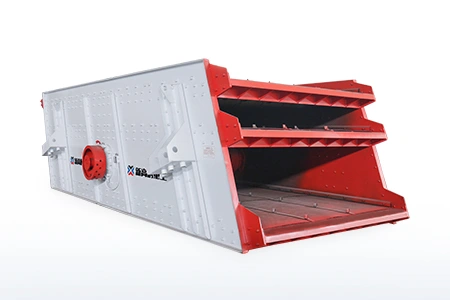
Two ZG Series vibrating feeders provide controlled, even feeding to one heavy hammer crusher. After crushing, belt conveyors transfer the material to two YKZ Series vibrating screens for accurate classification. Qualified aggregates enter separate stockpiles, while oversize material is returned for reprocessing.
Because diabase is hard and abrasive, stable feeding and regular inspection of wear parts, screen media and conveyor components are important for reliable operation. Actual throughput depends on feed gradation, moisture, crusher settings, screen openings and site conditions.
Material processing
Process Flow
Diabase with a maximum feed size of 1,000 mm is distributed by two ZG Series vibrating feeders to a heavy hammer crusher. The crushed material is then conveyed to two YKZ Series vibrating screens, which separate it into four finished aggregate sizes. Oversize material returns to the crusher for reprocessing.
Raw Diabase
Diabase with a maximum feed size of 1,000 mm is discharged from the feed hopper.
Controlled Feeding
Two ZG Series vibrating feeders distribute the raw material evenly and continuously to the crusher.
Primary Crushing
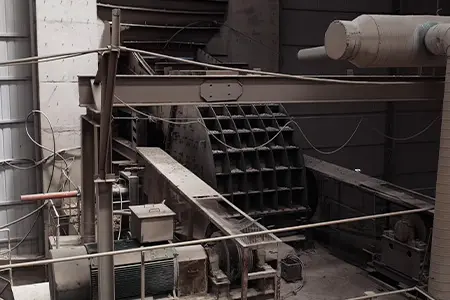
One heavy hammer crusher reduces the diabase to a size suitable for downstream screening.
Material Conveying
Belt conveyors transfer the crushed material to the screening section.
Two-Line Screening
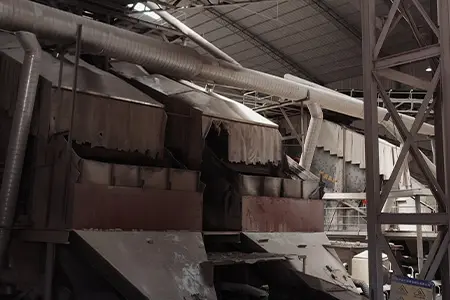
Two YKZ Series vibrating screens classify the material into four required aggregate sizes.
Finished Products and Return Circuit
Qualified products enter separate stockpiles, while oversize material returns to the crusher for reprocessing.
Complete processFeed hopper → Two ZG Series vibrating feeders → Heavy hammer crusher → Belt conveyors → Two YKZ Series vibrating screens → Finished-product stockpiles / Oversize return
Equipment configuration
Main Equipment
| Process Stage | Equipment / Model | Quantity |
|---|---|---|
| Feeding | ZG Series Vibrating Feeder | 2 sets |
| Crushing | Heavy Hammer Crusher | 1 set |
| Screening | YKZ Series Vibrating Screen | 2 sets |
Explore the Related Equipment
Project details
Project Scope & Technical Details
Product Gradation and Screening Control
The four product fractions serve different aggregate requirements. Maintaining their separation depends on consistent crusher discharge, suitable screen openings and even material distribution across the screening surfaces.
Screen condition also affects product quality. Worn or damaged screen media can allow oversized particles into a finished-product stockpile. Routine checks should therefore cover screen openings, panel fastening and material build-up, together with sampling of the finished aggregates.
Managing the Oversize Return Load
The return circuit sends oversized material back for further crushing. Its load should be monitored alongside fresh feed: excessive recirculation can increase the material handled by the crusher, conveyors and screens without a corresponding increase in finished-product output.
If the return load rises, operators should check feed gradation, crusher wear, discharge settings and screening performance before increasing the feed rate.
Wear Management for Diabase Processing
Diabase can place demanding wear loads on crushing and material-handling equipment. Inspection should focus on crusher wear parts, screen media, conveyor loading areas and transfer-point liners.
Maintenance intervals should follow the equipment manual and observed wear condition. Recording operating hours, replacement history and changes in product gradation helps operators identify deterioration and plan maintenance.
Understanding the 1,200 TPH Design Capacity
The stated capacity is a nominal design value rather than a guaranteed output under every operating condition. Saleable aggregate output depends on feed size distribution, moisture, material characteristics, required product split, equipment condition and the amount of material circulating in the return circuit.
Performance assessment should distinguish fresh feed, recirculating material and finished-product output. These measurements provide a clearer picture of plant performance than conveyor throughput alone.
Aggregate Quality and End Use
Suitability for concrete, road bases or other construction applications should be confirmed through project-specific testing. Relevant checks may include particle size distribution, particle shape, fines content, abrasion resistance and other properties required by the applicable specification.
Separating stockpiles and controlling contamination during conveying, storage and loading help preserve the quality achieved during processing.
Equipment & project support
Support for Your Equipment and Plant
Discuss the engineering, equipment supply and service support required for your project. Responsibilities and deliverables are defined in the agreed scope.
Professional Solution,High Efficiency
Full and complete service system,professional team,guarantee the production efficiency
Full Specifications For Choice
medium and large sized production needs
Free Technical Support and Service
Product installation,commissioning,technical training,etc
Questions about this project
Frequently Asked Questions
What is the design capacity of the diabase plant in China?
The nominal design capacity is 1,200 TPH. Actual output depends on feed gradation and moisture, crusher settings, screen openings and site operating conditions.
What material and maximum feed size does the plant process?
The plant is designed for diabase with a maximum feed size of 1,000 mm.
What main equipment is used in the production line?
The listed configuration includes two ZG Series vibrating feeders, one heavy hammer crusher and two YKZ Series vibrating screens.
What finished aggregate sizes does the plant produce?
The plant produces four graded sizes: 0–5 mm, 5–10 mm, 10–20 mm and 20–31.5 mm.
How is oversize material handled?
Material that does not pass the required screen opening is returned to the crusher for reprocessing. This closed circuit helps control the final product gradation.
Why does diabase crushing require careful wear-part management?
Diabase is hard and abrasive. Crusher wear parts, screen media, conveyor transfer points and lubrication systems should therefore be inspected regularly. Maintenance intervals depend on the feed characteristics, operating hours and equipment load.
Plan your project
Discuss a Similar Crushing or Processing Project
Tell us your material, maximum feed size, target capacity, finished-product specifications and project location. These details help our team assess the equipment and process requirements.
Send message
Fields marked * are required. Country and phone are optional. For spare parts, include the equipment model and serial number.