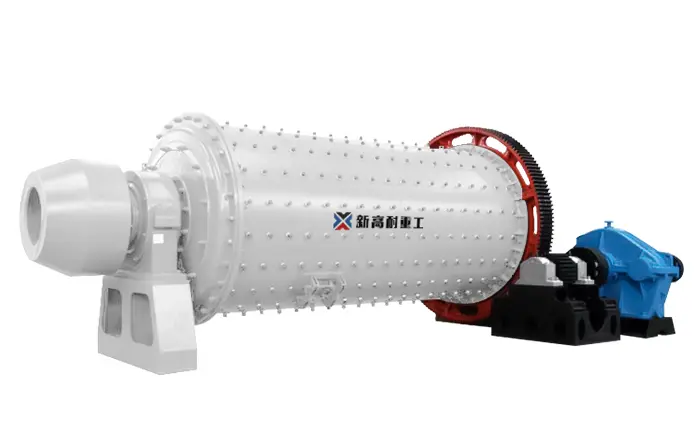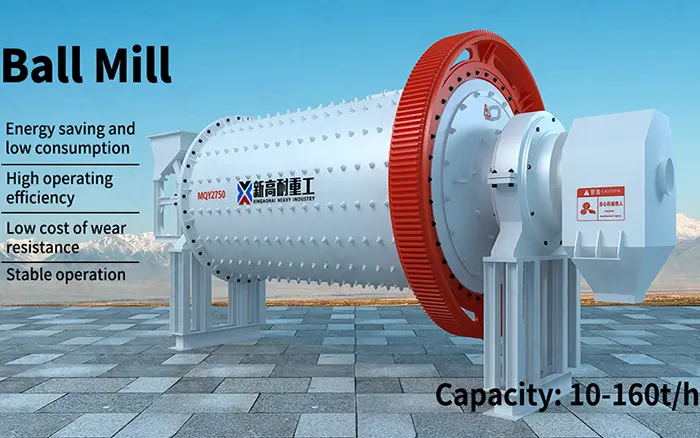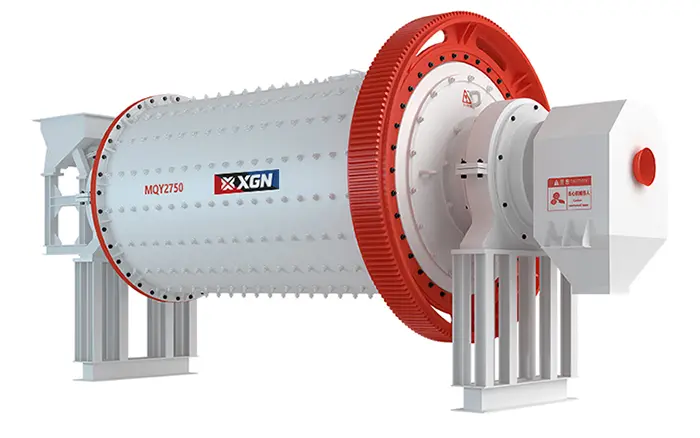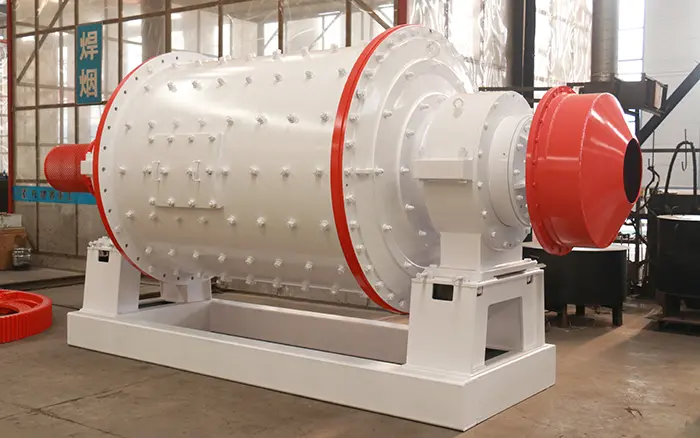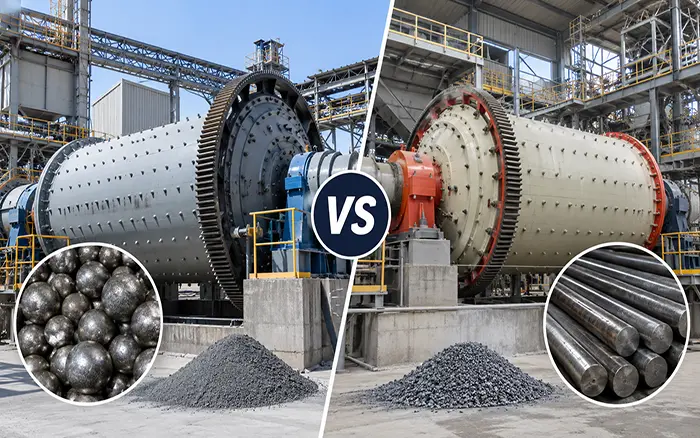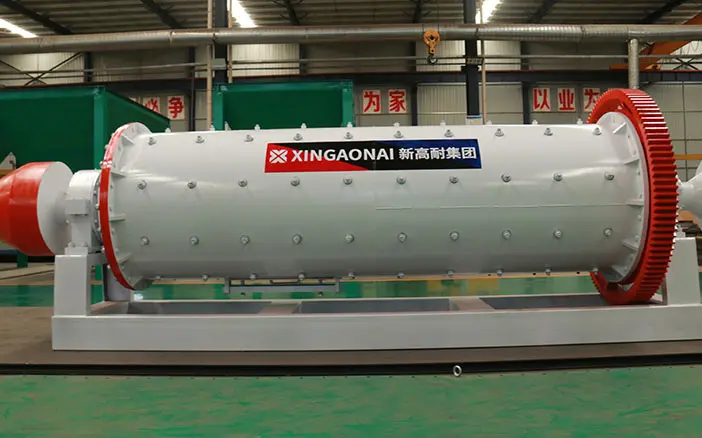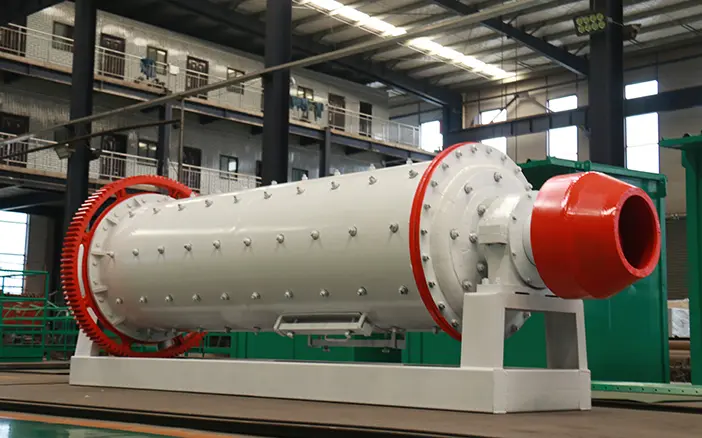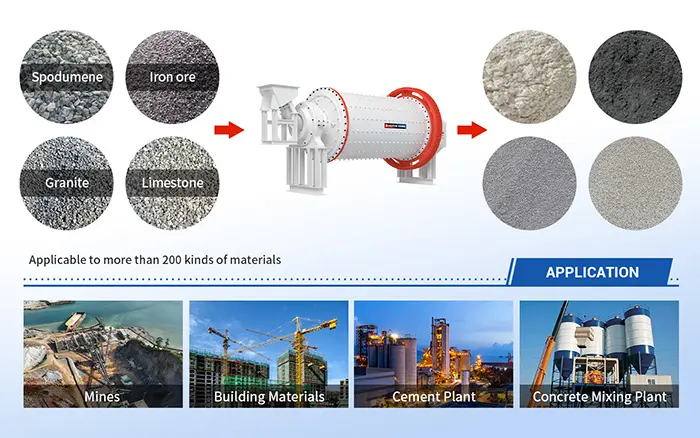
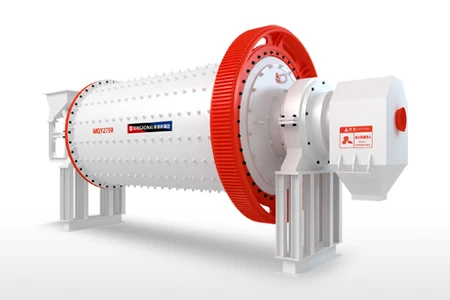
A ball mill is a simple grinding machine used to grind materials into fine powder, widely applied in mining, laboratories, and small-scale production. Understanding how to make a ball mill can help you build a cost-effective solution for grinding various materials.
This guide explains the basic structure, required materials, and step-by-step process to build a simple ball mill.
1. Basic Principle of a Ball Mill
Before learning how to make a ball mill, it is important to understand how it works.
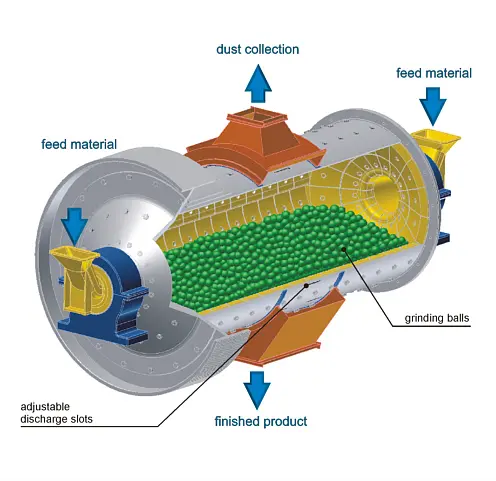
A ball mill consists of a rotating cylindrical container filled with grinding media such as steel balls. As the cylinder rotates, the balls rise and fall, crushing and grinding the material through impact and friction.
2. Materials and Tools Needed
To build a simple ball mill, you will need:
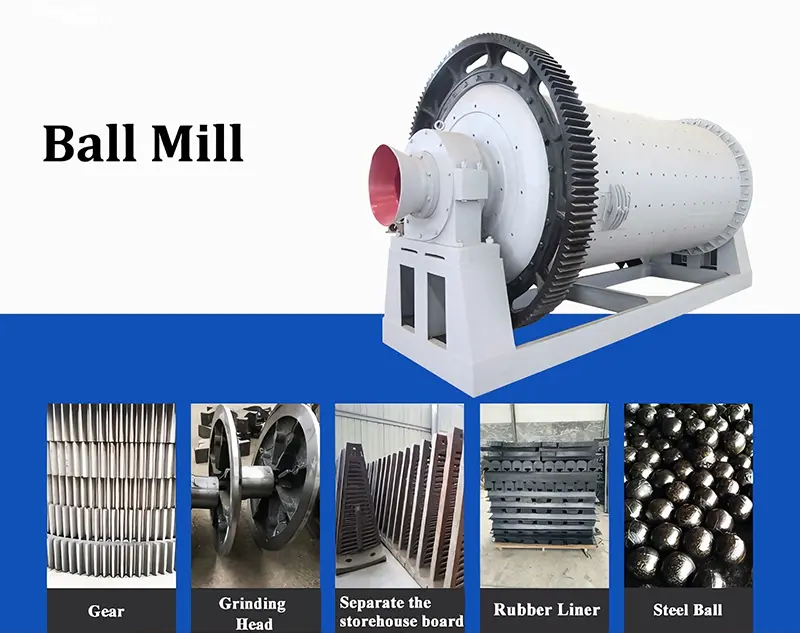
A cylindrical container (metal drum or thick PVC pipe)
Steel balls or other grinding media
Electric motor
Belt and pulley system
Bearings and shaft
Metal frame or support structure
Choosing durable materials ensures stable operation and longer service life.
3. Steps to Make a Ball Mill
Step 1: Build the Cylinder
Select a strong cylindrical container and ensure both ends are securely sealed, leaving one side openable for loading materials.
Step 2: Install the Shaft and Bearings
Attach a shaft to the cylinder and mount it on bearings to allow smooth rotation.
Step 3: Set Up the Motor and Drive System
Connect the motor to the cylinder using a belt and pulley system to control rotation speed.
Step 4: Construct the Supporting Frame
Build a stable frame to hold the entire structure and reduce vibration during operation.
Step 5: Add Grinding Media and Materials
Place steel balls and the material into the cylinder, ensuring proper filling levels.
Step 6: Test and Adjust
Run the ball mill and adjust the speed, alignment, and stability to achieve optimal grinding performance.
4. Key Design Considerations
When making a ball mill, consider the following:
Rotation speed: Must be appropriate to ensure effective grinding
Filling ratio: Avoid overfilling or underfilling
Material strength: Use durable materials to prevent damage
Safety protection: Install covers to prevent accidents
Proper design improves efficiency and ensures safe operation.
5. Applications of a Homemade Ball Mill
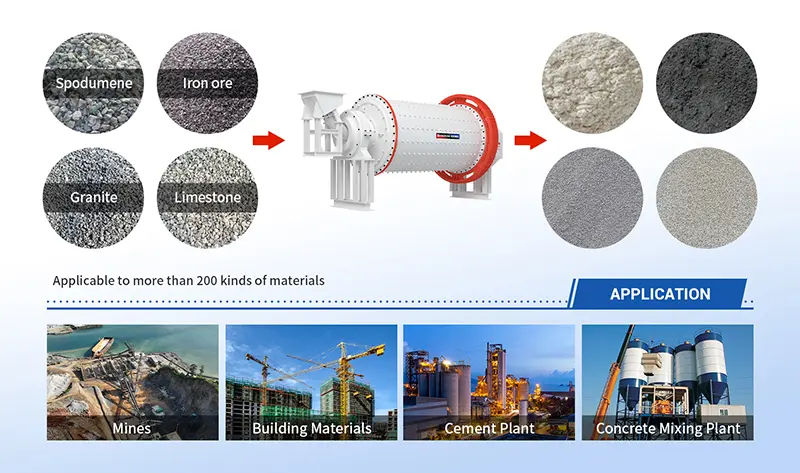
A DIY ball mill can be used for:
Grinding ores and minerals
Laboratory testing
Small-scale production
Material research and development
It is suitable for users who need a low-cost grinding solution.
6. Safety Tips When Using a Ball Mill
Safety is essential when operating a ball mill:
Always use protective covers
Avoid overloading the mill
Regularly check components for wear
Keep hands away from moving parts
Proper precautions help prevent accidents and equipment damage.
Building a Practical Ball Mill for Small-Scale Use
Learning how to make a ball mill allows you to create a simple and effective grinding machine for various applications. By following proper design principles and safety guidelines, you can build a reliable ball mill that delivers consistent performance.