BLOG
BLOG
HOME > BLOG > Details

BLOG

CONTACT

Recommended Products

BLOG

Plate and Frame Filter Press Notes: A Practical Technical Reference

Release time:2026-06-08 Views:0

A plate and frame filter press is a batch filtration device widely used in industries such as mining, chemical, food, and wastewater treatment. It separates solids from liquids by forcing slurry through a series of filter cloths between plates and frames. To get the best results and avoid costly downtime, operators need a set of practical notes. This article provides clear, concise plate and frame filter press notes covering working principle, key components, operation steps, and maintenance advice.

How a Plate and Frame Filter Press Works

The working principle is simple. Slurry is pumped into the press and flows into hollow frames. The filter cloths on both sides of each frame trap solid particles while liquid passes through and exits via drain ports. Over time, solids build up inside the frames to form a filter cake. When the frames are full, the feed stops. The press opens, and the cake drops out.

This cycle repeats for each batch. Understanding this cycle is the first of many important plate and frame filter press notes.

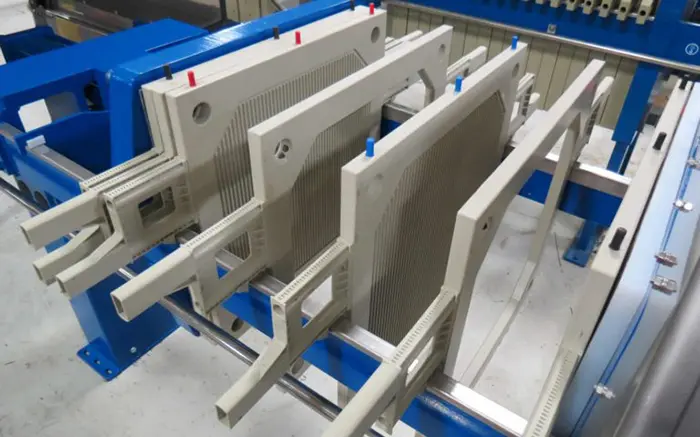
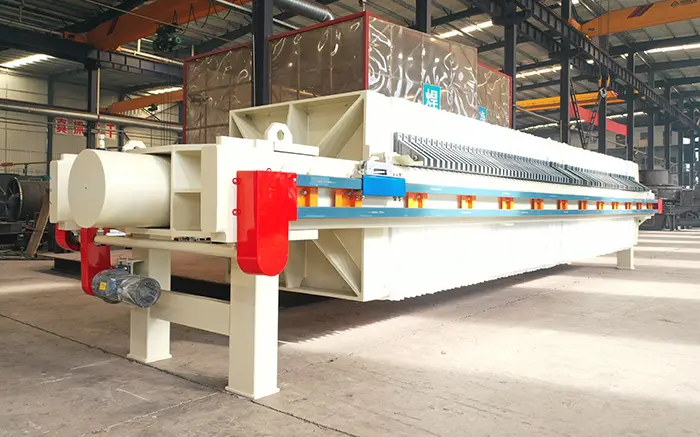
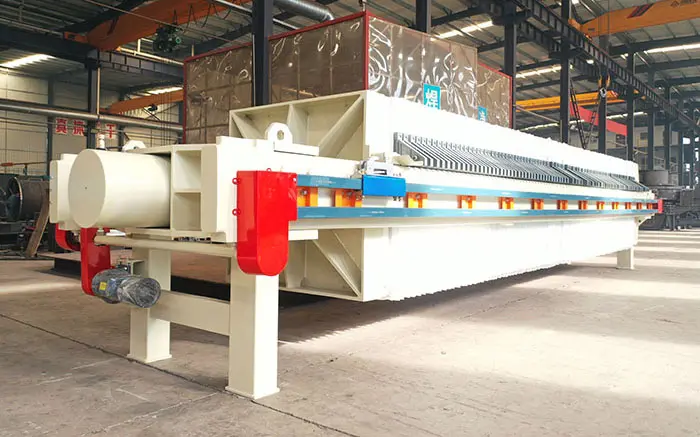
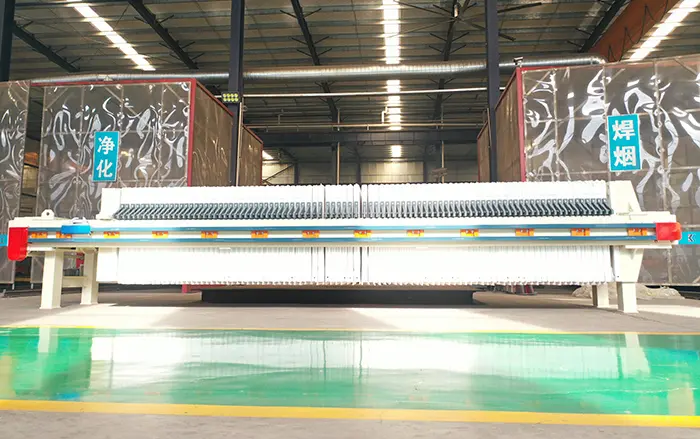
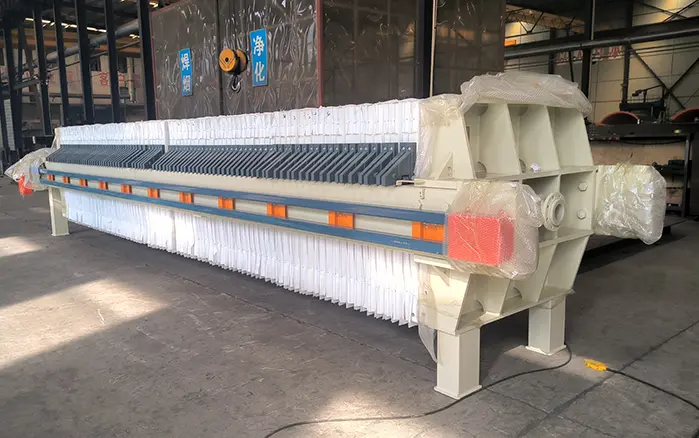
Working principle of plate and frame filter press

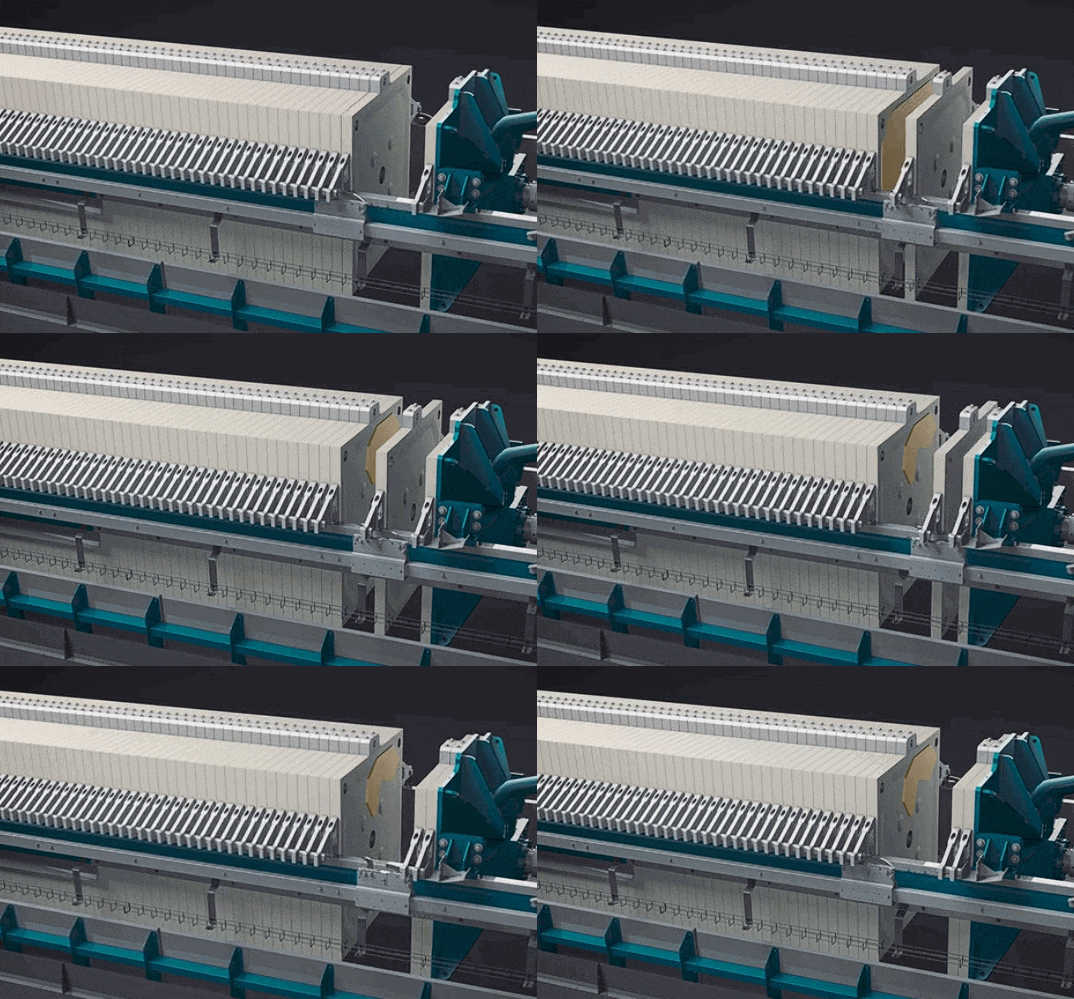
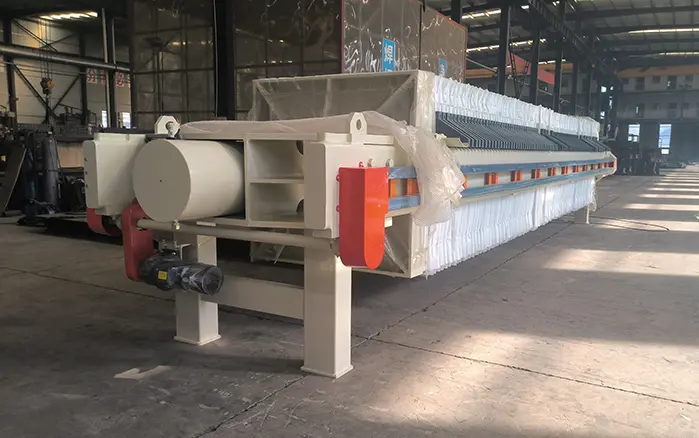
Working process of plate and frame filter press

Key Components to Know

Before operating or maintaining the press, identify these main parts:

  • Frame: Holds the filter cloth and receives the slurry. The cake forms inside the frame.

  • Plate: Solid plate with grooved surfaces that support the filter cloth and allow filtrate to drain.

  • Filter cloth: The actual filtering medium. It must be properly sized and free of holes.

  • Hydraulic closing system: Clamps the plates and frames together under high pressure to prevent leaks.

  • Manifold and feed pump: Delivers slurry to the press.

  • Cake discharge system: May be manual or automatic (plate shifter).

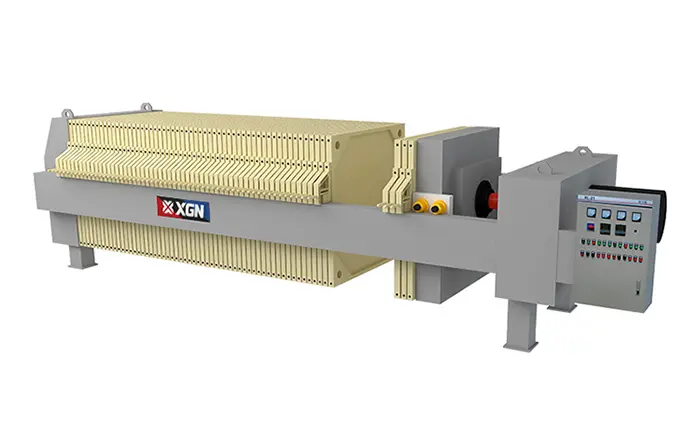
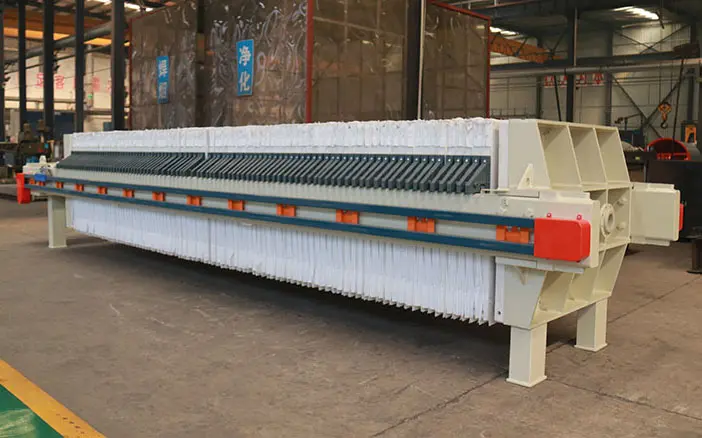
plate and frame filter press diagram

Operation Notes: Step by Step

Follow these plate and frame filter press notes during operation.

1. Pre‑start check. Ensure all plates and frames are aligned and clean. Check filter cloths for tears or wrinkles. Verify hydraulic pressure is at the recommended level.

2. Closing the press. Activate the hydraulic system to close the plate pack. Apply enough pressure to create a tight seal but not so much that it damages components.

3. Feeding slurry. Start the feed pump slowly. Gradually increase pressure to avoid shocking the cloths. Monitor the filtrate. If it is cloudy, a cloth may be damaged or the seal is leaking.

4. Filtration and cake formation. Continue feeding until the frames are full. You will see a rise in feed pressure or a drop in filtrate flow. Stop the pump.

5. Air blow (optional). Some processes use compressed air to blow residual liquid from the cake.

6. Opening and cake discharge. Retract the hydraulic ram. Separate plates one by one. The cake falls by gravity. For automatic presses, the plate shifter does this work.

7. Cleaning. Remove any cake residue from plates and cloths. High‑pressure water spray is common.

Maintenance Notes for Long Life

Regular maintenance is critical. These plate and frame filter press notes will help extend equipment life.

  • Inspect filter cloths daily. Look for holes, blinding, or stiffness. Replace worn cloths promptly.

  • Check plate surfaces. Cracks or warped plates cause leaks and poor cake formation.

  • Lubricate hydraulic system. Follow the manufacturer’s schedule for oil changes and greasing.

  • Clean the manifold and feed ports. Slurry buildup can block flow and reduce efficiency.

  • Monitor hydraulic pressure. Low pressure leads to leaking; high pressure may damage plates.

  • Keep spare parts on site. Typical spares include cloths, gaskets, and hydraulic seals.

Common Problems and Troubleshooting

ProblemLikely CauseSolution
Cloudy filtrateTorn cloth, loose plate, or cloth misalignmentInspect and replace cloth; reseal plates
Wet cakeFeed pressure too low, or insufficient filtration timeIncrease pressure; check feed pump
Slow cycle timeClogged feed ports or blinded clothsClean ports; wash or replace cloths
Leakage between platesLow hydraulic pressure or worn gasketsIncrease pressure; replace gaskets
Plate cracksOver‑tightening or excessive feed pressureReduce pressure; replace cracked plate

Safety Notes

Always follow safety protocols when working with a plate and frame filter press.

  • Lock out/tag out before opening the press for cleaning or repair.

  • Wear PPE – gloves, goggles, and protective clothing.

  • Release pressure completely before loosening any hydraulic connections.

  • Never stand in front of the press while it is opening – cake may drop suddenly.

Conclusion

These plate and frame filter press notes provide a foundation for efficient and safe operation. By understanding the working principle, performing regular inspections, and following proper maintenance, you can maximize uptime and product quality. Always refer to your equipment manual for model‑specific details.


Send message

Please enter your name
Please enter your email
Please enter your message