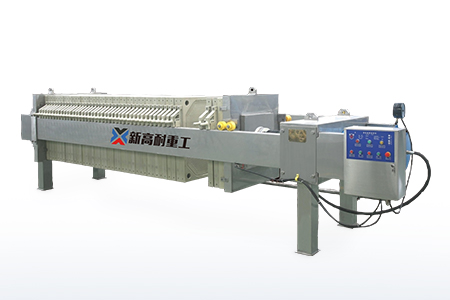
Plate and frame filter presses are widely used for solid-liquid separation in industries such as mining, chemical processing, food production, and wastewater treatment. While the technology itself is mature, selecting the right manufacturer remains a critical decision that directly impacts efficiency, operating cost, and long-term reliability.
This guide provides a structured comparison of leading manufacturers, key selection criteria, pricing insights, and real-world application considerations to help buyers make informed decisions.
What Is a Plate and Frame Filter Press?
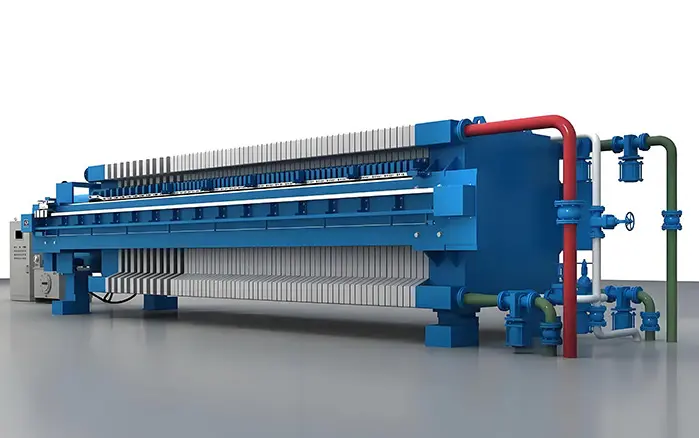
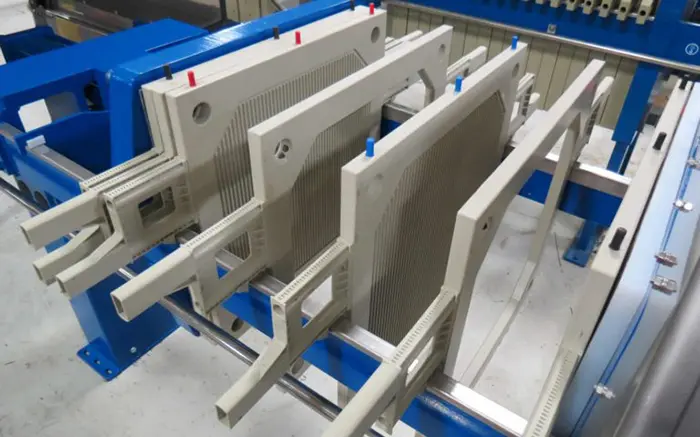
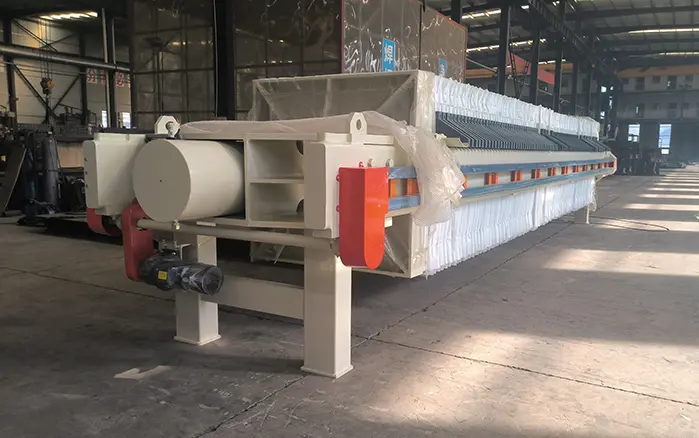
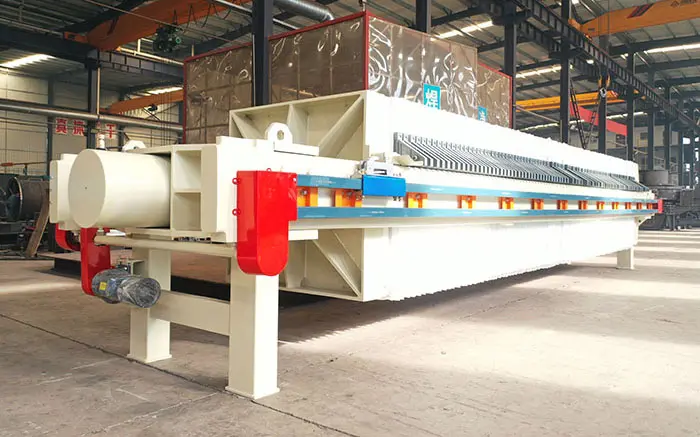
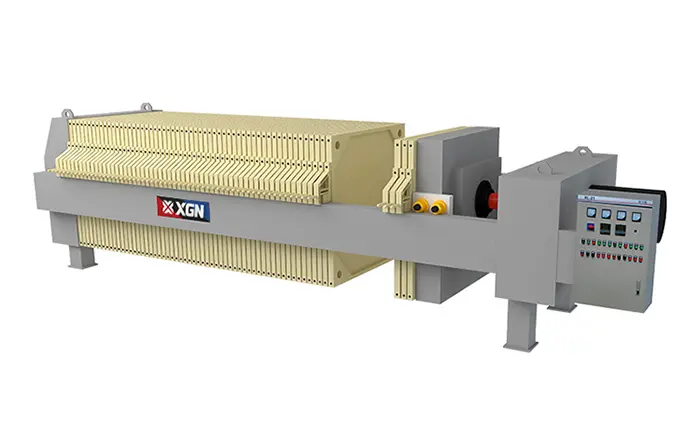
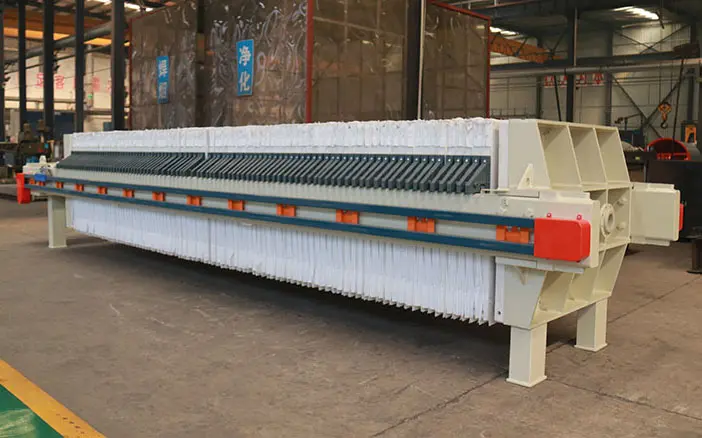
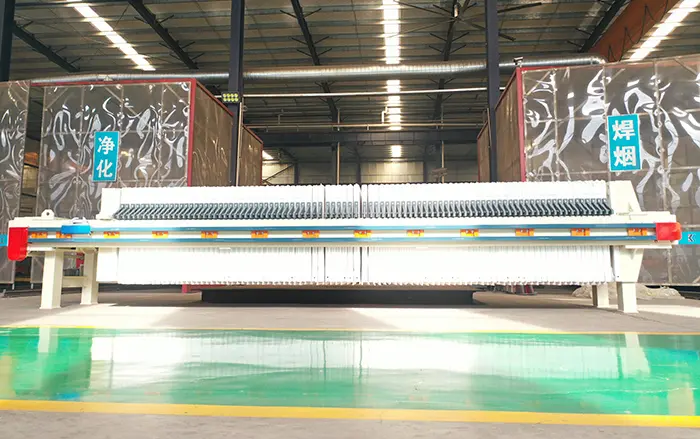
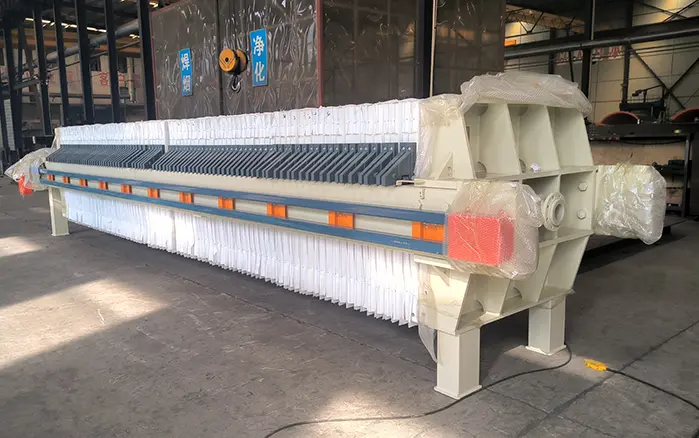
A plate and frame filter press is a pressure filtration system that separates solids from liquids using a series of filter plates and frames covered with filter cloth. Slurry is pumped into the chambers, where solids are retained and filtrate passes through the cloth.
Compared with chamber filter presses, this design allows adjustable filter cake thickness and is suitable for processes requiring higher filtration precision.
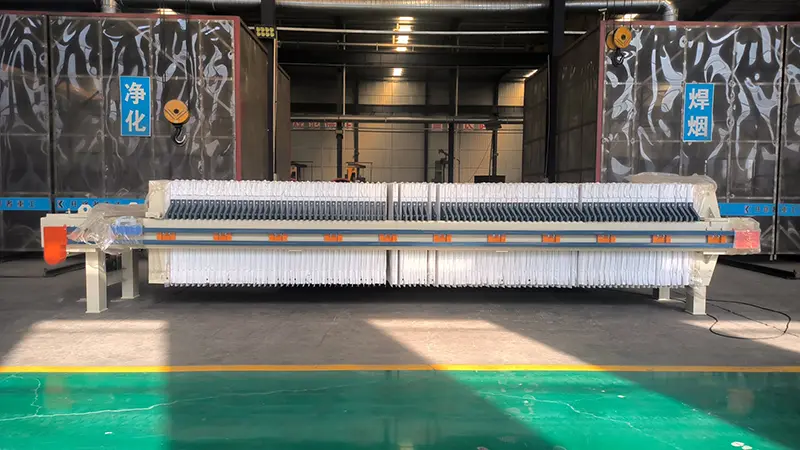
Key Factors When Choosing a Manufacturer
Choosing a manufacturer is not only about price. The following technical and service factors play a decisive role:
| Factor | Why It Matters |
|---|---|
| Filtration area | Determines processing capacity |
| Plate material | Affects durability and corrosion resistance |
| Automation level | Impacts labor cost and efficiency |
| Hydraulic system | Controls pressure stability |
| After-sales support | Ensures long-term operation |
In real projects, overlooking plate quality or hydraulic performance often leads to frequent maintenance and reduced efficiency.
Typical Specifications and Capacity
Most industrial plate and frame filter presses operate within these ranges:
Filtration area: 20 m² – 500 m²
Capacity: 1 – 100 tons per hour
Working pressure: 0.6 – 1.6 MPa
Actual performance depends on material properties such as particle size, viscosity, and solid concentration.
Top Plate and Frame Filter Press Manufacturers
Below is a curated list of globally recognized manufacturers based on product quality, engineering capability, and industry experience.
1. Metso Outotec
Overview:
A global leader in mining and mineral processing equipment with advanced filtration technologies.
Key Advantages:
High automation and digital integration
Proven performance in large-scale mining
Strong global service network
Best for: Large mining and mineral processing operations
2. ANDRITZ
Overview:
A leading engineering group providing complete filtration and dewatering solutions.
Key Advantages:
Customized engineering solutions
Strong project execution capability
Excellent after-sales support
Best for: Complex industrial and environmental systems
3. FLSmidth
Overview:
A major supplier in cement and mining industries with durable filtration systems.
Key Advantages:
Heavy-duty equipment design
Reliable in harsh environments
Strong engineering background
Best for: Cement plants and heavy industrial applications
4. Micronics
Overview:
A specialized filtration company focused on filter presses and filter media solutions.
Key Advantages:
Expertise in filter cloth technology
Flexible system configurations
Reliable mid-range solutions
Best for: Industrial filtration and wastewater treatment
5. Xingaonai Group
Overview:
A manufacturer focused on mining equipment and filtration systems, offering cost-performance balanced solutions.
Key Advantages:
Integrated mineral processing solutions
Stable performance with competitive pricing
Flexible customization based on project needs
Best for: Mid-scale mining and industrial filtration projects
Comparison of Leading Manufacturers
| Manufacturer | Region | Strength | Best For |
|---|---|---|---|
| Metso Outotec | Europe | High-end automation | Large mining |
| ANDRITZ | Europe | Engineering solutions | Complex systems |
| FLSmidth | Europe | Heavy-duty design | Cement/mining |
| Micronics | USA | Filtration expertise | Wastewater |
| Xingaonai | China | Cost-performance | Mid-scale projects |
Real Industrial Applications
Plate and frame filter presses are used in multiple industries:
Mining: tailings dewatering and concentrate filtration
Chemical: slurry separation and purification
Food processing: oil, sugar, and beverage filtration
Wastewater treatment: sludge dewatering
In mining operations, filtration efficiency plays a key role in water recovery and environmental compliance.
Price Range and Cost Factors
The cost of a plate and frame filter press varies depending on configuration:
Small units: $3,000 – $10,000
Medium systems: $10,000 – $50,000
Large automated systems: $50,000 – $150,000+
Key pricing factors:
Filtration area
Plate material
Automation level
Brand and origin
A lower initial price does not always mean lower total cost of ownership.
Common Buyer Mistakes
Many buyers encounter performance issues due to improper selection:
Undersized filtration capacity
Incorrect filter cloth choice
Ignoring after-sales support
Choosing suppliers based only on price
These mistakes often lead to higher long-term operational costs.
Final Insights
Selecting the right plate and frame filter press manufacturer requires balancing cost, technical performance, and long-term reliability. Buyers should prioritize manufacturers with proven application experience, strong engineering support, and the ability to customize solutions.
A well-designed filtration system not only improves efficiency but also reduces operational risks and maintenance costs over time.