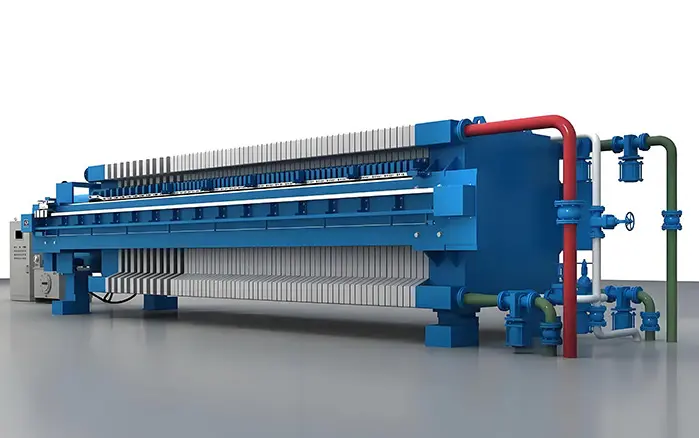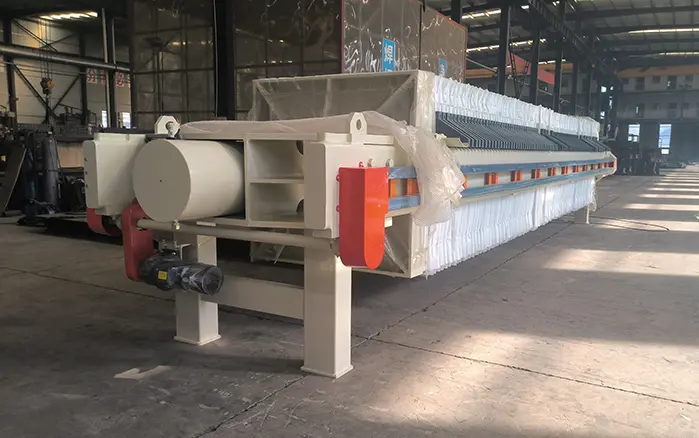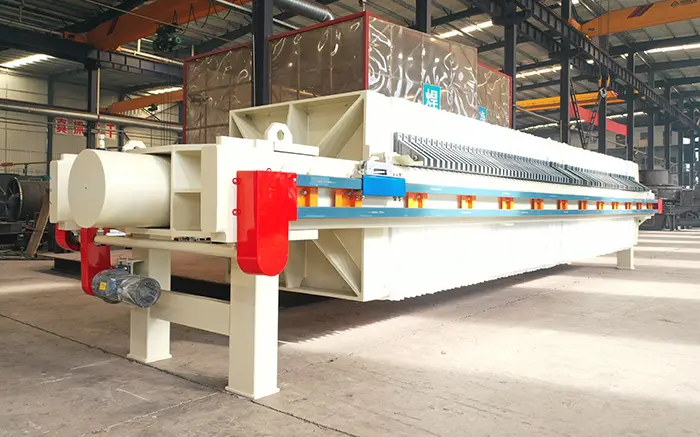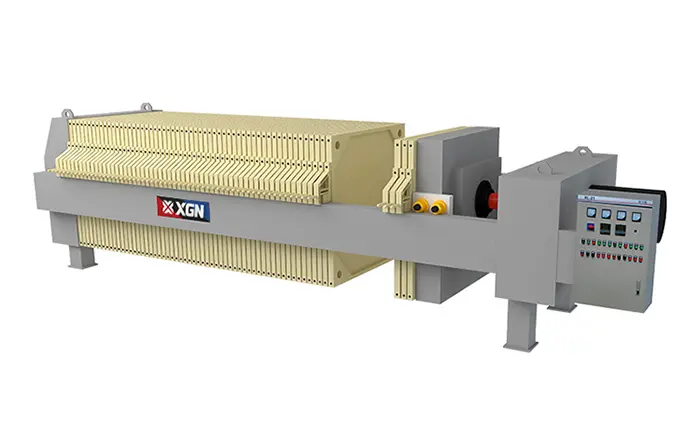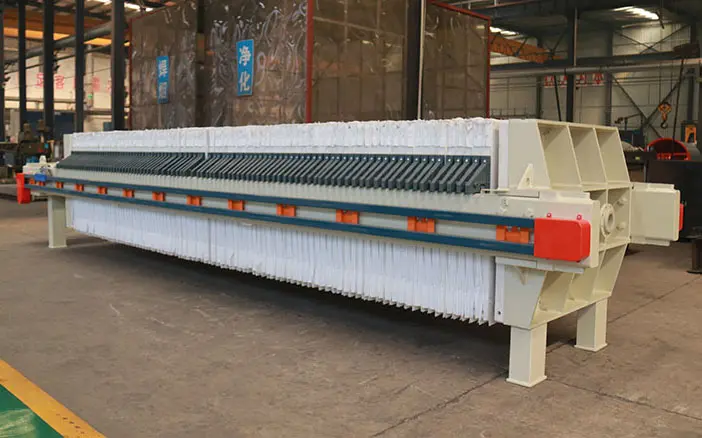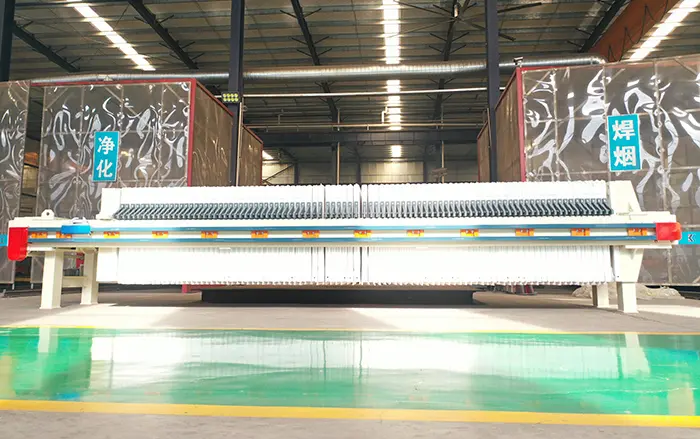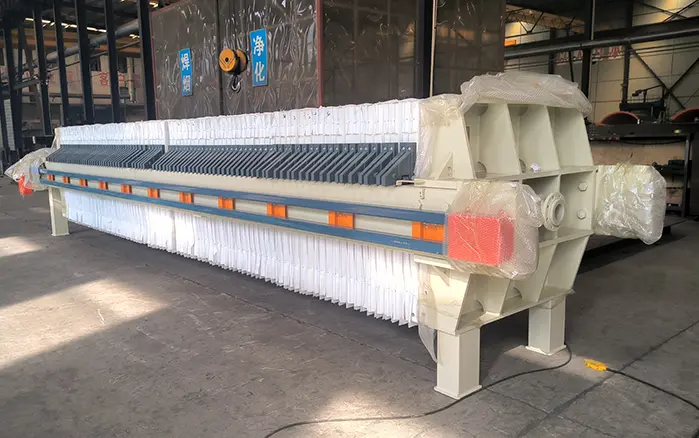
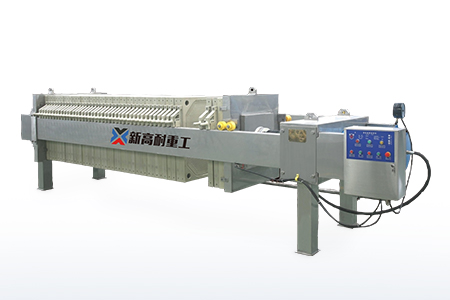
A plate and frame filter press is widely used in mining, chemical processing, wastewater treatment, food production, and metallurgy for solid-liquid separation. Proper operation not only improves filtration efficiency but also extends equipment life, reduces downtime, and lowers maintenance costs.
This guide explains the complete filter press operation procedure, including startup checks, filtration steps, operating parameters, shutdown procedures, and common troubleshooting methods.
What Is a Plate and Frame Filter Press?
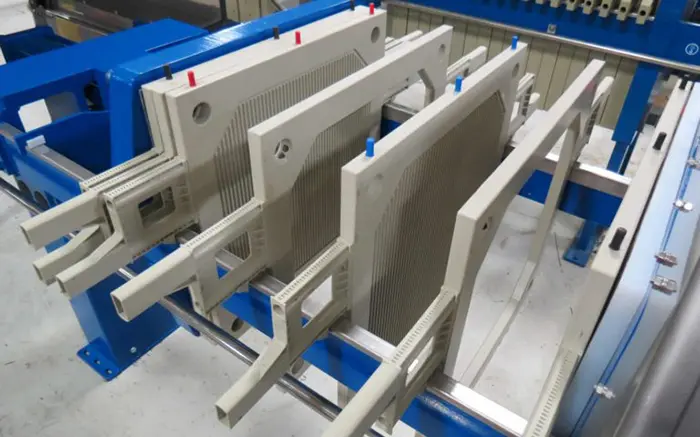
A plate and frame filter press separates solids from liquids by applying pressure to a slurry. The slurry is pumped into a series of filter chambers formed by alternating plates and frames. As pressure builds, liquid passes through the filter cloth while solids remain inside the chambers and gradually form a filter cake.
Because of its high filtration accuracy and low moisture content in the final cake, the plate and frame filter press remains one of the most reliable dewatering solutions across many industries.
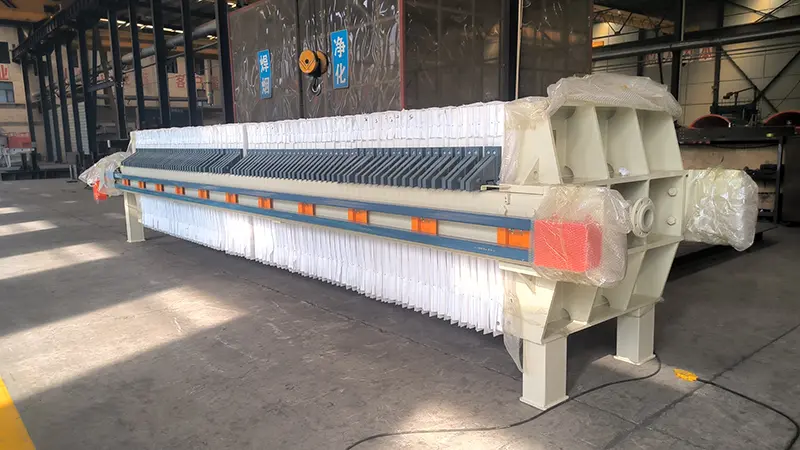
Pre-Operation Inspection Checklist
Before starting the equipment, operators should perform a complete inspection to ensure safe and stable operation.
Mechanical Inspection
Check:
Plate alignment
Frame condition
Hydraulic cylinder performance
Fastener tightness
Filter cloth installation
Hydraulic System Inspection
Verify:
Hydraulic oil level
Oil pressure
Hose condition
Valve functionality
Feed System Inspection
Confirm:
Feed pump condition
Pipe connections
Pressure gauges
Slurry supply stability
Safety Inspection
Ensure:
Emergency stop buttons function properly
Safety guards are installed
No leaks are present
Electrical systems are operating normally
A thorough inspection helps prevent unexpected shutdowns during filtration.
Step-by-Step Plate and Frame Filter Press Operation
Step 1: Close and Compress the Filter Plates
Start the hydraulic system and compress the plate pack until the required closing pressure is reached.
Proper compression prevents slurry leakage during filtration.
Step 2: Start Slurry Feeding
Activate the feed pump and gradually introduce slurry into the filter chambers.
Avoid excessive feed pressure at startup to prevent damage to filter cloths and seals.
Step 3: Build Filtration Pressure
As the chambers fill, pressure increases and liquid begins passing through the filter cloth.
Operators should continuously monitor:
Feed pressure
Filtrate clarity
Pump performance
Chamber filling condition
Step 4: Complete Cake Formation
When filtrate flow decreases significantly and system pressure stabilizes, the filter cake has reached the desired thickness.
At this stage, feeding should be stopped.
Step 5: Release Pressure
Carefully release hydraulic and feed pressure before opening the filter press.
Pressure must be completely relieved before any maintenance or cake discharge operation.
Step 6: Open the Press and Discharge Cake
Separate the plates and remove the accumulated filter cake.
Inspect cake consistency and moisture content for process evaluation.
Recommended Operating Parameters
Actual operating conditions vary according to material characteristics and plant requirements. The following ranges are commonly used.
| Parameter | Typical Range |
|---|---|
| Feed Pressure | 6–12 bar |
| Filtration Pressure | 10–20 bar |
| Slurry Solids Content | 15–45% |
| Cake Moisture | 15–30% |
| Filtration Cycle Time | 30–120 minutes |
| Hydraulic Closing Pressure | According to equipment specification |
Process testing should be performed to determine the optimal operating conditions for each application.
How to Monitor Filtration Performance
Monitoring performance helps maintain efficiency and product quality.
Key indicators include:
Filtrate Clarity
Cloudy filtrate may indicate:
Damaged filter cloth
Improper cloth installation
Excessive feed pressure
Filtration Cycle Time
Long filtration cycles may result from:
Blinded filter cloths
Fine particle content
Insufficient feed pressure
Cake Moisture Content
Excessively wet filter cake may indicate:
Incomplete filtration
Worn cloths
Low operating pressure
Regular monitoring helps identify issues before they affect production.
Common Operator Mistakes
Many filtration problems result from incorrect operating practices.
Starting with Excessive Feed Pressure
High pressure during startup can:
Damage filter cloths
Cause leakage
Reduce equipment life
Ignoring Cloth Cleaning
Dirty filter cloths reduce permeability and decrease filtration efficiency.
Delayed Cake Removal
Leaving filter cake inside chambers for extended periods may cause:
Cake hardening
Reduced productivity
Difficult discharge
Skipping Routine Inspections
Small issues can quickly develop into costly equipment failures if inspections are neglected.
Shutdown Procedure
A proper shutdown procedure protects equipment and prepares it for the next production cycle.
Stop Slurry Feeding
Turn off the feed pump and isolate the feed line.
Release System Pressure
Fully release hydraulic and filtration pressure.
Open the Plate Pack
Separate the plates carefully and discharge all filter cake.
Clean Equipment
Remove residual solids from:
Plates
Frames
Filter cloths
Drainage channels
Proper cleaning helps maintain consistent filtration performance.
Preventive Maintenance Schedule
Routine maintenance reduces downtime and extends equipment life.
Daily Maintenance
Check hydraulic oil levels
Inspect filter cloth condition
Verify pressure readings
Clean exposed surfaces
Weekly Maintenance
Inspect hoses and valves
Check plate alignment
Lubricate moving components
Test safety systems
Monthly Maintenance
Inspect hydraulic cylinders
Replace damaged filter cloths
Check structural components
Calibrate pressure instruments
A preventive maintenance program significantly reduces long-term operating costs.
Common Filter Press Problems and Solutions
| Problem | Possible Cause | Solution |
|---|---|---|
| Slurry Leakage | Improper plate sealing | Realign and compress plates |
| Cloudy Filtrate | Damaged cloth | Replace filter cloth |
| Slow Filtration | Cloth blockage | Clean or replace cloth |
| Wet Filter Cake | Low pressure | Increase filtration pressure |
| Uneven Cake Thickness | Uneven slurry distribution | Inspect feed system |
| Hydraulic Pressure Loss | Hydraulic leak | Repair hydraulic components |
Maximizing Filter Press Efficiency
Efficient filter press operation depends on proper startup procedures, stable operating conditions, regular monitoring, and preventive maintenance. By following standardized operating practices and addressing issues before they become major failures, operators can achieve higher filtration efficiency, lower moisture content, reduced downtime, and longer equipment service life.
For mining, mineral processing, wastewater treatment, and industrial dewatering applications, a well-maintained plate and frame filter press remains one of the most effective and reliable solid-liquid separation solutions available today.