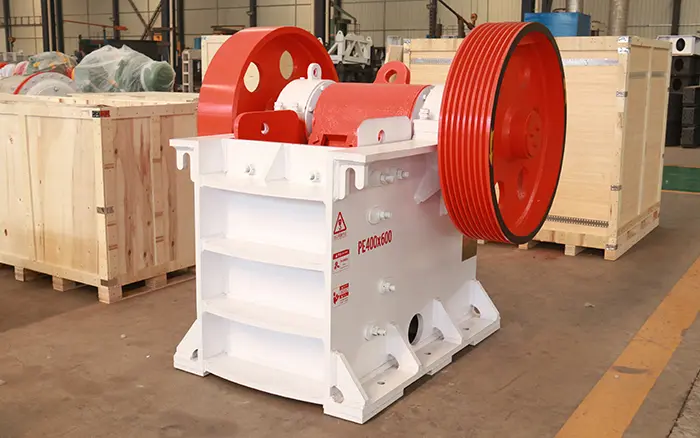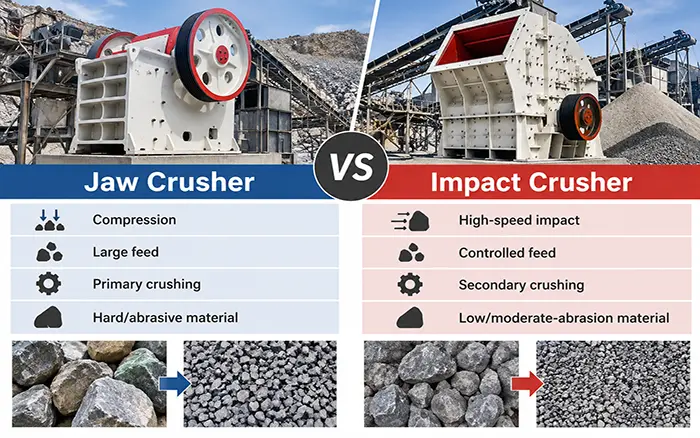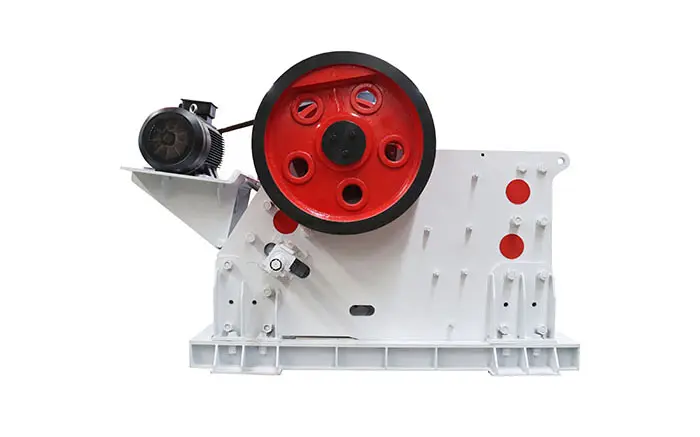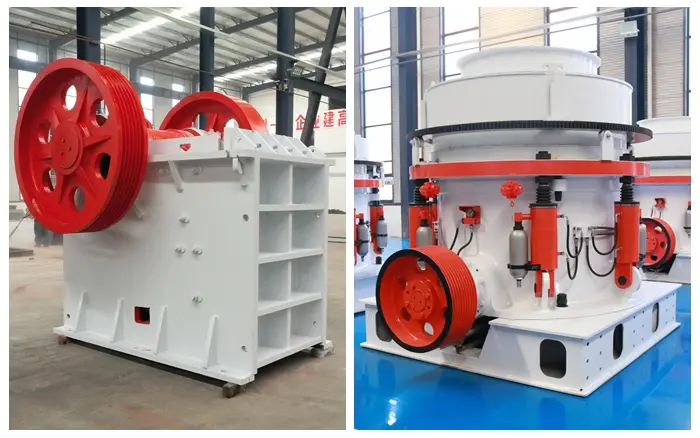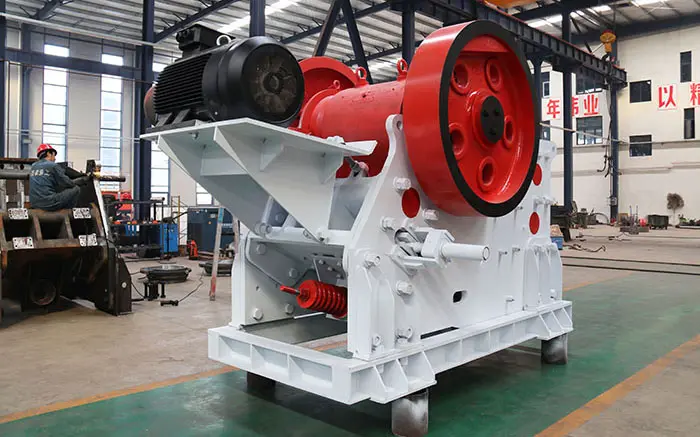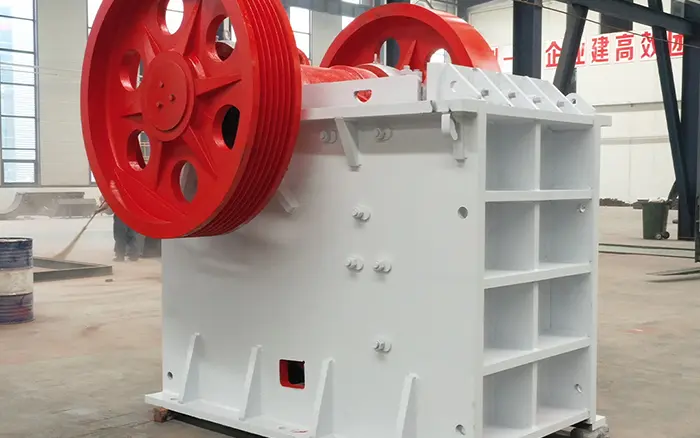
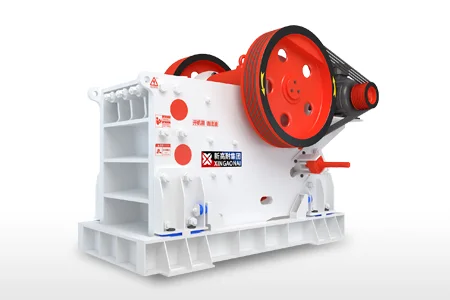
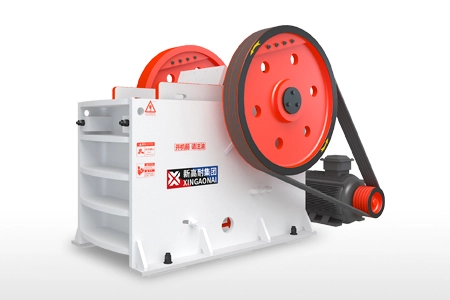
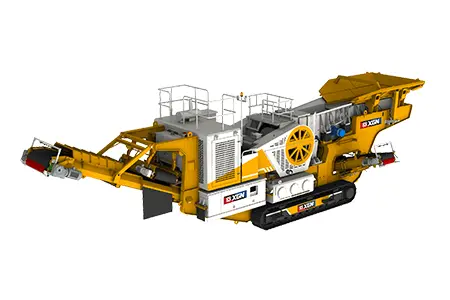
For any mining, quarrying, or aggregate processing operation, the jaw crusher is the workhorse of primary crushing. It is typically the first machine in the processing chain — the unit that receives run-of-mine rock or blasted stone and reduces it to a manageable size for downstream equipment. Given its central role in production, the jaw crusher price is one of the most consequential capital expenditure decisions a plant operator or project engineer will make.
Yet the jaw crusher market is far from uniform. Prices vary enormously — from a few thousand dollars for a small laboratory unit to well over a million dollars for a large, heavy-duty primary crusher in a major mining operation. Understanding what drives this variation, how to evaluate competing quotations, and how to think about price in the context of total cost of ownership is essential to making a purchasing decision that delivers genuine long-term value.
This guide covers the full picture: what jaw crushers typically cost across different size and duty categories, the technical and commercial factors that determine the price, how new and used equipment compare, and how to build a realistic budget that accounts for the true cost of ownership.
Jaw Crusher Price Ranges by Category
Before examining the factors that drive jaw crusher pricing, it is useful to establish a practical reference framework for market price ranges. The following figures represent broad orientations for new equipment under normal market conditions and should be treated as starting points for budget planning rather than definitive price targets, since actual quotations will vary by supplier, specification, and commercial terms.
Small and Laboratory Jaw Crushers
Small jaw crushers — with feed opening dimensions of approximately 100 × 150 mm to 250 × 400 mm and production capacities of 1 to 20 tonnes per hour — are used in laboratory settings, pilot plants, and small-scale quarrying or aggregate operations. Prices for new units from established Asian manufacturers typically range from USD 3,000 to USD 25,000. Equivalent units from European or North American manufacturers are generally priced between USD 15,000 and USD 60,000.
Medium-Duty Jaw Crushers
Medium-duty jaw crushers, with feed openings in the range of 400 × 600 mm to 750 × 1,060 mm and capacities of 30 to 180 tonnes per hour, represent the most actively traded segment of the market. These units are widely used in quarries, aggregate plants, and medium-scale mining operations for primary crushing. New units from reputable Chinese manufacturers are typically priced between USD 20,000 and USD 120,000, while equivalent European-branded equipment ranges from USD 80,000 to USD 300,000 depending on specification and included accessories.
Large Primary Jaw Crushers
Large primary jaw crushers — with feed openings above 900 × 1,200 mm and capacities exceeding 300 tonnes per hour — are specified for high-tonnage quarry operations, large open-pit mines, and industrial mineral processing plants. Prices for new units from leading Asian suppliers range from USD 100,000 to USD 400,000. Premium European and North American units for the same duty class are typically priced between USD 300,000 and USD 1,000,000 or more, particularly for custom-engineered configurations with integrated automation and remote monitoring systems.
Mobile Jaw Crushers
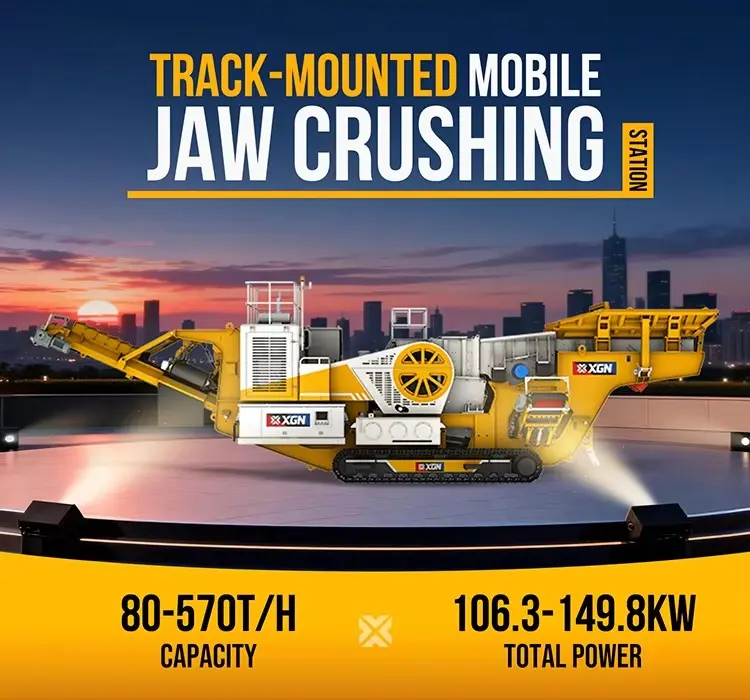
Mobile jaw crushers — self-contained tracked or wheeled units that integrate the crusher, feeder, conveyor, and control system on a single chassis — carry a significant price premium over equivalent stationary installations, reflecting the additional engineering, fabrication, and system integration costs. Tracked mobile jaw crushers in the medium-duty range are typically priced between USD 150,000 and USD 500,000 for Asian-manufactured units, and between USD 400,000 and USD 1,200,000 for units from leading European manufacturers such as Sandvik, Metso, or Kleemann.
Key Factors That Determine Jaw Crusher Price
The price of a jaw crusher is not arbitrary — it is the direct result of a combination of technical, commercial, and logistical factors. Understanding these drivers allows buyers to evaluate quotations more critically and to make informed trade-offs between cost and capability.
Feed Opening Size and Production Capacity
The single most influential factor in jaw crusher pricing is the size of the feed opening — the width and depth of the gap through which raw material enters the crushing chamber. A larger feed opening accommodates bigger feed material and supports higher production rates, but it also requires a heavier, more robustly engineered machine with larger components throughout: heavier flywheels, more powerful drive motors, larger eccentric shafts, and stronger frame construction. Each of these demands adds directly to manufacturing cost and therefore to the selling price.
As a general principle, jaw crusher prices scale faster than linearly with feed opening size. Doubling the feed opening dimensions does not simply double the price — it typically results in a price increase of three to five times or more, because the structural and mechanical demands of the larger machine grow disproportionately.
Manufacturer Origin and Brand Positioning
The country of origin and brand reputation of the manufacturer have a direct and substantial influence on jaw crusher price. The global jaw crusher market is broadly stratified into three tiers:
Tier 1 — European and North American manufacturers such as Sandvik, Metso Outotec, Terex Jaques, and McLanahan occupy the premium segment. Their equipment is characterized by advanced engineering, high-quality materials, tight manufacturing tolerances, comprehensive global service networks, and strong after-sales support. These advantages are reflected in prices that are typically two to four times higher than equivalent-capacity units from Asian manufacturers.
Tier 2 — Established Chinese manufacturers such as CITIC Heavy Industries, SBM (Shanghai Baoshou Mining), and several other large-scale producers have closed much of the quality gap with Western brands over the past decade, while maintaining a significant price advantage. Their equipment is increasingly specified for major international mining projects and has demonstrated reliable performance in demanding applications worldwide.

Tier 3 — Smaller regional manufacturers offer the lowest entry prices but typically with less rigorous quality control, limited engineering support, and uncertain spare parts availability. Equipment from this tier can represent good value in low-intensity applications but carries higher operational risk in high-throughput or remote-location environments.
Construction Quality and Material Specification
Within any given size category, jaw crusher prices vary significantly based on the quality of materials and engineering that go into the machine. Key quality indicators that influence price include the grade of steel used for the main frame and swing jaw, the specification and rating of the eccentric shaft and its bearings, the quality of the jaw die (crushing plate) material — typically high-manganese steel — and the robustness of the toggle plate assembly, which serves as the machine's overload protection mechanism.
Higher-grade materials and more precise manufacturing processes result in longer service life, lower maintenance costs, and better reliability under continuous high-load operation — all of which contribute to a lower total cost of ownership even when the purchase price is higher.
Drive System and Power Specification
The drive system — comprising the electric motor, V-belt transmission, flywheel, and eccentric shaft — is a significant cost component of any jaw crusher. Higher installed motor power enables processing of harder, more abrasive materials and supports higher production rates, but it also increases the cost of the drive components and the electrical infrastructure required to operate the machine.
Jaw crushers equipped with variable-frequency drives (VFDs) for speed control, hydraulic gap adjustment systems for rapid and precise setting changes, and integrated control panels with remote monitoring capability carry higher prices than basic mechanically adjusted units. These features add cost but deliver tangible operational benefits in terms of flexibility, productivity, and reduced downtime.
Configuration: Stationary vs. Mobile
As noted in the price range section above, mobile jaw crushers command a substantial price premium over stationary units of comparable crushing capacity. This premium reflects the cost of the tracked or wheeled undercarriage, the integrated feeding and conveying system, the self-contained power generation and control infrastructure, and the additional engineering required to ensure that all of these systems function reliably as an integrated mobile unit under field conditions.
For projects that genuinely require mobility — multi-site operations, construction and demolition recycling, road building — the premium is well justified by the operational flexibility that mobile crushing provides. For permanent quarry or mine site installations, however, a stationary jaw crusher almost always represents a more cost-effective solution for a given level of crushing capacity.
Accessories, Options, and System Integration
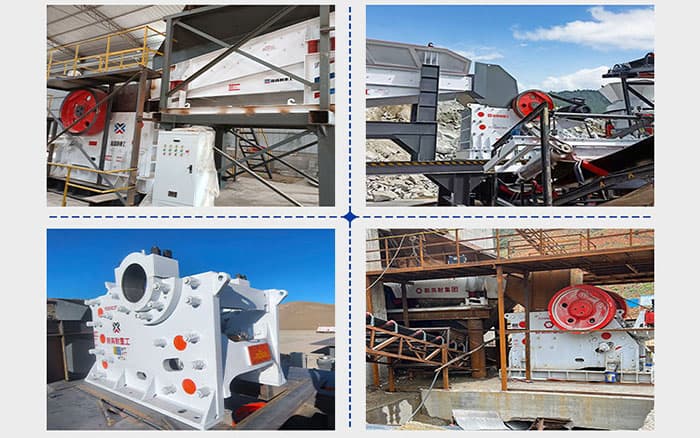
The base price quoted by a jaw crusher manufacturer typically covers the crusher unit itself, including the main frame, swing jaw, jaw dies, eccentric shaft, flywheel, and drive system. It does not usually include the vibrating grizzly feeder, product conveyor, dust suppression system, electrical control panel, or structural steel support frame that are required for a complete operational installation.
When budgeting for a jaw crusher installation, buyers must account for all of these ancillary items, which can add 20% to 50% or more to the cost of the crusher unit alone. Requesting a fully integrated system price — covering all equipment required for a complete operational installation — is strongly advisable to avoid budget surprises during project execution.
New vs. Used Jaw Crusher: Price and Risk Comparison
The used jaw crusher market offers a meaningful alternative to new equipment for buyers whose capital budgets are constrained or whose project timelines do not accommodate the lead times associated with new equipment manufacturing. Used jaw crushers are typically available at 30% to 60% below the price of comparable new units, and in some cases even lower for older equipment or machines requiring significant refurbishment.
However, the price advantage of used equipment must be weighed carefully against the associated risks. The most significant risk is unknown wear history: the condition of critical components — eccentric shaft and bearings, jaw dies, toggle plates, flywheel keyways, and frame integrity — may not be apparent from a visual inspection alone. Hidden damage or advanced wear can result in substantial repair costs shortly after purchase, potentially eliminating the price advantage entirely.
Best practice for used jaw crusher purchases includes commissioning a thorough mechanical inspection by a qualified engineer before completing the transaction, reviewing all available maintenance and operating records, and negotiating a price that reflects the cost of any remedial work identified during inspection. Purchasing from a reputable equipment dealer who offers a short-term mechanical warranty provides an additional layer of protection.
Remanufactured or factory-reconditioned jaw crushers — units that have been fully disassembled, inspected, and rebuilt to a defined specification by the original manufacturer or a specialist rebuild shop — occupy a middle ground between new and used equipment. They typically carry prices 20% to 40% below new, with a level of mechanical assurance that is significantly higher than a standard used purchase.
Total Cost of Ownership: Looking Beyond the Purchase Price
One of the most common and costly mistakes in jaw crusher procurement is focusing exclusively on the purchase price while neglecting the full cost of operating and maintaining the equipment over its service life. The purchase price of a jaw crusher typically represents only 30% to 50% of the total cost of ownership over a ten-year operating period. The remaining 50% to 70% consists of operating costs — primarily energy consumption, wear parts replacement, and maintenance labor.
Energy Costs
The electric motor driving a jaw crusher operates continuously during production, and energy costs accumulate rapidly over thousands of operating hours per year. A jaw crusher with a 110 kW motor running at an average load factor of 75% for 6,000 hours per year consumes approximately 495,000 kWh annually. At an energy cost of USD 0.10 per kWh, this represents an annual energy bill of nearly USD 50,000 — which over ten years totals USD 500,000, potentially exceeding the original purchase price of a medium-duty unit.
Energy-efficient drive systems, optimized feed rates, and the selection of a correctly sized crusher — neither oversized nor undersized for the application — are the primary levers for managing energy costs over the equipment's operating life.
Wear Parts and Jaw Die Replacement
The jaw dies — the replaceable crushing plates that form the working surfaces of the crushing chamber — are the highest-wear consumable items on a jaw crusher. Their replacement frequency depends on the abrasiveness and hardness of the material being crushed, the jaw die material specification, and the operating parameters of the crusher. In high-abrasion applications such as granite or quartz crushing, jaw dies may require replacement every few hundred operating hours. In softer material applications such as limestone, service life may extend to several thousand hours.
When evaluating jaw crusher price offers from different suppliers, buyers should always request the price and expected service life of the jaw dies, as well as the availability and lead time for replacement sets. A crusher with a lower purchase price but expensive, difficult-to-source wear parts may prove significantly more costly over its operating life than a higher-priced unit with competitively priced and readily available consumables.
Maintenance and Downtime Costs
Unplanned downtime in a crushing plant has a direct and immediate impact on production output and revenue. A jaw crusher that requires frequent unscheduled maintenance or that has long lead times for spare parts can cost far more in lost production than the price difference between a budget unit and a premium machine. When assessing jaw crusher price in the context of total cost of ownership, buyers should factor in the manufacturer's recommended maintenance intervals, the availability of technical support, and the track record of the equipment in comparable applications.
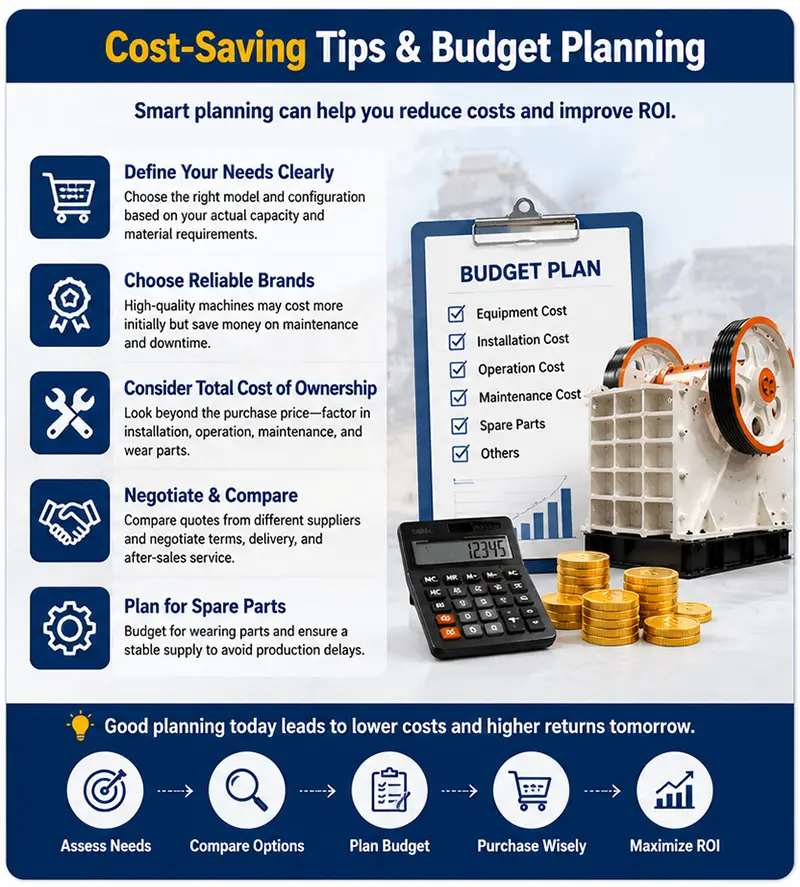
How to Build a Realistic Jaw Crusher Budget
A well-structured jaw crusher budget should account for the following cost categories from the outset of the project planning process:
Equipment purchase price — the jaw crusher unit and all specified accessories, based on firm quotations from at least two or three competing suppliers.
Civil and structural works — concrete foundations, structural steel support frames, access platforms, and any necessary site preparation works. These costs can represent 10% to 25% of the equipment price for permanent stationary installations.
Electrical and instrumentation — motor control centers, power cabling, control panels, instrumentation, and any integration with existing plant control systems.
Ancillary equipment — vibrating grizzly feeder, product conveyor, dust suppression system, and screening equipment if required downstream.
Installation and commissioning — mechanical erection, electrical installation, and the manufacturer's supervision of commissioning and initial production runs.
Spare parts initial stock — a strategic inventory of critical spare parts and wear items to be held on-site from day one of operation, minimizing downtime risk during the early operational period.
Operating cost provision — an annualized estimate of energy, wear parts, maintenance labor, and lubrication costs to allow accurate project economics to be prepared before the purchase commitment is made.
Conclusion
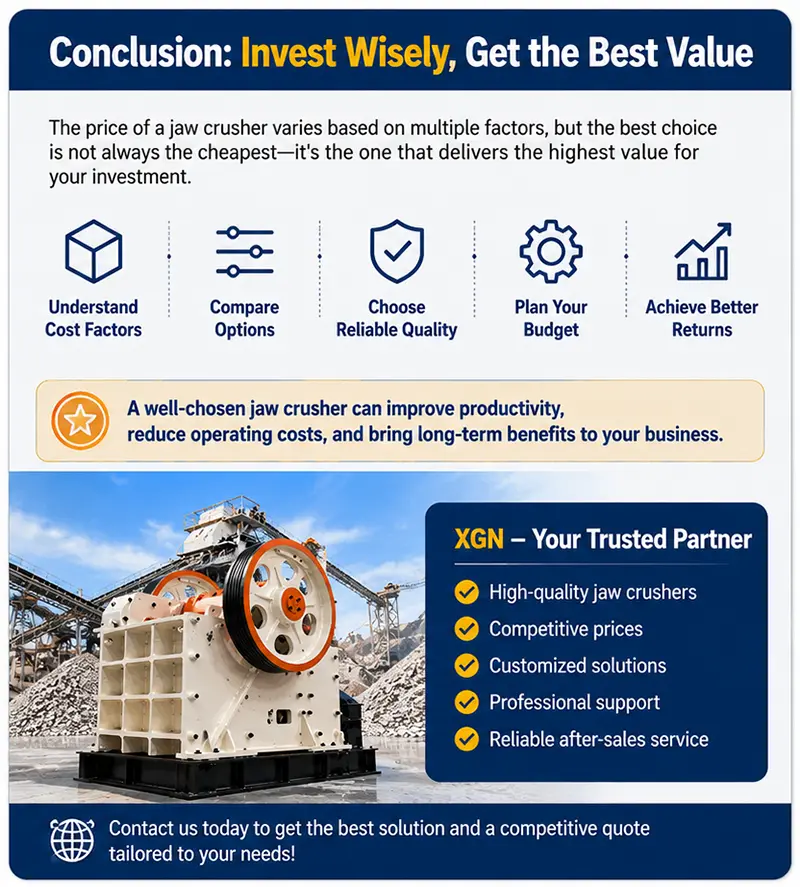
The jaw crusher price is the starting point of a much larger financial story. A machine that is correctly specified for the application, sourced from a manufacturer with a proven track record and reliable parts supply, and maintained according to a disciplined preventive maintenance program will almost always deliver a lower total cost per tonne of material processed than a cheaper alternative that falls short on any of these dimensions.
The most commercially astute approach to jaw crusher procurement is not to minimize the purchase price — it is to maximize the return on the total investment over the full operating life of the equipment. That requires a clear understanding of price drivers, a rigorous evaluation of competing offers, and a total cost of ownership analysis that captures all of the cost categories that matter, not just the number on the quotation.