A jaw crusher is the backbone of most crushing lines. It is responsible for the primary (or sometimes secondary) crushing of hard and medium‑hard materials like granite, basalt, limestone, and iron ore. If you’re searching for a jaw crusher for sale, you want equipment that delivers reliable performance, low downtime, and long service life. This guide explains how jaw crushers work, the main types available, and the key factors to consider before making a purchase.

What Is a Jaw Crusher and How Does It Work?
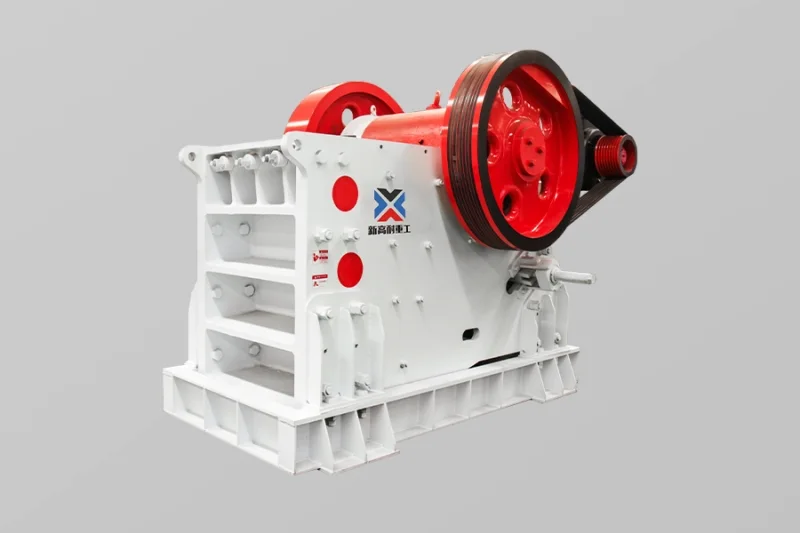
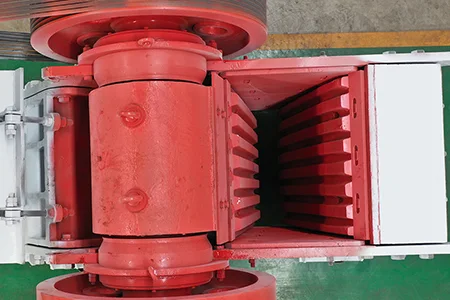
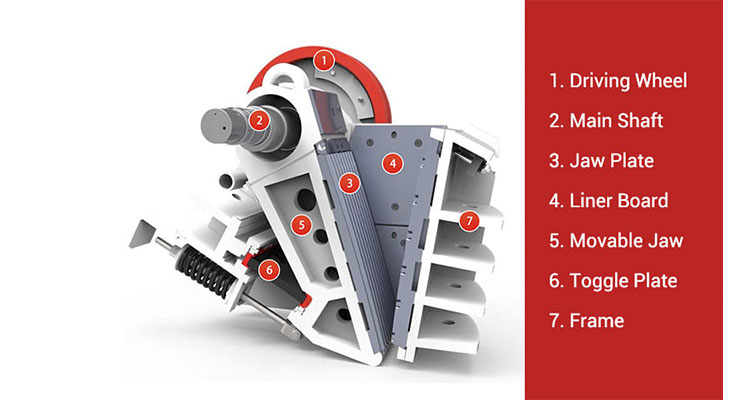
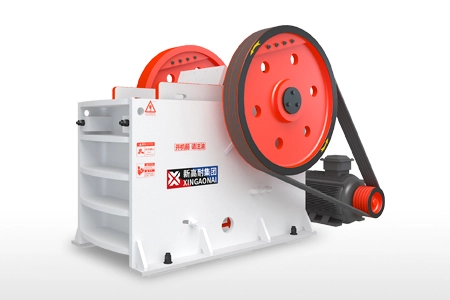
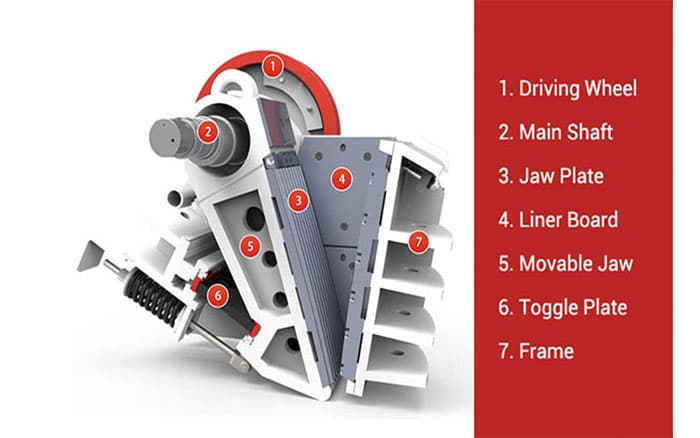
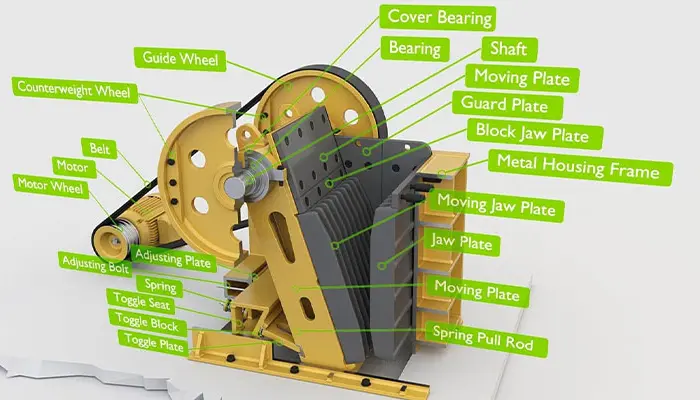
A jaw crusher is a compression‑type crusher. It has two vertical manganese jaws that form a V‑shaped crushing chamber. The top of the chamber is wider than the bottom. The fixed jaw stays in place, while the moving jaw moves back and forth in an arc against the fixed jaw.
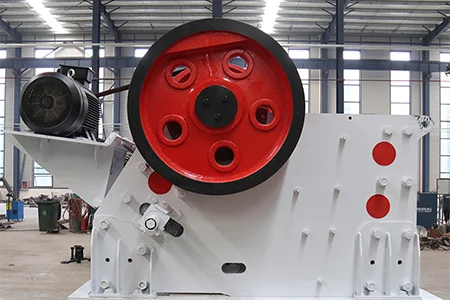
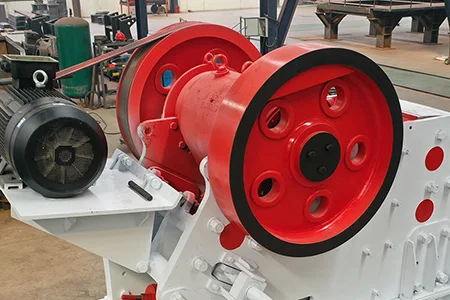
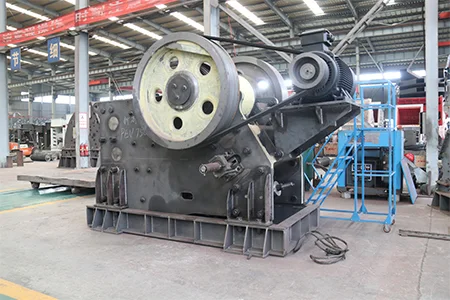
The electric motor drives the eccentric shaft through a belt and pulley. As the shaft rotates, it makes the moving jaw periodically approach and leave the fixed jaw. The feed material enters the top of the chamber and is crushed by being squeezed between the jaws. When the moving jaw retreats, the crushed material drops lower into the chamber, and the cycle repeats. Eventually, the material is small enough to pass through the discharge opening at the bottom.
This simple but effective mechanism makes jaw crushers ideal for primary crushing, where large rocks are reduced to a manageable size for further processing.
Main Types of Jaw Crusher
When you look for a jaw crusher for sale, you will find several common types. Each type is designed for specific scales and applications.
PE Series Jaw Crusher (Primary)
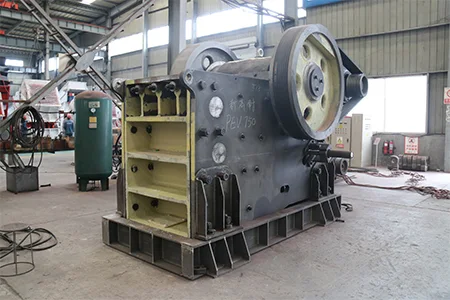
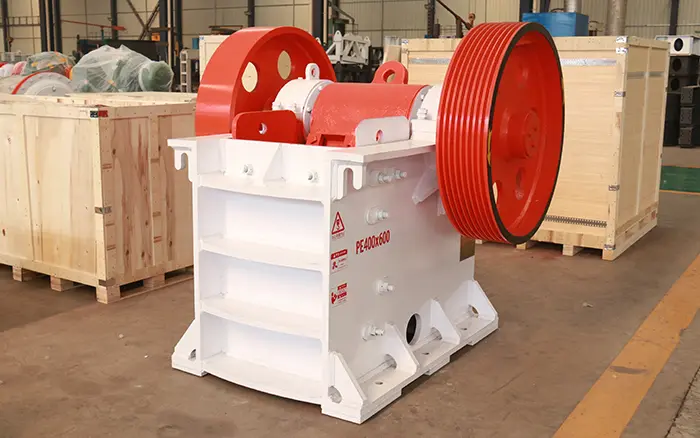
The PE series is the most popular primary jaw crusher. It is built for large feed sizes (up to several meters) and high throughput. It has a robust, single‑toggle design with a deep, symmetrical crushing chamber and an ideal nip angle that ensures smooth material flow and high reduction efficiency. PE series crushers are widely used in large‑scale mining and construction projects. With a maximum compressive strength of 320 MPa and capacities ranging from 300 to 1,500 tons per hour (t/h), they are a top choice for heavy‑duty, long‑term operations.
PEV Series Jaw Crusher (Integrated Primary‑Secondary)
The PEV series is an upgraded design that combines primary and secondary crushing in one unit. Its curved crushing chamber produces finer, more uniform particles. This makes it ideal for small to medium‑sized lines where final product quality matters. Because it reduces the need for additional secondary crushing equipment, the PEV series can help you save production space and lower capital costs.

Mini Jaw Crusher
Mini jaw crushers are compact, portable, and energy‑efficient. They are tailored for small workshops, on‑site construction tasks, or processing of small batches of material. Their capacities start as low as 1–5 t/h, making them a practical solution for recycling construction waste or crushing local stone materials on a smaller scale.
Key Factors to Consider When Buying a Jaw Crusher for Sale
To make a smart investment, focus on these five factors.
1. Material Characteristics
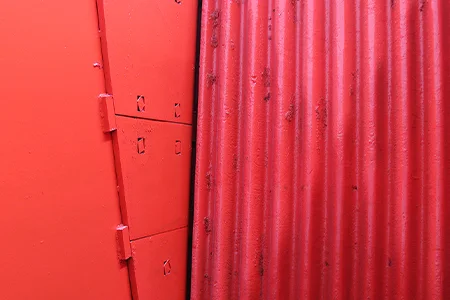
The hardness, abrasiveness, moisture, and feed size of your material determine the required crusher strength. For hard and abrasive ores like granite or iron ore, choose a jaw crusher with high‑wear‑resistant jaw plates, such as Mn18Cr2 or high‑chromium material. For softer materials like limestone, a standard manganese steel jaw plate is usually enough. Also check the maximum feed size of the crusher against the largest rock you will feed. As a rule, the crusher feed opening should be at least 10–15% larger than the largest feed piece.
2. Production Capacity (TPH)
Calculate your required throughput in tons per hour (peak and average). Jaw crusher capacities range from 1 t/h for mini models up to 1,500 t/h for large industrial units. Overbuying wastes capital; underbuying creates a production bottleneck. Choose a model that comfortably meets your peak demand while leaving some margin for future growth.
3. Desired Output Size
For coarse aggregates, a standard PE series jaw crusher works well. If you need fine, uniform particles for concrete or asphalt, choose a PEV series or a model with an adjustable discharge port. The closed side setting (CSS) directly controls the maximum output size. Many modern jaw crushers offer hydraulic CSS adjustment, allowing you to change settings from a control panel without manual shimming.
4. Energy Efficiency and Operating Cost
Modern jaw crushers are designed to reduce energy consumption by 15–20% compared to older models. This lowers your electricity bill while meeting stricter environmental standards. Also consider the cost of wear parts: high‑quality manganese steel or alloy steel jaw plates last longer and reduce replacement frequency.
5. After‑Sales Support and Supplier Reliability
The best equipment is only as good as its supplier. Look for vendors that provide after‑sales maintenance, spare parts availability, technical support, and a reasonable warranty. A reliable supplier helps you avoid costly delays when equipment needs service or repairs. Ask for customer references or case studies to verify the supplier‘s track record.
Benefits of a High‑Quality Jaw Crusher
Investing in a premium jaw crusher pays off over time.
Durability: High‑quality materials (alloy steel eccentric shafts, wear‑resistant jaw plates) extend crusher life to 5–10 years, compared to 1–2 years for inferior models.
Energy Efficiency: Modern designs reduce unit energy consumption by 15–20%, lowering electricity costs.
Easy Maintenance: Accessible components and simple structures mean faster wear‑part replacement and less downtime.
Versatility: Adjustable discharge ports and interchangeable parts let one crusher handle different materials, increasing operational flexibility.
How to Find the Best Jaw Crusher Near You
Use these tips to streamline your search.
Prioritize local or regional suppliers for easier on‑site inspections and faster delivery.
Ask for a demo or test run (if possible) to see how the jaw crusher performs with your material.
Compare quotes from multiple suppliers, but do not sacrifice quality for price alone. Cheaper models often hide higher long‑term costs.
Request detailed technical specifications, including feed opening, CSS range, capacity at different settings, motor power, and total weight.
Conclusion
A jaw crusher for sale is more than a machine—it is an investment in your productivity and profitability. By matching the crusher type to your material, capacity, and budget, you can achieve lower operating costs and consistent product quality. Whether you need a heavy‑duty PE series for mining, a PEV series for premium aggregates, or a compact mini jaw crusher for on‑site work, partnering with a trusted supplier ensures you get the right tool for the job. Contact Xingaonai today for personalized recommendations, technical specifications, and a competitive quote.